· Travel · 5 min read
Common Misconceptions About Morocco: 5 Myths Debunked
Common misconceptions about Morocco keep first-timers nervous. We debunk five myths and show the real Morocco. Plan your trip with confidence.
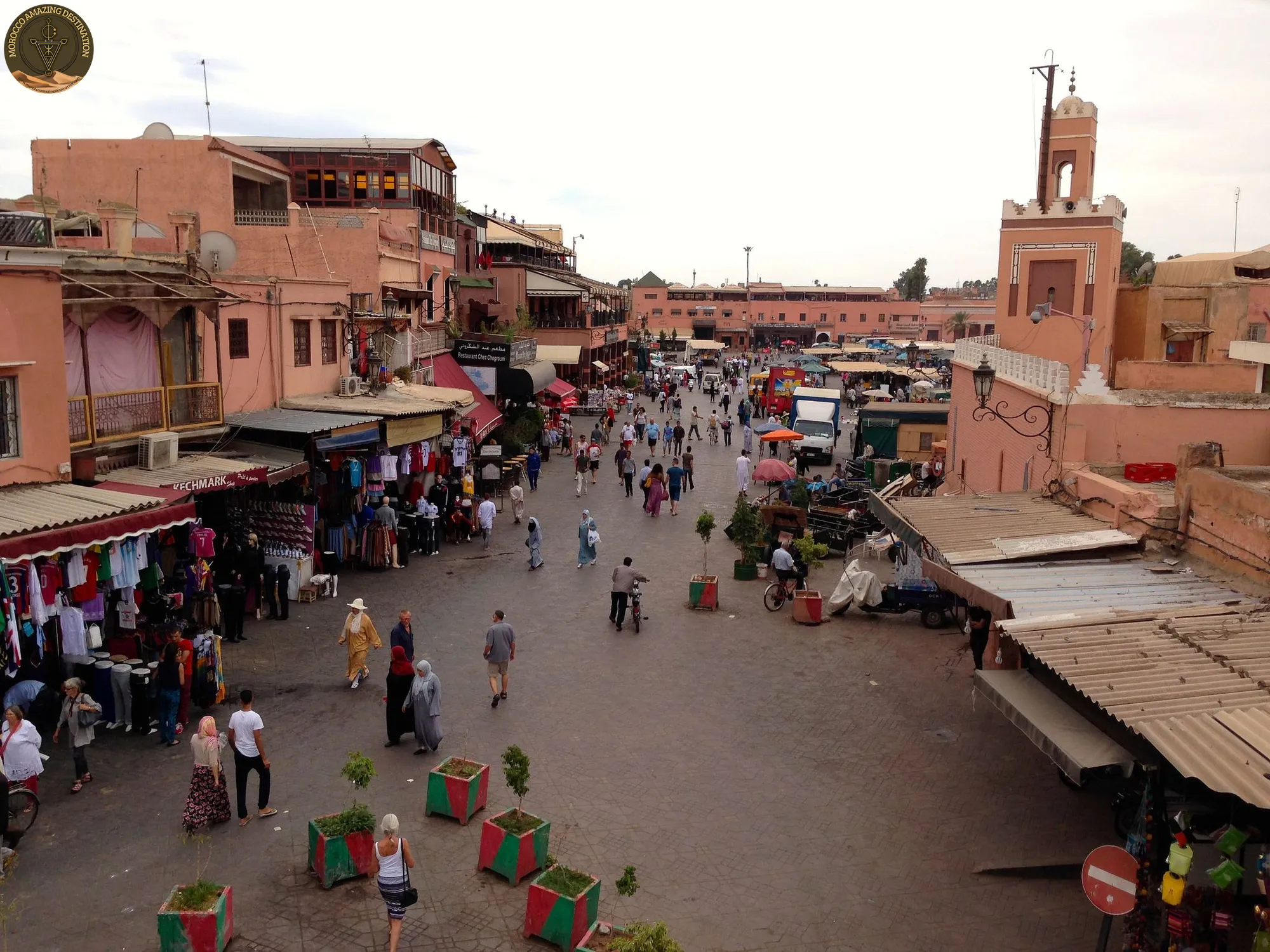
You searched it at midnight: is Morocco safe, what should I wear, will I get hassled in the medina? Those late-night questions feed the same common misconceptions about Morocco that worry almost every first-timer. Friends share warnings, forums pile on, and the picture blurs. The reality on the ground runs calmer, kinder and far more varied than the rumors suggest.
In this guide, we break down five stubborn myths, from desert clichés to souk etiquette, and how you can visit them all with ease. Short answer: Morocco mixes desert, mountains and coast, welcomes visitors warmly, asks only for modest dress, and treats bargaining as a friendly ritual.
No, Morocco Is Not Just Desert - Mountains, Coast and Imperial Cities
The dunes of Merzouga are real, and sunrise over Erg Chebbi earns its fame. Yet the Sahara covers only the southeast corner of the country. Most routes cross the High Atlas passes, the Dades and Todra gorges, cedar forests where monkeys roam, and broad Atlantic beaches built for surf.
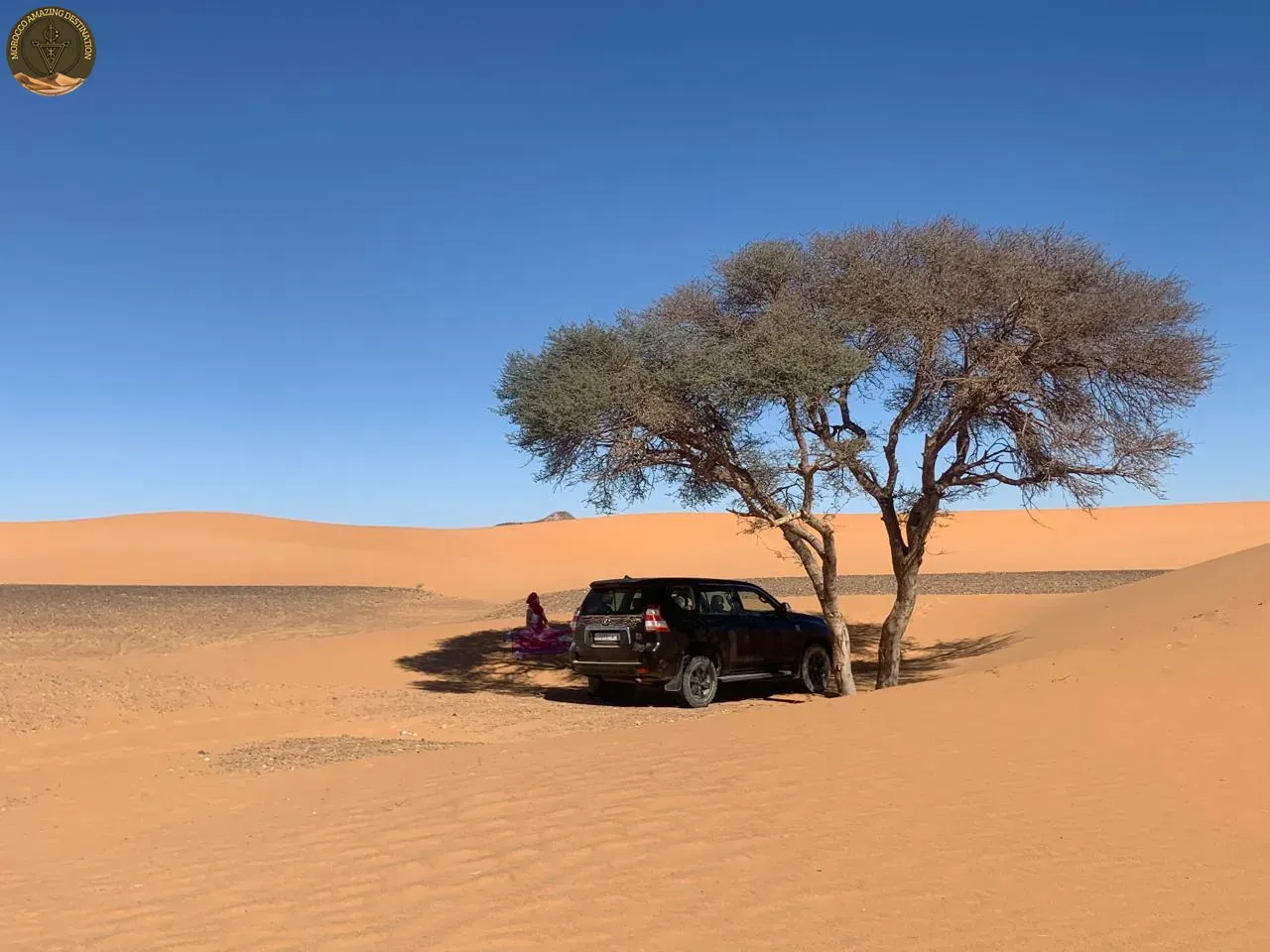
Then come the cities. Fes and Marrakech anchor the four imperial cities alongside Meknes and Rabat, each with its own medina, palaces and food culture. North of Fes, the Roman columns of Volubilis rise out of olive groves. Spring brings roses to the Dades Valley, and autumn clears the mountain air. One trip can string all of this together.
- Mountains: drive the Tizi n’Tichka pass, walk Todra Gorge, sleep in a valley kasbah.
- Coast: surf Taghazout, eat grilled fish in Essaouira, stroll the Asilah ramparts.
- Cities: wander Fes el-Bali, tour Marrakech palaces, explore Volubilis with a guide.
Safe Travel in the Medinas - Fes and Marrakech Without the Fear
Ask is Morocco safe to visit and the honest answer is yes, with normal city awareness. Violent crime against visitors stays rare. Most friction in busy medinas stays milder than fear suggests: pickpockets in crowds, insistent faux guides, and shopkeepers steering you toward a cousin’s stall.
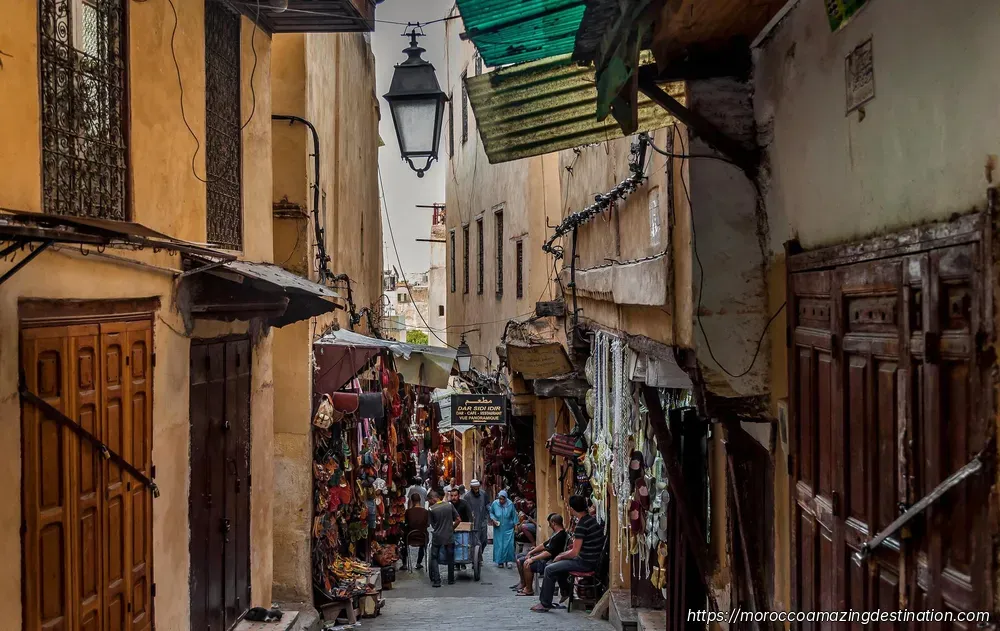
A few habits solve nearly all of it. Carry small cash and leave flashy jewelry at the riad. Use official taxis or pre-booked transfers, and skip empty lanes after dark. Keep phones zipped away in crowds and agree taxi fares before you ride. These are the same rules you would follow in any large city.
A private driver-guide removes even that background noise, from station pickups to hotel doors, so no tout decides your route. For a deeper look at each risk and fix, read our guide on why Morocco feels risky to first-timers.
Arab, Amazigh (Berber) and Everything Between - Who Moroccans Really Are
Moroccans carry a mixed heritage, and morocco travel myths often flatten it into a single label. Arabic and Tamazight (the Amazigh language) share official status, while Darija fills daily conversation and French covers business and cities. You will hear three or four languages on the street before lunch.
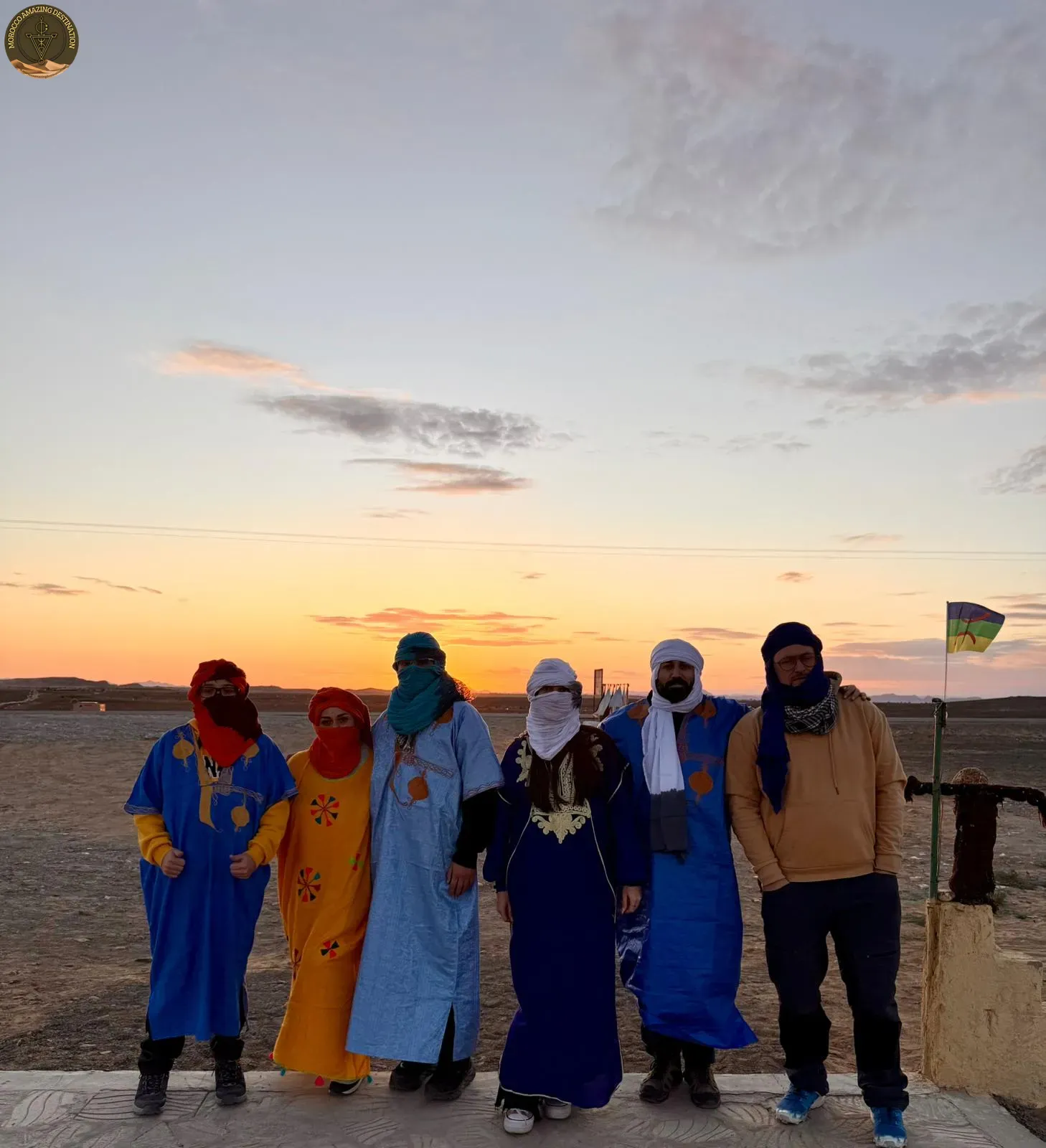
Most of the population is Sunni Muslim, with small Christian, Jewish and Baha’i communities. Jewish history runs deep here, from old mellahs to working synagogues and cemeteries. Amazigh culture shows up everywhere: in rugs, music, village architecture and mountain festivals. Mountain villages still speak Tamazight first, and city signs now carry both scripts. Friday prayers set the weekly rhythm, yet the cafés fill again an hour later.
We keep this one short because the full story deserves its own page: are Moroccans Arab or Amazigh.
What to Wear in Morocco - Kaftans, Linen and No Headscarf Rule
Packing questions around what to wear in Morocco cause needless stress. Non-Muslim women need no headscarf, and nobody expects foreign visitors to dress in local religious garb. The working rule stays simple: cover shoulders and knees in towns and religious sites, then relax at beach resorts.
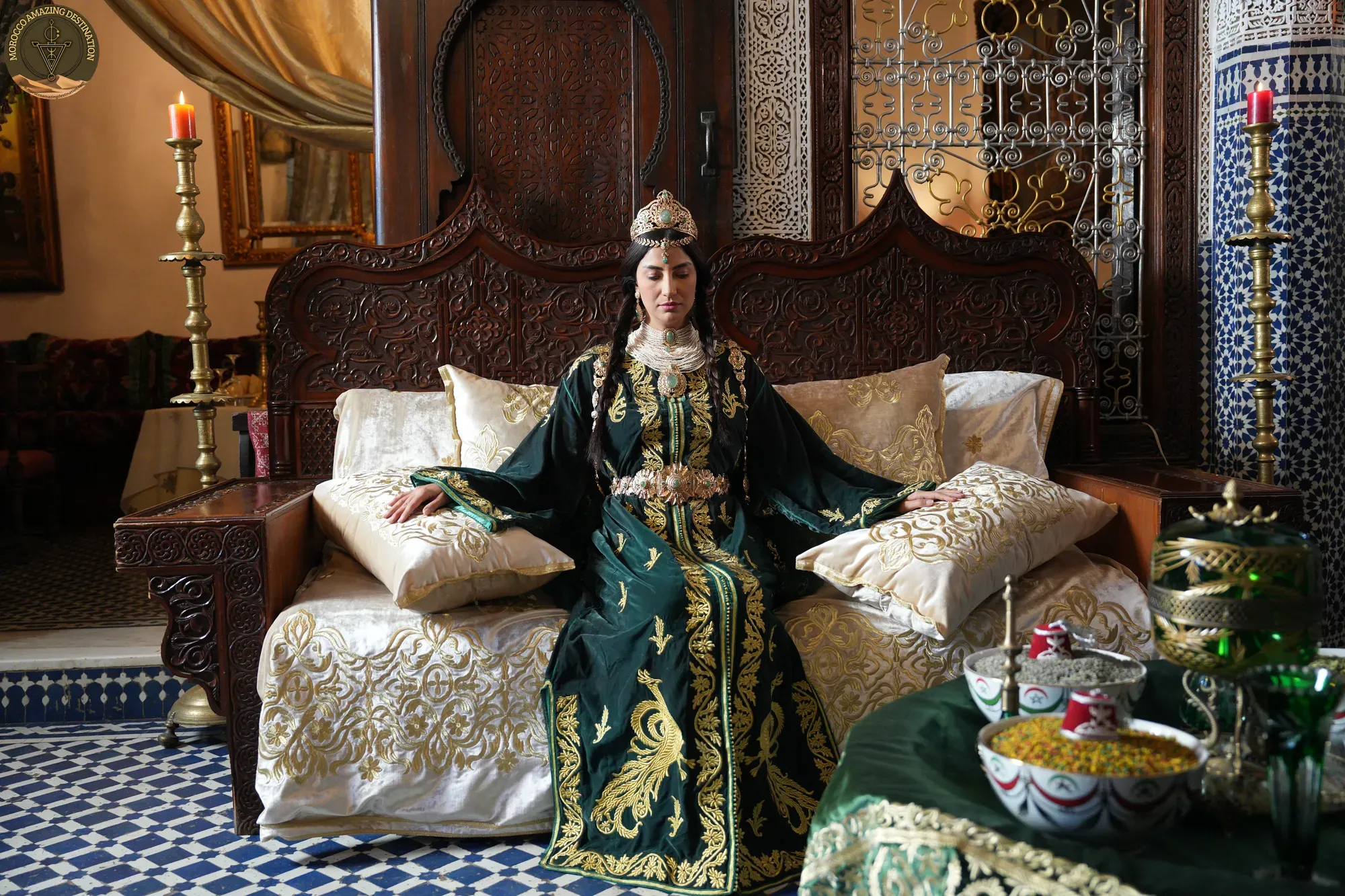
Think loose linen, long skirts or trousers, and layers for cold desert nights. City dress ranges from jellabas to jeans, so you will blend in with modest casual clothes. A light scarf earns its place: sun cover, wind guard, extra modesty on demand. Pack a swimsuit too; riads and coastal hotels usually keep pools.
- Light scarf: works for sun, wind and mosque-area modesty.
- Long layers: linen trousers and a midi skirt handle medinas and restaurants.
- Warm fleece: desert nights and Atlas passes turn cold after sunset.
- Closed walking shoes: cobbles and souk alleys punish thin sandals.
For outfits by season and setting, see our Morocco dress code guide and women’s travel guide.
Haggling Is Expected - How the Souks Really Work
Newcomers often fear that bargaining insults the seller. Inside the souk, the opposite holds: quoting a first price starts a game both sides enjoy. Sellers expect the dance, and many enjoy it more than the sale. A smile and a counteroffer open more doors than walking away in silence.
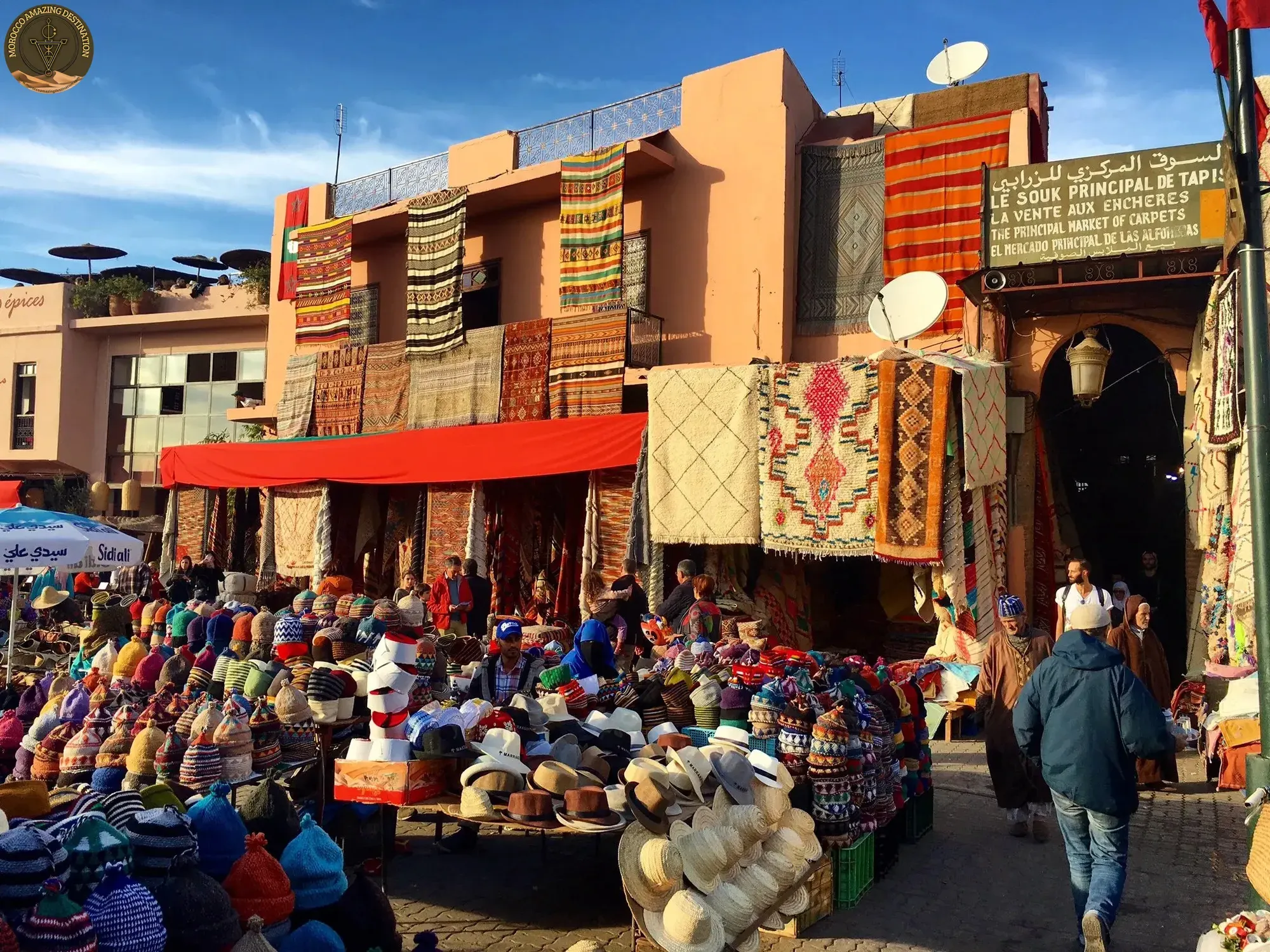
Keep three moves in mind. Let the seller name the first price. Counter calmly at roughly half to two-thirds, and know your walk-away number before you start. Your first offer can feel low; that is normal. Haggle only for pieces you truly want, and keep the tone warm throughout. Tea often appears mid-negotiation; accept it, sip slowly, keep chatting.
With practice the exchange feels like friendly conversation. Our full haggling guide for Moroccan souks walks through openers, numbers and polite exits.
Once these five myths fall away, planning turns fun. The real Morocco feels welcoming, varied and easy to navigate with a local team beside you. Both routes below run private with a local driver-guide from pickup to farewell. To taste desert, gorges and coast in one loop, try our 8-Day Morocco Tour from Marrakech to Essaouira via the Sahara. For the full circuit with Chefchaouen and the imperial cities, the 12-Day Morocco Grand Tour covers it privately with hand-picked riads.
We can customize a tour to match your needs - design your perfect itinerary
If you found this helpful, add us as your preferred source on Google.
Frequently Asked Questions
Is Morocco safe for first-time visitors?
Yes. Violent crime against visitors is rare. Use normal city habits: carry small cash, keep valuables out of sight, take official taxis, and avoid empty lanes at night. A private driver-guide removes most remaining friction.
Do women need to wear a headscarf in Morocco?
No. Non-Muslim women are not required to cover their hair. Modest dress that covers shoulders and knees earns respect in towns and religious sites, and a light scarf helps with sun and wind.
Are Moroccans Arab or Berber?
Both and more. Morocco blends Arab and Amazigh (Berber) heritage, with Arabic and Tamazight as official languages and French widely used. Jewish history and village Amazigh culture add further layers.
Is haggling rude in Moroccan souks?
No, it is expected. Sellers quote a first price and enjoy the exchange. Counter calmly, know your walk-away number, haggle only for items you truly want, and keep it friendly.
Ready for an Adventure?
Have questions? Feel free to contact us using the form below. We're here to help!