· Travel · 4 min read
Why Is Morocco Dangerous? Debunking Myths About Morocco's Safety
Is Morocco actually dangerous for tourists? Discover the truth behind common safety concerns and learn why Morocco remains one of North Africa's safest destinations.
You’ve probably heard whispers or read headlines suggesting that Morocco is dangerous. Maybe you’re wondering if those sensational stories about scams, harassment, or political instability are true. Perhaps you’re hesitating to book that dream trip to Marrakech or the Sahara Desert because of safety concerns.
Here’s the truth: Morocco is not dangerous for tourists. In fact, it’s one of the safest countries in North Africa for international visitors. But let’s address the myths head-on and separate fact from fiction.
The Reality Behind “Why Is Morocco Dangerous?”
When people ask “why is Morocco dangerous?” they’re often responding to outdated information, isolated incidents blown out of proportion, or confusion with other regions entirely. Morocco has maintained political stability for decades and actively protects its tourism industry—the country’s second-largest economic sector.
The Moroccan government invests heavily in tourist safety, with dedicated tourist police in major cities, well-maintained infrastructure, and strict regulations for tour operators. Millions of tourists visit Morocco safely every year, including solo travelers, families, and elderly visitors.
Common Safety Concerns—And The Truth
Petty Scams and Overcharging
The concern: Tourists get scammed by fake guides, overcharged at markets, or tricked into paying for unwanted services.
The reality: Like any popular tourist destination, Morocco has opportunistic individuals who target visitors. However, these are rarely dangerous situations—they’re more annoying than threatening.
How to handle it:
- Always agree on prices before accepting services
- Use licensed guides (look for official badges)
- Learn basic Arabic or French phrases to show you’re informed
- Walk away confidently if pressured
Harassment and Unwanted Attention
The concern: Women travelers face constant catcalling, unwanted advances, or harassment.
The reality: While some women do experience verbal comments or attention, serious harassment is uncommon. Moroccan culture values hospitality, and most locals are respectful of tourists.
How to handle it:
- Dress modestly (shoulders and knees covered)
- Avoid walking alone at night in unfamiliar areas
- Stay confident and ignore unwanted attention
- Consider joining group tours for added security
Political Instability and Terrorism
The concern: Morocco faces political unrest or terrorist threats that endanger tourists.
The reality: Morocco has been remarkably stable compared to other North African nations. The government maintains strong counter-terrorism measures and intelligence operations. There haven’t been significant terrorist incidents targeting tourists in recent years.
The facts:
- Morocco ranks as “Medium Risk” by most travel advisories—similar to many European countries
- Tourist areas receive extra security attention
- The country cooperates closely with international security agencies
Health and Sanitation Issues
The concern: Poor sanitation, contaminated water, or inadequate medical facilities put tourists at risk.
The reality: Major tourist cities have good healthcare facilities and clean accommodations. While tap water isn’t recommended for drinking, bottled water is readily available everywhere.
Precautions:
- Drink only bottled or filtered water
- Choose reputable restaurants with good hygiene
- Carry basic medications for stomach issues
- Ensure your travel insurance covers medical emergencies
Safest Places to Visit in Morocco
Some destinations are particularly safe and welcoming for tourists:
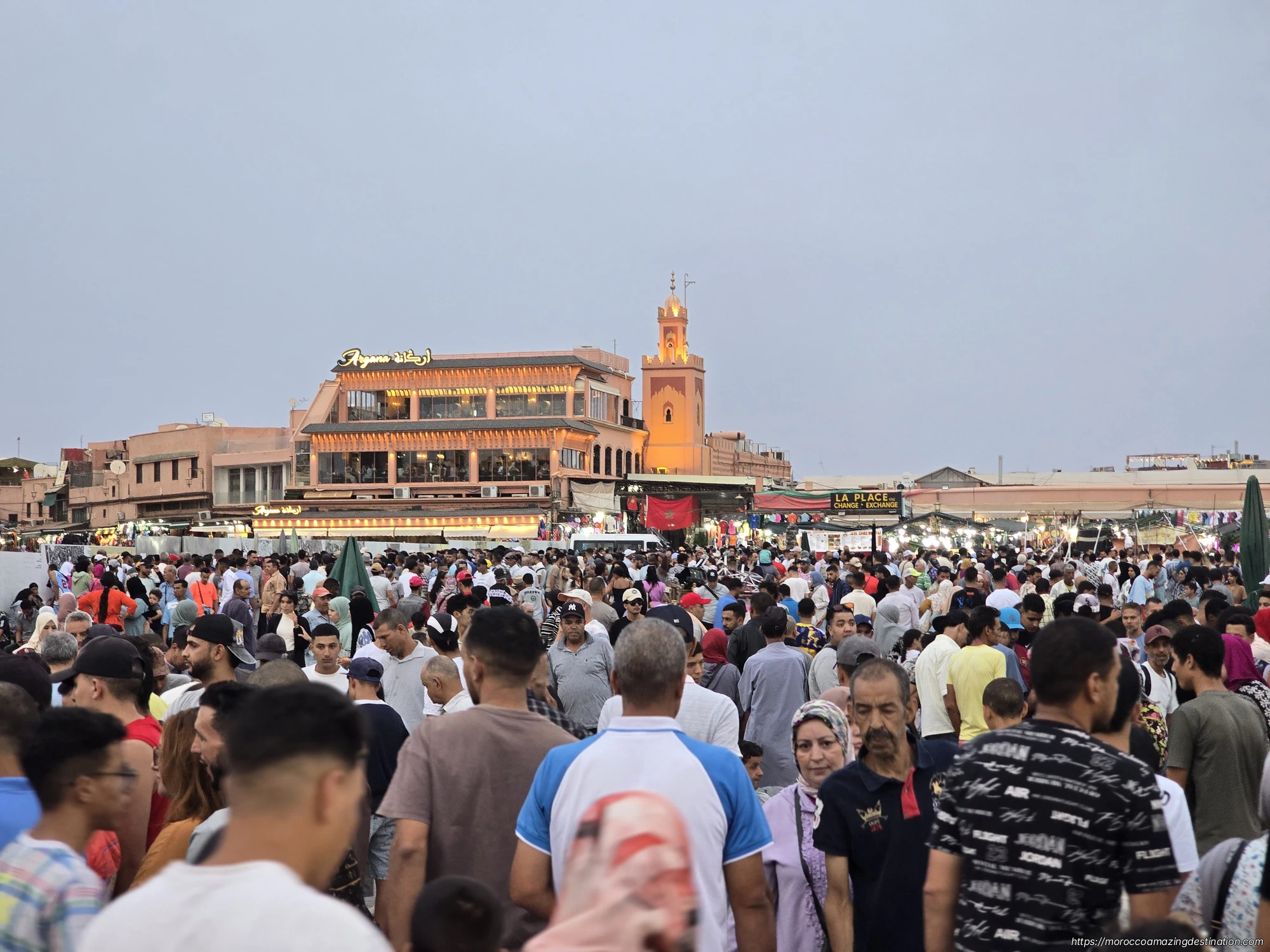
Marrakech: The most visited city has extensive tourist infrastructure, English-speaking staff, and dedicated security in the medina and Jemaa el-Fnaa square.
Fes: This historic city offers guided tours through its famous medina, with regular police patrols in tourist areas.
Chefchaouen: Known as the Blue City, this mountain town is peaceful, relaxed, and considered one of Morocco’s safest destinations for solo travelers.
Sahara Desert (Merzouga): Organized desert tours provide secure transportation, experienced guides, and comfortable desert camps with all necessary amenities.
Essential Safety Tips for Morocco
Even though Morocco is safe, smart travel practices always help:
- Keep valuables secure – Use hotel safes and money belts for important documents
- Respect local customs – Dress modestly and understand cultural norms
- Use reputable services – Book tours and accommodations through established companies
- Stay connected – Keep your phone charged and share your itinerary with someone
- Trust your instincts – If a situation feels uncomfortable, remove yourself politely but firmly
The Bottom Line: Morocco Is Safe
So, is Morocco dangerous? The answer is a resounding no. Morocco welcomes millions of tourists annually with open arms and robust safety measures. The country’s reputation for hospitality isn’t just marketing—it’s deeply embedded in Moroccan culture.
By understanding the actual risks (which are minimal) versus the myths, you can travel confidently and enjoy everything Morocco has to offer: vibrant markets, ancient medinas, stunning landscapes, and warm, welcoming people.
Don’t let unfounded fears keep you from experiencing one of the world’s most fascinating destinations. With basic precautions and common sense, your Moroccan adventure will be both safe and unforgettable.
If you’re ready to experience Morocco’s beauty safely, consider our 4-day Marrakech to Fes desert tour which takes you through the High Atlas Mountains, Ait Ben Haddou, and includes a magical night in a luxury Merzouga desert camp.
For a shorter adventure, our 3-day trip from Marrakech to Merzouga offers the perfect introduction to Morocco’s diverse landscapes with professional guides ensuring your safety throughout the journey.
If you found this helpful, add us as your preferred source on Google.
Frequently Asked Questions
Is Morocco actually dangerous for tourists?
No, Morocco is generally very safe for tourists. The country has low crime rates against visitors and prioritizes tourist safety through dedicated police forces and infrastructure.
What are the most common safety concerns in Morocco?
Common concerns include petty scams in tourist areas, occasional harassment (especially for solo women), and cultural misunderstandings. However, these are manageable with basic precautions.
Are desert tours in Morocco safe?
Yes, organized desert tours to places like Merzouga are highly regulated and safe. Reputable tour operators provide secure transportation, experienced guides, and proper accommodations.
Is it safe to explore Moroccan medinas alone?
While medinas are generally safe, they can be confusing to navigate. Consider hiring a local guide initially, stay in well-populated areas, and avoid narrow alleys after dark.
Ready for an Adventure?
Have questions? Feel free to contact us using the form below. We're here to help!