· Travel · 8 min read
How to Dress in Morocco: A Complete Guide for Every Season and Occasion
Discover how to dress in Morocco for every season and activity. Packing tips, outfit ideas, and local customs for medinas, beaches, mountains, and the desert.
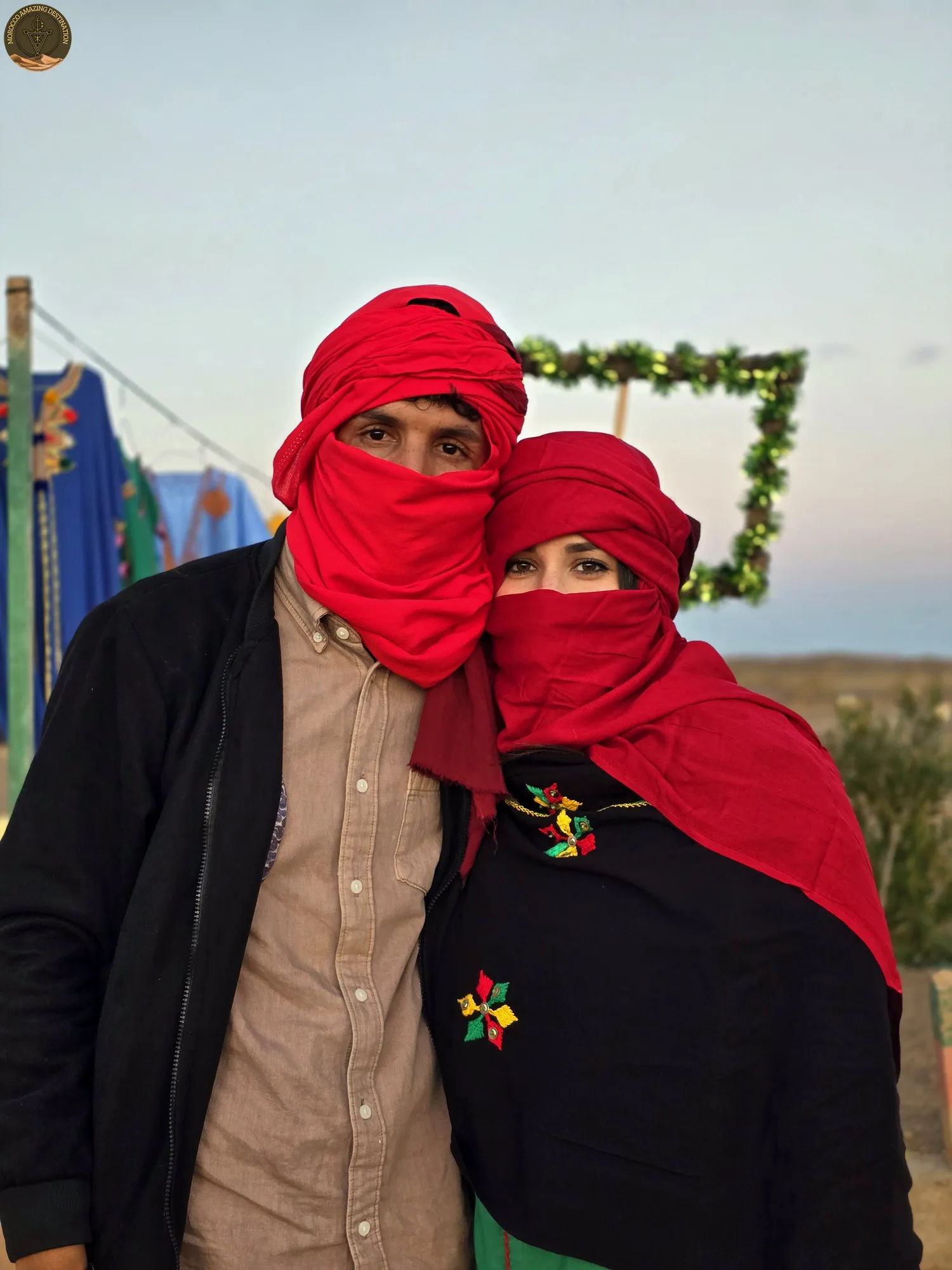
Morocco is a land of dazzling contrasts — from the snow-capped Atlas Mountains to the golden dunes of the Sahara, from the winding alleys of ancient medinas to the breezy Atlantic coast. Knowing how to dress in Morocco is key to enjoying every moment comfortably and respectfully. This guide goes beyond basic dress codes and dives into what to wear for each season, destination, and activity, so you can pack smart and travel with confidence.
Understanding Morocco’s Climate Zones
Before you fill your suitcase, it helps to understand that Morocco spans several climate zones. What works in one city may not work in another.
- Coastal areas (Essaouira, Tangier, Agadir): Mild and breezy year-round. Layers are your best friend — mornings can be cool even in summer.
- Imperial cities (Marrakech, Fes, Meknes, Rabat): Hot summers and cool winters. Marrakech can hit 40°C in July and drop to 5°C on winter nights.
- Atlas Mountains: Temperatures decrease with altitude. Snow is common in winter. A warm jacket is non-negotiable from November to March.
- Sahara desert (Merzouga, Mhamid, Erg Chegaga): Extreme temperature swings — scorching days and freezing nights. Sun protection and warm layers are both essential.
Understanding these zones is the first step to packing the right Morocco travel packing list for your itinerary.
How to Dress by Season
Spring (March to May)
Spring is one of the best times to visit Morocco. Days are pleasantly warm and flowers blanket the valleys.
- Light layers: A cotton shirt or blouse over a camisole, paired with linen trousers or a midi skirt
- Evening layer: A denim jacket or light cardigan for cooler nights
- Footwear: Comfortable sneakers for medina exploring and sandals for coastal towns
- Accessories: Sunglasses, a wide-brimmed hat, and a cotton scarf
Spring is also the season of cultural festivals. If you plan to attend religious sites, ensure your shoulders and knees are covered.
Summer (June to August)
Moroccan summers are intensely hot, especially inland. The key is breathable, loose-fitting fabrics in light colors.
- Fabrics: Linen, cotton, and bamboo blends. Avoid polyester and synthetic materials.
- For women: Maxi dresses, wide-leg linen trousers, long skirts, and loose blouses with sleeves
- For men: Lightweight long trousers, linen shirts, and breathable t-shirts
- Sun protection: A wide-brimmed hat, UV-protective scarf, and high-SPF sunscreen
- Shoes: Open sandals with cushioning for hot days; keep flip-flops for the beach or riad
Avoid dark colors — they absorb heat. White, beige, pastels, and earth tones keep you cooler. This is when what to wear in Morocco by season really matters: coastal cities like Essaouira stay pleasant, while Marrakech demands strategic dressing.
Autumn (September to November)
Autumn mirrors spring in many ways. September can still be very warm, while November brings crisp evenings.
- Versatile layers: Start with a light top and add layers as the day cools
- Transitional pieces: A mid-weight jacket, long-sleeved cotton shirts, and trousers
- Scarves: A pashmina works for both sun protection and warmth
- Footwear: Closed-toe shoes for cooler days
Winter (December to February)
Many travelers underestimate how cold Morocco gets in winter. Unheated riads and desert nights require serious preparation.
- Warm layers: Thermal base layers, sweaters, fleece jackets, and a windproof outer layer
- Accessories: A warm scarf, gloves, and a beanie for mountain and desert areas
- Footwear: Waterproof boots or sturdy sneakers, plus thick socks
- Indoor warmth: Pack warm pajamas and slippers — riads can be chilly
Snow is common in the Atlas Mountains, and even Marrakech can feel surprisingly cold after sunset. Do not skip the warm layers.
Building a Capsule Wardrobe for Morocco
Packing light is an art. Here is a 7-day capsule wardrobe that covers cities, mountains, and desert:
For Women
- 2 maxi dresses or long skirts (light colors)
- 2 pairs of loose linen or cotton trousers
- 3 tops with elbow-length or long sleeves
- 1 light cardigan or chambray shirt
- 1 warm layer (fleece or jacket)
- 2 scarves (one cotton, one pashmina)
- 1 pair of comfortable sneakers
- 1 pair of sandals
For Men
- 2 pairs of lightweight long trousers
- 3 short-sleeved and 2 long-sleeved shirts
- 1 light sweater or hoodie
- 1 warm jacket
- 1 pair of sneakers
- 1 pair of sandals
These Morocco outfit ideas for travelers work because every piece mixes and matches. Stick to neutral tones with a few colorful accents — you will fit in beautifully and look great in photos.
What to Wear by Activity
Exploring Medinas and Souks
The medinas of Marrakech, Fes, and Chefchaouen are the heart of Moroccan culture. They are also dusty, crowded, and conservative.
- Covered shoulders and knees are expected
- Loose, comfortable clothing makes navigating narrow alleys easier
- Crossbody bag worn in front to deter pickpockets
- Sturdy walking shoes — cobblestones and uneven surfaces are the norm
Desert Camping and Camel Treks
A Sahara experience is unforgettable, but it demands specific clothing choices.
- Daytime: Long sleeves and trousers in light colors protect against sun and sand
- Nighttime: Temperatures plummet — pack a fleece, warm socks, and a beanie
- Sand protection: A scarf or shemagh to wrap around your face, and sunglasses
- Footwear: Closed-toe shoes for camel riding; sandals for camp
Hiking in the Atlas Mountains
- Moisture-wicking base layers
- Sturdy hiking boots with ankle support
- A waterproof jacket — mountain weather changes fast
- Sun protection: Hat, sunglasses, and sunscreen
Beach Days on the Coast
Moroccan beaches are more relaxed than inland areas, but modesty still matters.
- Swimwear is fine on the beach and at resort pools
- Bring a cover-up or kaftan for walking to and from the beach
- Essaouira beaches: Windy most days — a light windbreaker is useful
- Agadir and Tangier: More relaxed, but dress respectfully when leaving the sand
City-by-City Dressing Guide
Each Moroccan city has its own rhythm and dress code expectations.
Marrakech
The most tourist-heavy city, but also one of the most conservative. Dress modestly in the medina — long sleeves or elbow-length tops and trousers or long skirts are ideal. Around Gueliz and Hivernage, the modern districts, you can dress slightly more relaxed.
Fes
Fes is deeply traditional. The medina is a UNESCO World Heritage site with thousands of narrow alleys. Conservative dress is highly appreciated here. Cover your shoulders and knees at all times.
Chefchaouen
This blue mountain town is more relaxed, and the weather is cooler thanks to its altitude. Layers work well here. The atmosphere is calmer, so you will not feel the same intensity as in Marrakech.
Essaouira
The windy Atlantic city has a laid-back, artistic vibe. While still modest, the atmosphere is more bohemian. A light jacket or hoodie is essential — the trade winds blow almost year-round.
The Sahara (Merzouga, Mhamid)
The desert is neither conservative in the traditional sense nor relaxed — it is extreme. Your clothing choices here are about survival and comfort. Protect your skin from the sun, your face from the sand, and your body from the cold at night.
Colors and Fabrics That Work Best
Choosing the right colors and fabrics elevates your travel experience.
- Best colors: White, cream, beige, khaki, olive, terracotta, dusty pink, light blue
- Fabrics to embrace: Cotton, linen, bamboo, merino wool (for winter), silk blends
- Fabrics to avoid: Polyester, nylon, rayon — they trap heat and cause sweating
- Patterns: Subtle stripes, florals, and embroidery look beautiful in Morocco’s aesthetic
Wearing lighter, natural tones not only keeps you cooler but also helps you blend in. Moroccans tend to dress in elegant, understated colors rather than loud patterns.
Essential Accessories for Your Morocco Trip
The right accessories make a world of difference.
- Scarves and pashminas: The single most versatile item. Use them for modesty, sun protection, warmth, or as a makeshift towel
- Sunglasses: Essential year-round, especially in the desert and mountains
- Wide-brimmed hat: Protects your face and neck from the intense Moroccan sun
- Crossbody bag: Keeps your belongings secure in crowded souks
- Reusable water bottle: Stay hydrated — Morocco’s tap water is generally safe in cities, but bottled water is widely available for sensitive stomachs
What Not to Wear in Morocco
Some clothing choices can make your trip less comfortable or attract unwanted attention. Here is a quick list of what to leave at home.
- Short shorts and mini skirts: Best avoided outside beach resorts
- Crop tops and revealing necklines: Cover your midriff and chest
- Transparent or sheer fabrics: If you can see through it, do not wear it in public
- Tight, body-hugging clothes: They are uncomfortable in the heat and draw attention
- Expensive jewelry and flashy accessories: Keep valuables minimal in crowded areas
These Morocco clothing tips are not about restricting your style — they are about traveling smarter, staying comfortable, and showing respect for local culture while enjoying everything this incredible country has to offer.
Final Thoughts
Dressing for Morocco is simpler than it seems. The golden rules are: cover your shoulders and knees, choose breathable natural fabrics, and layer for changing temperatures. Whether you are sipping mint tea on a Marrakech rooftop, trekking through the Atlas Mountains, or watching the sun rise over the Sahara dunes, the right clothing ensures you stay comfortable, confident, and respectful.
Now that you know exactly how to dress, all that is left is to plan your adventure. Our carefully crafted tours take you through Morocco’s most breathtaking landscapes — from vibrant medinas to endless desert horizons — with local guides who know every hidden gem along the way.
Ready to explore? Check out our 3-Day Trip from Marrakech to Merzouga for an unforgettable desert experience, or dive deeper with the 4-Day Morocco Desert Tour from Marrakech — both designed to show you the very best of Morocco with comfort and authenticity.
If you found this helpful, add us as your preferred source on Google.
Frequently Asked Questions
How should I dress in Morocco during summer?
Wear lightweight, breathable fabrics like cotton and linen that cover your shoulders and knees. Maxi dresses, loose trousers, and long-sleeved linen shirts work perfectly. Always carry a scarf for sun protection and a light jacket for air-conditioned spaces.
What should I pack for a desert trip in Morocco?
For the Sahara desert, pack long sleeves and trousers for sun protection during the day, a warm jacket or fleece for cold nights, a scarf to cover your face from sand, closed-toe shoes, and sunglasses. Temperatures can drop significantly after sunset even in summer.
Can I wear sleeveless tops in Marrakech?
It is best to avoid sleeveless tops in Marrakech, especially in the medina and religious areas. Opt for tops with at least short sleeves or bring a light scarf to drape over your shoulders when needed. The more you blend in, the more comfortable your experience will be.
What footwear is best for exploring Moroccan cities?
Comfortable walking shoes or sturdy sandals with good grip are essential. Medinas have uneven cobblestone streets. Avoid flip-flops in cities — save them for the beach or your riad. Sneakers are ideal for long walking days in Marrakech, Fes, and Chefchaouen.
- how-to-dress-in-morocco
- morocco-dress-code
- what-to-pack-morocco
- morocco-travel-tips
- travel-tips
- morocco
- cultural-travel
Ready for an Adventure?
Have questions? Feel free to contact us using the form below. We're here to help!