· Travel · 9 min read
Morocco Haggling Tips: The Ultimate Guide to Bargaining in Moroccan Souks
Master the art of haggling in Moroccan souks with our expert guide. Learn essential bargaining phrases, negotiation tactics, and cultural etiquette to score the best deals.
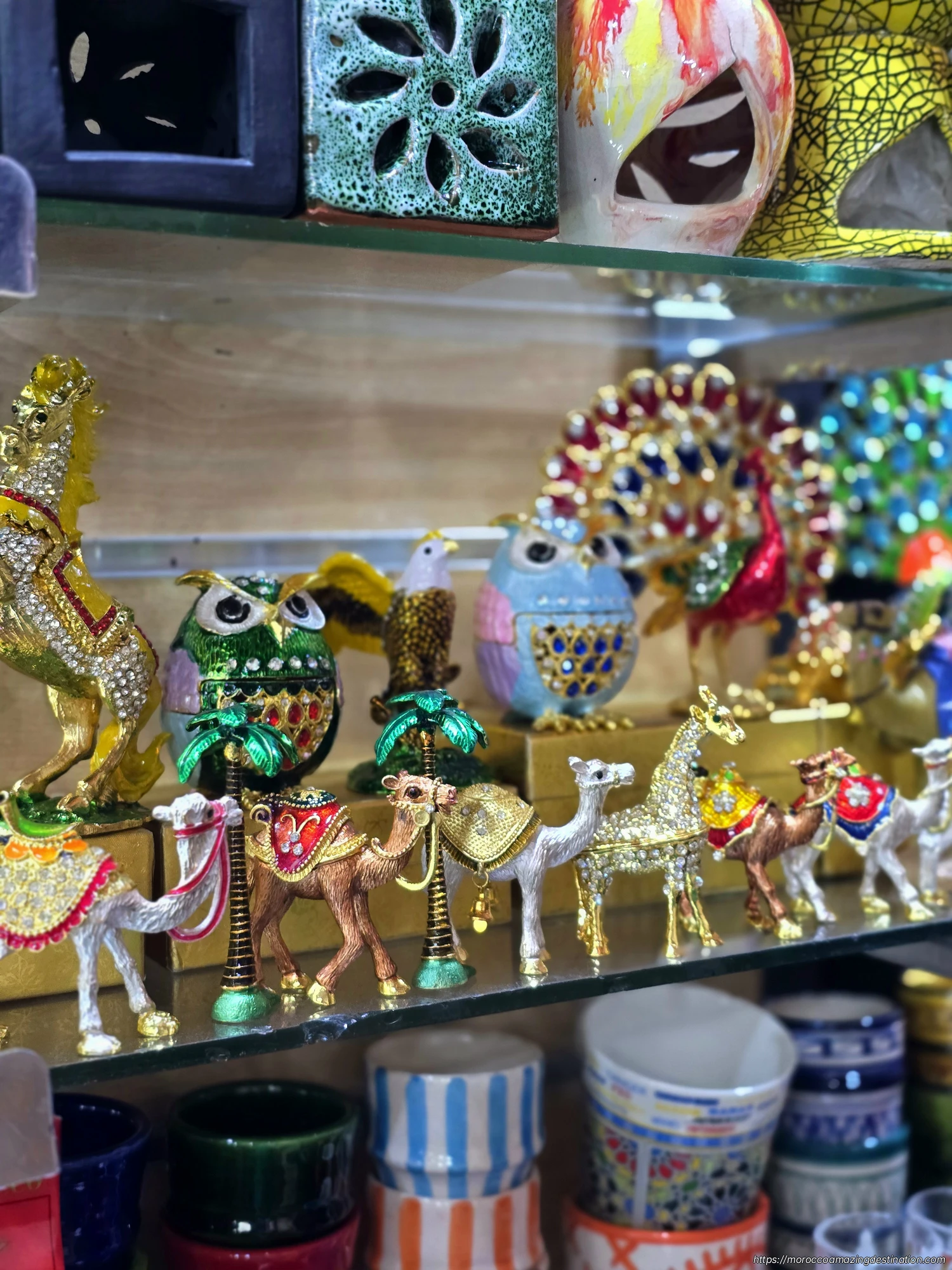
Walking into a Moroccan souk is like stepping into a living tapestry of colors, scents, and sounds. But for many travelers, the thought of haggling over prices can feel intimidating. Morocco haggling tips are not just about saving a few dirhams — they are your key to participating in a centuries-old cultural tradition. Understanding how to bargain in Morocco will transform you from a hesitant tourist into a confident negotiator who knows when to push, when to smile, and when to walk away.
Why Haggling Is Central to Moroccan Culture
Bargaining in a Moroccan souk is not just a transaction — it is a social ritual deeply woven into daily life. In Morocco, the souk is more than a marketplace; it is a gathering place where relationships are built over cups of mint tea and friendly back-and-forth.
Moroccan market bargaining reflects the country’s trading heritage. Historically, the medina was the commercial heart of every city, and the price of goods was never fixed. Instead, it emerged from the rhythm of conversation between buyer and seller. Today, this tradition continues. When a vendor hands you a carpet or a ceramic bowl, they are not just selling you an object — they are inviting you into a dance that has been performed for generations.
Understanding this cultural context is the first of all Morocco haggling tips you need. If you walk into a souk expecting Western-style fixed prices, you will either overpay or miss out on one of the most authentic experiences Morocco has to offer.
The Psychology of Negotiation in the Medina
At its core, Moroccan souk negotiation is about mutual respect. A vendor who enjoys the haggling process is more likely to give you a good price. If you are aggressive, impatient, or dismissive, the negotiation shuts down and everyone loses. The best deals happen when both parties feel they have won.
Where to Haggle (and Where Not To)
Knowing where to apply your Morocco haggling tips is just as important as knowing how. Morocco is a country of contrasts, and its commercial landscape is no different.
Souks and Medinas — The Bargaining Playground
In traditional souks and medinas, haggling is not only accepted but expected. This applies to:
- Handicrafts: ceramics, leather goods, metal lanterns, textiles, and carpets.
- Spices and argan oil: small stalls in the spice souks.
- Clothing and babouches: traditional Moroccan slippers.
- Jewelry: both silver Berber pieces and modern designs.
- Souvenirs: postcards, magnets, and small trinkets.
The rule is simple: if there is no visible price tag, bargaining is on the table. Even if there is one, a polite inquiry can sometimes open the door to negotiation.
Fixed-Price Shops — When to Skip the Negotiation
Not every purchase requires your new Morocco market bargaining skills. Here is where to pay the listed price without haggling:
- Government-regulated shops: Ensembles Artisanaux and other state-run craft centers have fixed, fair prices. Haggling is inappropriate here.
- Pharmacies and grocery stores: prices are fixed nationwide.
- Restaurants and cafés: menu prices are final. Tipping is separate, voluntary, and appreciated.
- Museums, hammams, and official guides: these services have set rates.
- Supermarkets and malls: modern retail operates on fixed pricing.
Knowing the difference between these two worlds is one of the most practical Morocco haggling tips you can carry with you.
How to Bargain in Morocco: A Step-by-Step Guide
Ready to put your skills to the test? Here is a proven strategy for how to bargain in Morocco effectively and respectfully.
1. Start with a Smile and Salam
Before any money changes hands, build rapport. Greet the vendor with “Salam alaykum” (peace be upon you) and a genuine smile. Ask how they are doing. Accept the mint tea if it is offered — refusing it can be seen as rude, and the ritual itself sets a friendly tone for the negotiation.
2. Browse and Show Interest — Do Not Rush
Take your time browsing the stall. Pick up items, admire the craftsmanship, and ask questions. Vendors appreciate genuine interest and are more likely to offer a fair price to a respectful customer. Rushing through the process signals disinterest and rarely results in a good deal.
3. Ask the Price — Then Stay Silent
When you pick up an item you are interested in, ask “Bshhal hada?” (How much is this?). Once the vendor names a price, pause. A moment of silence is a powerful tool. It signals that you are considering the offer — and it often prompts the vendor to immediately lower the price without you saying a word.
4. Counter with Half — and Let the Dance Begin
This is the heart of Moroccan souk negotiation. Offer around 40 to 50 percent of the initial asking price. The vendor will likely laugh, act offended, or gesture dramatically — this is all part of the performance. Do not take it personally. Counter with a slightly higher offer, and let the back-and-forth unfold naturally.
The key is to move up in small increments. If the vendor drops by 50 dirhams, raise your offer by 10 or 20. The slower your increases, the easier it is to reach a good middle ground.
5. Know Your Walk-Away Price
Before you start, decide the maximum you are willing to pay. This is your walk-away price. If the vendor will not meet it, smile, say “La, shukran” (No, thank you), and begin to leave.
Walking away is the single most powerful tactic in Morocco market bargaining. Nine times out of ten, the vendor will call you back with a lower price. If they do not, you have found their bottom line — and you can either accept it or genuinely move on.
6. The Final Price and the Handshake
Once you agree on a price, seal the deal with a handshake. Pay in exact change if possible, and thank the vendor warmly. At this point, do not try to renegotiate — the deal is done. A friendly goodbye leaves both parties happy and often leads to the vendor showing you their other products at friendlier prices.
What to Buy and Fair Price Ranges
To apply your Morocco haggling tips effectively, it helps to know the approximate value of common items:
- Babouche slippers: 60–120 MAD for basic leather, 150–300 MAD for high-quality handmade pairs.
- Ceramic tagine pot: 40–80 MAD for a small cooking tagine, 100–200 MAD for a large decorative one.
- Argan oil: 50–100 MAD for a 100ml bottle of pure cosmetic-grade oil. Be wary of diluted versions sold at suspiciously low prices.
- Leather pouf: 150–300 MAD for a medium-sized, hand-stitched pouf.
- Berber carpet: 500–3,000 MAD depending on size, material, and knot density. For a genuinely handmade piece, expect to pay at least 1,000 MAD.
- Metal lantern: 50–150 MAD for a small lantern, 200–500 MAD for larger, intricate designs.
- Spices: 10–30 MAD per 100g for common spices like cumin and paprika. Saffron is significantly more expensive — quality Moroccan saffron typically costs 30–50 MAD per gram.
These are approximate benchmarks for shopping in the Moroccan medina and can vary by city, season, and tourist density. Marrakech tends to be pricier than Fes, which in turn is pricier than smaller towns like Tafraoute or Sidi Ifni.
Common Haggling Mistakes to Avoid
Even experienced travelers fall into these traps. Learning how to bargain in Morocco means knowing what not to do.
- Starting too high: if your first counter-offer is 80 percent of the asking price, you have already lost the negotiation. Start low — you can always go up.
- Showing too much enthusiasm: if the vendor sees you are in love with an item, your bargaining power evaporates. Stay calm and neutral, even if you desperately want the piece.
- Haggling for tiny amounts: negotiating over a 5-dirham difference on a 20-dirham item can come across as disrespectful. Pick your battles and focus on higher-value purchases.
- Getting angry or aggressive: Moroccan haggling is a friendly game. If you lose your temper, you lose the deal and possibly the respect of the entire stall-lined alley.
- Forgetting to carry small bills: paying a 200-dirham note for a 50-dirham item after a long negotiation can be awkward. Vendors may not have change, so carry a mix of 20, 50, and 100 dirham notes.
- Comparing prices out loud: shouting “I saw this cheaper down the street” is aggressive and rarely effective. A gentler approach — mentioning you have seen a similar item elsewhere — works better.
Essential Arabic Phrases for Souk Negotiation
Using a few words of Darija, the Moroccan dialect of Arabic, transforms the experience. It signals respect and effort, and vendors genuinely appreciate it. Here are the phrases every savvy shopper needs:
| English | Darija (Moroccan Arabic) |
|---|---|
| Hello / Peace be upon you | Salam alaykum |
| How much is this? | Bshhal hada? |
| It is too expensive | Ghali bzzaf |
| Lower the price a little | Nqss shwiya |
| What is your last price? | Akhir taman? |
| No, thank you | La, shukran |
| Maybe / We will see | Yemken |
| It is beautiful | Zwin / Zwina |
| For me / For a friend | Liya |
Do not worry about perfect pronunciation. The effort itself is what counts, and Moroccans are famously encouraging of visitors who try to speak their language.
Embrace the Game
Learning how to bargain in Morocco is about shifting your mindset. In the West, haggling can feel confrontational. In Morocco, it is playful, social, and deeply human. It is a conversation that can lead to a fair price, a new friend, and a story you will tell long after you return home.
The Morocco haggling tips in this guide are your foundation, but the real teacher is experience. Wander into the souk with an open heart, a sense of humor, and a bundle of small-dirham notes. You will walk out with more than a souvenir — you will walk out with a skill that will serve you across every medina in the country.
Now that you are armed with the best bargaining techniques, it is time to put them into practice. The legendary souks of Marrakech are the ultimate training ground. Our 4-Day Morocco Desert Tour from Marrakech begins in the Red City, giving you plenty of time to explore its world-famous markets before heading into the Sahara. For a shorter but equally immersive journey, the 3-Day Trip from Marrakech to Merzouga combines the magic of the medina with the wonder of the desert.
If you found this helpful, add us as your preferred source on Google.
Frequently Asked Questions
Is haggling expected in Moroccan souks?
Yes, haggling is an integral part of Moroccan market culture. Unlike Western fixed-price shops, bargaining in a souk is a social ritual and a sign of engagement. Vendors expect negotiation and often set initial prices with the assumption that customers will haggle. Approaching it with a smile and patience turns it into an enjoyable cultural exchange.
How much should I offer when bargaining in a Moroccan souk?
A good starting point is to offer around 40 to 50 percent of the initial asking price. From there, you and the vendor will go back and forth until you meet somewhere in the middle. The final fair price typically settles at about 60 to 70 percent of the original quote, depending on the item and your negotiation skills.
Is it rude to walk away when negotiating in Morocco?
Walking away is not rude — it is a legitimate and often effective bargaining tactic in Moroccan souks. If the price is not right, politely decline, smile, and start to walk away. Often the vendor will call you back with a lower price. If they do not, it means you have likely hit their bottom price, and you can decide whether to accept or move on.
What are the best Arabic phrases for haggling in Morocco?
Key Darija phrases include - "Bshhal hada?" (How much is this?), "Ghali bzzaf" (Too expensive), "Nqss shwiya" (Lower the price a little), "Akhir taman?" (Last price?), and "La, shukran" (No, thank you). Using even a few words of Arabic shows respect and often results in warmer negotiations and better deals.
Ready for an Adventure?
Have questions? Feel free to contact us using the form below. We're here to help!