
· Food · 5 min read
Where to Eat Bastilla in Casablanca: A Local's Guide
Where to eat bastilla in Casablanca: what this sweet-savoury pie is, its seafood style, and the areas to try it, then build it into your trip.
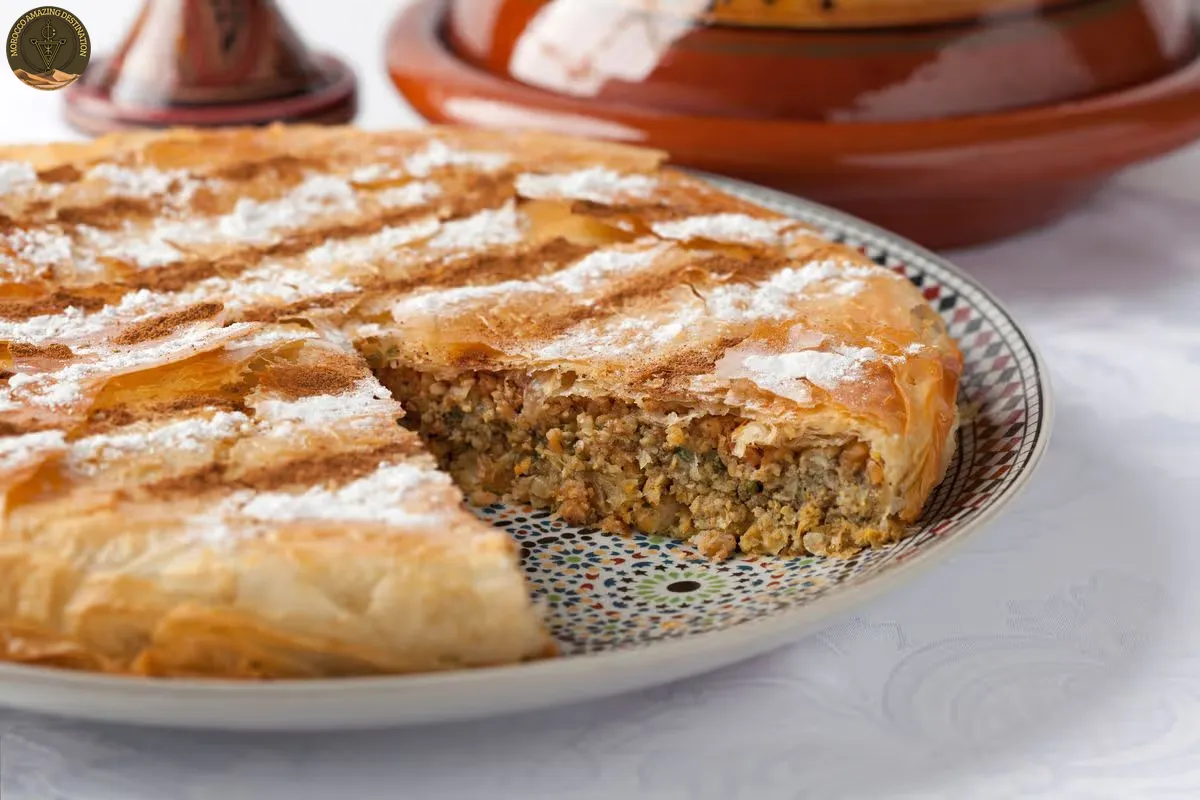
Bastilla arrives under a snowfall of icing sugar and cinnamon, looking like a dessert and eating like dinner. Where to eat bastilla in Casablanca depends on which version you are after: the classic sweet-savoury pie, or the spicy seafood one that belongs to an Atlantic port city. The short answer: classic versions cluster around the old medina and the downtown centre, the Habous quarter pairs traditional pastry shops with classic Moroccan kitchens, and the Corniche at Aïn Diab is where seafood pastilla makes the most sense.
In this guide, we will break down what bastilla actually is, the styles you will meet in Morocco, how the city’s eating districts differ, and how to order it without guesswork.
What Bastilla Is — Morocco’s Sweet-Savoury Pie
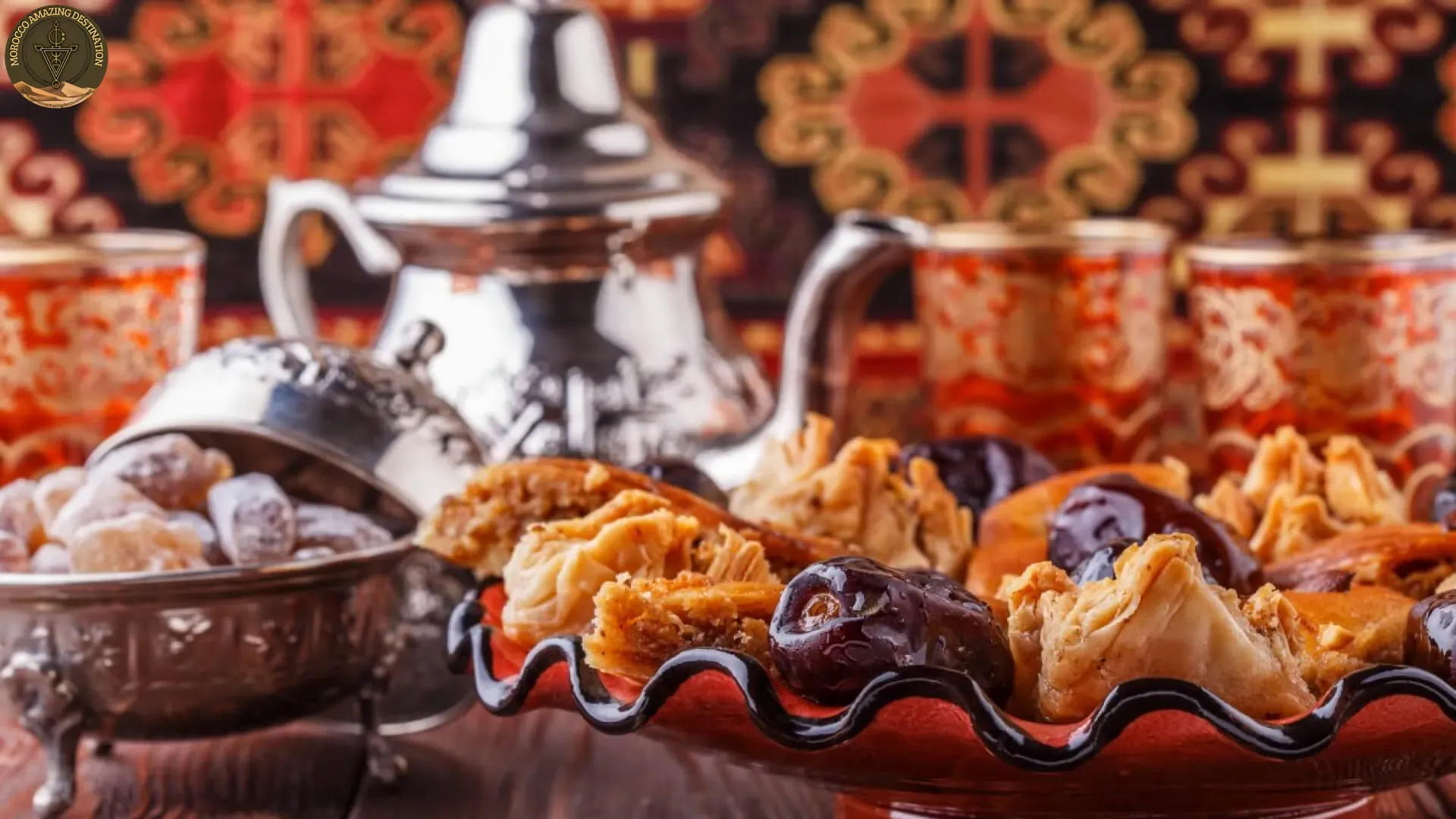
Bastilla, also written b’stilla or pastilla, is Morocco’s great sweet-savoury pie. Paper-thin warqa pastry is layered around a filling, brushed with butter or oil, then baked until it crackles. The pastry is the hard part, stretched by hand until it turns translucent. Across the border in Algeria and Tunisia, the same pastry sheet is called malsouka and the dish works differently.
The classic build starts with pigeon, although chicken is now standard. The meat is shredded and spiced with cinnamon, ginger, turmeric and saffron, sometimes preserved lemon, then folded with caramelised onions, lemony scrambled egg and crushed fried almonds. Icing sugar and cinnamon go on top, which is why first-timers assume they ordered dessert.
Where it comes from is genuinely unsettled. Historians disagree: some trace it through Andalusian and Moorish cooking, others to a Tetouan route tied to warqa pastry, and a Turkish etymology is also proposed. What is clear is that this bastilla Moroccan dish belongs to kitchens across the country, not to Casablanca alone.
Moroccan Bastilla Styles: Pigeon, Chicken, Seafood and Vegetarian
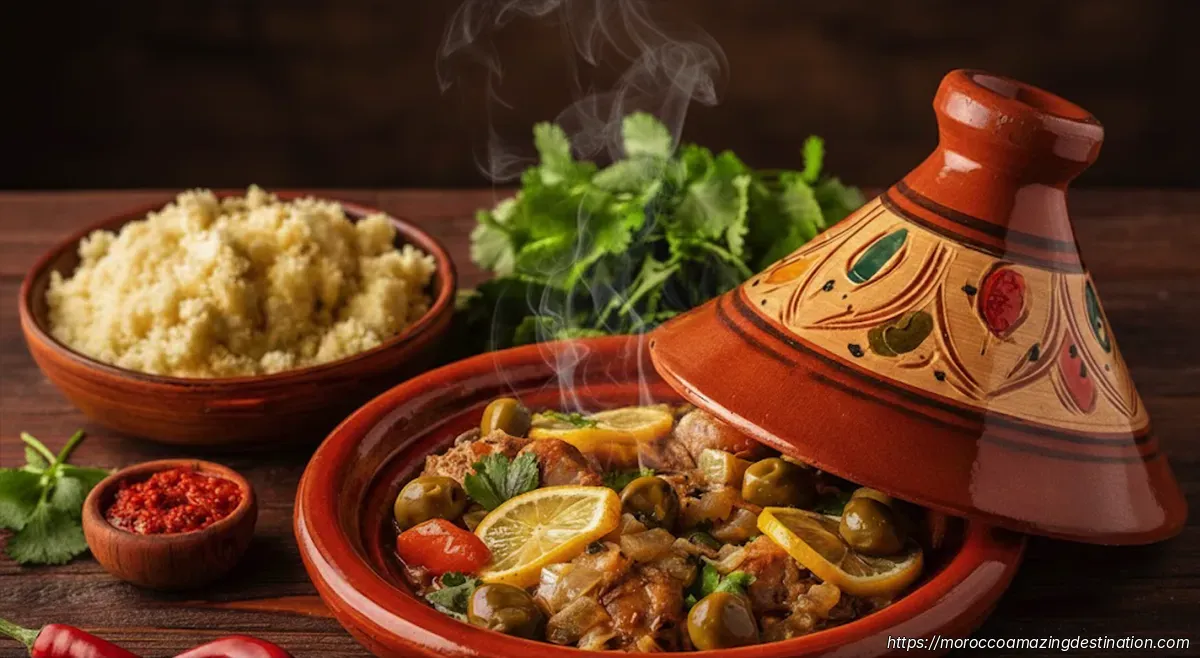
The name on the menu tells you less than you think. Bastilla is a technique: pastry, filling, sugar, cinnamon. The filling changes how the dish tastes. Ask which style is on before you commit, because the gap between a sweet chicken pie and a spicy fish one is wide. In practice, poultry is what most visitors meet first, and it is the safest order if you want the dish as Moroccans know it.
Key styles:
- Poultry, chicken or pigeon: the classic sweet-savoury version, heavy on onions and almonds.
- Seafood: fish, shrimp and calamari with chermoula and vermicelli; spicy, not sweet, sometimes finished with cheese and lemon.
- Vegetarian: modern kitchens build it on mushrooms, seitan, chickpeas or roast vegetables.
- Dessert jowhara: a sweet, milk-based Fassi variation, far less common and worth flagging when you see it.
Seafood pastilla is a coastal Atlantic speciality rather than a Casablanca invention. In a working port city, though, it is the version that feels most at home.
Where to Eat Bastilla in Casablanca: Medina, Centre and Corniche
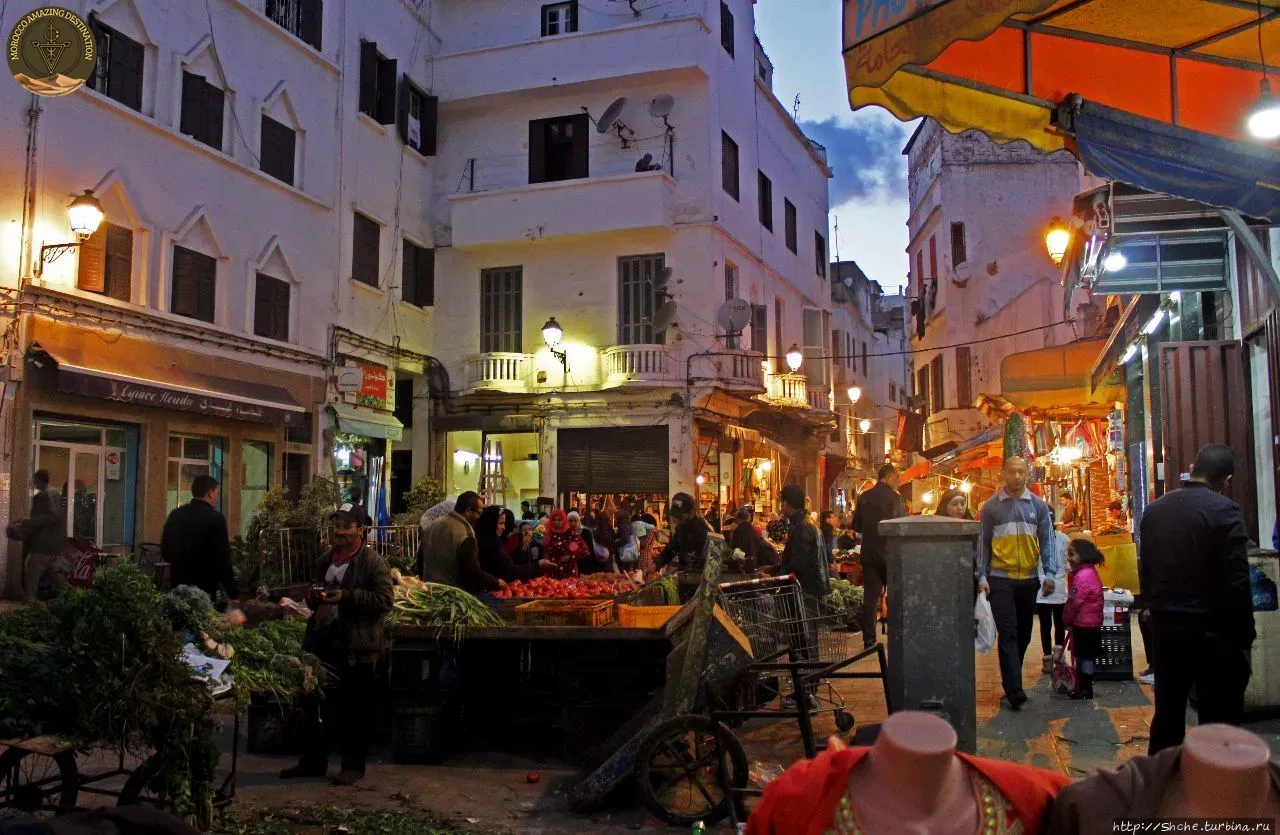
Casablanca is a working city rather than a museum piece, and its food geography follows that: historic quarters, a modern centre, and a seafront built for long dinners. Pastilla Casablanca restaurants cover all three, so where you sit shapes what arrives. Corniche kitchens lean on what the fishing boats bring in, which is why seafood pastilla earns its place there.
The four areas that matter:
- Habous: the planned “new medina” laid out in the protectorate era, full of traditional pastry shops and cafés with a classic-kitchen feel.
- Old medina and downtown centre: traditional Moroccan restaurants near Mohammed V Square and the Art Deco quarter, easiest for classic chicken or pigeon.
- Corniche and Aïn Diab: the Atlantic seafront, seafood-led, and the natural home of spicy seafood pastilla.
- Maarif and Gauthier: upmarket and modern, where bastilla gets a lighter, more refined treatment.
Choosing well: look for dining rooms full of local families, ask what came in fresh that day, and let a local guide pick by route rather than by internet ranking. A crowded room at 21:00 says more than any list.
Ordering Bastilla in a Traditional Moroccan Restaurant
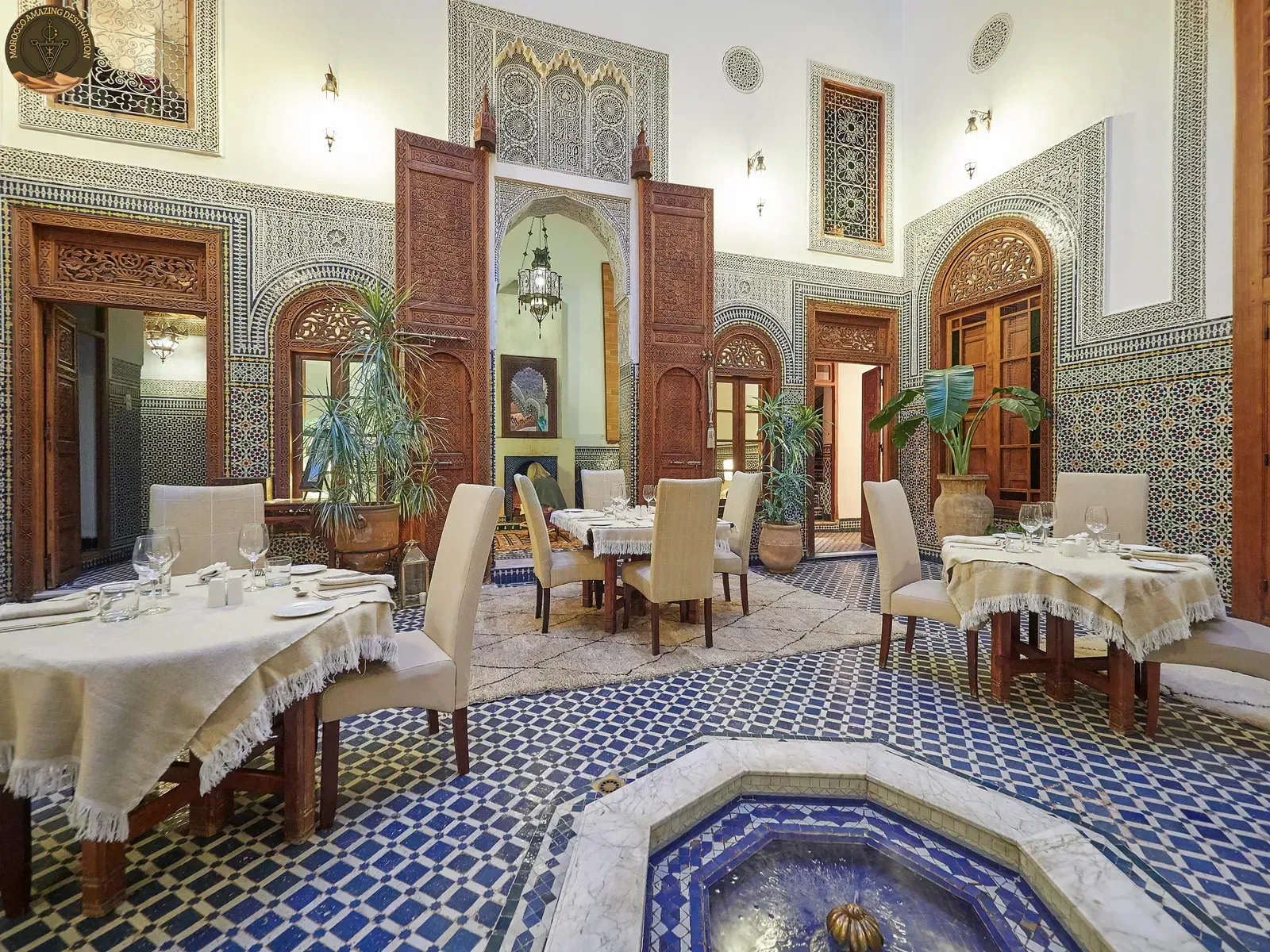
Bastilla is a celebration dish. Moroccans generally serve it as a starter at the beginning of a special meal, and it stars at weddings, births and religious-festival banquets, where one large tray feeds an entire table. Lunch is quieter than dinner and tables fill late, so an early table is usually the easier booking.
What to know before you order:
- Ask about the filling first: chicken, pigeon, seafood or vegetarian.
- Some kitchens need advance notice, since a slow-baked pie is not a last-minute dish.
- Eat with your right hand from the portion in front of you, using bread or pastry to scoop.
- Cards are unreliable outside hotels, so carry cash and leave a small tip.
Prices shift by area and are best treated as a rough band. In ordinary local restaurants, a bastilla portion typically sits around 50–80 MAD. Mid-range main courses often run 90–180 MAD, and three- to four-course Moroccan set menus that include pastilla usually land near 120–200 MAD.
Build Bastilla Into Your Casablanca Itinerary
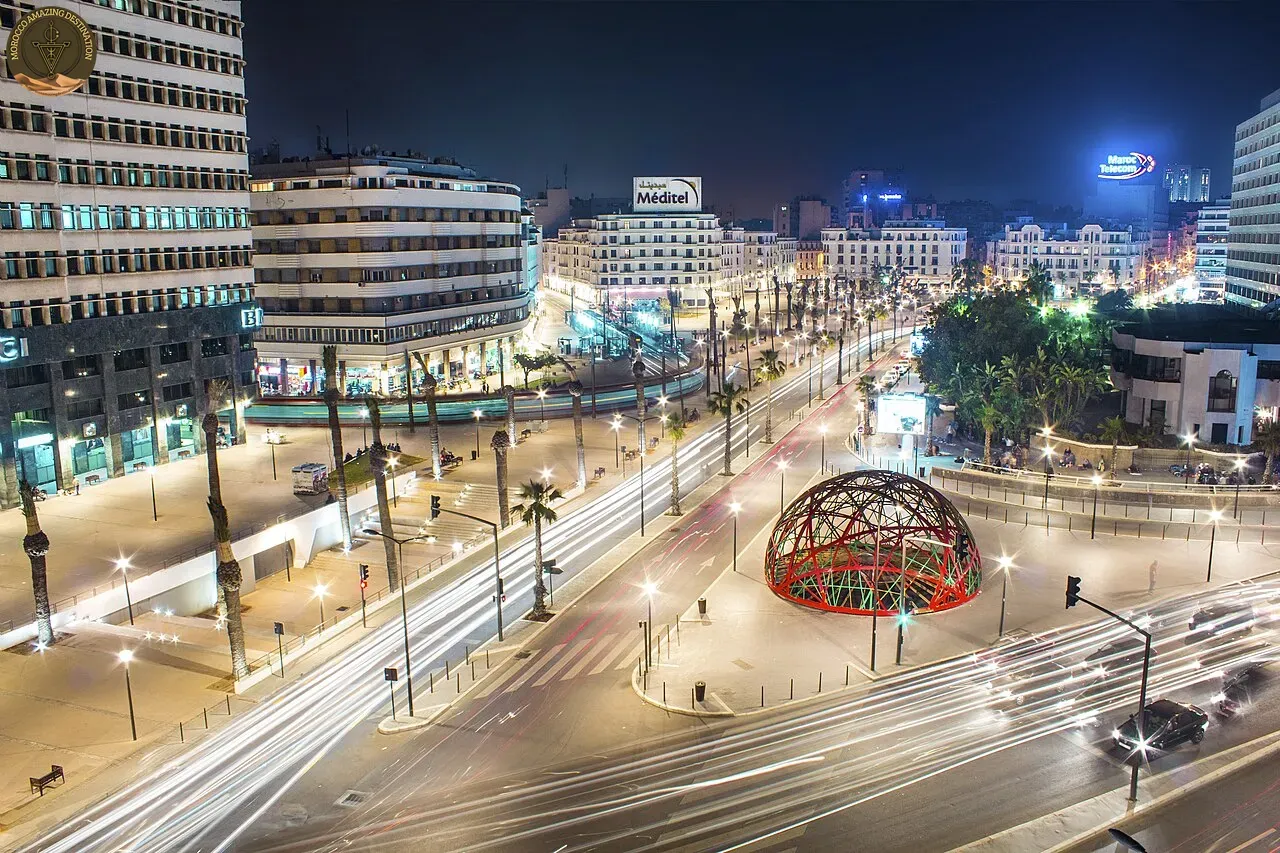
A bastilla dinner slots neatly into a Casablanca day. Spend the morning at the Hassan II Mosque and the Art Deco centre, walk through Habous in the afternoon, and finish on the Corniche with seafood pastilla and the Atlantic in front of you. Because the city spreads out between medina, centre and coast, transport shapes the evening as much as the menu does.
Still weighing what to eat in Casablanca? Bastilla is the dish most worth building an evening around. For the wider picture, our guide to what to eat in Morocco covers the rest of the table, and top things to do in Casablanca helps you shape the rest of the day.
With a private driver, the meal becomes part of the route instead of a detour. Our 8-Day Imperial Cities and Desert Tour from Casablanca starts here and moves on through Fes, the Sahara and Marrakech, while the 12-Day Morocco Experience Tour from Casablanca gives you more time along the coast. We can customize a tour to match your needs — design your perfect itinerary.
If you found this helpful, add us as your preferred source on Google.
Frequently Asked Questions
Is bastilla sweet or savoury?
Both, and that is the whole point. The classic chicken or pigeon bastilla layers spiced meat, caramelised onions and almonds inside crisp warqa pastry, then finishes with icing sugar and cinnamon. Seafood bastilla, common along the Atlantic coast, is spicy rather than sweet.
Can you eat bastilla without pigeon?
Yes. Pigeon was the traditional filling, but chicken is now the standard version in most Moroccan kitchens and the one you will usually be offered. Seafood and vegetarian fillings are widely available as well.
Is there vegetarian or seafood bastilla in Casablanca?
Both exist. Seafood pastilla is a coastal Atlantic speciality and shows up in Casablanca's seafront restaurants. Vegetarian bastilla, built on mushrooms, seitan, chickpeas or roast vegetables, is increasingly common in the city's modern Moroccan kitchens.
How much does bastilla cost in a Casablanca restaurant?
Prices vary by area, so treat any figure as approximate. In ordinary local restaurants a portion of bastilla typically falls in the 50–80 MAD band, mid-range main courses often run 90–180 MAD, and multi-course Moroccan set menus with pastilla included usually sit around 120–200 MAD.
Ready for an Adventure?
Have questions? Feel free to contact us using the form below. We're here to help!