· Food · 8 min read
What to Eat in Morocco: The Ultimate Guide to Moroccan Food
Discover what to eat in Morocco with this ultimate food guide. From tagine and couscous to street food and mint tea, explore the best Moroccan dishes and where to find them.
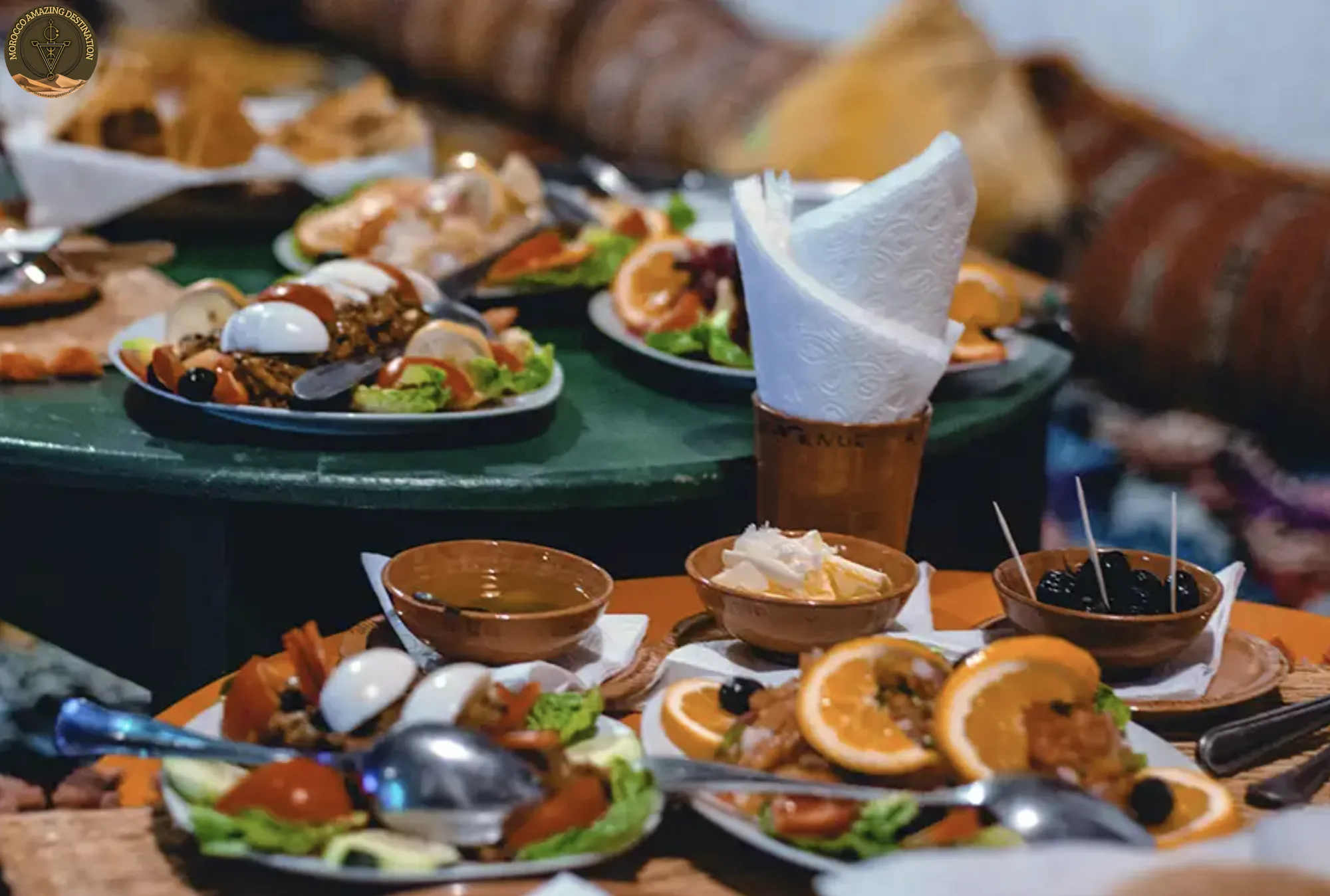
If you are wondering what to eat in Morocco, you are in for an unforgettable culinary journey. Moroccan food is one of the most diverse and flavorful cuisines in the world, shaped by centuries of Berber, Arab, Andalusian, and Mediterranean influences.
From the fragrant steam rising from a clay tagine to the sizzling sounds of street food stalls, every meal in Morocco is an experience. In this comprehensive guide, we will take you through the essential Moroccan dishes you must try, where to find them, and what makes this cuisine so special.
Must-Try Traditional Moroccan Dishes
No trip to Morocco would be complete without tasting its iconic dishes. Here are the ones you absolutely cannot miss.
Tagine
Tagine is the heart and soul of Moroccan cuisine. Named after the distinctive conical clay pot in which it cooks, this slow-simmered stew is tender, aromatic, and deeply satisfying.
The unique shape of the tagine pot circulates steam, keeping ingredients moist and infusing them with spices. Popular versions include:
- Lamb tagine with prunes and almonds — a sweet-savory classic often served at celebrations
- Chicken tagine with preserved lemons and olives — bright, tangy, and incredibly fragrant
- Kefta tagine — spiced meatballs simmered in tomato sauce, often topped with a baked egg
- Vegetable tagine — seasonal vegetables, chickpeas, and aromatic spices
You will find tagine everywhere: in family homes, roadside cafés, and upscale restaurants.
Couscous
Couscous is the national dish of Morocco, traditionally served every Friday after midday prayers. These tiny steamed semolina grains are fluffy, light, and the perfect canvas for rich stews.
A classic couscous platter is topped with tender lamb or chicken, seven different vegetables, chickpeas, and a fragrant broth. Eating couscous is a communal experience — everyone gathers around a single large dish, using their right hand or a spoon to scoop from their side.
Pastilla
Pastilla (or B’stilla) is a masterpiece of traditional Moroccan food. This sweet-savory pie layers paper-thin warqa pastry with shredded pigeon or chicken, almonds, cinnamon, and sugar, all dusted with powdered sugar and cinnamon on top.
The contrast between the savory meat and the sweet, spiced topping makes it unexpected and unforgettable. Seafood pastilla, filled with shrimp, squid, and vermicelli noodles, is a popular coastal variation.
Harira
Harira is a rich, hearty tomato-based soup made with lentils, chickpeas, fresh herbs, and warm spices like ginger and turmeric. It is the soup that breaks the daily fast during Ramadan, served with dates and chebakia (honey-drizzled sesame cookies).
Even outside of Ramadan, harira is a beloved comfort food, available from street stalls and home kitchens alike.
Mechoui
Mechoui is whole lamb slow-roasted until the meat falls off the bone. Seasoned simply with salt, cumin, and butter, it is a celebration dish traditionally cooked in underground clay ovens. The skin turns incredibly crispy while the meat remains juicy and tender. You will often find mechoui at special occasions and in rural areas around Marrakech.
Rfissa
Rfissa is a deeply comforting dish of shredded msemen pancakes layered with slow-cooked chicken and lentils in a fragrant broth of fenugreek, saffron, and ras el hanout. It is traditionally prepared for new mothers as a nourishing meal and remains a beloved comfort food.
Moroccan Street Food: What to Eat in Morocco on the Go
Moroccan street food is an adventure in itself, and no place captures it better than Jemaa el-Fnaa in Marrakech. As the sun sets, the square transforms into a massive open-air food market with dozens of stalls.
Street food must-tries:
- Brochettes — grilled meat skewers seasoned with cumin and salt, served with bread
- Maakouda — crispy deep-fried potato cakes, often served in a sandwich with harissa
- Sardines — fresh grilled sardines stuffed with chermoula, especially in coastal cities
- Snail soup (babbouche) — a spiced broth with simmered snails, popular as a winter warmer
- Chebakia — fried dough shaped like roses, coated in honey and sesame seeds
- Harira and bissara — hearty soups that make a filling, affordable meal
Tip: Look for stalls with the longest queues — locals know where the best food is.
Moroccan Drinks That Complete Every Meal
No exploration of what to eat in Morocco would be complete without mentioning its beloved drinks.
Moroccan mint tea — known affectionately as “Berber whiskey,” this sweet green tea with fresh mint is the symbol of Moroccan hospitality. It is served throughout the day and refusing a glass is considered impolite. The pouring ritual, where the tea is held high above the glass to create a frothy top, is an art form in itself.
Fresh orange juice is everywhere in Marrakech’s Jemaa el-Fnaa, squeezed to order for a few dirhams.
Avocado smoothies blended with milk and sugar are a surprisingly delicious local treat.
Nouss-nouss — meaning “half-half” in Arabic — is a popular café drink, half espresso and half steamed milk.
Amlou — a spread made from almonds, argan oil, and honey — is often served alongside tea with bread for dipping.
What to Eat for Breakfast in Morocco
Moroccan breakfast is generous, carb-rich, and meant for sharing. Forget a quick bite — a proper Moroccan breakfast is a sit-down affair.
A typical spread includes:
- Msemen — square, flaky, pan-fried dough served with honey or cheese
- Baghrir — spongy semolina pancakes with a thousand tiny holes, perfect for soaking up honey and butter
- Khobz — round white bread, used for everything from scooping to making sandwiches
- Olives and olive oil — always on the table
- Amlou — the almond, argan oil, and honey spread
- Fresh cheese (jben) — soft, creamy, and mild
- Mint tea or café noir
Many riads and hotels serve elaborate rooftop breakfasts that showcase all of these — do not skip them.
Regional Moroccan Food Specialties
Morocco’s diverse geography means regional specialties vary widely. Here is what to eat in Morocco depending on where you travel:
- Marrakech & the South — Mechoui (roast lamb), tanjia (meat slow-cooked in an urn buried in hot ashes), and spicy street food
- Fez — Considered the country’s culinary capital, famous for pastilla, complex tagines, and refined pastries
- Essaouira & the Atlantic Coast — Fresh grilled sardines, seafood tagine, fried calamari
- Tangier & the North — Mediterranean-influenced dishes, mint-heavy salads, Spanish-inspired seafood
- Atlas Mountains & Desert — Berber omelette (egg with tomato and onion), medfouna (“Berber pizza” stuffed with meat and spices), and bread baked in sand
- Sahara desert camps — Simple but flavorful tagines cooked over open fires, fresh bread, and mint tea under the stars
Moroccan Food Culture and Dining Etiquette
Understanding the culture around food makes your experience richer. In Morocco, sharing food is an expression of hospitality and community.
Key etiquette tips:
- Eat with your right hand — The left hand is traditionally reserved for hygiene purposes
- Communal dining is common — Family and friends gather around a single dish
- Bread is your utensil — Use khobz to scoop up tagines, salads, and dips
- Accept tea when offered — It is a gesture of friendship and welcome
- Compliment the food — Expressing appreciation is expected and warmly received
- Eating out? Lunch is the main meal — Restaurants close between lunch and dinner, so plan accordingly
Vegetarian and Dietary Options
While much of Moroccan food is meat-based, vegetarians can eat very well. Many traditional dishes are naturally plant-based or easily adapted.
Vegetarian-friendly Moroccan dishes include:
- Vegetable tagine with chickpeas
- Zaalouk — smoky eggplant and tomato salad
- Taktouka — tomato and green pepper salad
- Lentil soup and bissara (dried fava bean soup)
- Couscous with vegetables (specify no meat)
- Fresh salads with preserved lemon and olives
- Amlou, honey, bread, and cheese for breakfast
In major cities like Marrakech, Fez, and Essaouira, vegetarian and vegan restaurants are increasingly common.
Where to Find the Best Food in Morocco
The best Moroccan food is found where locals eat. Skip the tourist traps and head to:
- Neighborhood restaurants away from the main squares
- Jemaa el-Fnaa in Marrakech for street food
- Local markets and souks for fresh produce and street snacks
- Family-run riads where meals are homemade
- Desert camps and mountain villages for authentic Berber cooking
A good rule of thumb: if a place is packed with Moroccans, the food will be excellent.
Morocco is a feast for all the senses, and its food is at the heart of the experience. From your first sip of mint tea to your last spoonful of couscous, every meal tells a story of culture, tradition, and generosity.
When you travel to Morocco, come hungry. Be curious. Try everything. The flavors you discover will stay with you long after you return home.
Ready to taste Morocco for yourself? Combine your culinary exploration with an unforgettable journey. Our 3-Day Trip from Marrakech to Merzouga takes you through the Atlas Mountains and into the Sahara, where you will savor authentic Berber tagines, fresh-baked bread, and mint tea in desert camps under a blanket of stars. For a deeper experience, the 4-Day Morocco Desert Tour from Marrakech includes visits to traditional villages where you will enjoy home-cooked Moroccan meals made with locally sourced ingredients.
If you found this helpful, add us as your preferred source on Google.
Frequently Asked Questions
What is the most famous food in Morocco?
The most famous Moroccan food is tagine, a slow-cooked stew named after the conical clay pot it is cooked in. It comes in many varieties — lamb with prunes, chicken with preserved lemons and olives, and vegetable tagine are among the most popular. Couscous, the national dish served on Fridays, is also iconic.
Is Moroccan street food safe to eat?
Yes, Moroccan street food is generally safe when you choose busy stalls with high customer turnover and where food is cooked fresh in front of you. Popular safe options include freshly fried maakouda (potato cakes), grilled brochettes, harira soup, and msemen pancakes. Avoid raw vegetables washed in tap water and stick to bottled drinks.
What do Moroccans eat for breakfast?
A typical Moroccan breakfast includes msemen or baghrir (flaky or spongy pancakes) served with honey, olive oil, or amlou (almond and argan spread). It often comes with fresh bread (khobz), olives, soft cheese, eggs, and always mint tea or coffee. It is a generous and communal affair.
What are the best cities for food in Morocco?
Marrakech is famous for its street food at Jemaa el-Fnaa square and its vibrant restaurant scene. Fez is considered the culinary capital for traditional cooking. Essaouira and coastal cities are known for fresh seafood, while Tangier offers unique Mediterranean-influenced dishes.
- what-to-eat-in-morocco
- moroccan-cuisine
- food
- food-in-morocco
- cuisine
- street-food
- tagine
- eating-in-morocco
- marrakech
- foodie
Ready for an Adventure?
Have questions? Feel free to contact us using the form below. We're here to help!