· Travel · 9 min read
Top 10 Things to Do in Casablanca: Best Attractions, Beaches & Day Trips
Discover Casablanca's must-see sights from Hassan II Mosque to Art Deco gems and coastal escapes in this ultimate top 10 guide.
Top 10 Things to Do in Casablanca: Best Attractions, Beaches & Day Trips
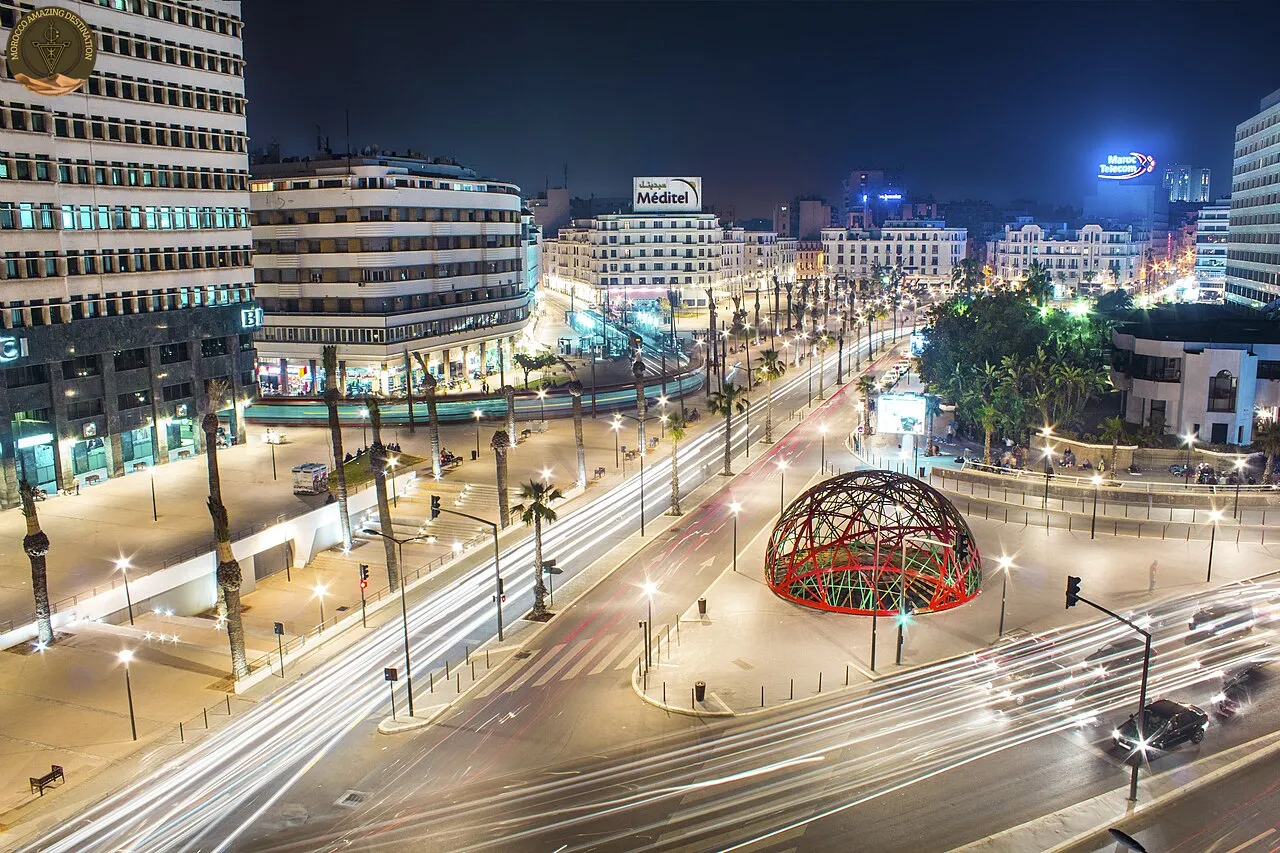
If you’re planning a first stop on the Atlantic coast, this guide to the top 10 things to do in casablanca brings together the city’s essential experiences in a clear one-to-two-day plan. From a mosque built over the ocean to palm-lined parks and seafood markets, Casablanca blends French-era elegance with contemporary Moroccan life.
Wondering about the best things to do in casablanca without wasting time crossing the sprawl? The essential casablanca attractions cluster around the port, historic centre and Corniche, all within a short tram or taxi ride. Whether you love architecture, food or sea air, these places to visit in casablanca make casablanca sightseeing easy, relaxed and rewarding.
1. Marvel at the Hassan II Mosque, Built Over the Atlantic
No list is complete without the Hassan II Mosque, the city’s defining landmark and one of the largest mosques in Africa. Its minaret rises around two hundred and ten metres — among the tallest in the world and the tallest at its completion — and a powerful laser beam points toward Mecca at night.
What makes it so memorable:
- Location over the water: A vast esplanade and part of the prayer hall stand on reclaimed rock above the Atlantic, with waves breaking beneath the glass floor in the hammam area.
- Open to visitors: It is one of the very few mosques in Morocco that welcomes non-Muslims inside, only via timed guided tours. Modest dress, shoe removal and quiet photography are the norm, with Friday mornings more restricted.
- Craftsmanship on a grand scale: The complex covers around nine hectares. Inside, space for tens of thousands of worshippers, plus many more on the esplanade, surrounds a retractable cedar roof weighing over a thousand tons, hand-carved cedar from the Middle Atlas, marble from the south, and glittering zellige and stucco. Dimensions feel immense — roughly two hundred metres long — yet details reward close looking.
Book a morning tour for softer light and smaller crowds, then walk the Corniche promenade to El Hank.
2. Wander the Old Medina and Clock Tower
For authentic atmosphere, head to the Old Medina, the pre-colonial walled quarter by the port. Less polished than the medinas of Marrakech or Fes, it feels lived-in and local.
- Enter through Bab Marrakech and stroll to the Clock Tower, a simple landmark that orients first-time visitors.
- Peek at the Sqala bastion and the fishing port, where blue boats unload the morning catch.
- Shop without pressure: small stalls sell leather, kaftans and household goods at neighbourhood prices.
Come early, carry small bills and enjoy mint tea on a rooftop with port views.
3. Stroll the Corniche and Ain Diab Beach
Casablanca’s western edge is all about sea air. The Corniche is an eight-kilometre seaside promenade that links city centre to Ain Diab.
- Public and private options: At the tip of Ain Diab, the public beach draws families and surfers. Along the boulevard, beach clubs and hotel pools offer loungers, restaurants and sunset cocktails.
- Local highlights nearby: Look for Lalla Meryem Beach and, at low tide, the tiny Sidi Abderrahman island with its marabout.
Go for a late-afternoon walk, then stay for seafood with an ocean view.
4. Experience Morocco Mall by the Ocean
Curious how contemporary Casablanca lives? Morocco Mall offers one of the largest shopping and leisure complexes on the continent, spread over a vast oceanfront site.
- More than three hundred stores mix international brands with Moroccan designers.
- Inside, the Aquadream aquarium with its cylindrical tank, a large fountain display and family entertainment draw crowds.
- The food court and terraces face the Atlantic, so even a coffee comes with a view.
It works well as a midday pause from sun or a rainy-day backup, and it shows a different side of the city beyond the historic sights.
5. Explore the Habous District and Admire the Mahkama du Pacha
Built during the French Protectorate era as a new medina, the Habous blends traditional forms with planned streets and arcades. Locals call it the cleanest souk in the city.
- Habous highlights: Arcaded alleys, bookshops selling in Arabic and French, olive stalls, and the beloved Patisserie Bennis for almond briouats and kaab el ghazal.
- Mahkama du Pacha: Just steps away, this Hispano-Mauresque palace of justice and reception, completed in the mid-twentieth century by architect Auguste Cadet, dazzles with carved cedar ceilings, zellige courtyards and more than sixty tiled chambers. Interior access is limited and often requires a guide or permission, but the exterior and gate alone are worth the detour.
- Note: The nearby Royal Palace is exterior only, with guards at the gates.
Plan this for late morning, when shops are open and light fills the courtyards.
6. Taste the City at Central Market (Marché Central)
On Boulevard Mohammed V, the Central Market is a compact, lively food hall under a white domed structure. It belongs on any shortlist of places to visit in casablanca for food lovers.
- Seafood stalls sell Dakhla oysters, sea urchins, grilled fish and giant prawns; you can buy from the monger and have a small grill cook it on the spot.
- Fresh produce, olives, spices and argan products fill the surrounding aisles.
- Second-floor cafes serve the market plates with bread and salads at local prices.
Go hungry, compare a few stalls before choosing, and keep cash handy.
7. Unwind in Arab League Park
Arab League Park — Parc de la Ligue Arabe — is the city’s green lung, a thirty-hectare park designed by architect Albert Laprade and recently renovated with new paths, fountains and play areas.
- A long palm alley cuts through the centre, perfect for a shaded stroll or jog.
- Families picnic on lawns, children use the skate park and cafes ring the edges.
- It sits between Mohammed V Square and the Villa des Arts, so pairing it with nearby sights is easy.
Take a break here between museum visits or before sunset on the Corniche.
8. Discover Villa des Arts and an Art Deco Heritage Walk
Casablanca holds one of Africa’s finest ensembles of Art Deco and early modernist architecture, centred on Mohammed V Square and United Nations Square.
- Villa des Arts: This elegant villa from the mid-nineteen thirties on Boulevard Brahim Roudaini, close to the park, houses contemporary Moroccan painting and sculpture alongside temporary shows. Set in gardens, it is quiet and well curated.
- Street-level Art Deco: Look for the domed Liberté Building, the twin blocks around the square, cinemas, post office and banks with stylised geometry, rounded balconies and mosaic details. Walking helps you notice small elements — ironwork, typography, portholes — missed from a car.
A self-guided loop of an hour connects the park, villa and squares beautifully.
9. Visit Notre Dame de Lourdes and the Sacred Heart Cathedral
For fans of modern sacred architecture, this pair shows how Casablanca experimented with form and light:
- Notre Dame de Lourdes: Built in the mid-twentieth century by architects Achille Dangleterre and Gaston Zimmer, it stuns with vast stained-glass walls by Gabriel Loire. Colours flood the nave even on cloudy days.
- Sacred Heart Cathedral (Cathédrale Sacré-Cœur): Completed a generation earlier by Paul Tournon, this former cathedral now serves as a cultural centre for exhibitions and concerts. Its twin towers, neo-Gothic and Art Deco mix, and open interior photograph well.
Both are close to the park and tram line, so you can see them together in under an hour.
10. Take a Day Trip to Rabat — and Keep El Jadida in Mind
If you have an extra day, Rabat is the easiest capital escape. High-speed trains link the two cities in about an hour across roughly ninety kilometres.
- Rabat highlights: The incomplete Hassan Tower and the Mausoleum of Mohammed V, the blue-and-white Kasbah of the Udayas overlooking the Atlantic, and the Chellah necropolis with Roman and later remains amid gardens and storks.
- Why it works from Casablanca: You can leave after breakfast, see the core sights on foot or by tram, and return for dinner.
- Alternative coast: El Jadida and its Portuguese cistern and fortified city, a UNESCO site south of Casablanca, suits beach-plus-history fans and is also reachable in well under two hours.
A guided day trip simplifies logistics if you prefer not to navigate stations alone.
Practical Tips Before You Go
- Getting around: The T1 tram line connects Ain Diab and the boulevards to the centre. Petit taxis (typically red) are plentiful — ask for the meter or agree the fare before boarding. For intercity rail, Casa-Port sits near the port and Old Medina, while Casa-Voyageurs handles high-speed and long-distance trains — check your departure station before heading out.
- Dress and etiquette: Casablanca is relatively relaxed, but modest dress is appreciated, especially for mosque visits — shoulders and knees covered, scarf handy for women, shoes removed inside.
- Rick’s Café note: The elegant piano bar recreated after the famous film is a charming, optional stop for a drink or dinner — it is a nostalgic recreation, not a historic film location, yet many visitors enjoy the setting.
- Timing: Mornings for mosques and markets, afternoons for coast and parks, and sunset on the Corniche gives the best light for photos.
Continue Your Journey from Casablanca
If Casablanca is your gateway, turn a short stay into a deeper itinerary without backtracking.
- Explore grand cities and the Sahara on the 14-Day Morocco Tour from Casablanca, which loops from the coast through imperial cities and desert dunes with plenty of time for both culture and scenery.
- For a tighter route focused on heritage, the 8-Day Imperial Cities and Desert Tour from Casablanca links Casablanca, Rabat, Meknes, Fes and Marrakech with a desert experience.
We can customize a tour to match your needs — design your perfect itinerary
FAQs
How many days do you need in Casablanca? One to two full days covers the classic highlights — Hassan II Mosque, Habous, Corniche and markets — with a third day if you add a day trip to Rabat.
Can non-Muslims visit the Hassan II Mosque? Yes, it is one of the very few mosques in Morocco open to non-Muslims through guided tours. Modest dress and removing shoes inside are required.
Is Casablanca worth visiting for first-time visitors to Morocco? Absolutely. It offers a modern, coastal contrast to Marrakech and Fes, with Art Deco architecture, Atlantic beaches and easy high-speed train connections.
Do you need a guided tour in Casablanca? You can explore independently, but a local guide helps at the mosque, Mahkama du Pacha and Art Deco walk to navigate access rules and hidden details.
If you found this helpful, add us as your preferred source on Google.
Frequently Asked Questions
How many days do you need in Casablanca?
One to two full days covers the classic highlights — Hassan II Mosque, Habous, Corniche and markets — with a third day if you add a day trip to Rabat.
Can non-Muslims visit the Hassan II Mosque?
Yes, it is one of the very few mosques in Morocco open to non-Muslims through guided tours. Modest dress and removing shoes inside are required.
Is Casablanca worth visiting for first-time visitors to Morocco?
Absolutely. It offers a modern, coastal contrast to Marrakech and Fes, with Art Deco architecture, Atlantic beaches and easy high-speed train connections.
Do you need a guided tour in Casablanca?
You can explore independently, but a local guide helps at the mosque, Mahkama du Pacha and Art Deco walk to navigate access rules and hidden details.
Ready for an Adventure?
Have questions? Feel free to contact us using the form below. We're here to help!