
· Travel · 5 min read
Running Routes in Marrakech: Where to Run in the Red City
Running routes in Marrakech, from the Mohammed VI median to the ramparts and Agafay trails, plus when to go and where to shower after.
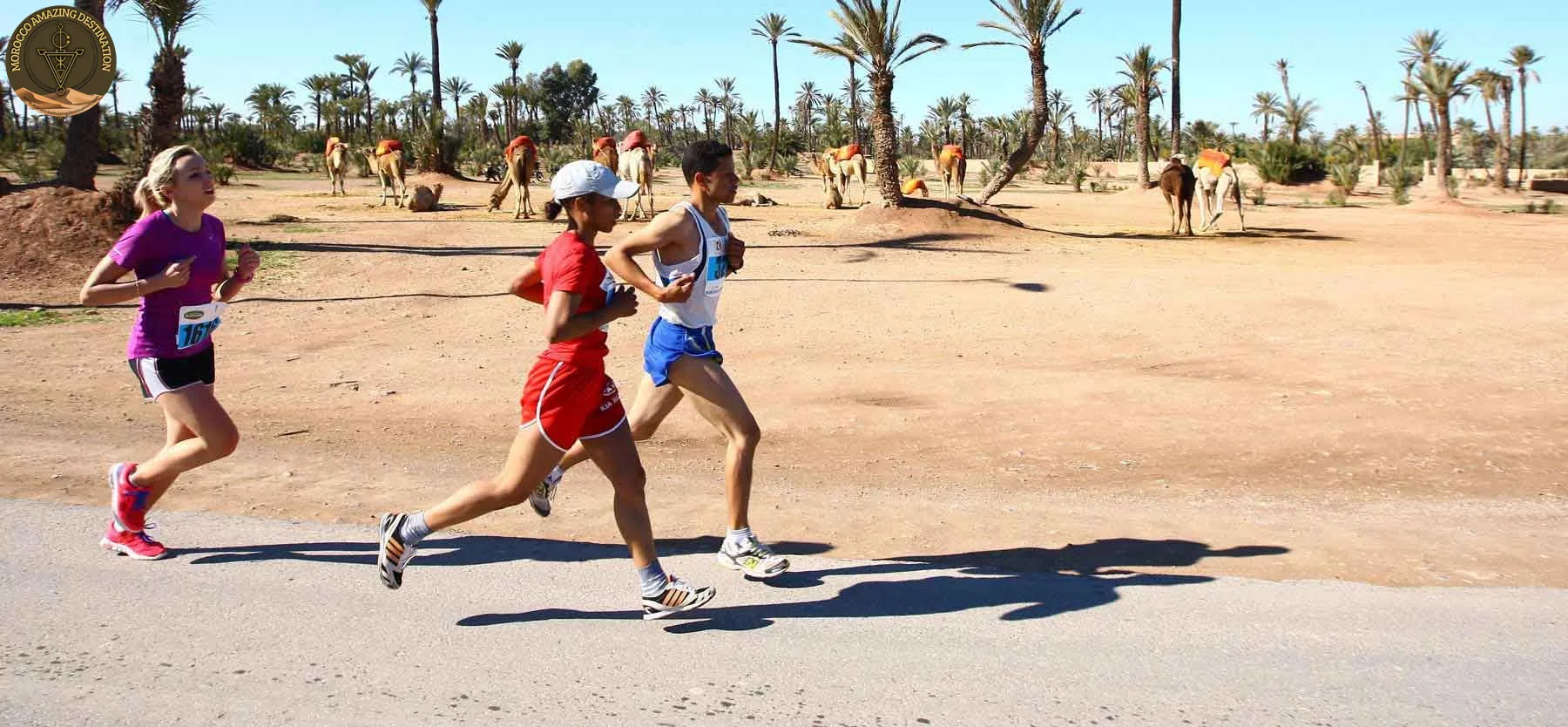
Marrakech rewards an early alarm. At 6:30 the boulevard is still cool, the medina gates are quiet, and the rampart track belongs to a handful of locals in tracksuits. The best running routes in Marrakech follow that logic: a paved median, a walled olive grove, the old Almohad walls, and a stony plateau out past Agafay. The strongest single option is the garden median of Boulevard Mohammed VI, roughly 8 km one way from Gueliz to Agdal.
In this guide, we will break down where to run in Marrakech by surface and by hour, from the green centre to the Atlas foothills, and how you can fit a run into your trip.
When to Run: Heat, Altitude and the Dawn Window
Timing decides more than route choice here. Marrakech sits at roughly 460 m, which you notice on the first climb more than on the flat. From June to September, afternoon highs run 38-42C and occasionally pass 45C, and the pavement stays warm well into the evening.
Local runners go out between first light and about 8am, or after sunset once the heat lifts. Dawn gives you the Atlas in clear light and almost empty pavements.
Spring and late September to November are the comfortable window for jogging in Marrakech. In winter, an international marathon takes a flat single lap along the ramparts and palm groves, with more than 12,000 runners entered.
The Green Median: Boulevard Mohammed VI
Most running routes in Marrakech start on the central median of Boulevard Mohammed VI, the long avenue linking Gueliz to Agdal. The strip is paved, planted with palms and fountains, and shared by walkers, joggers and the occasional cyclist. It runs roughly 8 km one way, so you get a straight out-and-back, or a one-way run if a driver meets you at the far end.
The crossings are the hazard. Traffic moves fast and lights are not always respected, so wait for a real gap. Shade is patchy too: palms help early, then the sun lands on your shoulders.
The median is flat, measurable and easy to shorten. Start at the Gueliz end before 7am, extend it into the quieter streets, or finish among the gardens in Agdal.
The other long city run is the wide, flat dirt track just outside the 12th-century Almohad walls. It is largely traffic-free: start near Bab Laksour or Bab Doukkala and cut the loop at any gate, from 5-6 km to roughly 18 km.
Garden Miles: Menara, Agdal and the Koutoubia Parks
Walled green spaces give you soft ground and no traffic, and they differ wildly in size. Menara and Agdal are historic royal groves; Cyber Park and Parc Lalla Hasna are small city gardens. Some of them close without notice, so check before you plan a route around them.
- Menara: an Almohad olive grove of roughly 100 ha, free to enter, with about 4 km of paths. No drinking water inside and thin shade.
- Agdal: roughly 400 ha and also free, but it is a working royal property. It usually opens Friday to Sunday, sometimes only Friday and Sunday, so confirm on the day.
- Cyber Park: 8 ha in Gueliz, free and properly shaded, open roughly 07:00 to 19:00. Check the gate times as you arrive.
- Parc Lalla Hasna: the small garden beside the Koutoubia, free and open in daylight hours. Fine for tight laps, too short for distance.
Menara is the one for a longer, quieter loop. Go early: the paths radiate from the pavilion and there is nowhere to hide from the sun once it climbs.
Out of Town: Palmeraie, Agafay and Atlas Trail Miles
Outside the centre, the best running routes in Marrakech need four wheels first. The Palmeraie, the palm belt north-east of the old city, is about 15 minutes by car and gives a flat loop of roughly 10 km on quiet grove tracks. Targa works on its side streets only; its main road is busy and not worth the risk.
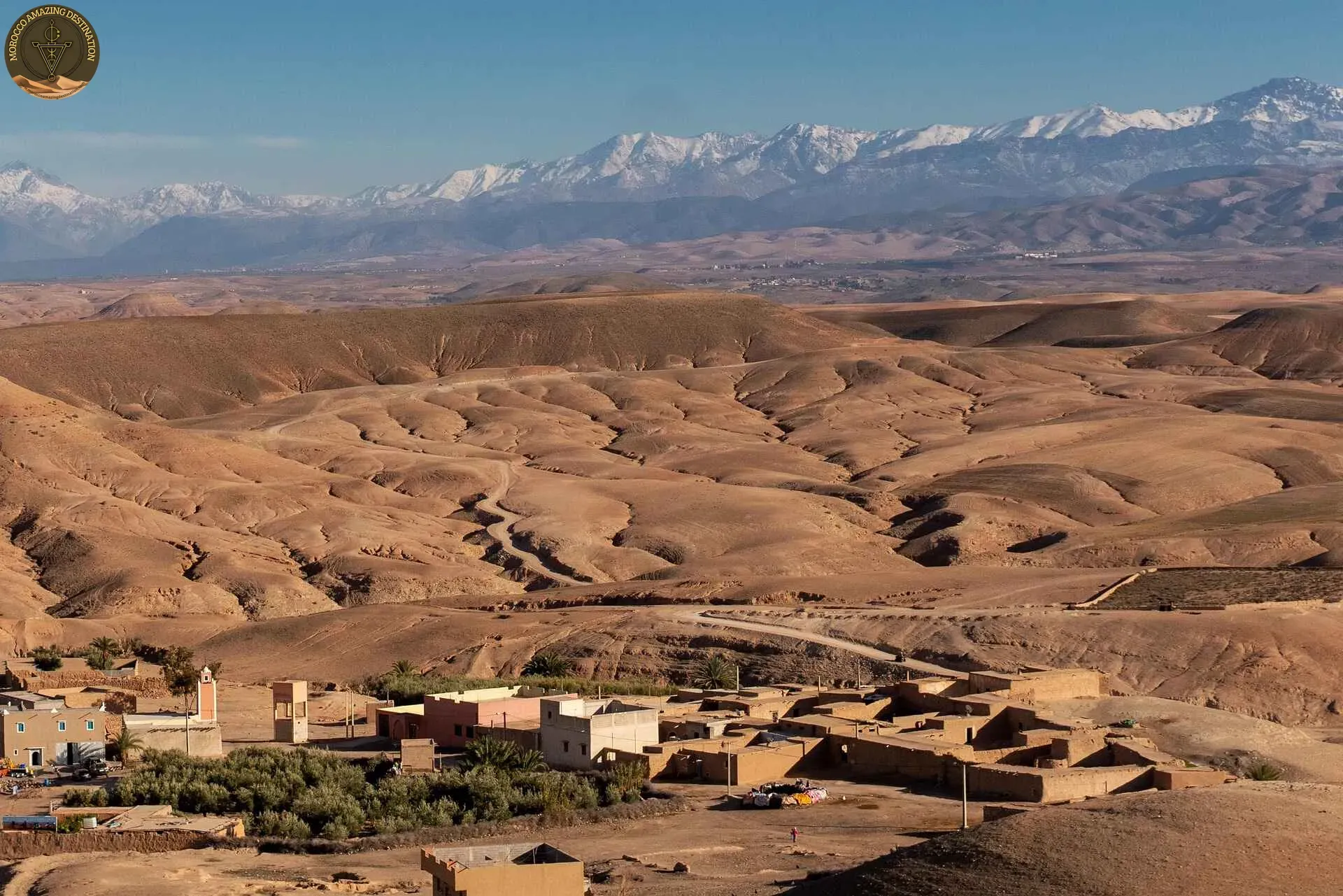
For trail running near Marrakech, three options cover most levels:
- Agafay, about 40 km out: a stony plateau with Berber hamlets, not dunes. Tracks braid and fade, so a local guide helps.
- Lalla Takerkoust, about 40 km: reservoir-side dirt roads, open and fast. No swimming, whatever the heat says.
- Oukaimeden, about 80 km at roughly 2,600 m: thin air and ski-slope trails, for a hard day out.
This is where a private driver-guide changes the morning. Your driver drops you at the trailhead, keeps water in the car, and is waiting when your legs are done. If you want the mountain roads explained first, our guide to getting from Marrakech to the Atlas Mountains covers the passes and the drive times.
Practicalities: Showers, Water and the Hammam Reset
There is no verified public shower or day-pass scheme for runners here, so plan around your own bathroom. A riad or hotel will hold your key and towel, and most let you run before breakfast and shower after. Ask at check-in rather than at 7am.
What the morning needs:
- Water: buy a bottle the night before. Menara has no taps, and the smaller gardens have none either.
- Phone: keep it zipped in a pocket. Scooters use the pavements and arrive from behind.
- Dress: the same as local runners. Covered shoulders and knees in residential streets, shorts on the median.
- Ramadan: run early and keep it quiet. Daylight hours slow down and the streets fill after sunset.
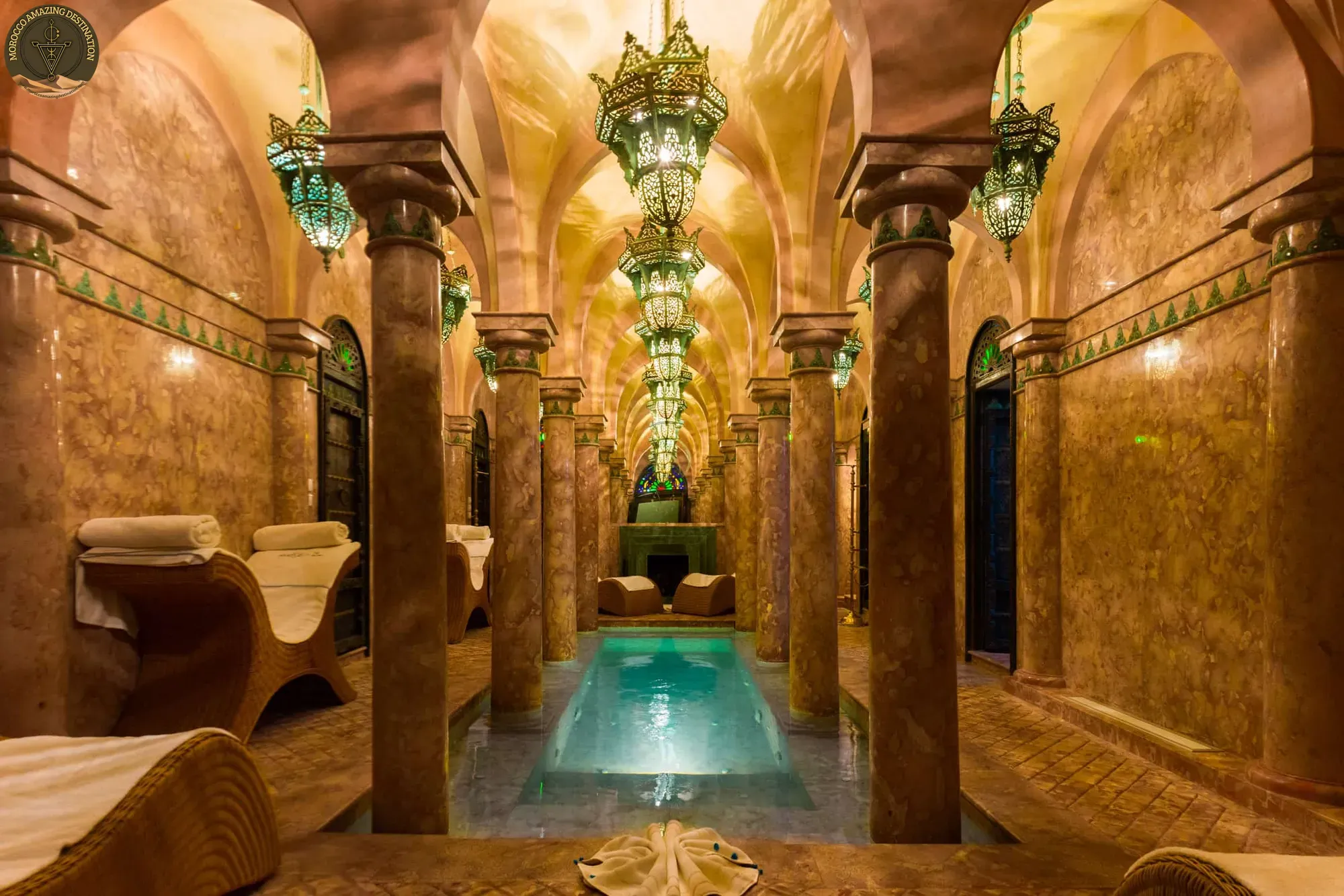
The traditional reset is a neighbourhood hammam, usually a short walk from the medina: hot room, black-soap scrub, cold rinse. On the questions people ask before a first trip, our guide to whether Marrakech is safe covers the practical side.
Most guests run the median, then want the mountains. Our 4-Day Morocco Desert Tour from Marrakech crosses the Atlas to Ait Benhaddou, the Dades Valley and Merzouga, with early starts that suit a runner’s clock. The 8-Day Morocco Tour: Marrakech, Sahara & Essaouira adds the coast and a flat, sea-level morning in Essaouira.
We can customize a tour to match your needs - design your perfect itinerary
If you found this helpful, add us as your preferred source on Google.
Frequently Asked Questions
What is the best place to run in Marrakech?
The central median of Boulevard Mohammed VI, roughly 8 km one way from Gueliz to Agdal. It is paved, flat and planted with palms, and local runners use it before 7am. The dirt track outside the medina ramparts is the second choice, and you can cut it short at any gate.
Is it safe to run in Marrakech?
Yes, at sensible hours. Go at dawn or after sunset, stay out of the medina alleys, and watch for scooters using the pavements and kerbs that are high or broken. Carry little, keep your phone in a pocket, and you will have no trouble.
Can you run in the Menara and Agdal gardens?
Both are free to enter and both accept runners. Menara has about 4 km of paths and no drinking water inside. Agdal is a working royal property that usually opens Friday to Sunday, sometimes only Friday and Sunday, so confirm on the day before you build a route around it.
Is there trail running near Marrakech?
Yes. Agafay, about 40 km out, is a stony plateau with braiding tracks and Berber hamlets. Lalla Takerkoust, also about 40 km, has reservoir-side dirt roads, and Oukaimeden at roughly 2,600 m offers altitude running about 80 km away.
Ready for an Adventure?
Have questions? Feel free to contact us using the form below. We're here to help!