
· Food · 5 min read
What Food Is Morocco Known For? Iconic Moroccan Dishes
Discover what food is Morocco known for — tagine, couscous, pastilla, harira and mint tea — and how to taste these iconic dishes on a private tour.
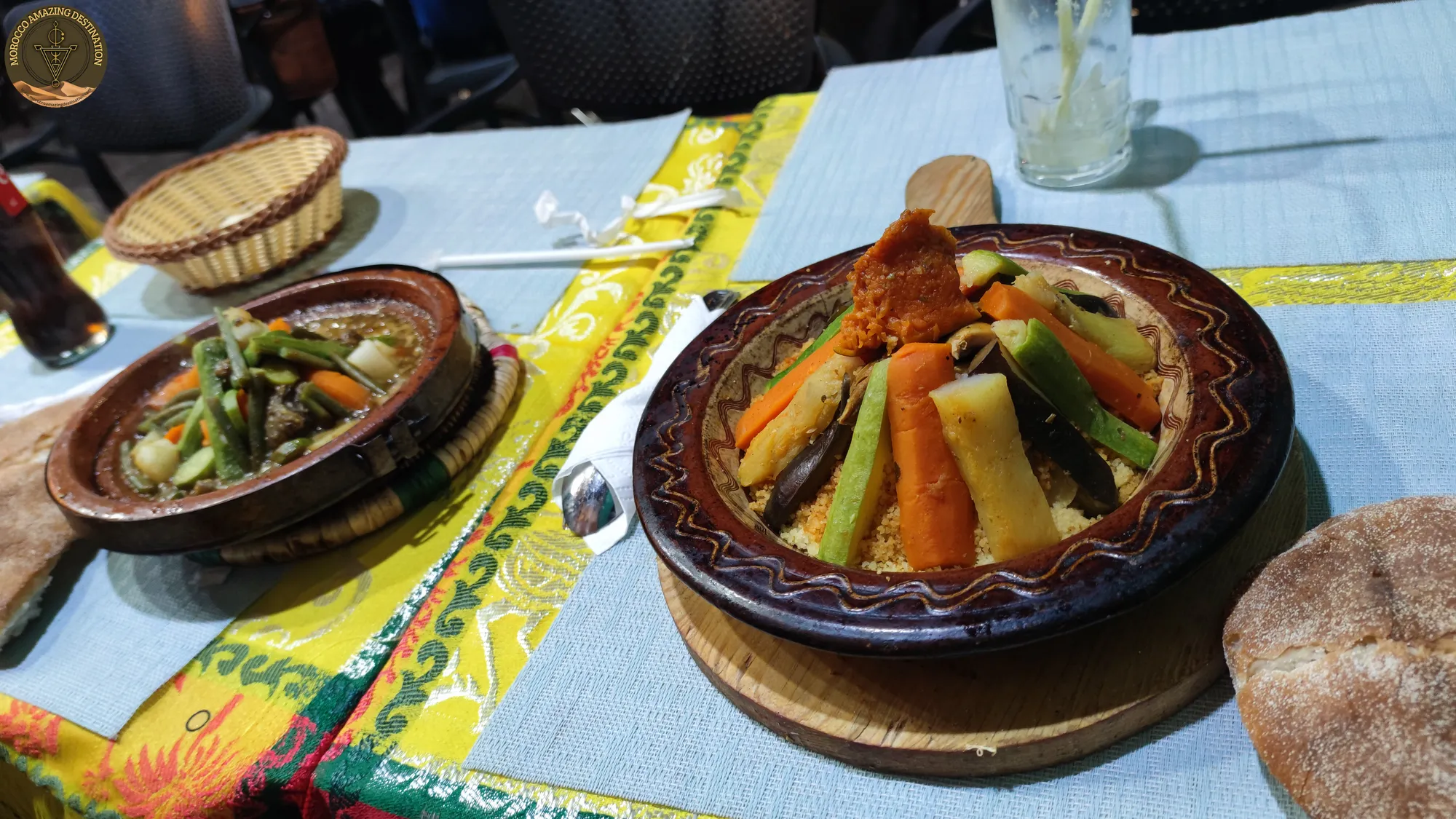
Morocco’s food is one of the great cuisines of the world, and many travellers plan whole itineraries around what they will eat. Ask any Moroccan and the answer will be a list, not a single plate. Moroccan cooking rewards curiosity, and if you are asking what food is Morocco known for, the answer begins with slow-cooked tagines, Friday couscous and the sweet-savoury pastilla of Fes.
Morocco is known worldwide for a tight set of signature dishes: tagine, couscous, pastilla, harira, mechoui and mint tea. These define the country’s table far more than any single recipe. In this guide, we will break down the most famous Moroccan dishes, explain why each one matters, and show how you can taste them on a private tour.
Tagine — Morocco’s Most Famous Dish
Tagine is Morocco’s most internationally recognised iconic Moroccan food, and the name covers both the conical clay pot and the stew cooked inside it. Slow steam rises through the cone, so meat stays tender and every vegetable keeps its flavour. It is the dish most visitors meet first, and the one they remember longest. In Morocco it is a daily staple, not a special-occasion treat, and every region adds its own twist.
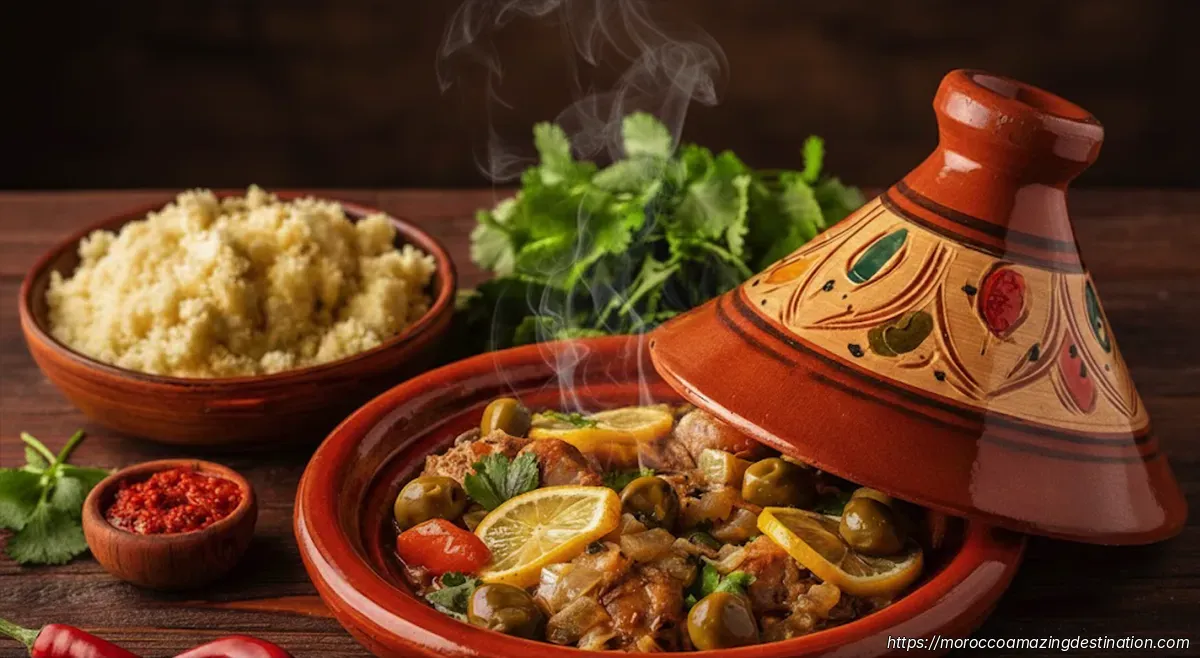
Cooks build a tagine from simple layers: meat or vegetables, aromatics, spices and a little liquid. The pot does the rest over low heat for hours, which is why the flavours taste so deep. Authentic versions cook for two hours or more, until the sauce thickens and clings to the meat.
Recipes worth seeking out:
- Chicken tagine: preserved lemon and green olives for a sharp, bright finish.
- Lamb tagine: prunes and toasted almonds for a deep sweet-savoury edge.
- Kefta tagine: spiced meatballs simmered in tomato with cracked eggs.
- Vegetable tagine: seasonal produce, often with chickpeas and chermoula.
- Fish tagine: white fish with chermoula, tomato and peppers, common on the coast.
Couscous and Pastilla — Moroccan Signature Classics
Couscous is the Moroccan national dish, and it carries real cultural weight. Families share it after Friday midday prayers, heaped with vegetables and meat. In Morocco it is a weekly ritual, and the vegetables change with the season. The knowledge and practices behind its production and consumption appear on the UNESCO Intangible Cultural Heritage of Humanity list.
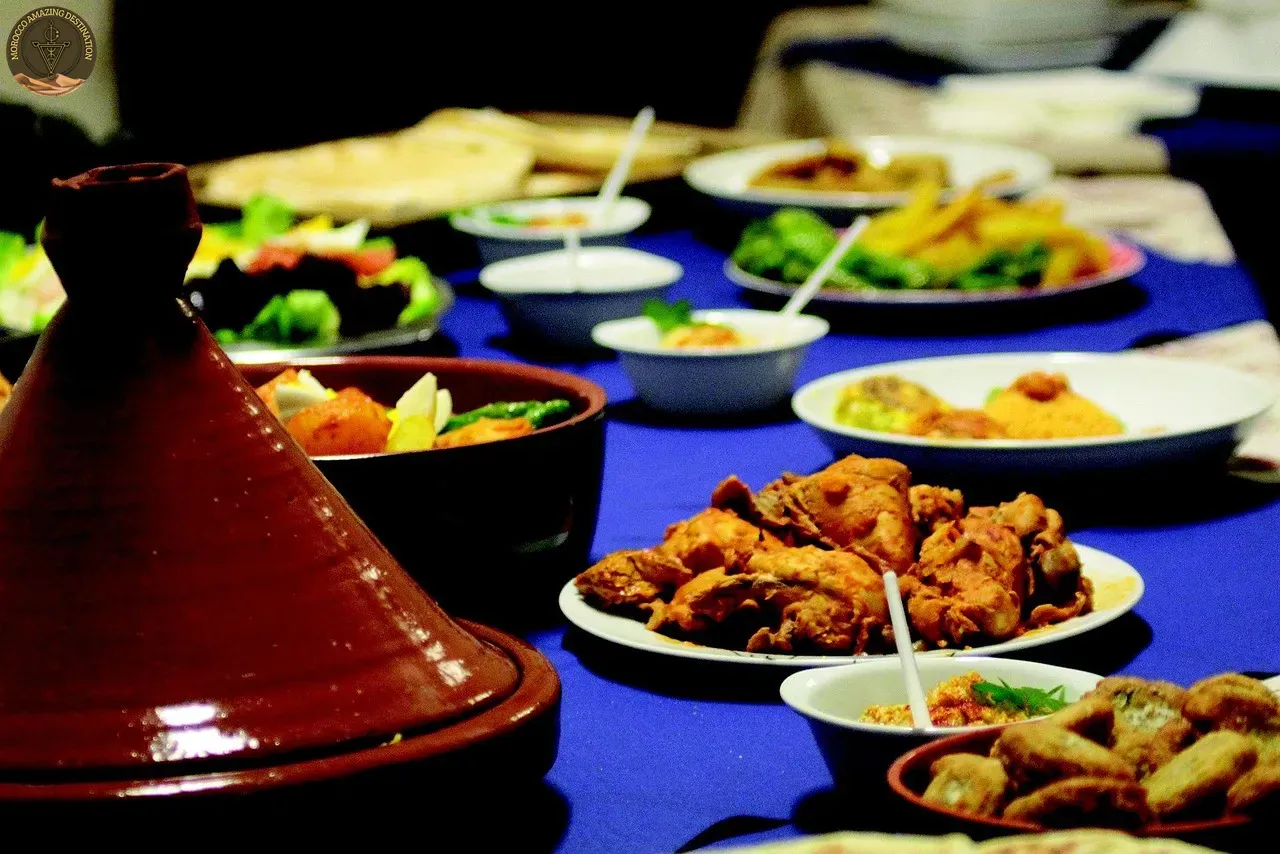
Pastilla, also spelled b’stilla, is the other signature classic. It is a Fes specialty: paper-thin warqa pastry layered with pigeon or chicken, almonds, egg, cinnamon and powdered sugar. Pigeon is the traditional filling, though chicken is now far more common. The result is Morocco’s boldest sweet-savoury dish, and it surprises almost every first-timer. Look for it served warm, not hot, so the sugar and cinnamon stay in balance.
Both dishes reward patience. Couscous is steamed several times, and pastilla is built by hand, layer by layer, before it is dusted with sugar. It is also the dish most Moroccans associate with home, and asking for either one in a Fes riad shows you care.
Harira, Mechoui and Other Iconic Dishes
Beyond the big three, Moroccan cooking opens into a deeper table. Harira is the tomato, lentil and chickpea soup that breaks the fast during Ramadan, though it is served all year, often with dates and honey pastries. Mechoui is pit-roasted lamb, carved at feasts and family celebrations. Each dish has its own season and its own occasion.
Celebration dishes to know:
- Tanjia: Marrakech lamb cooked slowly in a clay urn in hammam embers.
- Rfissa: shredded pastry with chicken and lentils, served at weddings and births.
- Bissara: creamy fava bean soup, a cool-morning staple in the north.
- Mechoui: whole roast lamb, the centrepiece of large gatherings.
- Harira: tomato, lentil and chickpea soup, served with dates and lemon.
Global food rankings place Moroccan cuisine around 30th worldwide, with specialties like rfissa, tanjia, maakouda and sfenj rating highly. These are the dishes Moroccans cook when the whole family gathers. That consistency across so many plates is what keeps the cuisine in the conversation.
Street Food, Sweets and Mint Tea
Moroccan street food is fast, affordable and full of character. Maakouda is a fried potato cake eaten hot from the pan. Msemen is a flaky square flatbread, often served with honey, and sfenj is a light doughnut best enjoyed fresh and warm. Locals eat these standing up, straight from the stall, and the prices stay low.
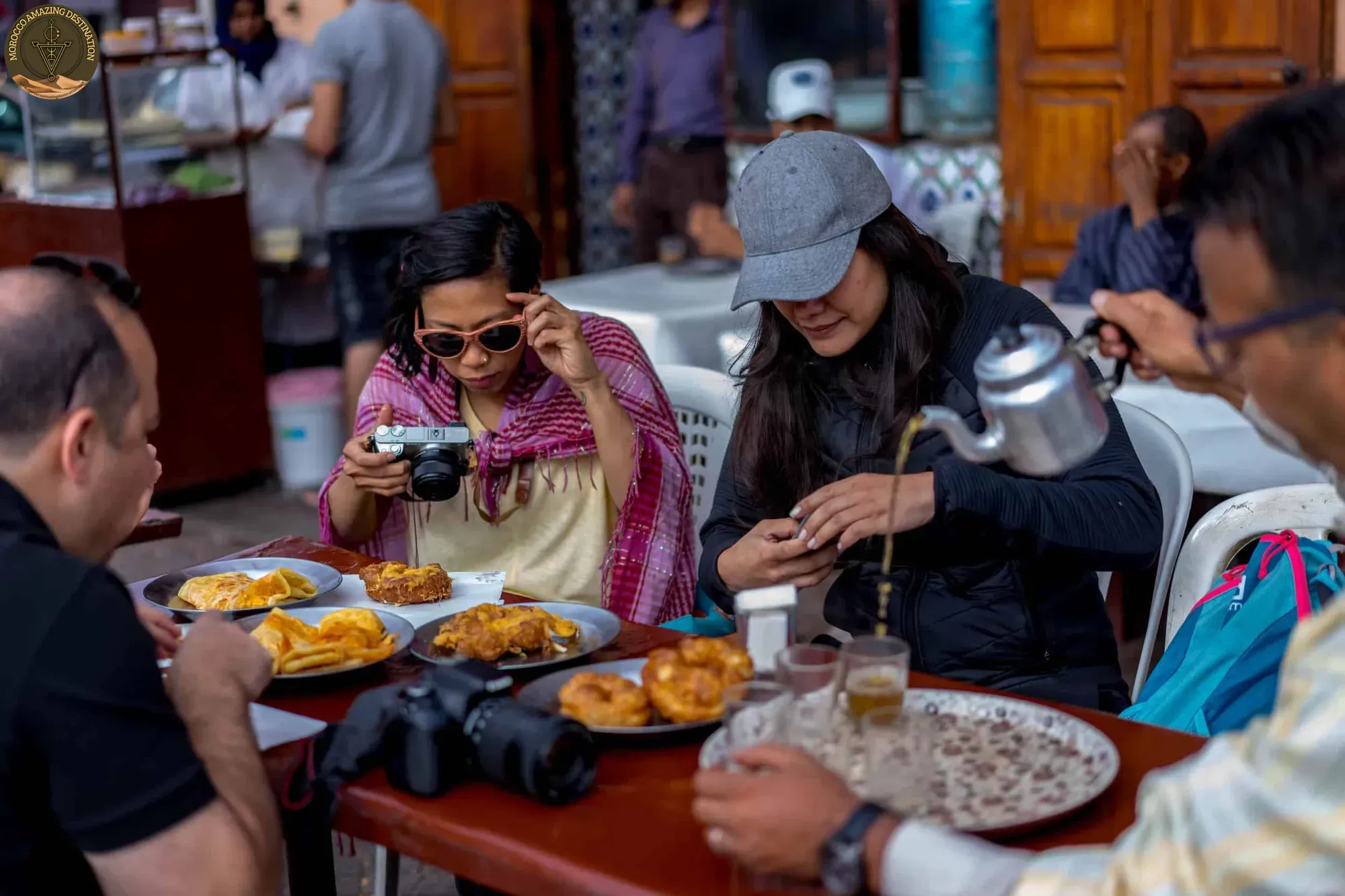
No meal ends without mint tea, known locally as “Berber whiskey”. It is poured from height to aerate the tea and build a fine foam. Order it in a medina café and you will see the ritual at its best. The glass is refilled until you turn it upside down. Sweets round things off, from chebakia to kaab el ghzal, the almond-filled “gazelle horns”.
Sweet bites to try:
- Chebakia: flower-shaped sesame pastry glazed in honey.
- Kaab el ghzal: crescent pastries filled with almond paste.
- Sfenj: airy doughnuts, sometimes dipped in sugar.
- Ghriba: almond shortbread, a favourite everyday cookie.
- Mint tea: green tea with fresh mint, the national drink.
Taste Morocco’s Signature Dishes on a Private Tour
The best way to meet these dishes is at the source, with someone who knows which kitchen cooks them properly. A private tour turns mealtime into part of the journey, from a Fes pastilla to a desert tagine under the stars. Your driver-guide can point you to trusted kitchens between stops, so you never guess. For a fuller dish-by-dish breakdown, see our guide to what to eat in Morocco.
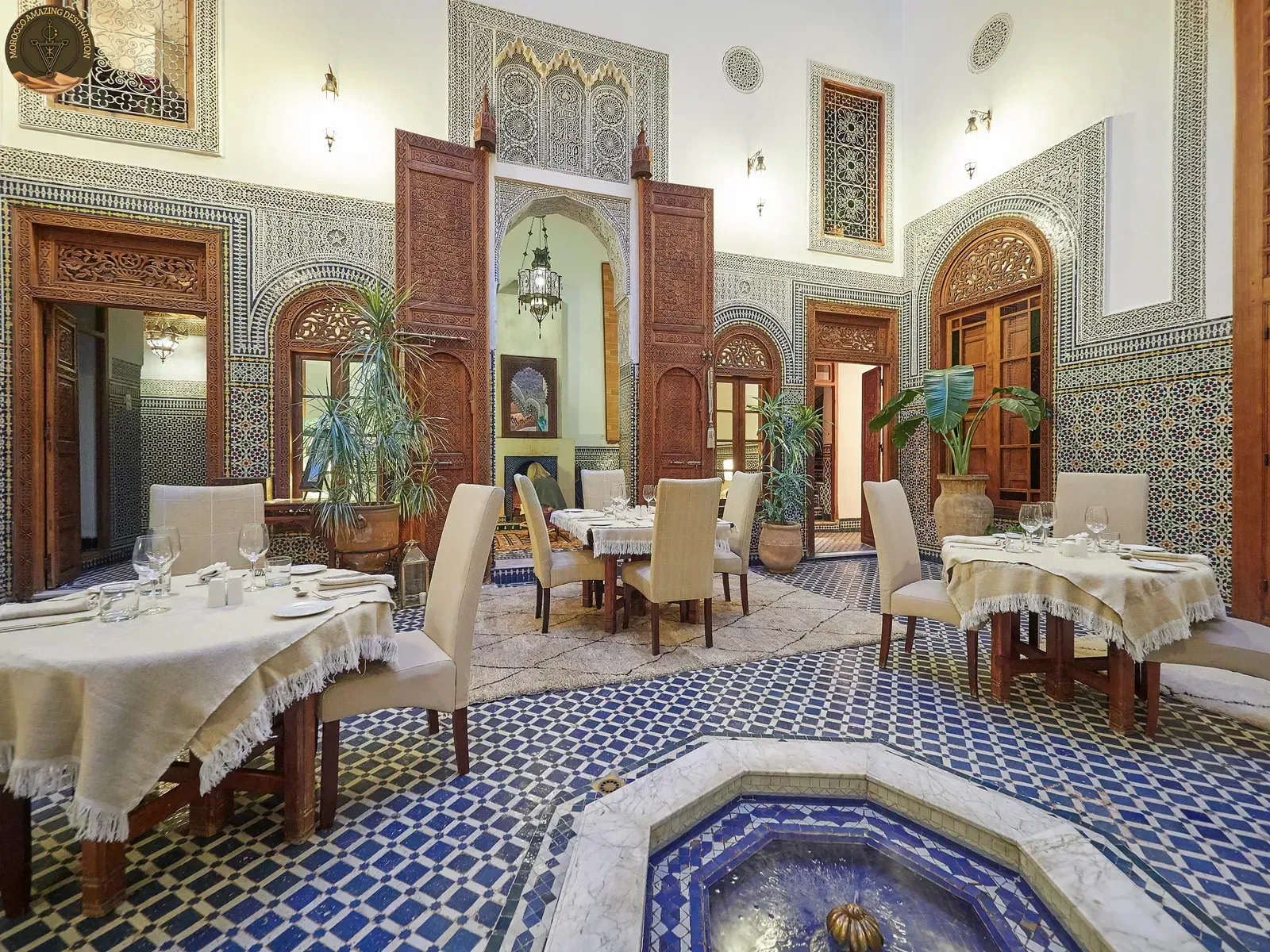
Our 4-Day Morocco Desert Tour from Marrakech pairs Atlas passes and a night in the dunes with real Moroccan cooking along the way. If your time is shorter, the 3-Day Trip from Marrakech to Merzouga packs tagine, couscous and mint tea into a compact desert itinerary. Both routes include breakfast and dinner, and dietary needs are easy to arrange in advance.
We can customize a tour to match your needs — design your perfect itinerary.
If you found this helpful, add us as your preferred source on Google.
Frequently Asked Questions
What food is Morocco most famous for?
Morocco is most famous for tagine, a slow-cooked stew named after the conical clay pot it is cooked in. Couscous and pastilla are close behind, and together these three dishes define Moroccan cooking for most first-time visitors.
What is Morocco's national dish?
Couscous is widely considered Morocco's national dish. Steamed semolina is heaped with vegetables and meat and shared by families after Friday midday prayers, and the knowledge and practices behind it are recognised on the UNESCO Intangible Cultural Heritage of Humanity list.
Which iconic Moroccan dishes should first-timers try?
Start with tagine, couscous and pastilla, then add harira, mechoui, tanjia and kefta tagine. For street food, try maakouda, msemen and sfenj, and finish every meal with a glass of mint tea.
What makes Moroccan food unique?
Moroccan cooking blends Amazigh, Arab, Andalusian and Mediterranean influences. Its signature is the balance of sweet and savoury — cinnamon, almonds and dried fruit with slow-cooked meat — plus spice blends such as ras el hanout and chermoula.
Ready for an Adventure?
Have questions? Feel free to contact us using the form below. We're here to help!