· Travel · 6 min read
What Does Morocco Produce? Main Exports and Products Guide
Discover what does Morocco produce — argan, citrus, phosphates, sardines and crafts. Explore origins and plan your tasting journey.
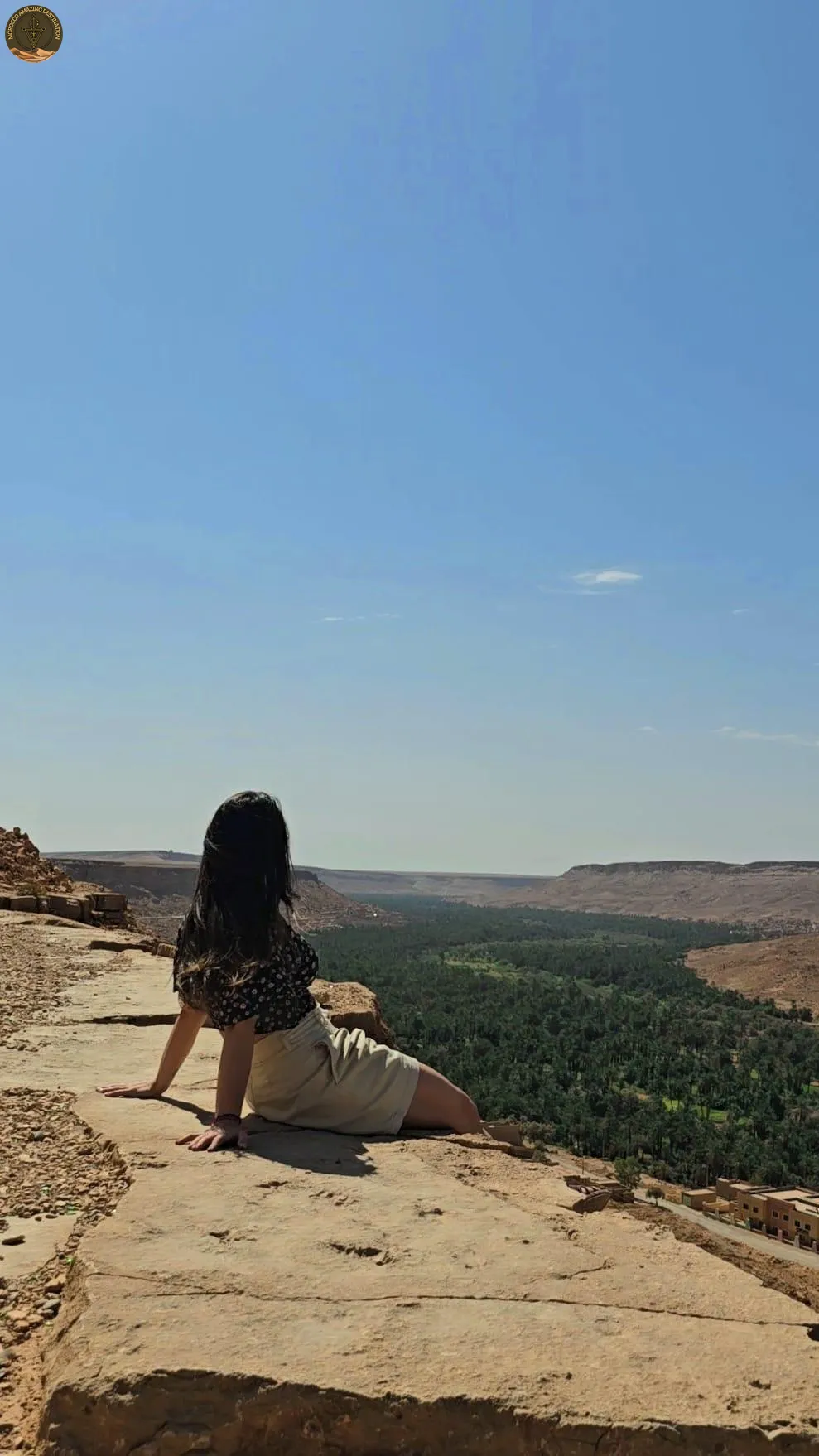
If you have ever wandered a Moroccan souk or driven past endless olive groves, you may have wondered what does morocco produce beyond the spices on display. Morocco produces a rich mix of farm goods, sea harvest, world-leading phosphates, modern cars, and living crafts that shape every landscape and market you visit.
In this guide, we will break down what does morocco produce across its fertile plains, Atlantic coast and artisan cities, and how you can experience each product on a private route with a local driver and guide.
Agricultural Heartlands — Citrus, Olives and Argan
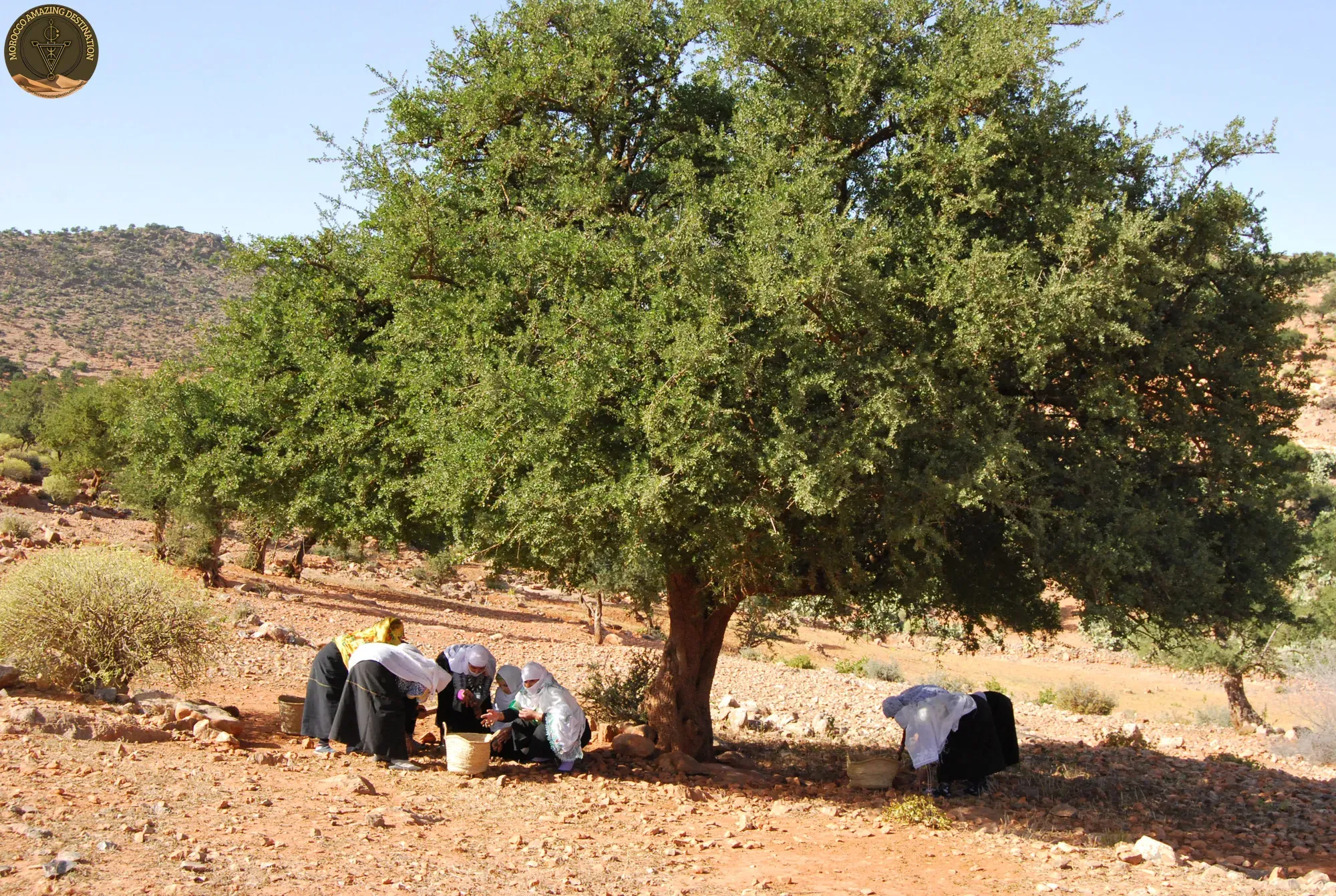
The heart of morocco agricultural products lies in the Atlantic plains of Gharb and Souss, the foothills of the Atlas, and the palm oases of the southeast. Here citrus orchards, olive groves and tomato fields stretch to the horizon, while date palms line the Draa and Ziz valleys. Argan trees, found only in the southwest, anchor a unique ecosystem that locals have protected for generations.
Farm life supports many rural families and defines the rhythm of travel. You will see roadside stalls piled with oranges, trucks loaded with tomatoes, and women cracking argan nuts by hand in small cooperatives. The famous Rose Valley near Kalaat M’Gouna adds another fragrant layer, with fields harvested for rose water and oils.
Key products to spot along the road:
- Citrus: Oranges, clementines and lemons from irrigated plains, picked fresh and sold by the kilo in markets.
- Olives and olive oil: Village presses produce fruity oil, a staple for tagines and salads.
- Tomatoes and vegetables: Greenhouse and open-field harvests supply both local souks and export markets.
- Dates and almonds: Oasis dates from Tafilalet and sweet almonds from mountain terraces.
- Argan oil: Hand-pressed by women’s cooperatives for kitchen use and cosmetics, a true southwest treasure.
Phosphates and Industry — The Engine Beneath
Beyond the fields, morocco main exports draw power from what lies underground and offshore. Morocco holds the world’s largest phosphate reserves, concentrated around Khouribga and Benguerir, with major processing and ports at Jorf Lasfar and Safi. This rock becomes fertilizer that supports food production far beyond Morocco.
The Atlantic coast adds a second engine. With cold upwelling along more than 3,000 kilometers of shoreline, the sea teems with small pelagic fish. Morocco ranks among the top sardine producers in the world and leads global canned-sardine exports. Ports like Agadir, Tan-Tan, Laayoune and Safi bustle with boats, markets and canneries that you can visit with a guide.
Industry has grown around these resources. Tanger Med, one of Africa’s largest ports, connects huge auto plants near Tangier and Kenitra that assemble hundreds of thousands of cars, most headed abroad. Aerospace workshops cluster near Casablanca, adding precision parts to the export mix. For travelers, this industrial strength feels seamless, with smooth highways and well-served coastal cities that make private touring comfortable and hassle-free.
Crafts and Textiles — What You Take Home
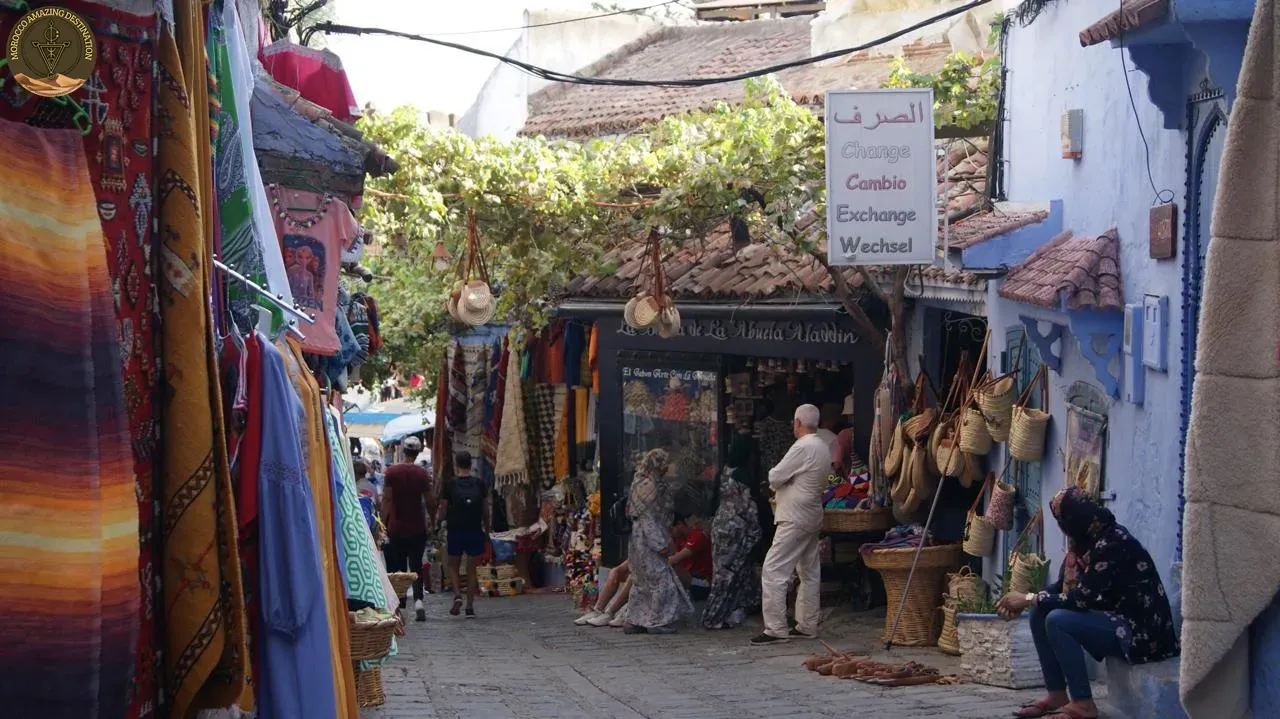
If agriculture feeds the country and phosphates power exports, crafts tell its cultural story. What is morocco known for producing for shoppers is a world of handmade skill passed through families and neighborhoods. Each city keeps a specialty, and each piece carries the mark of the maker.
In the UNESCO World Heritage site of Fes el-Bali, tanneries like Chouara have worked leather since the eleventh century. Hides are dyed in stone pits by hand, then cut into bags, babouches and jackets. Nearby kilns fire pottery painted with cobalt and white, while zellige artisans cut tiny tiles for mosaics. In the Atlas, Berber women weave wool carpets and flat-weave rugs, knotting symbols that tell personal and tribal stories.
Highlights for thoughtful shopping:
- Carpets and rugs: Thick pile or flat kilim, wool dyed with natural colors, each pattern tied to a village.
- Leather goods: Soft bags and slippers shaped and dyed by hand, best bought in trusted workshops with clear pricing.
- Pottery and zellige: Safi and Fes ceramics, and Tamegroute green glaze, plus mosaic tiles for home decor.
- Thuya wood and brass: Essaouira thuya boxes, lanterns and trays carved from fragrant root wood.
- Rose and perfume: Distilled rose water, dried petals and soaps from the Valley of Roses.
A private guide helps you meet makers, understand technique and choose quality without pressure, so your purchase supports craft families directly.
Taste Morocco — From Field to Souk
Tasting is the most direct way to understand what does morocco produce. Field harvest becomes souk display and then shared dish, with short supply chains and vivid flavors. Follow the produce and you follow the culture.
Markets link every product you have seen on the road. Mountains of olives marinated with herbs, pyramids of oranges, fresh-baked bread, and grills sending up smoke from just-landed sardines create a feast for the senses. Dates and almonds line the stalls in palm towns like Rissani, while spice tables add color and aroma that invite you to linger.
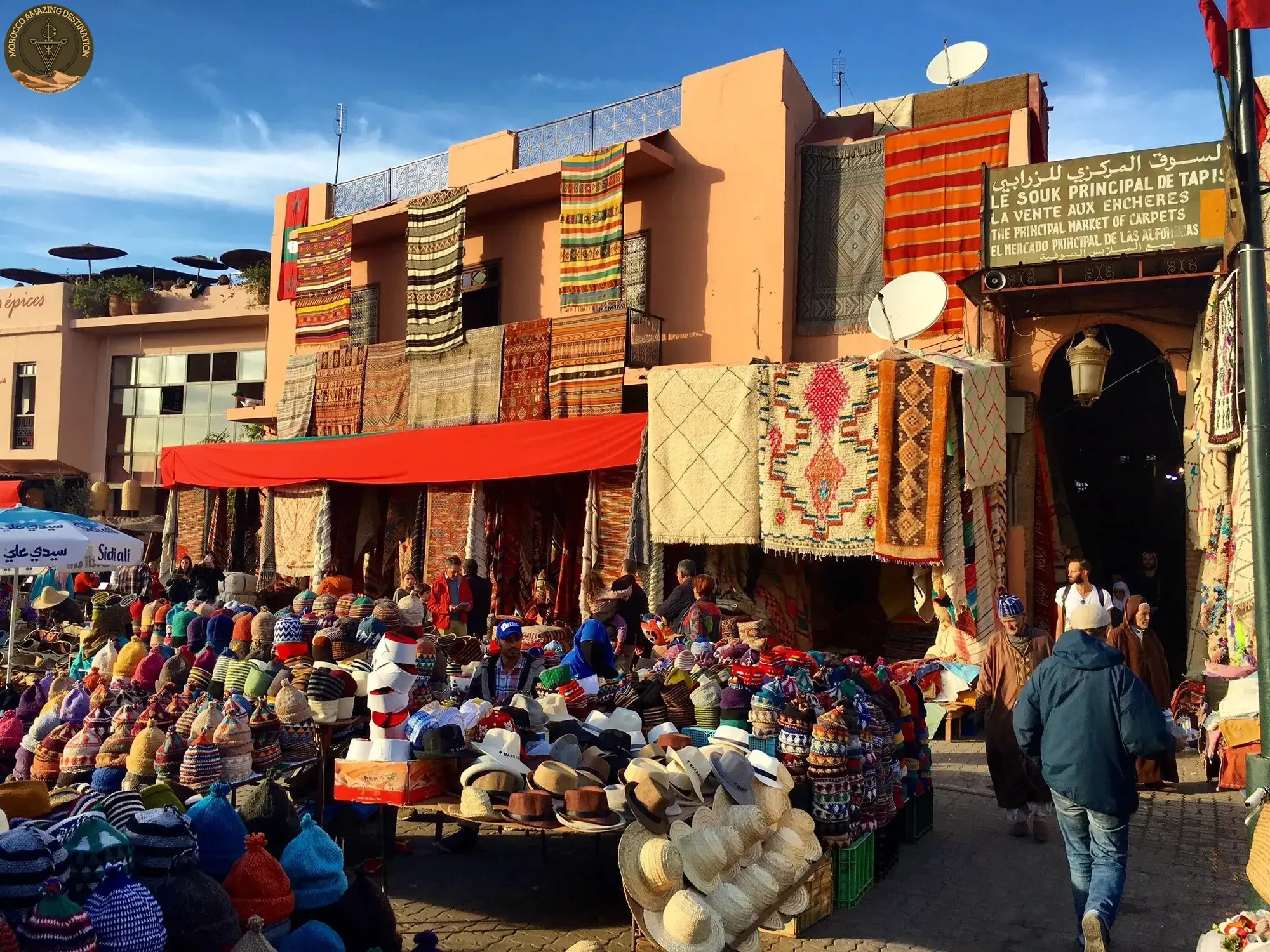
What to expect on a tasting route:
- Tagine ingredients: Tomatoes, olives, preserved lemons and olive oil form the base of slow-cooked stews.
- Grilled sardines: Fresh from Atlantic ports, simply grilled and served with bread and salad.
- Dates and honey: Oasis dates paired with almond pastries and spoonfuls of local honey.
- Souk spices: Cumin, paprika, ginger and ras el hanout blended to order, perfect for cooking at home.
- Argan touch: A drizzle of culinary argan oil on salads or amlou, a sweet almond and argan spread.
Your driver can time stops at trusted cooperatives and family-run stalls, where tasting is unhurried and stories are shared over mint tea.
Plan Your Journey Through Morocco’s Produce
Morocco produces for the world, but you experience it best on the ground, where a grove becomes a tasting and a workshop becomes a lesson. With a private tailor-made tour, you can choose your focus without stress. Food lovers linger in farm valleys and oases, design lovers chase crafts from Fes to Essaouira, and curious travelers enjoy both with smooth logistics and hand-picked stays.
To follow produce from field to coast, consider the 8-Day Morocco Tour: Marrakech, Sahara Desert & Essaouira Adventure, which crosses argan groves, the Valley of Roses, date souks and the Essaouira fishing port. For the north and heritage crafts, the 7-Day Morocco Tour from Fes links the Chouara tannery in Fes el-Bali, Ziz Valley oases and Rissani market.
We can customize a tour to match your needs — design your perfect itinerary
If you found this helpful, add us as your preferred source on Google.
Frequently Asked Questions
What does Morocco produce the most?
Morocco produces phosphates and fertilizers, farm goods like tomatoes, citrus, olives and dates, plus sea harvest led by sardines, and growing auto and aerospace parts. Agriculture and the Atlantic fishery support rural jobs, while phosphates drive exports.
What are Morocco main exports?
Morocco main exports include phosphates and fertilizers, fresh tomatoes and citrus, olives and olive oil, canned sardines, textiles and clothing, and vehicles. Cars and phosphates often rank at the top by value, followed by produce and seafood.
What are the main Morocco agricultural products to taste on a trip?
Key Morocco agricultural products are citrus from Gharb and Souss, olives and olive oil, tomatoes, dates from Tafilalet and Draa oases, almonds, and argan oil in the southwest. You can taste them in markets, cooperatives and farm valleys along your route.
What is Morocco known for producing to bring home?
What Morocco is known for producing for shoppers includes Berber carpets and rugs, leather from Fes tanneries, pottery from Safi and Fes, thuya wood from Essaouira, and rose water from Kalaat M'Gouna. Each craft reflects regional skills and living traditions.
Ready for an Adventure?
Have questions? Feel free to contact us using the form below. We're here to help!