
· Travel · 4 min read
Things to Pack for Morocco: The Complete Packing List
Three climates, one bag: the complete Morocco packing list for desert, Atlas and coast — plus the essentials most travellers forget.
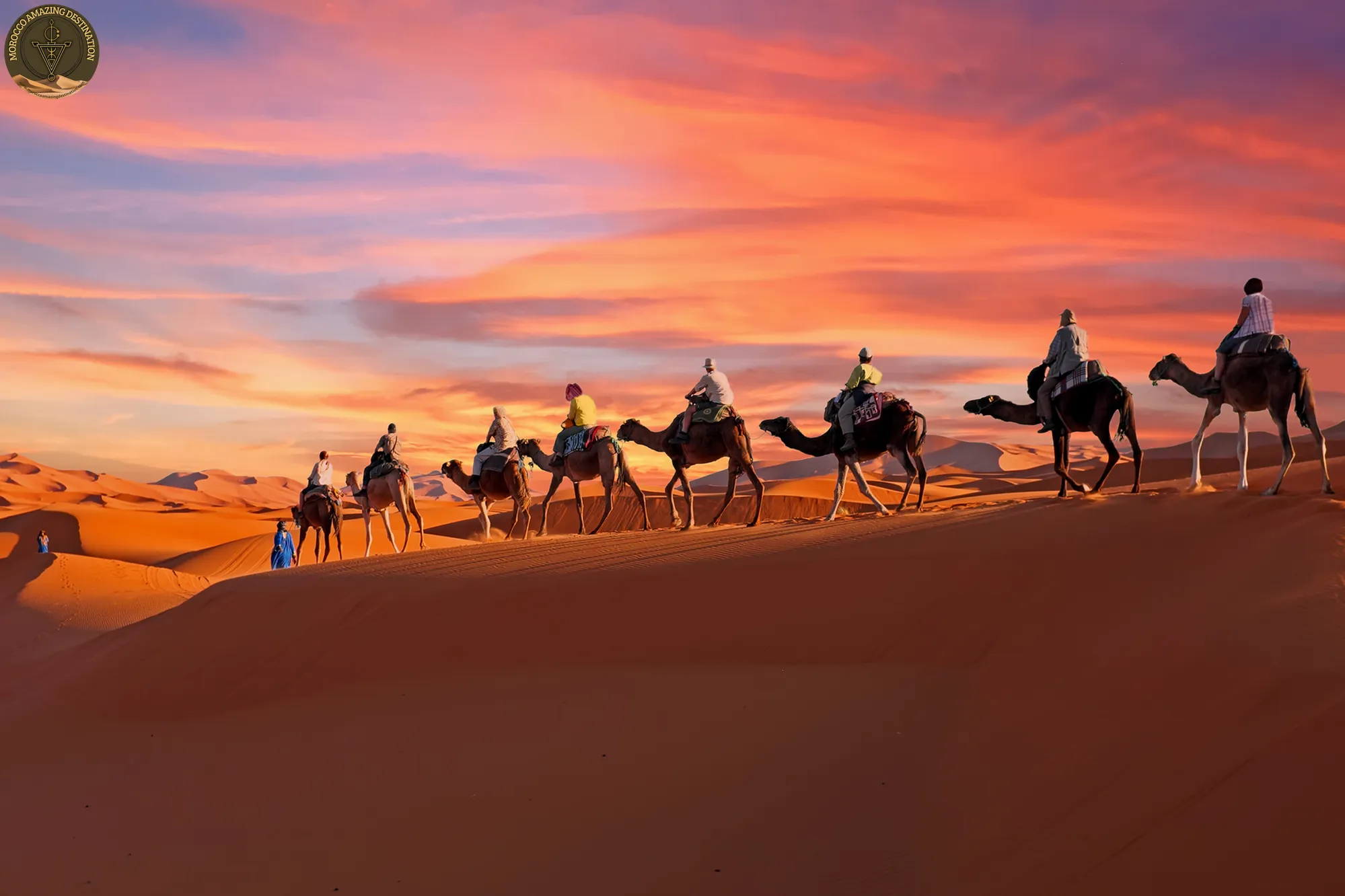
Planning what to bring can feel harder than choosing an itinerary, because Morocco squeezes three climates into one trip. Hot inland cities, a cold High Atlas and a Sahara of scorching days and near-freezing nights sit within a few hours’ drive. The short answer: things to pack for Morocco come down to one rule — layer, and pack for three climates, not one.
In this guide, we break down what to pack for Morocco by region and season. We cover clothes and layers, desert night gear, sun and health essentials, then documents, money and tech — your complete morocco packing list, light enough for one bag.
Morocco’s Micro-Climates: Why Packing Varies
Morocco is a country of micro-climates, and your bag has to work in all of them. The Atlantic coast stays mild and breezy. Inland cities such as Marrakech run hot in summer, with July highs near 38°C. The High Atlas turns cold with altitude and holds snow above roughly 1,500 m in winter.
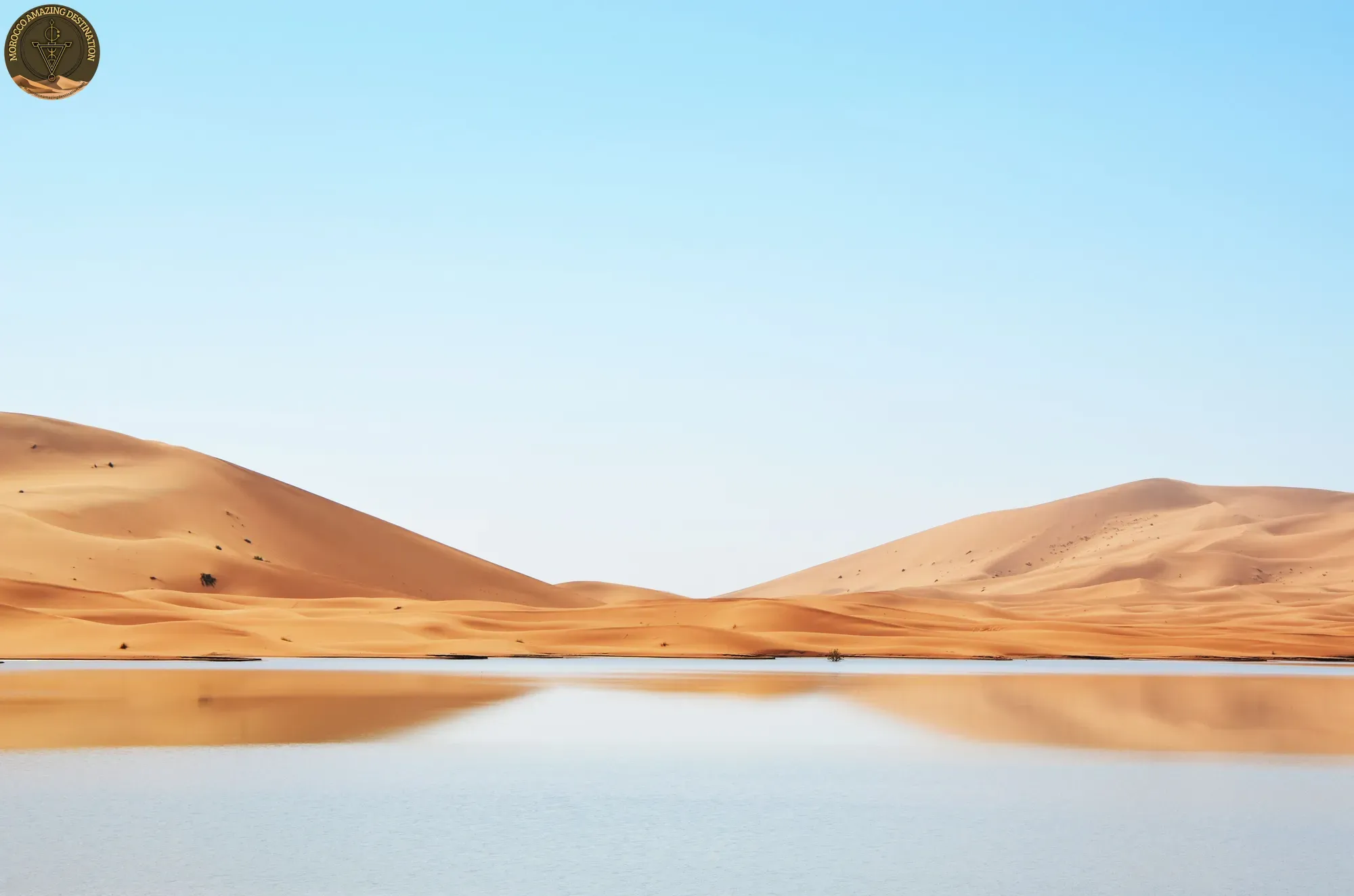
That range is why one outfit never works. A light linen shirt feels perfect in Marrakech at noon and useless on a desert evening hours later. Pack layers you can add or remove, and plan by region, not by country.
- Coast: mild and breezy; add a light jacket for evenings.
- Inland cities: hot, dry summers — breathable fabrics matter most.
- High Atlas: cold at altitude with winter snow; bring a warm layer.
- Sahara: exposed, hot days but genuinely cold nights.
Clothes & Layers for Desert, Atlas and Coast
Start with breathable cotton or linen for daytime: long sleeves and light trousers keep you cool and covered. Natural fabrics breathe better than synthetics, and loose cuts shield you from the sun. Add one warmer mid-layer for evenings and air-conditioned transport.
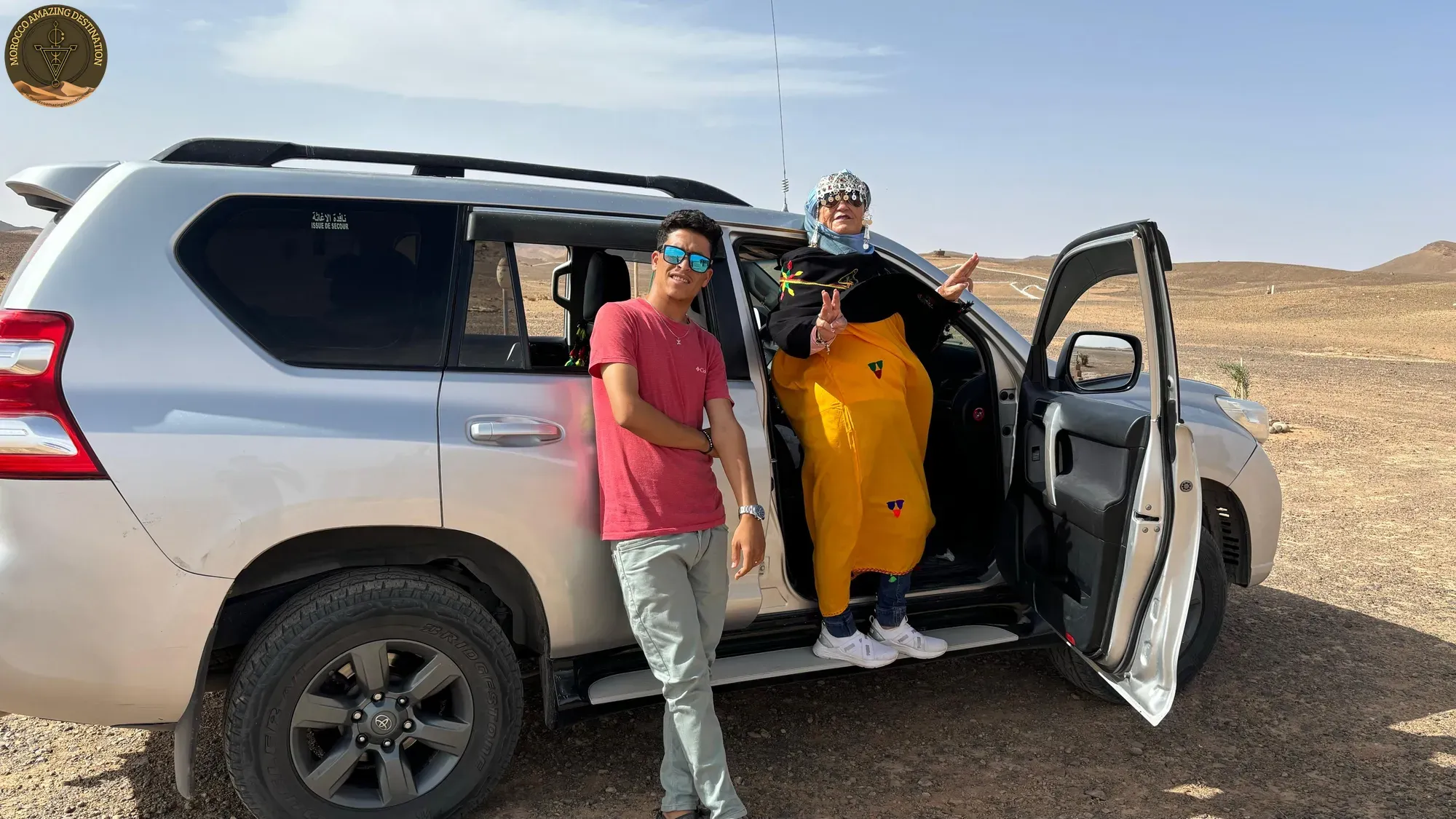
In winter, or on any Atlas and desert itinerary, a fleece or packable down jacket plus a thermal base layer make the real difference. Many riads and hotels rely on light heating only, so warm socks, a beanie, a scarf and gloves earn their place.
For religious sites and rural areas, cover shoulders and knees in the medinas and carry a light scarf. See our guide on how to dress in Morocco.
- Daywear: long-sleeve cotton or linen shirts and light trousers.
- Mid-layer: one fleece or sweater for evenings and air conditioning.
- Winter and Atlas: thermal base layer, down or fleece jacket, warm socks.
- Accessories: scarf, beanie and gloves for cold mornings and desert nights.
Sahara Night Gear & Desert Camp Essentials
The Sahara is where packing matters most, because temperatures swing hard between afternoon and night. Days are hot and exposed, while nights fall close to freezing in winter — often around 0–5°C. A windproof or down layer is essential, and a small headlamp helps around camp once the generators stop.
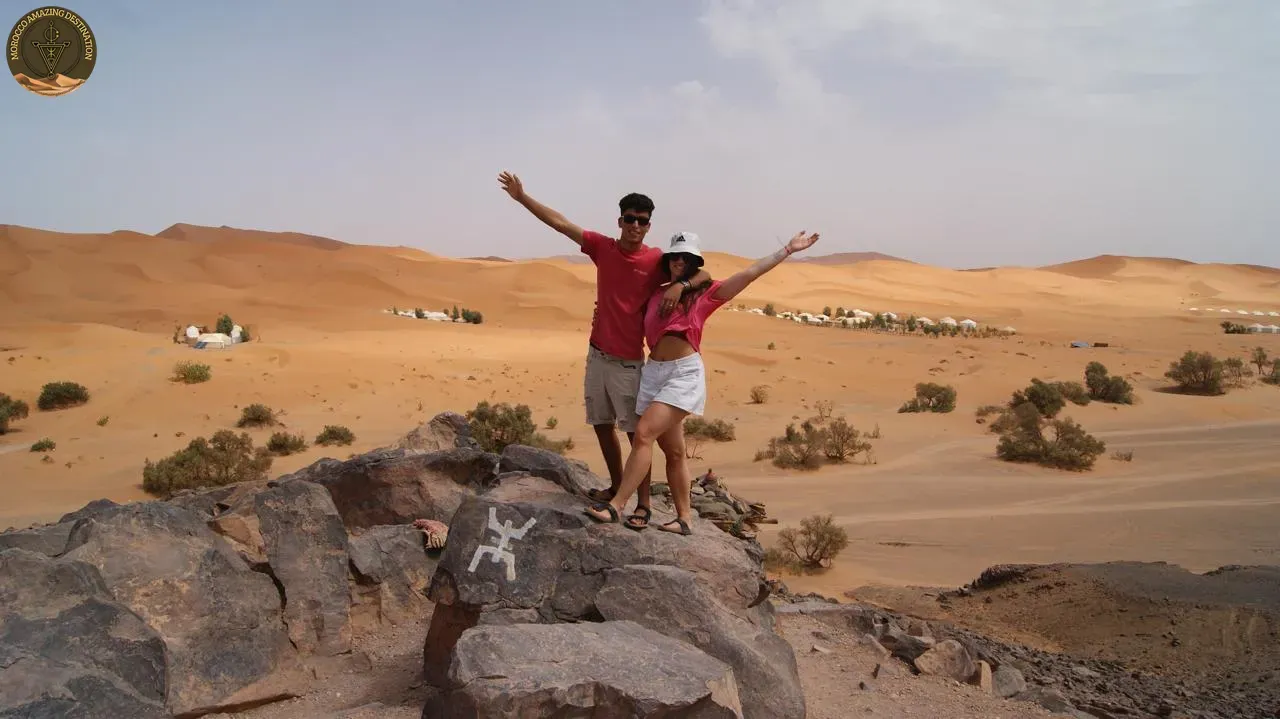
Footwear should cover three surfaces. Closed, supportive shoes suit medina cobbles, and a closed pair suits dune walks, since sand burns feet and fills open shoes. For the Atlas, choose trail shoes with ankle support, and keep thin sandals for riads and hammams.
- Sun: SPF30+ sunscreen, wide-brim hat, UV sunglasses and lip balm.
- Desert night: beanie, scarf, warm socks and a small headlamp.
- Health: sealed bottled or boiled water, rehydration salts, anti-diarrhoeal.
- Cover: travel insurance arranged before you leave.
Travel Adapter, Power Bank, Money and Documents
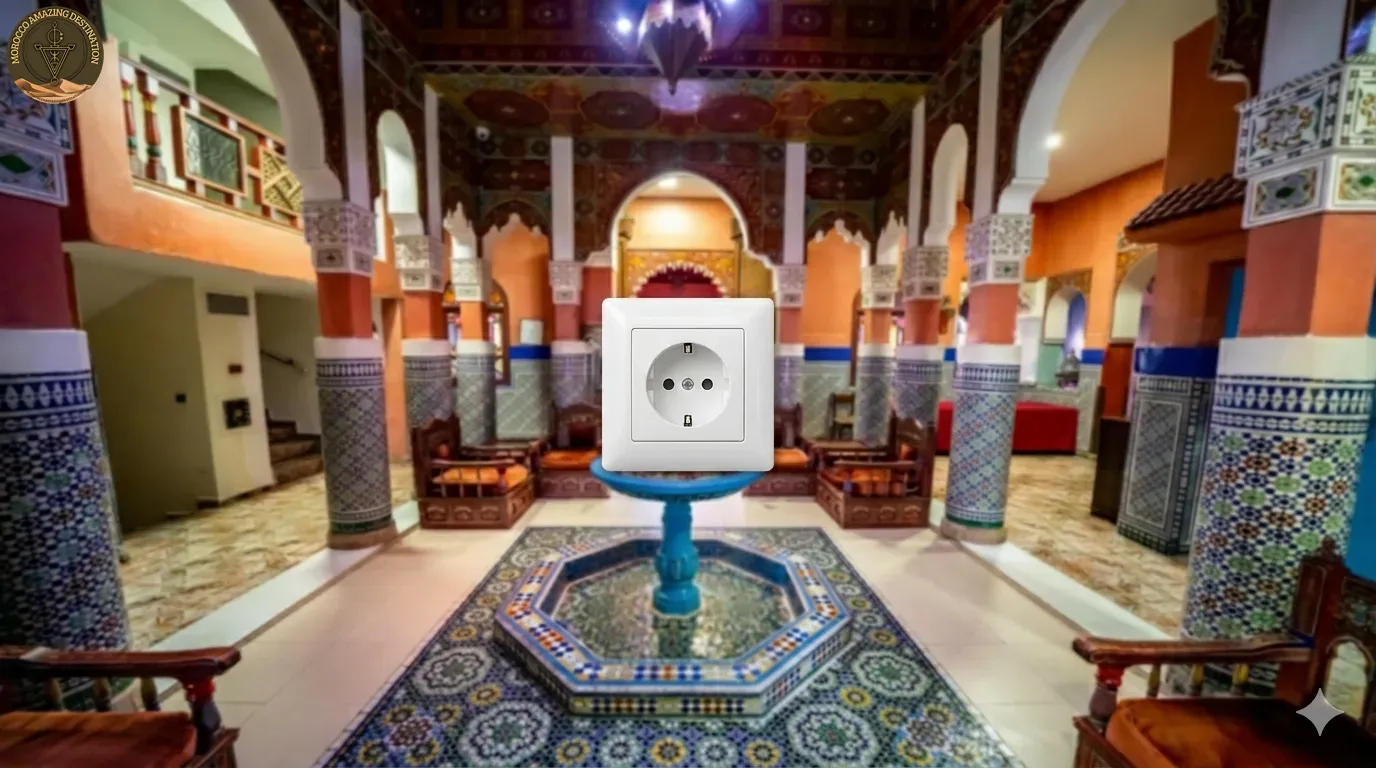
Morocco uses Type C and E outlets at 220V / 50Hz. Travellers from the US, UK or Australia need a travel adapter. A converter is only needed for single-voltage appliances — phones, laptops and cameras run on 100–240V and are fine with an adapter alone.
Carry your passport, travel insurance details and printed or offline copies. For money, the dirham is a closed currency, so get it on arrival at ATMs and keep low-denomination notes for souks, taxis and tips.
- Tech: plug adapter, power bank and a compact charging cable set.
- Day bag: crossbody or anti-theft bag for medinas and souks.
- On the go: water bottle, scarf, sun cream and a mini first-aid kit.
Packing Tips & Planning Your Tour
Most travellers overpack, and it shows. Riads have narrow stairs, taxis have tiny boots and desert camps offer little storage. Roll your clothes, use packing cubes and keep a soft bag for the desert leg. You do not need specialist gear — everyday layers plus a few smart extras are enough.
Dress in layers, leave a little room for souvenirs and keep essentials in your day bag. This morocco travel essentials approach suits first-time visitors, couples and families alike.
Ready to put the list to use? Our 4-Day Morocco Desert Tour from Marrakech covers the Atlas, Ait Ben Haddou and a night in Merzouga. The 8-Day Morocco Tour: Marrakech, Sahara Desert & Essaouira adds the Atlantic coast.
We can customize a tour to match your needs — design your perfect itinerary.
If you found this helpful, add us as your preferred source on Google.
Frequently Asked Questions
What should I pack for Morocco?
Pack for three climates: breathable cotton or linen for hot days, a fleece or packable down layer for cold evenings, plus sun protection, a plug adapter and your documents.
What should I wear in the Sahara desert at night in Morocco?
Desert nights get genuinely cold and can drop close to freezing in winter. Bring a windproof layer, beanie, scarf and warm socks.
Do I need a travel adapter for Morocco?
Yes, if you come from the US, UK or Australia. Morocco uses Type C and E outlets at 220V / 50Hz, so you need a plug adapter.
How cold does Morocco get in winter?
Cities stay mild by day, but the High Atlas and the Sahara turn cold at night and can hold snow or frost in winter.
Ready for an Adventure?
Have questions? Feel free to contact us using the form below. We're here to help!