· Food · 7 min read
The Best Tangier Cooking Class: Learn Authentic Moroccan Cuisine with Local Chefs
Discover the best Tangier cooking class. Learn authentic Moroccan cuisine with local chefs. Market tours, traditional recipes, prices and expert tips.
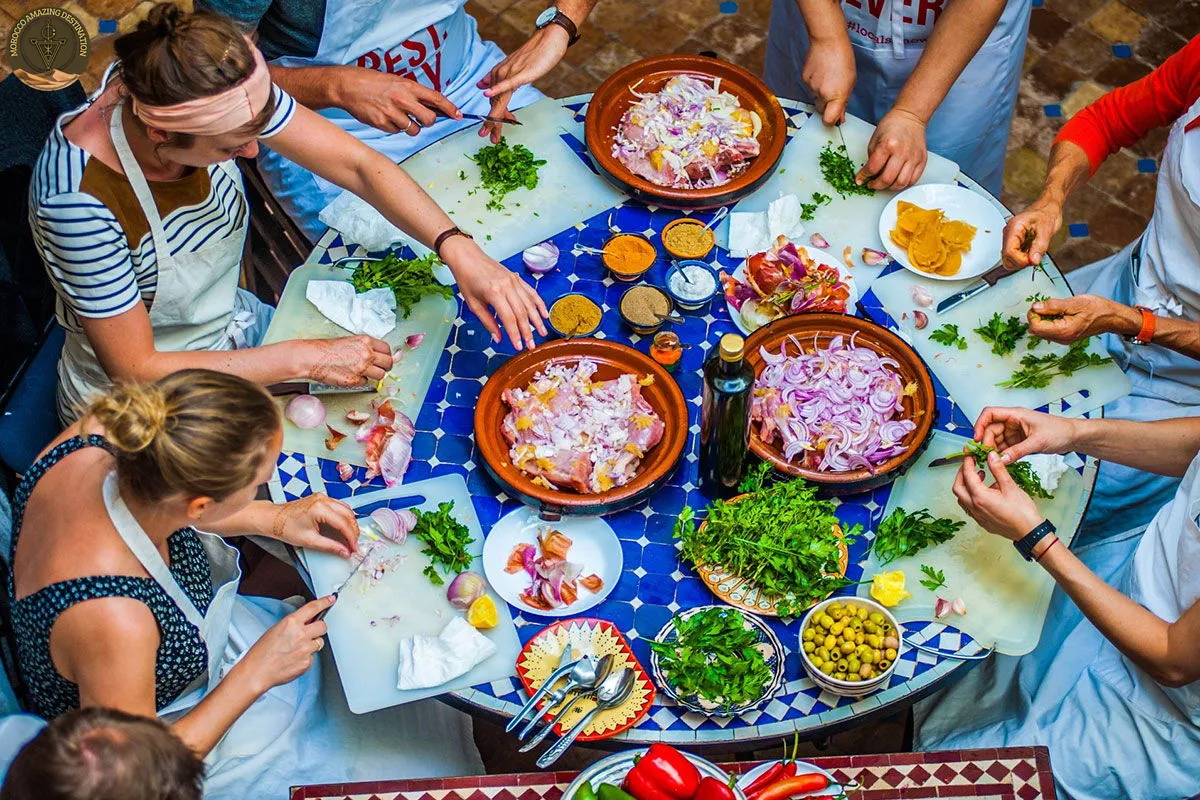
A Tangier cooking class is one of the most immersive ways to experience the rich culinary heritage of northern Morocco. Overlooking the Strait of Gibraltar, Tangier has been a crossroads of cultures for centuries — Berber, Arab, Andalusian, and European influences all blend into a cooking class Tangier experience that is unlike anything you will find elsewhere in the country. Whether you are a seasoned foodie or a curious traveller, learning to prepare traditional Moroccan cuisine in Tangier connects you to the soul of this fascinating port city.
Why Choose a Tangier Cooking Class?
Tangier’s culinary identity is shaped by its geography and history. As a gateway between Africa and Europe, the city has absorbed flavours and techniques from across the Mediterranean. A Tangier cooking class gives you more than a set of recipes — it opens a window into the daily life, traditions, and hospitality that define Moroccan culture.
- Mediterranean-meets-Moroccan fusion: Unlike inland cities, Tangier’s cuisine incorporates fresh seafood, lighter spice profiles, and Spanish-inspired touches that set it apart.
- Authentic market immersion: Many classes begin with a guided walk through Tangier’s bustling souks, where you learn to select seasonal produce, identify quality spices, and haggle with vendors like a local.
- Small group intimacy: Cooking classes in Tangier tend to be more intimate than those in larger tourist hubs, often hosted in private homes or traditional riads with panoramic views of the medina.
- Skills you take home: From layering a tagine to steaming couscous to perfection, the techniques you master will elevate your cooking long after you leave Morocco.
What You Will Learn in a Tangier Cooking Class
Mastering the Tagine
The tagine is the heart of Moroccan cuisine, and no Tangier cooking class is complete without it. Named after the conical clay pot in which ingredients slowly simmer, the tagine transforms simple ingredients into deeply aromatic meals. In your class, you will discover the art of layering — vegetables at the base, meat nestled in the centre, spices scattered throughout — so flavours meld over gentle heat.
Common tagine variations you might prepare:
- Chicken tagine with preserved lemon and olives — the quintessential Moroccan dish
- Lamb tagine with prunes and almonds — a sweet-savoury classic reserved for celebrations
- Kefta tagine — spiced meatballs simmered in a rich tomato sauce with eggs
Tangier’s Coastal Specialties
What makes a cooking class in Tangier truly unique is access to the sea. Tangier’s fishing port supplies some of the freshest seafood in Morocco, and local recipes reflect this bounty. Depending on the season, you may prepare:
- Fish tagine with chermoula — a vibrant marinade of coriander, parsley, garlic, cumin, paprika, and preserved lemon
- Stuffed sardines — a beloved street food, filled with a fragrant chermoula paste and pan-fried to crispy perfection
- Seafood bastilla — a coastal twist on the classic pigeon pie, layered with shrimp, squid, and vermicelli in flaky warqa pastry
The Art of Moroccan Bread and Pastries
Bread is sacred in Moroccan culture, and learning to make khobz — the round, rustic flatbread served at every meal — is a highlight of any Tangier food experience. You will knead the dough, shape it by hand, and bake it until golden. There is something deeply satisfying about tearing into warm bread you made yourself and using it to scoop up a tagine cooked from scratch.
If your class includes pastry instruction, you may also learn to prepare:
- Msemen — flaky, buttery square pancakes often served with honey for breakfast
- Sellou — a nutty, toasted flour confection traditionally served during Ramadan and special occasions
The Mint Tea Ceremony
No traditional cooking class in Morocco is complete without mastering the ritual of Moroccan mint tea, affectionately nicknamed “Berber whiskey.” You will learn each step: layering gunpowder green tea with generous sprigs of fresh mint, pouring boiling water from a height to create the prized foam, and sweetening to the perfect level. The tea ceremony is a gesture of welcome and friendship — mastering it is a skill you will treasure.
Where to Find the Best Cooking Classes in Tangier
Cooking classes in Tangier are concentrated in and around the medina, the historic old town where narrow alleyways open into vibrant market squares. Here are the most popular formats:
- Riad-based classes: Traditional Moroccan houses with central courtyards provide a serene, atmospheric setting. Many feature rooftop terraces where you dine with views over the medina and the sea beyond.
- Family-hosted experiences: For the most authentic Tangier cooking class, join a local family in their home. A mother or grandmother will teach you recipes passed down through generations, sharing stories and traditions no restaurant can offer.
- Market-to-table workshops: Start with a guided souk tour where your chef-instructor shows you how to pick the finest spices, freshest vegetables, and best-quality olives, then return to the kitchen to transform your purchases into a feast.
What to Expect: Duration, Prices, and Practical Tips
Duration: Most cooking classes run between 3 and 5 hours. Morning sessions typically begin with a market visit around 9 or 10 AM, followed by cooking and a leisurely lunch. Afternoon and evening classes are also widely available.
Prices:
| Type of Class | Price Range (MAD) | Price Range (EUR) |
|---|---|---|
| Group class with market tour | 200-300 | €20-30 |
| Private class in a riad | 300-450 | €30-45 |
| Premium chef-led experience | 450-600 | €45-60 |
Practical tips for your Tangier cooking class:
- Book in advance, especially if you are visiting during spring or autumn, the busiest seasons in Tangier
- Arrive hungry — you will eat everything you prepare, plus extras your host insists on sharing
- Wear comfortable shoes if your class includes a market walk through the medina’s uneven streets
- Bring your phone or a notebook to capture spice blends, techniques, and family secrets your instructor shares
- Ask questions — chefs love discussing the origins of ingredients, regional variations, and the stories behind each dish
Tangier’s Unique Culinary Identity
To understand why a Tangier cooking class feels different from one in Marrakech or Fes, you need to appreciate the city’s extraordinary history. Tangier has been Phoenician, Roman, Arab, Portuguese, and British before becoming part of modern Morocco. In the twentieth century, it was an International Zone, attracting artists, writers, and spies from around the world.
This cosmopolitan past lives on in the kitchen. Tangier’s recipes are brighter and more Mediterranean than those of the interior. You will notice more olive oil, more fresh herbs, and a lighter hand with cumin and cinnamon. Seafood appears in forms rarely seen elsewhere in the country. It is Moroccan cooking seen through a coastal, outward-looking lens — and taking a class here lets you taste that difference firsthand.
Bring the Flavours of Tangier Home
A Tangier cooking class is more than a meal — it is a cultural journey, a hands-on history lesson, and a set of skills you will use for a lifetime. You will leave not only with a full stomach but with an understanding of how generations of Tangier home cooks have shaped ingredients, spices, and traditions into one of the world’s most beloved cuisines.
As you knead dough, layer spices into a tagine, and pour tea from a height, you become part of a tradition that stretches back centuries. And when you recreate these dishes in your own kitchen, the aromas will transport you straight back to the winding streets and sunlit rooftops of Tangier.
Discover More of Morocco Beyond the Kitchen
Once you have explored the flavours of Tangier, why not discover the landscapes and cities that inspire them? A Tangier cooking class pairs beautifully with a journey through the Rif Mountains, the blue streets of Chefchaouen, or the imperial cities that lie further south.
- 5-Day Tour to Chefchaouen and Imperial Cities from Tangier — Explore this tour
- 4-Day Trip from Tangier to Marrakech — Discover your journey
If you found this helpful, add us as your preferred source on Google.
Frequently Asked Questions
How much does a cooking class in Tangier cost?
A Tangier cooking class typically costs between 200 and 350 MAD (approximately €20-35) per person for a half-day session that includes a market visit, all ingredients, and the full meal you prepare. Premium private classes with renowned local chefs can range from 400 to 600 MAD (€40-60). Prices in Tangier are generally slightly lower than in Marrakech, offering excellent value for an authentic experience.
Do I need cooking experience to join a Tangier cooking class?
Not at all. Tangier cooking classes welcome all skill levels, from complete beginners to experienced home cooks. Your instructor will guide you step by step through every recipe, explaining techniques, spice combinations, and the cultural stories behind each dish. You will leave feeling confident and ready to recreate Moroccan flavours in your own kitchen.
What dishes will I learn in a Tangier cooking class?
Most classes teach you to prepare a full Moroccan meal including a classic tagine (chicken with preserved lemon and olives or lamb with prunes), couscous with seasonal vegetables, traditional Moroccan salads such as zaalouk and taktouka, and the iconic mint tea ceremony. Because of Tangier's coastal location, some classes also feature fresh seafood dishes like chermoula-marinated fish tagine.
Are Tangier cooking classes suitable for vegetarians or people with food allergies?
Yes, most cooking schools in Tangier happily accommodate vegetarian, vegan, and gluten-free diets. Moroccan cuisine is rich in plant-based dishes such as vegetable tagines, harira soup, and lentil-based recipes. Simply inform your instructor of any dietary requirements when booking and the menu will be adjusted accordingly.
Ready for an Adventure?
Have questions? Feel free to contact us using the form below. We're here to help!