
· Travel · 5 min read
Rules of Engagement Filming Locations: Ouarzazate, Morocco
The Sana'a embassy siege in Rules of Engagement was staged in an Ouarzazate kasbah, not a desert set. What was filmed, and what was not.
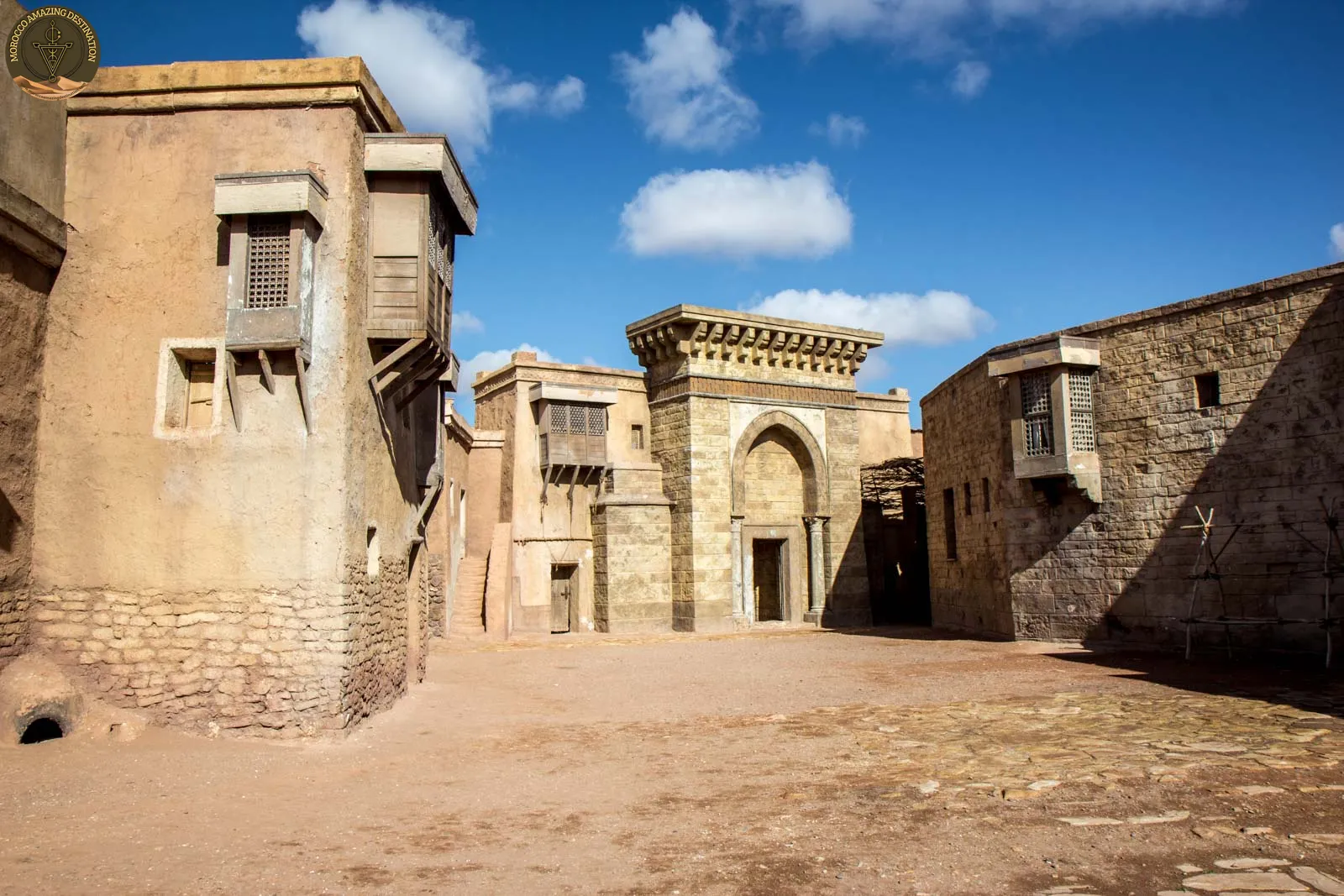
The American embassy in Sana’a has a timber door in a mud-brick wall, and the lane outside it belongs to an old kasbah in Ouarzazate. The rules of engagement filming locations are those lanes, dressed to pass for Yemen, with the Atlas studios site outside town as the unit’s base. Nothing about the siege was built on open desert ground.
Where was Rules of Engagement filmed? The Yemen and Sana’a material was shot around Ouarzazate. The Vietnam prologue came from the American South and the remaining American scenes from the United States. In this guide, we will break down what the camera saw in the kasbah. We will also flag which claims about the film’s Moroccan locations do not hold up.
Why the Embassy Siege Was Shot in a Kasbah, Not a Backlot
The Moroccan second assistant director’s credit sheet lists Ouarzazate for the “Yemen and Sanaa scenes”. A trade review at release said as much in one line: locations in and around Ouarzazate fill in for Yemen. The Rules of Engagement Ouarzazate sequence was staged inside the town’s kasbah. Friedkin called it the hardest sequence he ever had to shoot.
The siege needed doors, stairs, flat roofs and a crowd squeezed into a lane. A compound on open ground would have looked like a military base.
Access was political as well as practical. The William Friedkin Rules of Engagement Morocco plan went ahead only after the King of Morocco read the script and signed it.
Morocco has doubled for Yemen elsewhere; our Jack Ryan filming locations in Morocco piece follows the Marrakech version.
What the Lens Actually Saw: Doors, Rooftops, Dust
Nicola Pecorini shot the Moroccan material long and warm. Telephoto stacks press faces against arcades and mud walls until the street feels narrower than it is. The embassy reads as an old earthen palace with heavy timber doors, and the crowd comes at it through a gap a few people wide.
The sequence works vertically. A mob fills the lane below, snipers take the roofs above, and the Marine extraction folds back into the same tight space. Almost nothing in the sequence depends on an open desert view.
What the sequence leans on:
- Doorways: timber gates hold the weight of the crowd, so the camera stays close.
- Stairs and roofs: height gives the defenders cover and the attackers a way in.
- Dust: ochre walls and kicked-up powder fill the frame where a vista would sit.
Three Weeks in Ouarzazate for Fifteen Minutes on Screen
The production hired a whole inhabited kasbah for the siege. A local background actor recalled hundreds of people signing up. Residents were paid to stay inside their houses for a day, while helicopters circled and the crew set off simulated explosions.
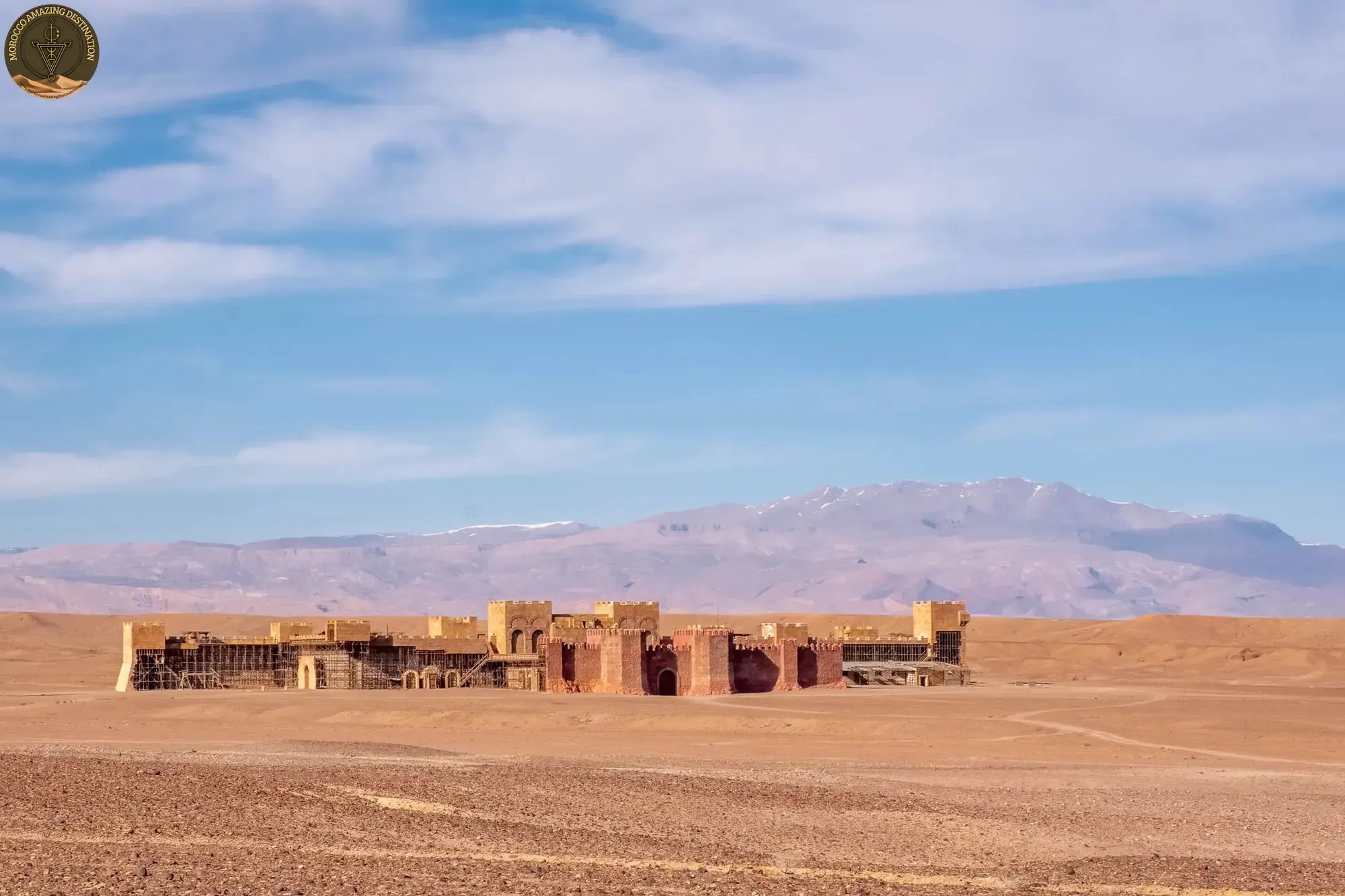
The French 4K edition puts the Yemen unit at about three weeks for roughly fifteen minutes of finished film. The cost shows in the dressing: doors, shutters, awnings, market clutter.
The Atlas studios site outside town was the unit’s base, with sets, workshops and storage a short drive from the lanes. Paying residents to stay indoors for a day shows how much the sequence leaned on a street that already looked right.
The Claims That Do Not Hold
Kasbah Tifoultoute is often named as the embassy. The claim appears on tour-marketing pages and in no crew or production record. Tifoultoute is a real kasbah with its own visitor circuit, which may be where the mix-up began. Nothing places the Sana’a material in Marrakech or Rabat either.
Ait Benhaddou, the UNESCO World Heritage ksar down the road, does not appear in the film. A second claim says a later attack on an American warship sent the production to Morocco. The chronology rules that out: the film was finished and in cinemas first.
What does not hold:
- Tifoultoute as the embassy: repeated on tour pages, absent from crew and production records.
- Ait Benhaddou: no source places the ksar in any frame of the film.
- The warship story: the film was already in cinemas by then.
Walking the Same Lanes Today
The old kasbah in the centre of Ouarzazate, reported as Kasbah Taourirt, is where to start. The attribution comes from press coverage rather than production papers: one piece calls it “the city’s Kasbah”, another Casbah Taourirt.
Part of Taourirt is restored and open for a fee, and the lanes around it are ordinary streets where people live and work. Nothing of the embassy survives: no gate, no set, no plaque, no marked trail. Go early if you want the lanes to yourself.
What you can still walk:
- The Taourirt lanes: mud-brick walls, timber doors and the tight geometry the siege used.
- The restored kasbah: painted ceilings and courtyard rooms open to the public.
- The studio ground: visitable when no production runs; our Ouarzazate studio guide covers the details.
A private driver folds this into a southern route without much effort. The kasbah, the studio ground and the road to the dunes sit on one line. For the wider map, our guide to Morocco’s film industry covers the rest of the country.
Both tours below start in Ouarzazate and pass the kasbah lanes. The first is the 4-Day Morocco Desert Tour from Ouarzazate - Merzouga & Cultural Highlights. The second is the 4-Day Guided Morocco Tour: Ouarzazate to Marrakech Desert Adventure.
We can customize a tour to match your needs - design your perfect itinerary
If you found this helpful, add us as your preferred source on Google.
Frequently Asked Questions
Was Rules of Engagement filmed in Yemen?
No. The Yemen and Sana'a scenes were shot around Ouarzazate in Morocco, with the Atlas studios site outside town as the unit's base.
Which kasbah played the American embassy in Sana'a?
The old kasbah in Ouarzazate, reported as Kasbah Taourirt, dressed with timber doors and rooftop positions for the siege.
Can you visit the Rules of Engagement filming locations?
Yes, the Taourirt lanes and the Atlas studios site, but no embassy set survives and there is no marked trail.
Why was the film shot in Morocco instead of Yemen?
Security, permits and a trained local crew base. The King of Morocco read and approved the script before shooting was allowed.
Ready for an Adventure?
Have questions? Feel free to contact us using the form below. We're here to help!