
· Travel · 4 min read
Rissani, Morocco: Sijilmasa's Lost Caravan City
Rissani guards the ruins of Sijilmasa, the lost caravan city of gold and salt. Discover its history, its souk and its gateway role to the desert.
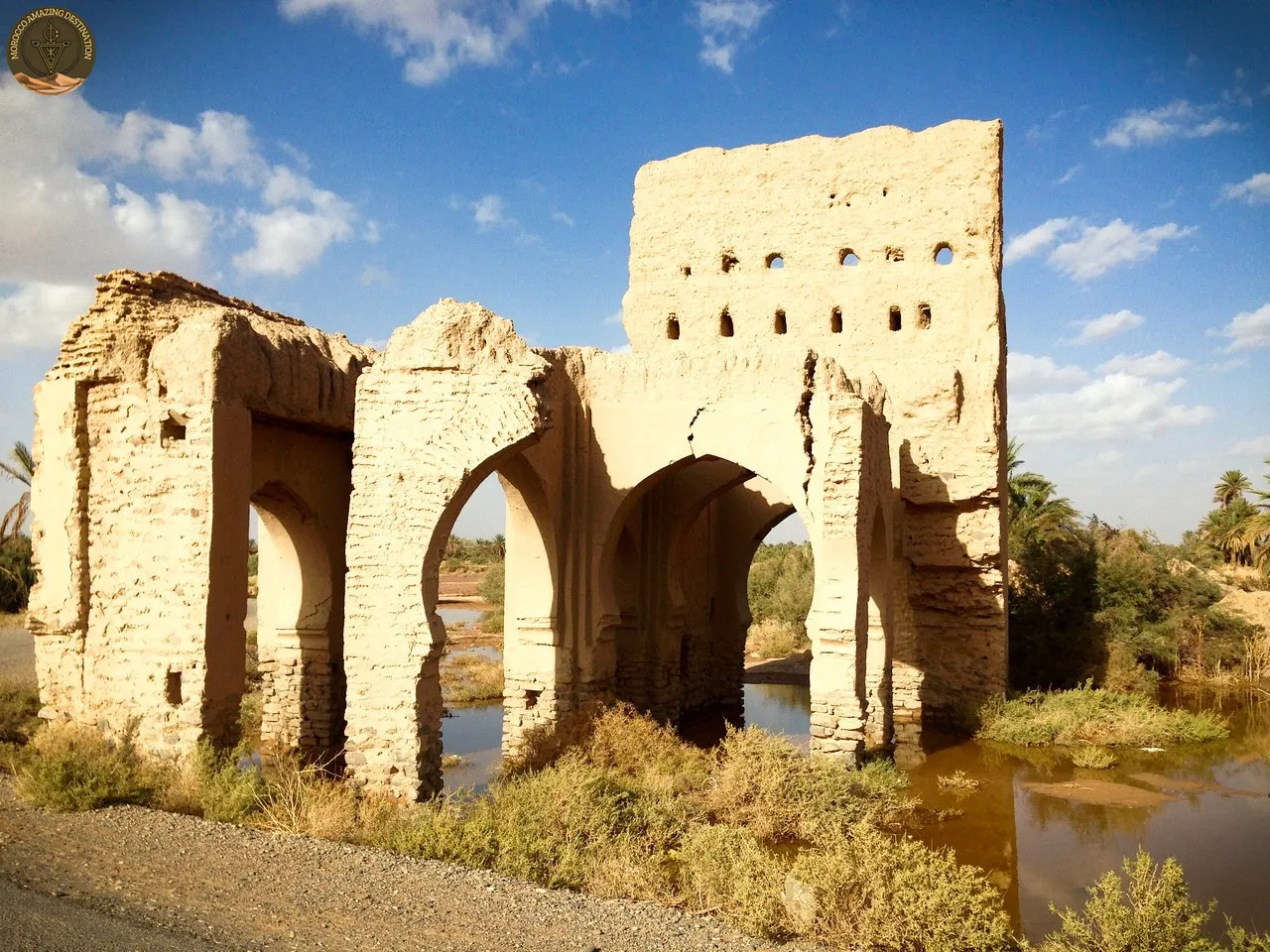
Rissani is a modest oasis town at the edge of the Sahara that guards one of Morocco’s greatest lost cities. Just north of its modern streets lie the ruins of Sijilmasa, the caravan capital that grew rich on gold and salt.
Put simply, Rissani, Morocco is Sijilmasa’s living heir, with the same oasis and the same market tradition.
In this guide, we will unpack the Sijilmasa history behind this desert crossing. We will also show what survives at Rissani today and how to visit it on the road to the dunes.
Sijilmasa — The Golden Caravan City of the Desert
Sijilmasa was founded in 757 on the Ziz river, in a fertile reach of the Tafilalt oasis. Ruled by the Midrarid dynasty, it became the northern terminus of the western trans-Saharan gold route. Desert caravans met the Mediterranean world in its markets.
Caravans carried gold north from Sudan and Ghana, while salt, copper, cloth and dates travelled south. Goods from Cordoba, Cairo and the Mediterranean passed through, and the city struck its own coins. Medieval writers marvelled that all the region’s gold was minted in Sijilmasa.
Why Sijilmasa mattered:
- Royal gold mint: coins struck here reached markets across North Africa and Europe.
- Desert crossroads: the main western route linking Sudan and Ghana to the Maghreb.
- Walled oasis town: a fortified settlement stretching several kilometres along the Ziz.
- Trading elite: merchants, scholars and craftsmen drawn from three continents.
Gold, Salt and the Rise and Fall of Sijilmasa
Around 1055 the Almoravids captured Sijilmasa, their first great conquest. From this oasis they swept across the Maghreb and into Al-Andalus, launching an empire.
Centuries later, Ibn Battuta stayed four months here and called it one of the most beautiful cities he had seen. Almohad and Marinid rulers later took their turn, and taxes on salt and gold still filled the treasury.
When the gold trade shifted toward Atlantic ports, the city emptied. Sijilmasa was abandoned at the end of the 14th century, in 1393. Moulay Ismail briefly revived the site, but the Ait Atta destroyed it in 1818, leaving the ruins seen today.
Rissani’s Ksour and Clay Architecture
Where Sijilmasa’s tell dissolves into stony hamada, Rissani keeps the building tradition alive. The Tafilalt is dotted with ksour, fortified mud-brick villages built to protect the caravan trade.
Ksar El Fida, about 3 to 4 km from town, is the best preserved of them all. This 19th-century ksar now holds a small museum, its earthen walls showing how oasis towns were raised from river clay.
What to see around Rissani:
- Ksar El Fida: the most intact ksar nearby, restored and open as a museum.
- Abandoned ksour: villages slowly returning to the ground along the valley.
- Date-palm groves: canal-fed gardens that once made the oasis wealthy.
- Stony hamada: the desert plateau that swallowed Sijilmasa’s streets.
Rissani’s Souk and the Moulay Ali Cherif Mausoleum
About 2 km from the centre stands the mausoleum of Moulay Ali Cherif, the 17th-century founder of the Alaouite dynasty. It remains a place of local pilgrimage, and visitors of other faiths view the exterior.
The souk runs on Tuesdays, Thursdays and Sundays, one of the liveliest in the pre-Sahara. Nomads and villagers still leave their donkeys in a dedicated parking area beside the stalls.
What the market sells:
- Dates and dried fruit: the Tafilalt’s signature crop, sold by the crate.
- Spices and herbs: neat piles of cumin, paprika and wild thyme.
- Leather and textiles: rugs, blankets and hand-stitched babouches.
- Livestock: goats, sheep and the famed donkey trading ground.
The Ziz Valley — Rissani’s Gateway to the Dunes
Rissani sits in the Tafilalt, the largest and most historically important oasis of Morocco’s pre-Sahara. Date palms line the Ziz valley in long green ribbons, fed by channels that have irrigated these gardens for centuries. Upstream lie Erfoud, with its fossil workshops, and Errachidia.
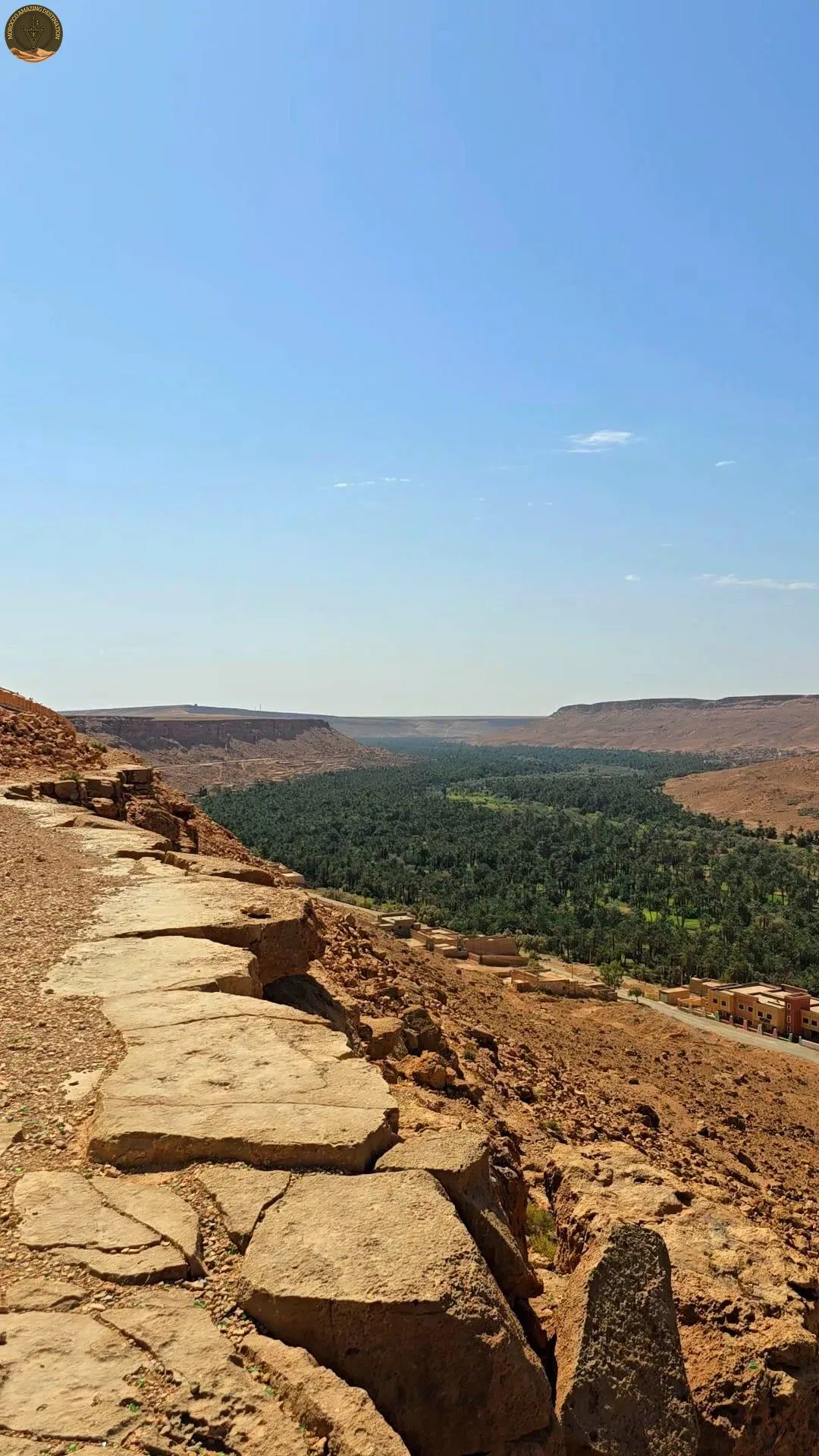
Drive southeast and the palms give way to hamada, then to the orange dunes of Erg Chebbi at Merzouga. That hop is roughly 40 km, under an hour. It makes Rissani the last major town before the desert.
Most travellers reach Rissani on the Fes-to-Sahara route. Our 3-Day Desert Tour from Fes to Merzouga crosses the Middle Atlas and the Ziz Valley before Erg Chebbi. For a slower pace, the 7-Day Morocco Tour from Fes includes Rissani’s souk on its desert day.
We can customize a tour to match your needs — design your perfect itinerary.
If you found this helpful, add us as your preferred source on Google.
Frequently Asked Questions
What is Rissani, Morocco known for?
Rissani is known for its souk on Tuesdays, Thursdays and Sundays, its mud-brick ksour, the Moulay Ali Cherif mausoleum and the nearby ruins of Sijilmasa, the caravan city that made the Tafilalt oasis wealthy. It is also the last major town before the Erg Chebbi dunes.
What was Sijilmasa and why was it important?
Sijilmasa was a walled caravan city founded in 757 on the Ziz river. It was the northern terminus of the western trans-Saharan gold and salt trade, struck its own coins, and became the Almoravids' first great conquest around 1055 before it was abandoned at the end of the 14th century.
Is Sijilmasa the same place as Rissani?
Not exactly. Sijilmasa was the medieval city, and its ruins lie just north of modern Rissani, which grew up as its successor. Rissani inherited the oasis, the market and the trade role, so both names are often used together for the Tafilalt.
How far is Rissani from Merzouga, and when is its market?
Rissani is roughly 40 km from Merzouga, under an hour by road, which makes it the last major stop before Erg Chebbi. The souk runs on Tuesdays, Thursdays and Sundays, with a famous donkey and livestock area beside the stalls.
Ready for an Adventure?
Have questions? Feel free to contact us using the form below. We're here to help!