
· Travel · 5 min read
Rabat Medina Walking Route: Rue des Consuls in a Morning
Walk the Rabat medina walking route along Rue des Consuls, from the Kasbah to the babouche souk. Calm, flat and easy to follow.

If your first Moroccan medina sounds like a maze, start here. This Rabat medina walking route follows a single clear corridor, from the walls below the Kasbah of the Udayas down to the covered souk, in about two hours of unhurried walking. Rabat gives you the craft and color of a working medina with room to breathe.
In this guide, we will break down why the medina suits first-timers, where the Rue des Consuls walk begins, what you will pass along the way and how to shape it into a calm half-day.
Why Walk the Rabat Medina First
Rabat’s old town sits by the sea at the mouth of the Bou Regreg river. Its street grid took shape in the seventeenth century, so the blocks run fairly straight and you can keep your bearings. The historic ensemble belongs to a UNESCO World Heritage site, though daily life in the lanes feels ordinary and local.
That layout is why many travelers use Rabat as their first medina. Crowds stay thinner than in Fes or Marrakech. Shopkeepers call out less, opening prices run lower, and you can stop, look and walk on without pressure.
The medina also sits close to everything else in the capital. Hassan Tower and the riverfront lie within easy walking distance, so the corridor links naturally with the rest of a Rabat day.
- Easy orientation: the grid pattern and sea slope keep directions simple.
- Gentle pace: stalls and workshops fill the lanes without blocking them.
- Fair starting prices: bargaining stays friendly rather than theatrical.
- Real daily life: residents shop here too, so the souk never feels staged.
Start Below the Kasbah, the Rue des Consuls Gateway
Begin at the top of the hill, just below the Kasbah of the Udayas. From the gate area you look down over medina roofs toward the river and the Atlantic. The broad street dropping ahead of you is the start of the Rue des Consuls Rabat walkers remember.
The name recalls the centuries when foreign representatives kept houses along this street, from the seventeenth century until 1912. Their former residences survive as tall facades with carved doors and small balconies. These are private buildings, so enjoy the exteriors from the street and keep walking.
Stay on the main line as you descend. Side lanes branch left and right, but the corridor itself runs straight into the craft zone. Pause at the carved doorways and small plaques that recall the old legations. You can hardly take a wrong turn, which is exactly the point of this route.
Workshops and Quiet Passages Along the Corridor
A few steps down you reach the weavers cooperative on the left. Looms click inside, and cotton and wool pieces hang near the door. It is a good place to watch cloth being made before the shops take over.
Further along, narrow passages open onto small squares where artisans work in leather, metal and wood. Carpets, silver jewellery, pottery and lamps fill the front shops. The things to see in Rabat medina gather along this single stretch, so slow down and glance down each side passage.
If a weaver invites you to sit for a minute, accept when you feel comfortable. Watching the shuttle pass shows why finished pieces cost what they do, and there is no obligation to buy.
- Weavers cooperative: hand looms turning out cotton and wool cloth.
- Craft squares: leather, metalwork and wood workshops behind the shops.
- Silver and jewellery: pieces in traditional Berber styles, easy to compare.
- Carpets and lamps: Rabat weaves and pierced lanterns in a short span.
Babouche Lane and the Covered Souk Finish
The street narrows and bends right into the covered market of Souk Es-Sebbat. The light drops, the sound changes, and stalls press in on both sides. This is the babouche lane, lined with rows of leather slippers in every color. Keep your bearings by remembering you are walking downhill toward the outer gate at Bab El Bahr.
Sellers here expect bargaining, and the tone stays friendly. Offer below the first price, smile, and be ready to stroll a few steps before the second offer lands. If you want background on prices and etiquette before you shop, our broader Rabat travel guide puts the medina in context. Take photos first and compare two or three stalls before you settle, since similar goods repeat along the lane.
- Babouches first: compare leather quality and stitching across stalls.
- Small goods: belts, poufs and bags make simpler first purchases.
- Polite bargaining: counter once, keep it light, accept tea if offered.
- Keep moving: the lane exits toward Bab El Bahr and the outer streets.
Make It a Half-Day Without Pressure
Come late in the morning, when workshops are open and the light suits the lanes. Some workshops close around Friday midday, so keep plans loose on that day. Bring small cash for tea stops and minor purchases, since cards rarely work in the lanes. Allow two hours for the walk itself, plus time for tea and browsing.
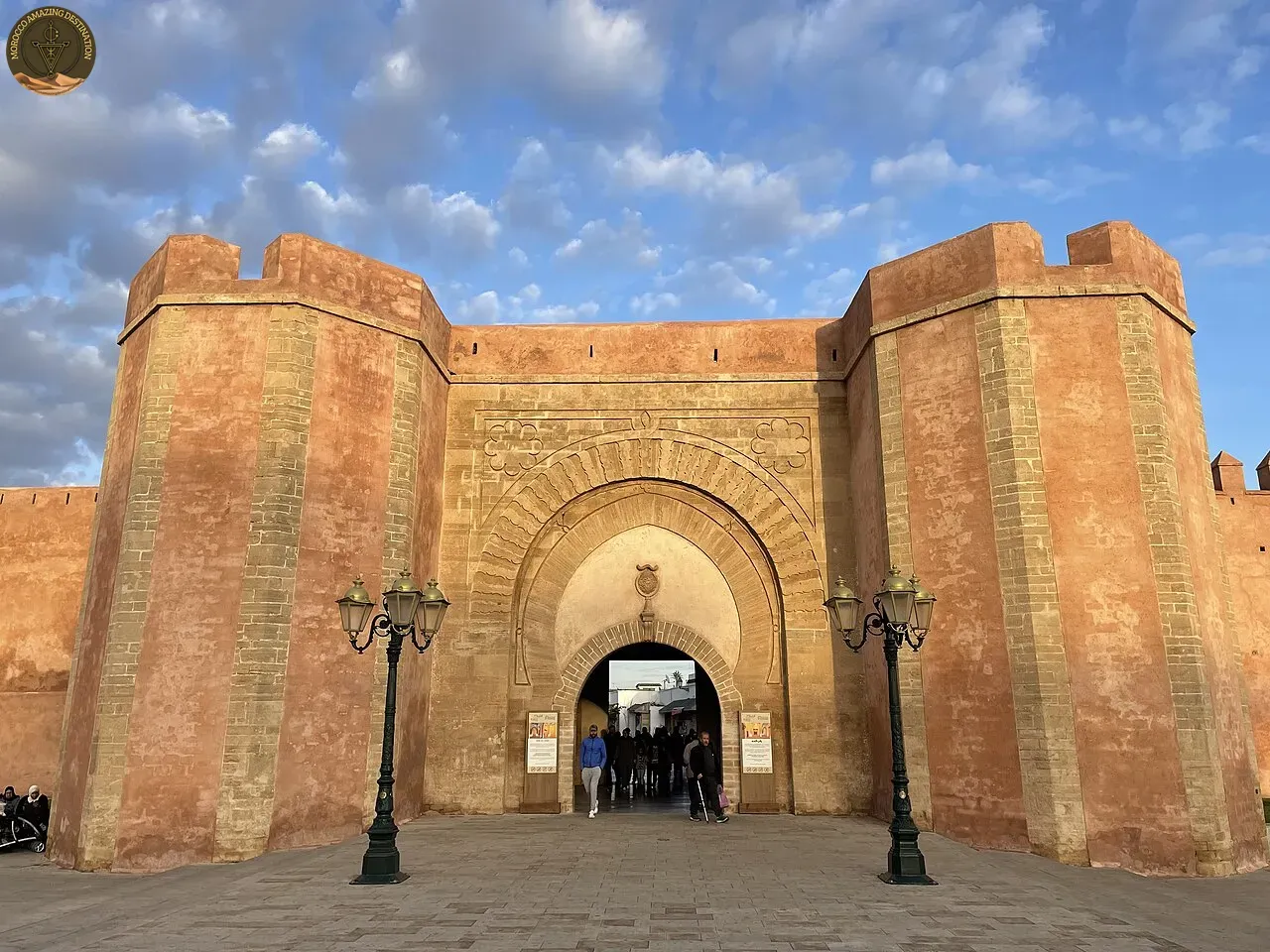
Pair the corridor with the Kasbah above or the riverfront below. Climb back up for gardens and sea views, or drop toward the water and look across to Sale. For the wider city beyond the medina, our things to do in Rabat helps you fix timings for Hassan Tower and Chellah.
When the lane releases you near the outer gate, the walk is done and the morning still belongs to you. If Rabat opens your Morocco trip, our 10 Day Morocco Tour from Rabat to Marrakech: Imperial Cities & Sahara Desert builds from the capital toward the desert and Marrakech. Arriving from the north, the 4-Day Private Tour from Fes to Rabat via Merzouga Desert finishes here and pairs naturally with this walk.
We can customize a tour to match your needs - design your perfect itinerary
If you found this helpful, add us as your preferred source on Google.
Frequently Asked Questions
How long does the Rabat medina walking route take?
The corridor itself takes about two hours at a slow pace, plus time for browsing and tea. It is short and mostly flat, so most visitors fold it into a relaxed half-day with the Kasbah or the riverfront.
Where does the Rue des Consuls walk start?
Start just below the Kasbah of the Udayas, where the street drops toward the medina with views over the roofs to the Bou Regreg river. Follow Rue des Consuls downhill in one direction until it feeds into the covered Souk Es-Sebbat.
Is the Rabat medina calm enough for first-time visitors?
Yes. Rabat is widely seen as the calmest of Morocco's major medinas, with thinner crowds and softer sales pressure than Fes or Marrakech. The grid of streets is fairly regular, so newcomers can walk without worrying much about getting lost.
What can I buy on Rue des Consuls?
The street is known for Rabat carpets, leather goods, silver jewellery in Berber styles, pottery and lamps. Prices are negotiable and usually start lower than in busier cities, so polite bargaining is normal and expected.
Ready for an Adventure?
Have questions? Feel free to contact us using the form below. We're here to help!