· Travel · 7 min read
Rabat Travel Guide: Things to Do, Attractions & Tips
Rabat travel guide to UNESCO sites, calm medina and Atlantic views — plan a walkable 1–2 day stay with practical tips.
Rabat surprises first-time visitors. Morocco’s calm Atlantic capital blends imperial heritage with ocean light, walkable boulevards and an easy, unhurried pace that feels refreshing after busier cities. This rabat travel guide shows why the city rewards a short stay and how to make it seamless, with a quick answer up front: one full day covers the UNESCO core, two days add the medina, museums and coast.
In this guide, we will break down the top Rabat attractions, the best things to do in Rabat, and practical tips to get there, get around and plan one or two relaxed days.
Rabat’s UNESCO Heart — Kasbah, Hassan Tower and Chellah
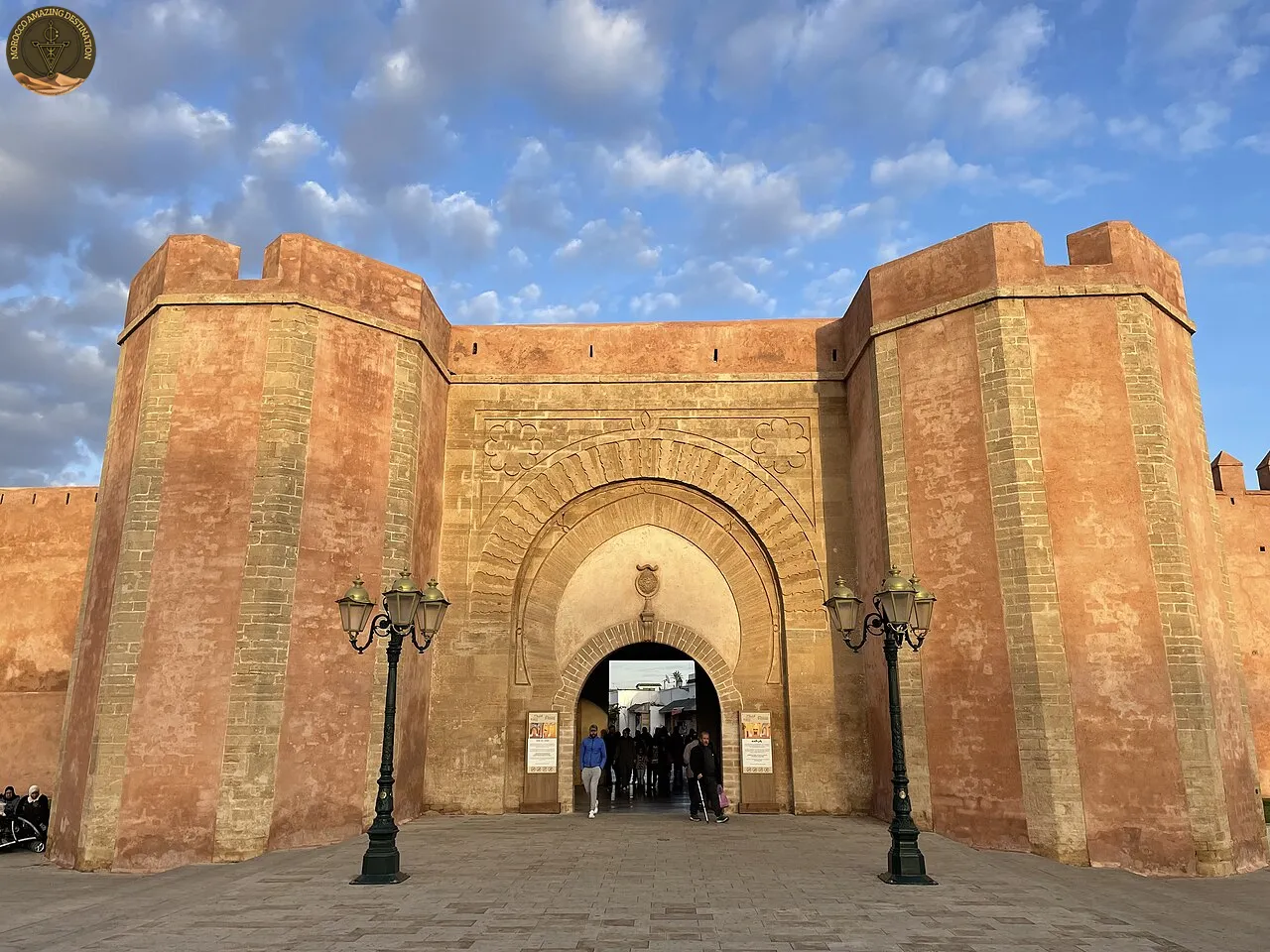
Rabat’s historic heart sits where the Bou Regreg meets the Atlantic, opposite Salé, and forms the core of its UNESCO World Heritage listing as a modern capital with a shared historic heritage. The Kasbah of the Udayas crowns the cliff, entered through the monumental Almohad gate Bab Oudaia. Inside, blue-and-white lanes, carved wooden doors and quiet squares feel like a village within the city.
The hilltop Andalusian Gardens offer shade and scent from orange trees, with terraces that open to river and ocean views. Pause at the storied café for mint tea above the beach, then wander to the ramparts for sunset light. It is compact, photogenic and easy to explore on foot without the bustle of larger medinas.
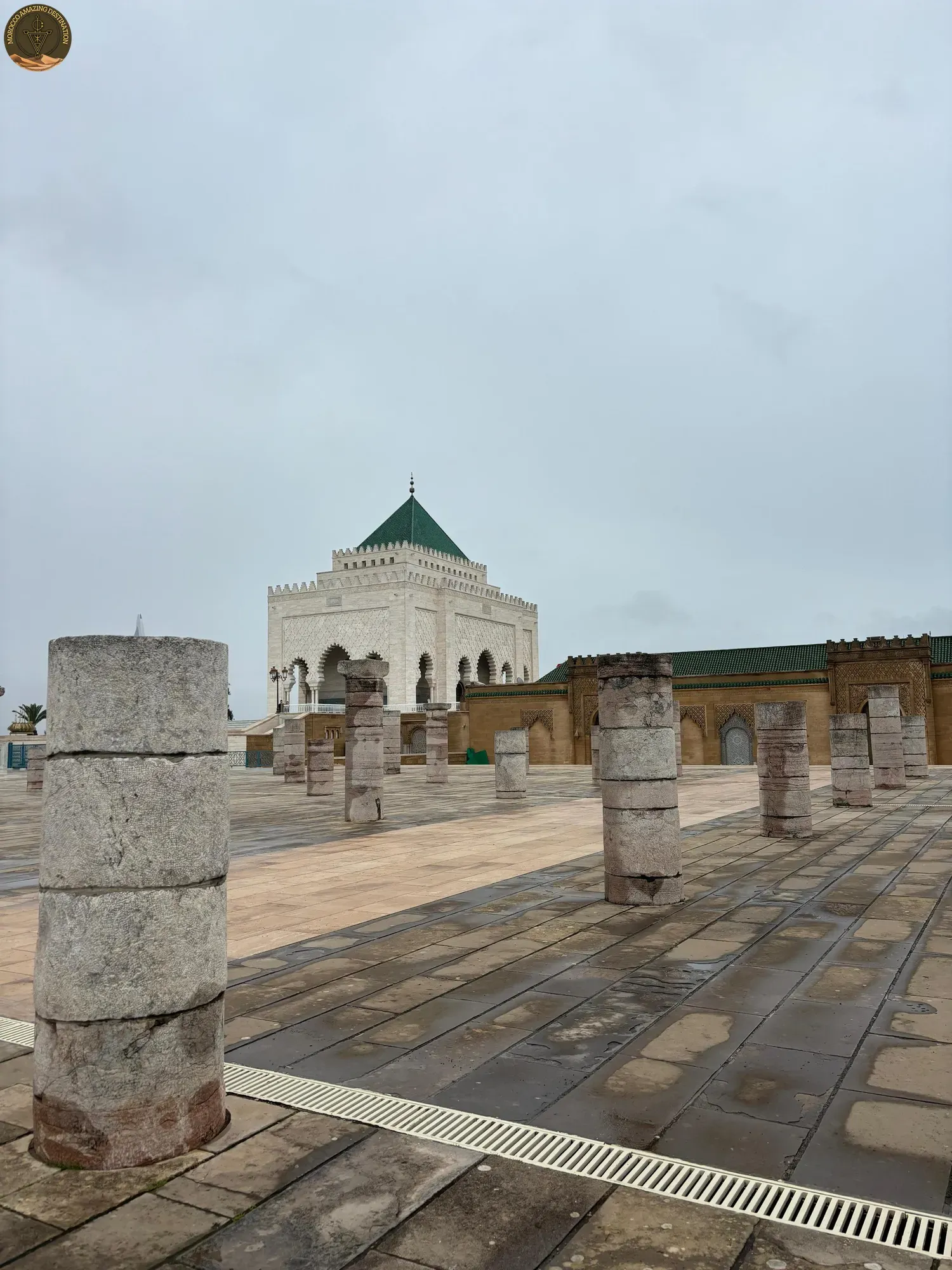
A short walk away, the Hassan Tower esplanade tells a bolder story. The Almohad-era minaret rises 44 meters in warm red stone above a forest of column stumps — an ambitious mosque left unfinished. Beside it, the white marble and green-tiled Mausoleum of Mohammed V honors two kings, with fine zellij, cedar carving and a respectful guard. Both the plaza and mausoleum are open to visitors and free to enter, with modest dress appreciated.
Chellah offers a quieter counterpoint. Below lie traces of the Roman town of Sala Colonia, above a walled Marinid necropolis and garden that has been carefully restored. Storks nest on the minaret, orange groves shade the paths and a small sacred pool draws birds and visitors. Plan about an hour, with a modest entry fee, to enjoy its calm.
Highlights of the UNESCO core:
- Kasbah of the Udayas: blue alleys, Bab Oudaia gate, Andalusian Gardens and ocean viewpoints.
- Hassan Tower & Mausoleum: 44m Almohad minaret, column field and ornate royal mausoleum nearby.
- Chellah: layered Roman and Marinid remains, stork nests, orange trees and garden paths.
Medina, Museums and the Atlantic Coast
Rabat’s medina is smaller and calmer than those of Fes or Marrakech, which many travelers prefer for relaxed browsing. Rue des Consuls, once the diplomatic shopping street, still lines up carpets — including the classic red Rbati rugs — leather, brass, jewellery and bookstalls. For fixed-price crafts, the Ensemble Artisanal near the medina is handy if you prefer not to haggle.
Food here leans coastal and simple. Try grilled sardines, hearty bessara, harira and fish pastilla from small stalls and cafés. Many traditional spots are alcohol-free, with licensed venues available elsewhere in the city. The atmosphere stays friendly and low-pressure, ideal if you want an authentic medina without intensity.
Modern culture adds balance. The Mohammed VI Museum of Modern and Contemporary Art near Agdal presents Moroccan artists alongside international shows in a bright, contemporary building with subtle Moorish notes. Allow an hour for the rotating collection. Nearby green escapes include the Botanical Test Garden, while the long Atlantic corniche invites sunset walks and an easy beach pause below the Kasbah.
Rabat also holds the UNESCO World Book Capital title, which highlights its growing literary scene — from the National Library and bookshops to open-air markets like Joutia at Bab El Had. The designation reflects a wider creative energy you feel in cafés, galleries and public gardens.
What to expect in this area:
- Calm medina stroll: Rue des Consuls, Rbati carpets and artisan shops with gentle bargaining.
- Museum stop: Mohammed VI Museum for Moroccan contemporary art and changing exhibitions.
- Coast and river: corniche sunsets, Kasbah beach and small rowboats to Salé for skyline views.
Getting There, Getting Around and When to Go
Rabat is a natural hub between Casablanca, the north and the imperial cities, so it links smoothly to any route. Most international arrivals come via Casablanca, with a direct drive or a train connection through the main Casa stations. Rabat-Salé Airport is very close to the centre, about a short taxi ride away, with a local bus option for budget travelers.
In the city, the historic core is walkable. Kasbah, medina and Hassan Tower sit within a 15- to 20-minute walk of each other. For longer hops, the modern tram runs on two lines with ticket machines at stops, while blue petit taxis are metered, affordable and widely available for short trips. Trains connect Rabat to Casablanca in about an hour and to Fes in under three hours.
The climate is Atlantic-mild, which makes sightseeing comfortable. Summers are warm but tempered by sea breezes, winters are cooler and fresher with more rain. Shoulder seasons offer the best balance of warm days, light evenings and thinner crowds. Spring and early autumn also bring cultural moments, from music festivals to book-related events, so it helps to book ahead if your dates align with a major program.
Getting around, simply:
- Walk the core: Kasbah to medina to Hassan Tower is easy on foot with sea views along the way.
- Tram and taxi: use the tram for Ville Nouvelle and station links, petit taxis for flexible short rides.
- Arrive and connect: trains, intercity buses and grand taxis make day trips and onward travel simple.
How to See Rabat in One or Two Days
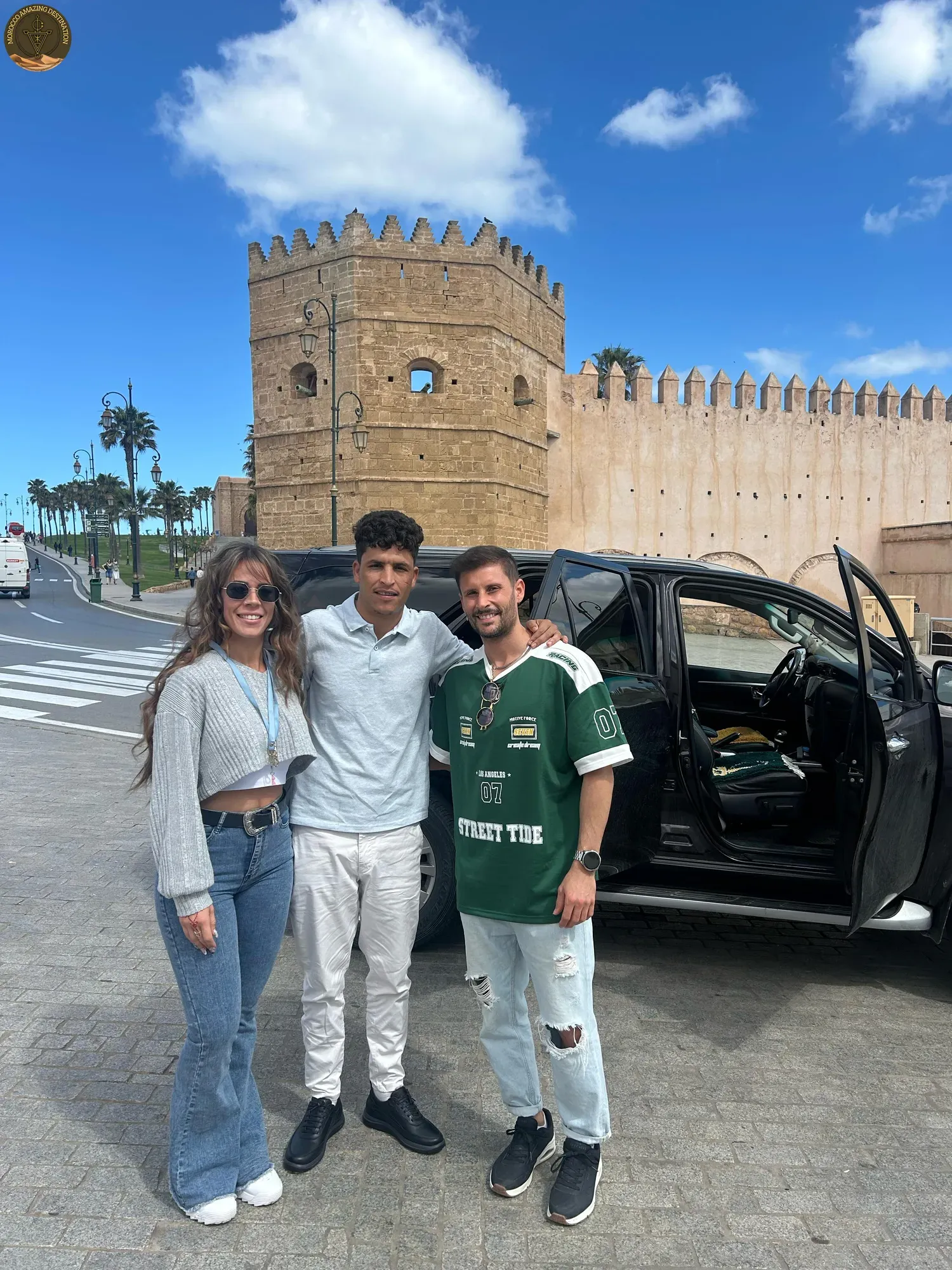
Rabat works beautifully as a one-day highlight or a two-day breather, depending on your pace. The city is compact, so you can see a lot without rushing and still have time to sit with tea, watch the light change and enjoy the Atlantic air. A private driver and local guide keep the flow hassle-free and efficient.
With one full day, focus on the UNESCO core. Start in the Kasbah for morning light and gardens, cross to the Hassan Tower and Mausoleum midday, then spend a calm hour in Chellah before a sunset walk on the corniche. This loop links the top Rabat attractions without backtracking and leaves room for medina browsing between sites.
With two days, add depth. Give the medina and Ensemble Artisanal a relaxed morning, visit the Mohammed VI Museum, and make time for the river crossing to Salé or a beach pause below the ramparts. You can also explore the Ville Nouvelle’s art-deco boulevards and gardens at a slower pace, with coffee stops built in.
Simple 1–2 day flow:
- One day: Kasbah → Hassan Tower & Mausoleum → Chellah → corniche sunset.
- Two days: add medina and museum on day two, plus Salé rowboat and coastal walk.
- Pace tip: stay central near the medina or Hassan area to keep walks short and flexible.
Rabat feels like a deep breath in a Morocco itinerary — walkable, welcoming and rich in history without the rush. It pairs naturally with Casablanca, Fes and Marrakech and sets up a smooth onward journey toward the desert when you are ready for dunes and starry camps.
For a seamless capital start, explore our 10 Day Morocco Tour from Rabat to Marrakech, which begins in Rabat and weaves imperial cities with Sahara nights. Or consider the 8-Day Tour from Casablanca to Morocco Imperial Cities for a focused circuit that highlights Rabat alongside Fes, Meknes and Marrakech.
We can customize a tour to match your needs — design your perfect itinerary
If you found this helpful, add us as your preferred source on Google.
Frequently Asked Questions
Is Rabat worth visiting?
Yes. Rabat is Morocco's calm Atlantic capital and a UNESCO World Heritage site, with a walkable historic core, ocean views and a relaxed medina that balances imperial cities like Fes and Marrakech.
Can you see Rabat in one day?
You can cover the essentials in one full day — Kasbah of the Udayas, Hassan Tower and Mausoleum, and Chellah — with time for mint tea and river views. Two days allows the medina, a museum and the Atlantic coast.
What is the best time to visit Rabat?
Mild shoulder seasons are ideal for sightseeing, with warm days, cool breezes and fewer crowds. Summer is breezy but busier, while winter is cooler and fresher — bring layers year-round.
How do you get around Rabat?
The historic core is walkable between Kasbah, medina and Hassan Tower, with a modern tram, metered blue petit taxis and easy train links to Casablanca and Fes for onward travel.
Ready for an Adventure?
Have questions? Feel free to contact us using the form below. We're here to help!