
· Travel · 8 min read
Walking in Marrakech: The Complete Guide to the Best Walking Tours Across Morocco
Walking in Marrakech and beyond: the complete guide to the best walking tours across Morocco, from Fes and Chefchaouen to Essaouira and Tangier.
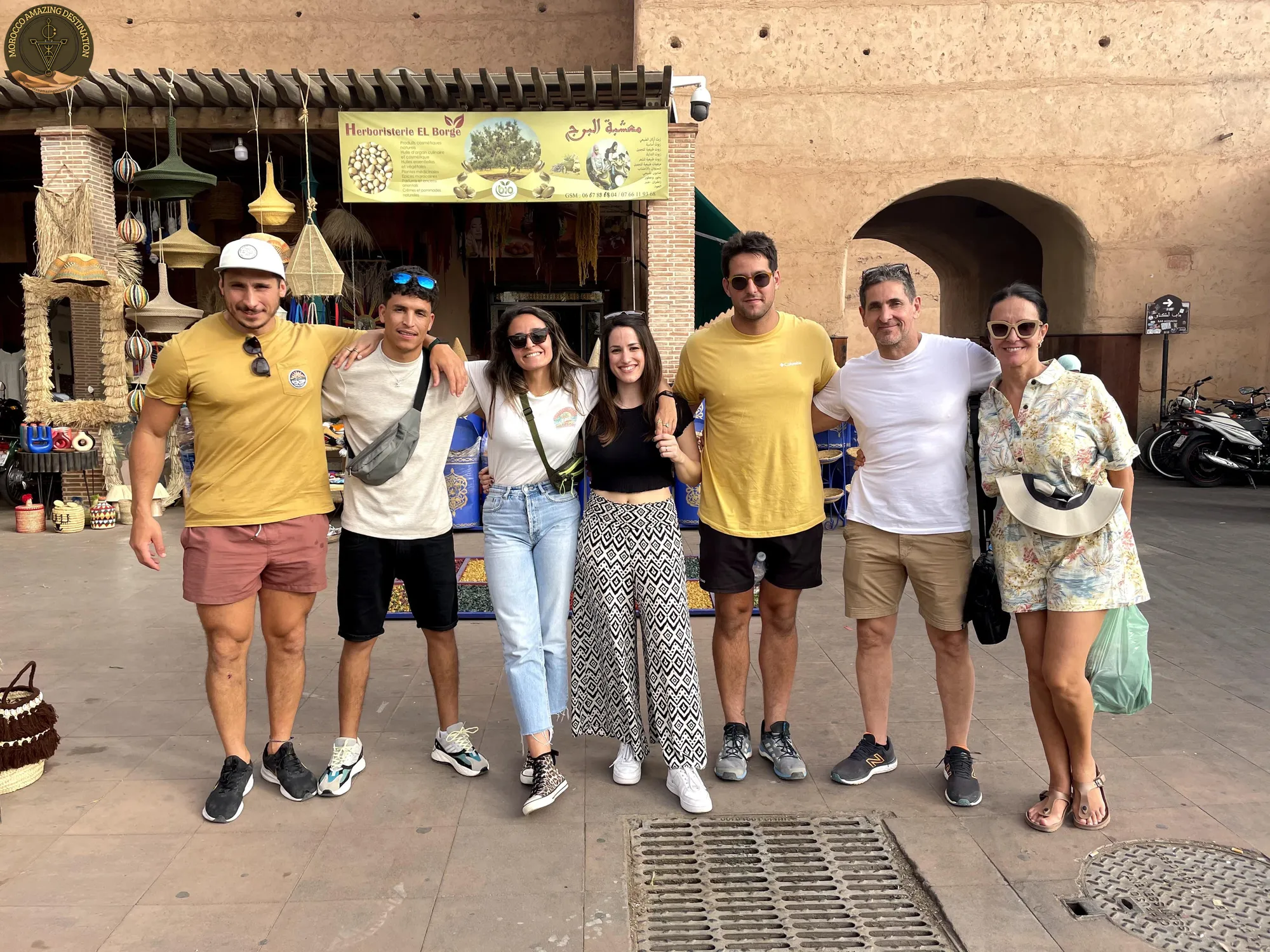
Walking in Marrakech: The Complete Guide to the Best Walking Tours Across Morocco
Walking in Marrakech is the single most rewarding way to begin a Moroccan adventure. The old city — the medina — is a car-free maze of souks, spice stalls and hidden riads that only truly opens up on foot, and it is the natural launchpad for exploring the best walking tours morocco has to offer across the country.
Morocco’s historic centres were built for people, not cars. Donkeys haul goods through alleys too narrow for vehicles, muezzins call from minarets, and the smell of mint tea drifts from open doorways. To experience any of it properly, you have to walk. This guide covers the country’s finest urban walks — from Marrakech and Fes to Chefchaouen, Essaouira, Tangier, Agadir and Casablanca — plus how to choose between a guided tour and going it alone.
Why Walk Morocco?
Morocco’s medinas are among the world’s great pedestrian environments. Many are UNESCO-listed, car-free, and dense with centuries of layered history. Walking is not just the most practical way to explore them — it is the only way to catch the details a vehicle misses: a craftsman hammering brass, a doorway of zellige tiles, the scent of cedar and rose drifting from a perfume stall.
Walking also hands you control. You set the pace, linger at a stall you love, and slip down a side alley no tour bus could ever reach. A local guide can unlock the history, but even a self-guided ramble rewards you with the medina’s raw, unfiltered energy.
Marrakech: The Essential Walking City
Marrakech is Morocco’s walking capital. Its medina centres on Jemaa el-Fnaa, a living square of storytellers, food stalls and musicians named a UNESCO Intangible Cultural Heritage, with the 12th-century Koutoubia minaret rising nearby (Wikivoyage, UNESCO).
The classic marrakech medina walking tour usually starts at the Koutoubia and weaves through the souks to the Ben Youssef Madrasa — the largest in the Maghreb, with around 130 student rooms — before finishing at the late-19th-century Bahia Palace. Count on roughly two to three hours at a relaxed pace, with stops for photos, haggling and mint tea.
Many operators also run a dedicated walking tour marrakech medina route that skips the palaces and focuses purely on the market lanes, so you can tailor the walk to your interests. For those who prefer to go it alone, a self guided walking tour marrakech is very doable: the medina’s main arteries are signposted, and an offline map or GPS app keeps you oriented when the alleys blur together.
So how do you pick the best walking tour marrakech has to offer? Look for a licensed guide who wears an official badge, check recent reviews, and choose a small group over a crowded flag-led procession. A good guide does more than point at monuments — they explain the haggling culture, steer you to honest artisans, and help you sidestep the unsolicited “guides” who linger near the square.
Fes: The Labyrinth That Demands a Guide
Fes is the spiritual and cultural heart of Morocco, and the fes medina walking tour is arguably the country’s most essential urban walk. Fes el-Bali — the old city — is a roughly 300-hectare, car-free settlement and one of the largest pedestrian urban areas in the world, inscribed as a UNESCO World Heritage Site. Within it sit the Al-Qarawiyyin, founded by Fatima al-Fihri and often cited as the oldest continuously operating university, and the Chouara Tannery, where leather is still dyed with natural pigments in open stone vats (Wikipedia, UNESCO).
A guided walking tour fez is close to essential here: the medina’s thousands of alleys form a genuine labyrinth, and first-time visitors can spend hours lost without a lead. A good local guide reads the maze and takes you straight from the blue-tiled Bab Bou Jeloud gate along Tala’a Kebira, the main souk artery, to the tanneries and the Bou Inania Madrasa.
Because the lanes twist so tightly, the fez walking tour you choose should include a stop at one of the medina’s rooftop viewpoints, where you are rewarded with a panorama of minarets and drying hides. Finally, when planning any fes walking tour, agree the route and price with your guide beforehand, and tip at the end — a small gratuity is the custom for a job well done.
Chefchaouen: The Blue City on Foot
Tucked into the Rif Mountains, Chefchaouen is Morocco’s famous “Blue Pearl”. The walking tour chefchaouen typically begins at Outa el Hammam, the main plaza framed by the red-walled Kasbah and the Grand Mosque, then wanders uphill through cobalt-washed alleys to the Ras el-Maa spring, where water tumbles from the mountainside and locals wash wool.
A short chefchaouen walking tour loops the plaza and its surrounding lanes in a relaxed hour or two, leaving plenty of time for the climb to the Spanish Mosque for a sunset view over the entire blue medina. The colour is often credited to the city’s historic Jewish community, who introduced the blue wash.
Essaouira: Ramparts and Sea Breeze
On the Atlantic coast, the walking tour essaouira is the easiest, breeziest stroll of the lot. The 18th-century UNESCO medina is compact, flat and largely closed to motorised vehicles. You begin on the Skala, the Portuguese-built ramparts where old cannons still point to sea, then drop past the fishing port and its blue boats to Place Moulay Hassan. A full loop takes an hour and a half to three hours, and the salted wind makes it the most comfortable walk in summer.
Tangier: Where the Medinas Meet the Sea
At the Strait of Gibraltar, the walking tour tangier threads a compact medina where Europe and Africa face each other across the water. Starting at the Kasbah and its Dar el-Makhzen palace, the route passes grand viewpoints toward Spain before descending into the medina’s whitewashed lanes.
A fuller tangier walking tour continues from the Grand Socco (Place du 9 Avril 1947) down to the intimate Petit Socco, with detours to the American Legation and the tomb of the traveller Ibn Battuta. Allow two to three hours, and be ready to politely decline the unofficial “guides” and touts who gather near the port.
Agadir: A Modern Promenade
Agadir is different — it was rebuilt after an earthquake levelled the old town, so there is no historic medina to lose yourself in. Instead, the agadir walking tour follows the wide seafront promenade past gardens and cafés to the marina, with an optional climb to the ruined hilltop Kasbah for a sweeping view of the bay. The flat promenade takes an hour or two; the Kasbah climb adds a steeper thirty to forty-five minutes each way.
Casablanca: Art Deco and the Great Mosque
In Casablanca, the casablanca walking tour is a half-day of grand city architecture rather than a medina ramble. The centrepiece is the Hassan II Mosque, the largest in Morocco and one of the largest in the world, with a minaret among the tallest anywhere. It stands partly over the Atlantic and is open to non-Muslims on guided visits. From there you can walk the Art Deco ville nouvelle — past the Mahkama du Pacha and Place des Nations Unies — and finish along the corniche. The city sprawls, so plan your stops and use a taxi between the far ends.
Morocco Walking Holidays: Multi-Day Adventures on Foot
Beyond single city walks, morocco walking holidays turn the country into a full trekking destination. The High Atlas is the star — a two-day summit trek to Jbel Toubkal, North Africa’s highest peak, starts from the village of Imlil. Coastal walkers can trace the sands south of Essaouira or around Taghazout, while the Rif’s Talassemtane National Park offers forested day hikes near Chefchaouen. For any serious trek, the UK Foreign Office (FCDO) advises hiring a professional guide and packing plenty of water, sun protection and comprehensive insurance.
Guided vs. Self-Guided: Which Should You Choose?
The honest answer is a mix of both. In Marrakech and Essaouira, self-guided walking with a map works well. In Fes, Chefchaouen and Tangier, a licensed guide saves you time and frustration — and adds stories no guidebook carries.
A few practical tips apply everywhere:
- Dress modestly and wear sturdy shoes — medina lanes are uneven and often sloping.
- Walk early or late — midday heat, especially in summer, is draining.
- Carry small change for guides, porters and unexpected photo stops.
- Haggle politely in the souks; it is expected, not offensive.
- Check for a badge — official medina guides carry one, and the FCDO warns that bogus guides are common.
For more on navigating the medinas confidently, read our medina survival guide.
Conclusion
Whether you start with the sensory overload of Jemaa el-Fnaa or the blue calm of Chefchaouen, walking is how Morocco reveals itself. The best walking tours morocco can offer blend expert local knowledge with the simple joy of moving through a living city at your own pace.
To turn these walks into a full itinerary, pair a city stay with a longer journey through the country. Our 4-Day Marrakech to Fes via Dades & Merzouga connects the two great medinas, while the 8-Day Morocco Tour: Marrakech, Sahara Desert & Essaouira Adventure loops in the breezy Atlantic port.
We can customize a tour to match your needs — design your perfect itinerary
If you found this helpful, add us as your preferred source on Google.
Frequently Asked Questions
Is it safe to walk around the Marrakech medina alone?
Yes, the Marrakech medina is generally safe to walk during daylight hours, and it is busy well into the evening around Jemaa el-Fnaa. Keep your valuables out of sight, be alert in crowded souk lanes, and politely decline unsolicited "guides" who offer to show you the way. If you feel unsure, a licensed local guide removes all the guesswork.
Do you need a guide for the Fes medina?
Strongly recommended. Fes el-Bali is one of the largest car-free urban areas in the world, with thousands of narrow, twisting alleys, so first-time visitors can easily get lost. An official guide — identifiable by a badge and local-authority permission — navigates the maze and explains the tanneries, mosques and madrasas you would otherwise walk straight past.
Which city in Morocco is best for walking?
Marrakech is the best all-round walking city, with a compact medina and major sights within easy reach of Jemaa el-Fnaa. Fes offers the deepest, most atmospheric walk, Chefchaouen the most photogenic, and Essaouira the most relaxed, flat and breezy. Each city suits a different pace and mood.
How long does a walking tour of the Marrakech medina take?
A guided circuit of the main sights — the Koutoubia, the souks, Ben Youssef Madrasa and Bahia Palace — usually takes about two to three hours at a relaxed pace. A shorter market-focused route can be done in an hour or two, while a full day allows time for stops, shopping and mint tea.
Ready for an Adventure?
Have questions? Feel free to contact us using the form below. We're here to help!