
· Travel · 10 min read
Morocco Medina Survival Guide: Navigating Chaos, Motorbikes, and Culture Shock
Navigate Morocco's chaotic medinas like a pro. Tips on dodging motorbikes, handling litter, staying safe, and embracing the beautiful madness of Marrakech and Fes.
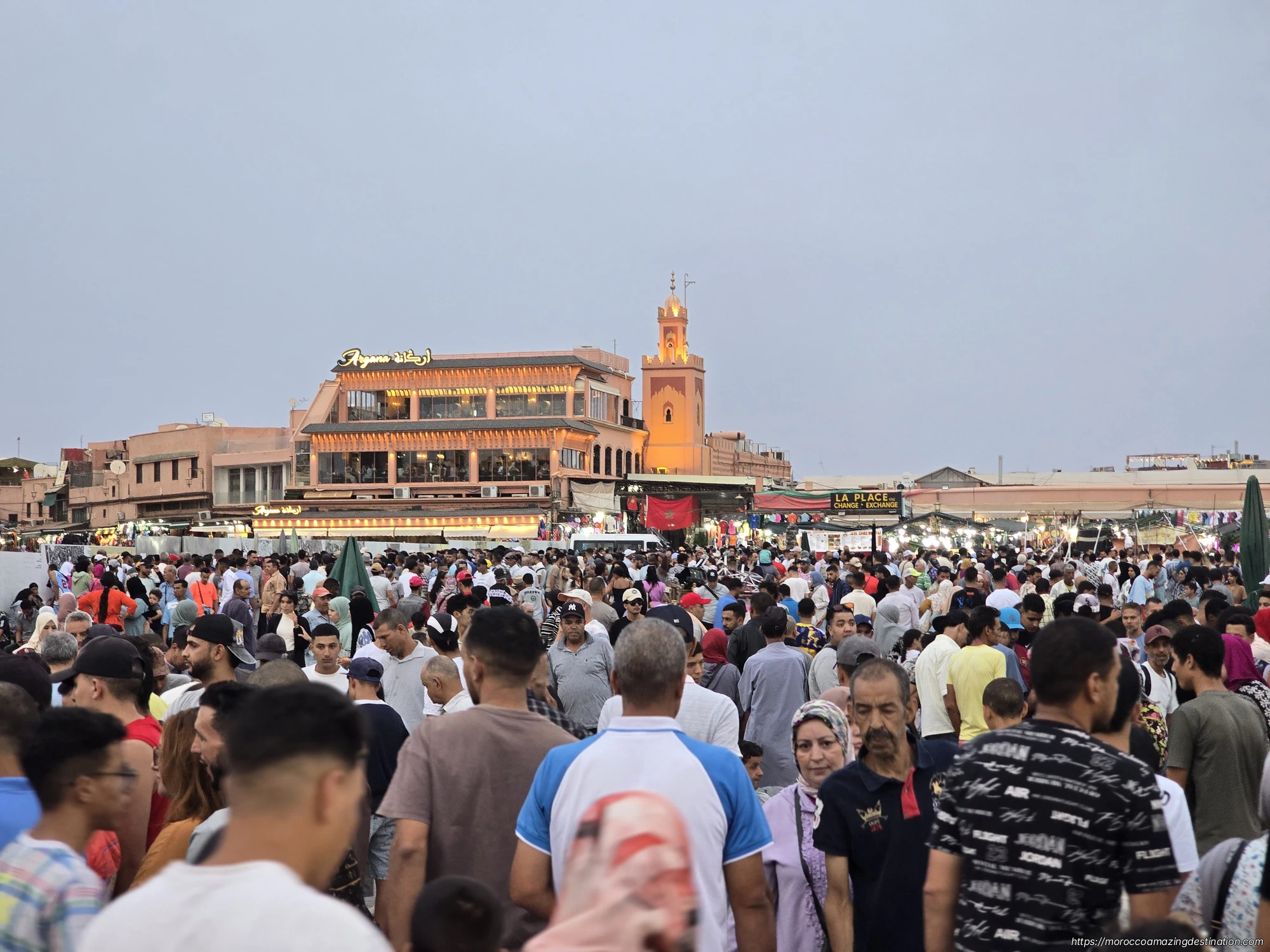
Stepping into a Morocco medina for the first time is like entering another world. The narrow, labyrinthine alleys pulse with energy: vendors calling out in Arabic and French, donkeys carting goods through the crowds, the smell of freshly baked khobz mingling with exhaust fumes, and yes — motorbikes weaving through impossibly tight spaces. This Morocco medina survival guide is your companion for not just coping with the chaos, but genuinely enjoying it.
Many first-time visitors find themselves asking the same questions: Is it safe? Why are there so many motorbikes? How do I deal with the litter? The truth is that navigating Moroccan medinas is a skill you pick up quickly, and once you do, the medina reveals itself as one of the most rewarding travel experiences on earth.
What Makes Moroccan Medinas So Chaotic?
To understand the chaos, you need to understand what a medina is. Unlike a modern city center, a medina is a centuries-old walled quarter designed for pedestrians, pack animals, and — more recently — small motorbikes. There are no wide boulevards, no traffic lights, and no clear separation between residential, commercial, and artisanal zones.
The medina is a living, breathing organism where:
- Over 10,000 people may live and work within a single square kilometer
- Hundreds of souks (markets) operate simultaneously, each specializing in different crafts
- Residents, delivery workers, tourists, and schoolchildren all share the same narrow passageways
- Donkeys, mopeds, pushcarts, and pedestrians negotiate space without formal rules
This density creates an intensity that can feel overwhelming. But once you accept that the medina operates on its own logic — a kind of organized chaos — you start to see the patterns and rhythms beneath the surface.
The Sensory Overload Is Real
Your first hour in a medina will test every sense. The smells shift from spice markets (cumin, saffron, ras el hanout) to tanneries (leather, dye, animal hides) to street food stalls (grilled meat, fresh msemen). The sounds layer on top of each other: the call to prayer echoing from minarets, metalworkers hammering brass, shopkeepers calling out “regarde, regarde!”, and the ever-present buzz of motorbike engines.
This sensory richness is not a bug — it is the feature that makes Moroccan medinas UNESCO-recognized cultural treasures. The key is learning to process it without shutting down.
Surviving the Motorbike Madness
If there is one thing that shocks first-time visitors more than anything else, it is the motorbikes in Moroccan medinas. They are everywhere. They zip through alleys barely wider than a person, often with two or three riders, sometimes carrying absurd loads of bread, vegetables, or construction materials.
Why are there so many motorbikes?
The medina’s narrow streets make cars impossible. Motorbikes are the only practical motorized transport for deliveries, commuting, and moving goods. They are an essential part of the medina economy, not a tourist nuisance.
How to stay safe:
- Walk on the sides. Always stay near the walls of the alley, leaving the center for bikes and carts
- Listen constantly. Motorbikes are often silent until they are right behind you. Keep your ears tuned for the hum of an approaching engine
- Do not freeze. If a motorbike is coming, step calmly to the side. Sudden panicked movements create more danger
- Watch for mirrors. Old medina streets have corners with polished metal mirrors mounted on walls — use them to see what is coming around blind bends
- Avoid peak hours. Early morning (8–10 AM) and late afternoon (4–6 PM) are the busiest times for deliveries and school runs
The motorbikes are not going anywhere, so the best approach is to treat them like you would traffic in any busy city: stay aware, move predictably, and do not assume they will stop.
Dealing with Litter and Sanitation
Another common concern for visitors researching Morocco medina safety tips is the visible litter in some streets. It is important to approach this topic with context and understanding.
Medinas are ancient urban spaces. The waste management infrastructure that modern cities take for granted — underground sewage, regular trash collection, recycling — is much harder to implement in a UNESCO-protected maze of thousand-year-old buildings. Many medinas are undergoing significant improvements, but change takes time.
What you can expect:
- Main thoroughfares and tourist-heavy souks are generally well-maintained and cleaned regularly
- Residential backstreets may have more visible waste, especially in poorer neighborhoods
- Stray cats are common and actually help control rodent populations
- Some medinas (Marrakech, Fes) have invested heavily in cleanliness programs in recent years
Practical tips:
- Wear closed-toe shoes, especially if you plan to explore beyond the main drags
- Carry hand sanitizer and tissues — public toilets in medinas can be basic
- Avoid touching your face after handling money or touching walls and railings
- Bring a small bag for your own trash; bins are not always easy to find
The medina is not a sterile environment. It is a dense, lived-in urban space where thousands of people go about their daily lives. Adjusting your expectations from “resort clean” to “real city” makes the experience far more enjoyable.
Navigating the Maze: Maps, GPS, and Getting Lost
Navigating Moroccan medinas is famously difficult. Google Maps works reasonably well in the main streets of larger medinas like Marrakech and Fes, but once you venture into side alleys, satellite signals weaken and the map becomes approximate at best.
Why maps struggle in medinas:
- Narrow alleys block GPS signals, causing your blue dot to jump around
- Many alleys are simply not mapped with enough precision
- Streets change names frequently and signage is inconsistent
- Some passages look like private entrances but are actually public thoroughfares
Strategies for staying oriented:
- Use mosque minarets as compasses. They are tall, visible from almost anywhere, and give you a fixed reference point
- Note distinctive shops or landmarks. A specific fountain, an unusually decorated door, or a memorable spice stall can anchor your mental map
- Count turns from main gates. Most medinas are entered through named gates (Bab el-Ftouh in Fes, Bab Doukkala in Marrakech). Knowing whether you turned left or right from the gate helps
- Ask shopkeepers, not random passersby. Shopkeepers have a vested interest in being helpful and usually know their immediate area well
- Beware of “false guides”. If someone offers to show you the way unprompted, they will almost certainly demand payment. A firm “la, shukran” (no, thank you) is enough
Above all, embrace getting lost. Some of the most magical medina discoveries — a hidden courtyard garden, a family-run bakery, a craftsman working by candlelight — happen when you have no idea where you are.
Touts, Scams, and How to Handle Them
A realistic Morocco medina survival guide has to address the human element of the chaos: the touts, hustlers, and occasional scammers who target tourists.
Common situations:
- The “it’s closed today” trick: someone tells you a famous site is closed and offers to take you somewhere else
- The “free guide”: someone walks with you uninvited, then demands payment at the end
- Overpriced taxis and calèches (horse carriages) with no agreed fare beforehand
- Aggressive henna artists in Jemaa el-Fnaa who grab your hand and start painting
How to handle it:
- A firm but polite “no” works. You do not need to explain yourself. “La, shukran” said with a smile ends most interactions
- Avoid eye contact if you are not interested. Touts read eye contact as an invitation
- Agree on prices before accepting any service. This applies to guides, taxis, calèches, and even photographs with performers
- Do not let anyone take you to a “special” shop. These are commission traps where prices are inflated
- Walk with purpose. Looking lost or uncertain signals that you are an easy target
The vast majority of people in the medina are honest, warm, and genuinely welcoming. A small minority operates on the edges. Learn to tell the difference, and do not let the latter ruin your experience of the former.
Embracing the Chaos: The Beauty Behind the Madness
Here is the paradox of Moroccan medinas: what makes them overwhelming is also what makes them extraordinary. The chaos is not dysfunction — it is a different kind of order, one that has evolved over centuries to support community, commerce, and culture in a confined space.
What you gain by leaning in:
- Spontaneous hospitality. Accept an invitation for mint tea from a shopkeeper and you might end up learning about their family, their craft, and their city for an hour
- Hidden beauty. Behind every unremarkable wooden door could be a stunning riad courtyard with a fountain, orange trees, and intricate zellige tilework
- Craftsmanship you can watch. In the medina, you see artisans at work — leather workers in Fes, metalworkers in Marrakech, weavers in Chefchaouen
- Food you will never forget. The best tagine, the most fragrant harira, the crispiest sfinge doughnuts — all found in tiny medina stalls, not tourist restaurants
- A slower rhythm. Sit in a medina café with a glass of thé à la menthe and watch the world flow past. The pace is intense, but the moments of stillness are profound
The medina challenges you. It strips away your assumptions about how cities should work and replaces them with something older, messier, and infinitely more human.
Practical Safety Tips for Medina Exploration
| Do | Do Not |
|---|---|
| Keep valuables in a money belt or cross-body bag | Flash expensive cameras, phones, or jewelry |
| Dress modestly (covered shoulders and knees) | Wear shorts and tank tops, especially in residential areas |
| Ask permission before photographing people | Take photos of locals without asking — it can cause real offense |
| Carry small bills for souk purchases | Pull out large-denomination notes in crowded markets |
| Learn a few Arabic or Darija phrases | Assume everyone speaks English — they appreciate the effort |
Photography Etiquette
Moroccan medinas are visually stunning, but photographing people requires sensitivity. Always ask first with a gesture or simple question. Many locals, especially women, prefer not to be photographed. If someone says no, respect it immediately. The architecture, doors, cats, and street scenes offer endless photo opportunities without needing to focus on faces.
At Night
Medinas transform after dark. The crowds thin out, the temperature drops, and the atmosphere becomes quieter and more intimate. Main streets are generally safe at night, but stick to well-lit areas and avoid deserted back alleys alone. A headlamp or phone flashlight is useful — street lighting can be patchy.
Frequently Asked Questions
Are Moroccan medinas safe for tourists?
Yes, Moroccan medinas are generally safe for tourists. Violent crime is rare, and locals are often welcoming and helpful. The main risks are petty theft, pickpocketing in crowded areas, and the occasional scam. Stay aware of your surroundings, keep valuables secured, and you will have a safe experience.
How do I avoid getting lost in a Moroccan medina?
Getting lost is part of the medina experience, but you can minimize it by noting landmarks like mosque minarets, fountains, or distinctive shops near your riad. Download offline maps before you go (Google Maps works reasonably well in larger medinas), and do not be afraid to ask shopkeepers for directions. Most will happily point you the right way.
Is it normal to see motorbikes in the narrow medina streets?
Yes, motorbikes are a common sight in Moroccan medinas. They are used for deliveries, transport, and by residents navigating the maze-like alleys. They can appear suddenly and silently, so always walk on the sides of the lanes and keep your ears open.
What should I do if I feel overwhelmed by the medina chaos?
If the noise, crowds, and intensity become overwhelming, duck into a café, restaurant, or riad courtyard. Many riads welcome visitors for mint tea on their rooftop terraces, offering a peaceful escape with stunning views. Taking a short break is the best way to recharge and return with fresh energy.
Explore Morocco Beyond the Medina
Once you have mastered the art of navigating the medina, the rest of Morocco is waiting. The contrast between the intensity of the old city and the vast silence of the Sahara is one of travel’s great experiences.
Our 4-Day Trip from Marrakech to Fes via Dades & Merzouga takes you from the bustling souks of Marrakech through the Atlas Mountains, into the Todra Gorge, and across the golden dunes of Erg Chebbi — ending in the medieval medina of Fes, often called the most authentic in North Africa. Book the 4-day Marrakech to Fes tour.
Short on time? The 3-Day Trip from Marrakech to Merzouga packs the highlights — Ait Benhaddou, the High Atlas, and a camel trek at sunset — into a compact adventure that still leaves room for medina exploration on either end. Explore the 3-day Marrakech to Merzouga tour.
If you found this helpful, add us as your preferred source on Google.
Frequently Asked Questions
Are Moroccan medinas safe for tourists?
Yes, Moroccan medinas are generally safe for tourists. Violent crime is rare, and locals are often welcoming and helpful. The main risks are petty theft, pickpocketing in crowded areas, and the occasional scam. Stay aware of your surroundings, keep valuables secured, and you will have a safe experience.
How do I avoid getting lost in a Moroccan medina?
Getting lost is part of the medina experience, but you can minimize it by noting landmarks like mosque minarets, fountains, or distinctive shops near your riad. Download offline maps before you go (Google Maps works reasonably well in larger medinas), and do not be afraid to ask shopkeepers for directions. Most will happily point you the right way.
Is it normal to see motorbikes in the narrow medina streets?
Yes, motorbikes are a common sight in Moroccan medinas. They are used for deliveries, transport, and by residents navigating the maze-like alleys. They can appear suddenly and silently, so always walk on the sides of the lanes and keep your ears open.
What should I do if I feel overwhelmed by the medina chaos?
If the noise, crowds, and intensity become overwhelming, duck into a café, restaurant, or riad courtyard. Many riads welcome visitors for mint tea on their rooftop terraces, offering a peaceful escape with stunning views. Taking a short break is the best way to recharge and return with fresh energy.
- morocco-medina-guide
- medina-safety-tips
- morocco-travel-tips
- first-time-visitors-morocco
- marrakech
- morocco-culture
Ready for an Adventure?
Have questions? Feel free to contact us using the form below. We're here to help!