
· Food · 6 min read
Moroccan Food Traditions: How the Eating Day Works
Moroccan food traditions follow prayer, not the clock: a light dawn start, a main midday lunch, a late shared dinner and tea that closes the meal.
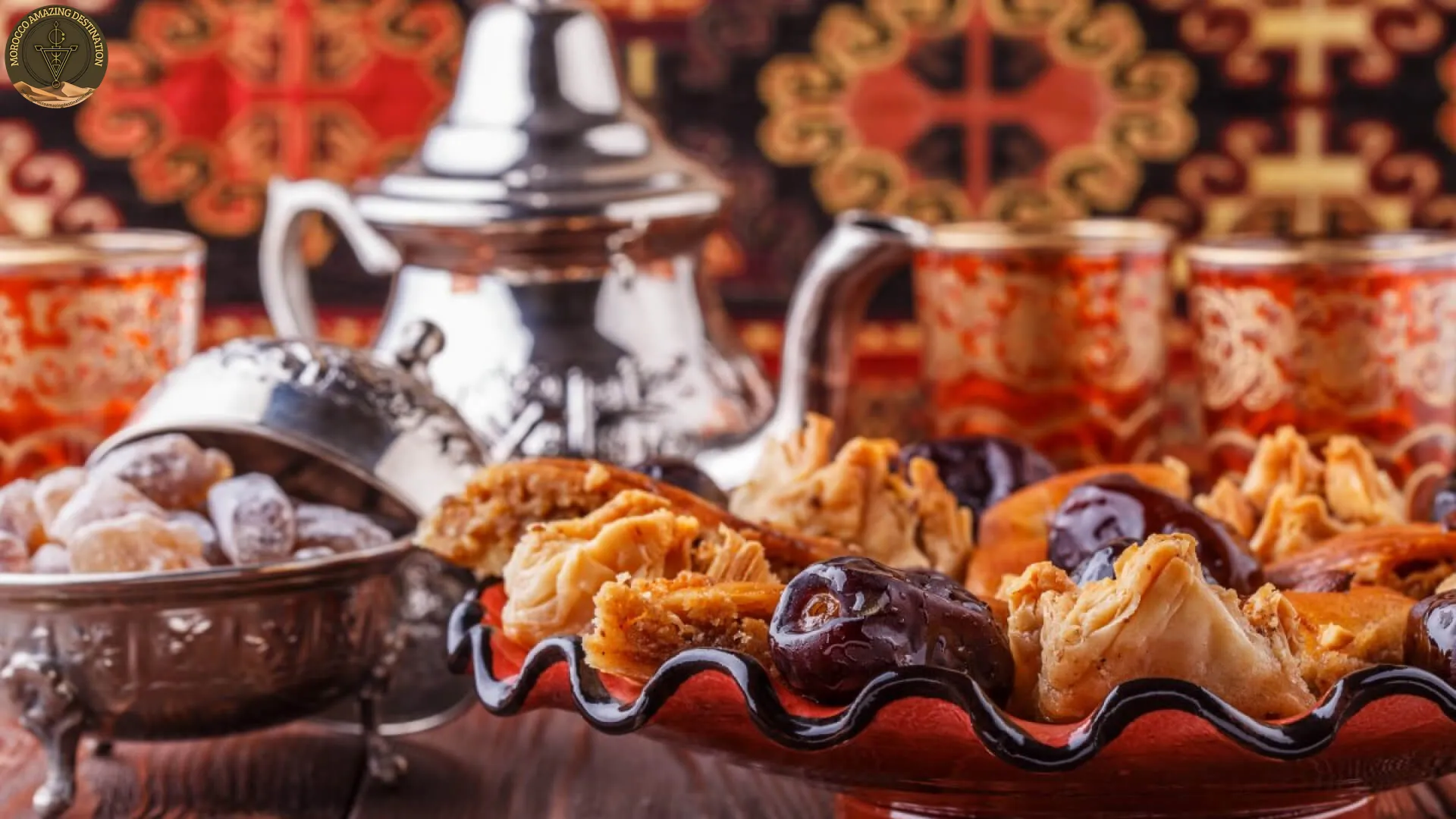
Ask a Moroccan family when they eat and the answer usually starts with the sun, not with a number. Moroccan food traditions also shift with the season and the region. The same country sits down at slightly different hours in winter and in summer, on the coast and in the desert. Moroccan meals follow the call to prayer rather than the clock, with a light early start, a main midday meal and a late shared dinner.
The rest is learned at the table: who gets served first, which hand to use, when to leave food on the plate. In this guide, we will break down the rhythm of the day and the Moroccan food culture that does not fit on a menu.
Meal Times in Morocco - The Day Runs on Prayer and Daylight
Moroccan meal times move with the light. Most homes open the day lightly between about 07:00 and 10:00: bread, olive oil, jam and a glass of mint tea. Sometimes there is fresh white cheese from the Rif called jben. It stays small on purpose, because the big meal is coming.
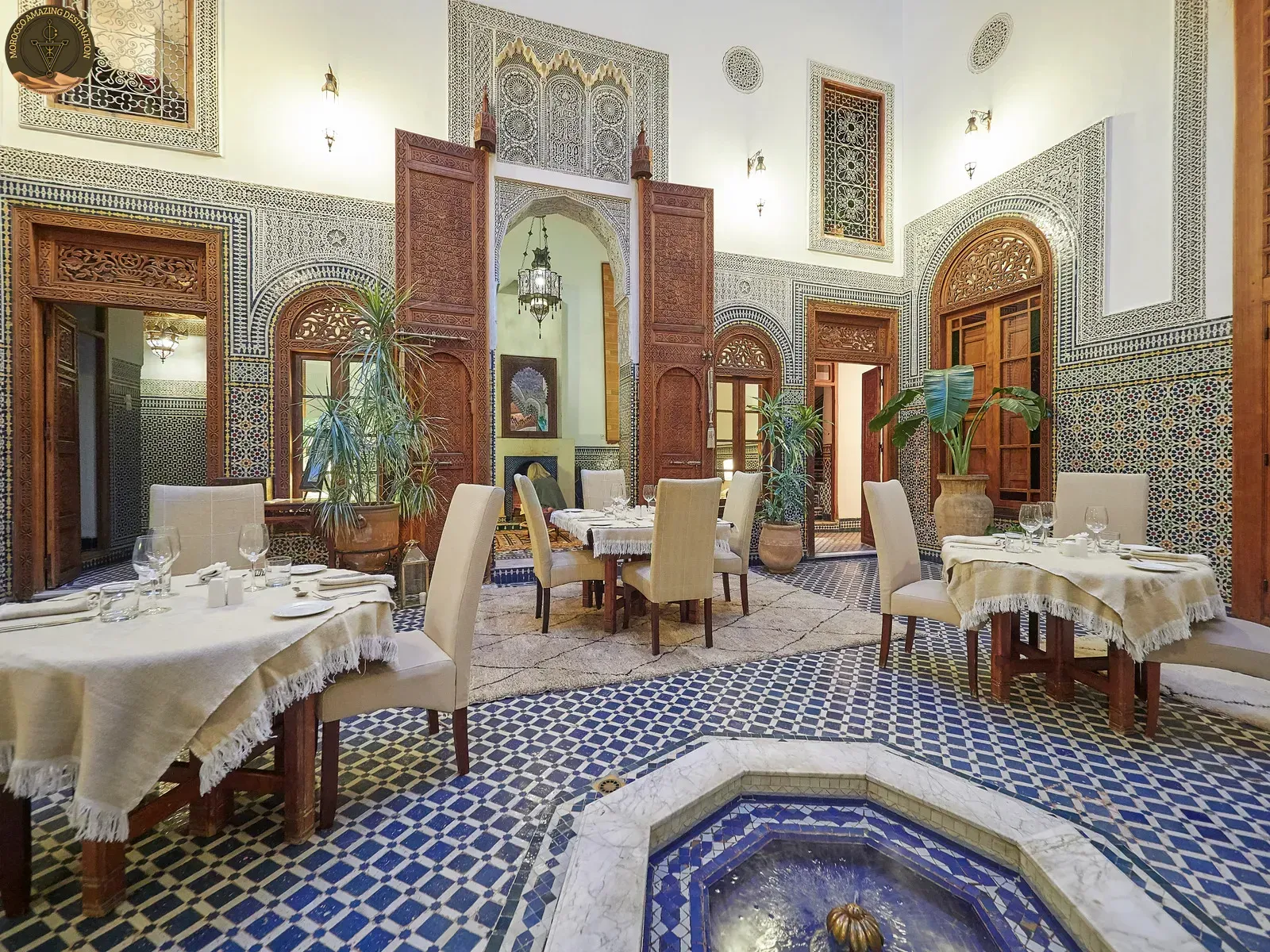
Lunch lands between roughly 12:30 and 15:00 and counts as the main event of the day. Work and school schedules bend around it. The evening meal follows the sunset call to prayer, often between 20:00 and 22:00. In summer it drifts later, when daylight runs past nine. By evening the table is lighter: soup, eggs, leftovers and bread.
Distance shifts things by an hour or two. Coastal towns eat a little earlier and mountain villages follow the light closely. Desert families in high summer move their whole day to dodge the heat. Those ranges hold for most of the year, and summer pushes every one of them later.
The Shared Table - One Tagine, Bread Instead of Forks
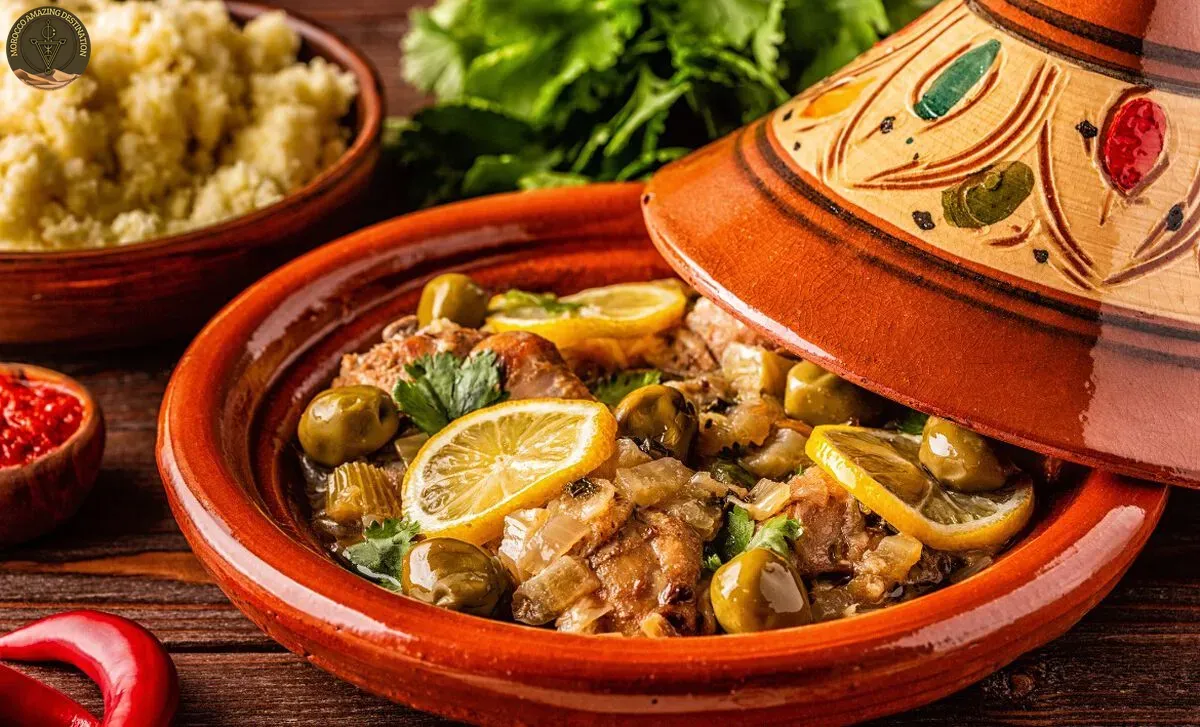
Food arrives in the middle of the table. A tagine comes as one pot, and everyone works the section in front of them. Tear a piece of khobz, the round everyday bread, scoop from the edge nearest you, and leave the far side alone. Reaching across the dish is rude.
A few table habits worth knowing before you sit down:
- Right hand only: eat and pass with it, and keep the left away from the food.
- A little food left on the plate is the polite full stop, because a clean plate can read as “still hungry”.
- Refuse twice, then accept: hosts offer more out of duty, and a warm no is part of the exchange.
Serving guests first is the clearest expression of Moroccan food culture at the table, and a host will push the best pieces toward them. For the dish-by-dish detail behind those plates, our guide to what to eat in Morocco covers the food itself.
The Moroccan Mint Tea Ritual - A Pause in the Afternoon
The Moroccan mint tea ritual fills the quiet stretch of the afternoon, between a late lunch and a dinner still hours away. Gunpowder green tea goes into the pot with fresh spearmint and plenty of sugar.
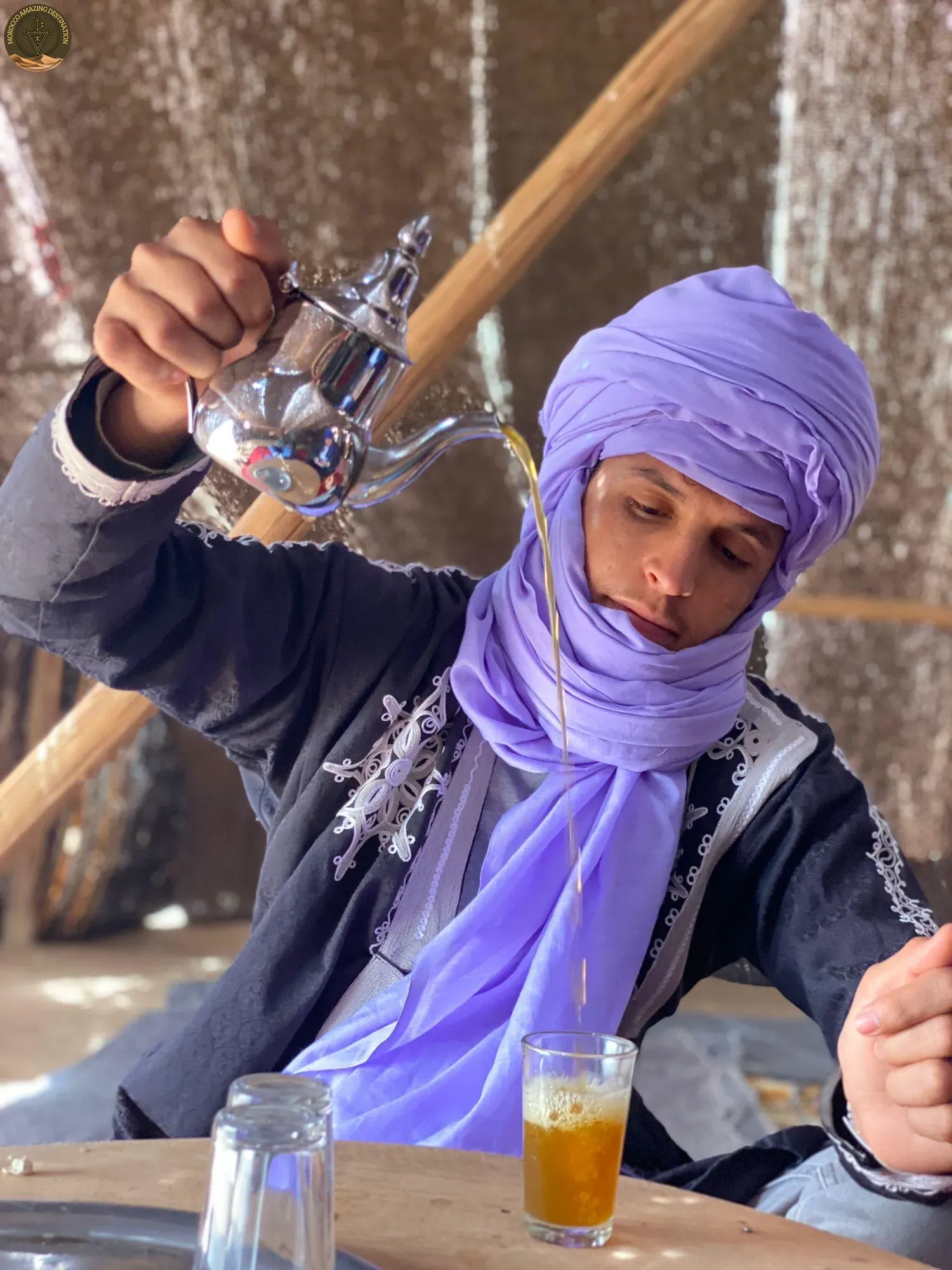
From there the pot keeps coming back to the table:
- Tea lands in the middle of the afternoon, when work has stopped and the house has time.
- The pot is refilled and poured again while the conversation runs, and nobody counts how long you sit.
- Say shwiya sukkar before the pour if you want less sugar.
Tea also closes a meal: once the glasses are cleared, lunch is over. The drink is younger than most people assume. It spread through Morocco in the 19th century, as gunpowder tea and sugar became widely traded. The southern nickname “Berber whisky” is still used with pride. For the manners around the tray and the glass you are handed, read our guide to Moroccan home etiquette.
Friday, Ramadan and Feast Days - When the Eating Clock Moves
Friday means couscous in most Moroccan homes, for a practical reason. The semolina is steamed over the broth, fluffed by hand, then dressed with vegetables and meat. Steaming it properly takes an hour or more. That time is easier to find after the midday prayer on the quietest day of the week. Our guide to Moroccan cooking shows how the dish is built.
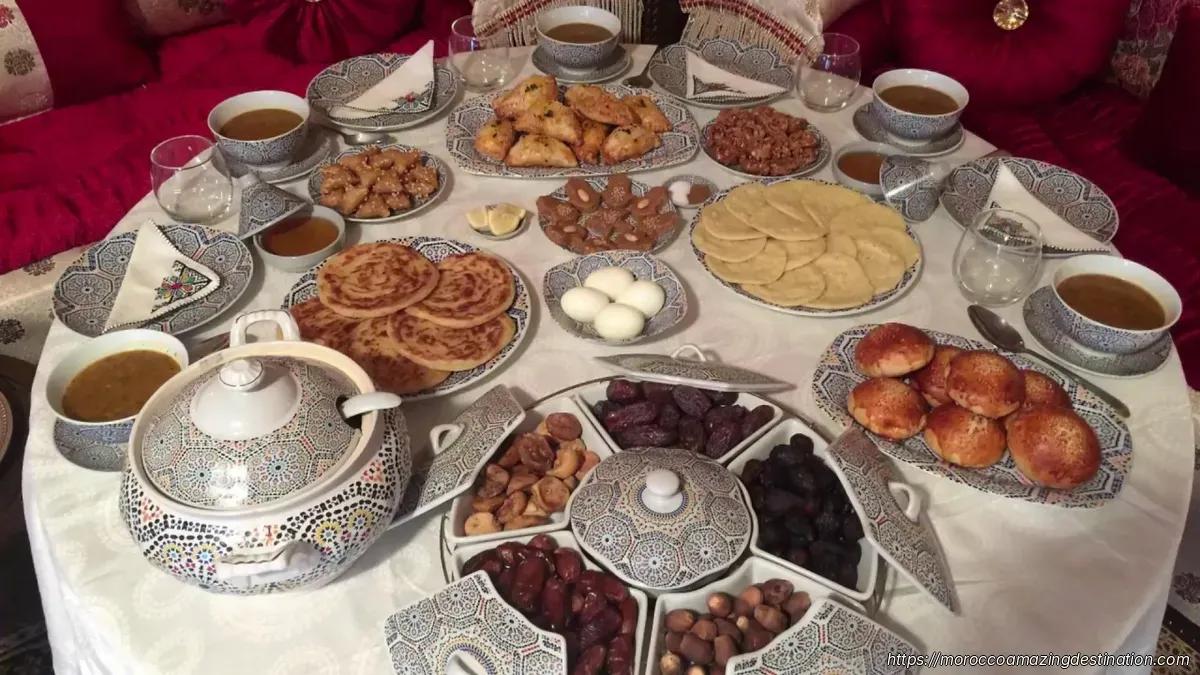
Ramadan inverts the clock. Iftar at sunset opens with dates and harira, the tomato and lentil soup that sits on nearly every table that month. Dinner then lands close to midnight and mornings go quiet. The month follows a lunar calendar, so Ramadan moves through the seasons. Visitors who are not fasting should expect restaurants to shift their hours, and a few to close by day.
Feast days work the other way. Eid tables double in size, sweets appear that never show up on a normal Tuesday, and an invitation is worth accepting.
Food on a Private Trip - Markets, Cooking Classes and Dietary Needs
A private trip lets you plan the food side of the itinerary, from a market walk to a cooking class.
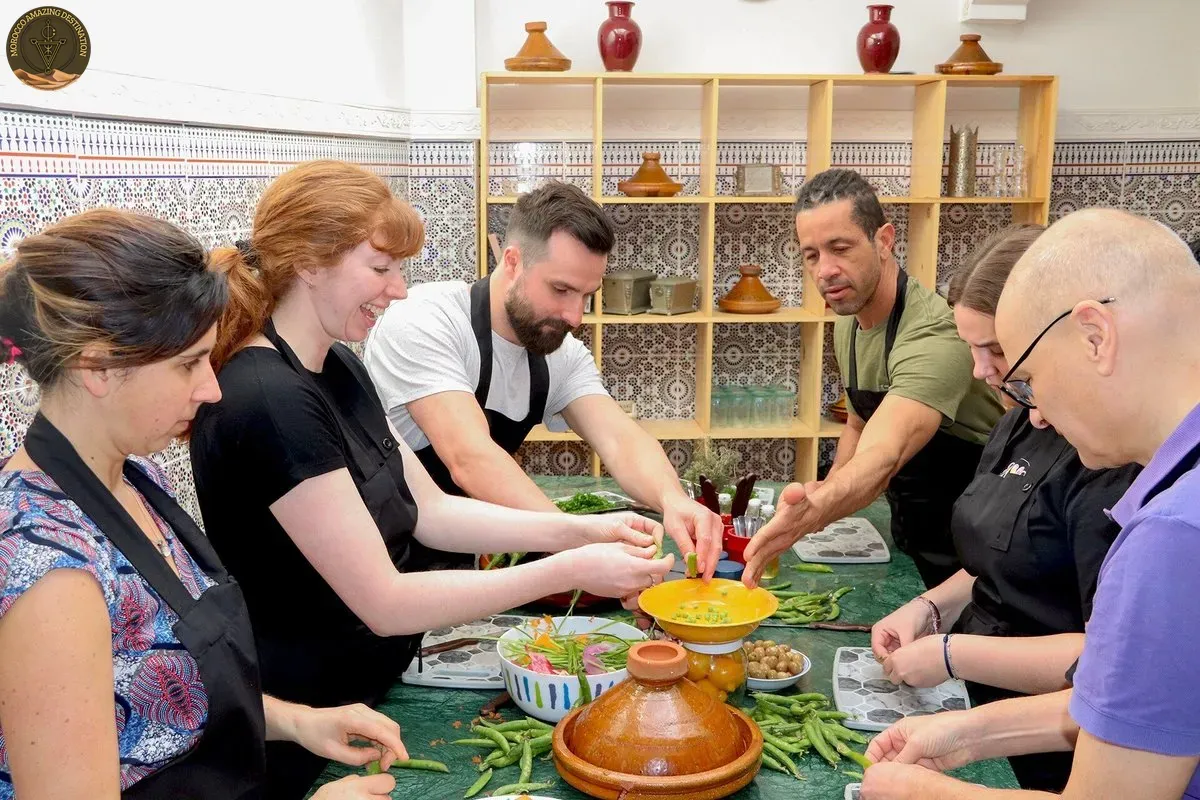
What can be arranged around your table:
- A market visit before the stalls pack up, with the shopping done for a later class.
- A cooking class in a riad kitchen, from msemen at breakfast to a tagine at dusk.
- Vegetarian and vegan meals, which Moroccan cooking handles well with vegetables, legumes, olive oil and bread.
- Gluten-free cooking with advance notice, and plain food for picky children.
Dietary needs are easier to manage than most people fear. Tell us what you can and cannot eat and the plan bends around it.
Our 7-Day Tour of the Imperial Cities and Sahara from Casablanca includes riad dinners and a desert camp evening with tea, music and a shared table. The 4-Day Desert Tour from Ouarzazate adds dinner at a guide’s family home and a cooking session with a nomadic family.
We can customize a tour to match your needs - design your perfect itinerary
If you found this helpful, add us as your preferred source on Google.
Frequently Asked Questions
What time do Moroccans usually eat dinner?
Most families sit down after the sunset call to prayer, usually between 20:00 and 22:00, and later in summer when daylight lasts longer. Dinner is often the lightest meal of the day, built on soup, eggs, leftovers and bread.
Do Moroccans eat with their hands?
At home, yes, and with bread rather than cutlery. You tear a piece of khobz with your right hand and scoop from the part of the shared dish nearest you. Couscous is usually eaten with a spoon, though it still comes from a common plate.
What happens to meal times during Ramadan?
The clock inverts. Iftar at sunset opens with dates and harira, dinner then lands close to midnight, and mornings go quiet. Visitors who are not fasting should expect restaurants to shift their hours and a few to close by day.
What should you do when a host keeps offering more food?
Refuse warmly two or three times, then take a small portion if the offers continue. Leaving a little food on the plate is polite, since a completely empty plate can suggest you are still hungry.
Ready for an Adventure?
Have questions? Feel free to contact us using the form below. We're here to help!