
· Travel Tips · 6 min read
Moroccan Home Etiquette: Essential Dos and Don'ts for Visiting a Local Family
Planning to visit a Moroccan home? Learn the unspoken rules of Moroccan hospitality, from greeting customs and gift-giving to tea ceremony etiquette and dining manners.
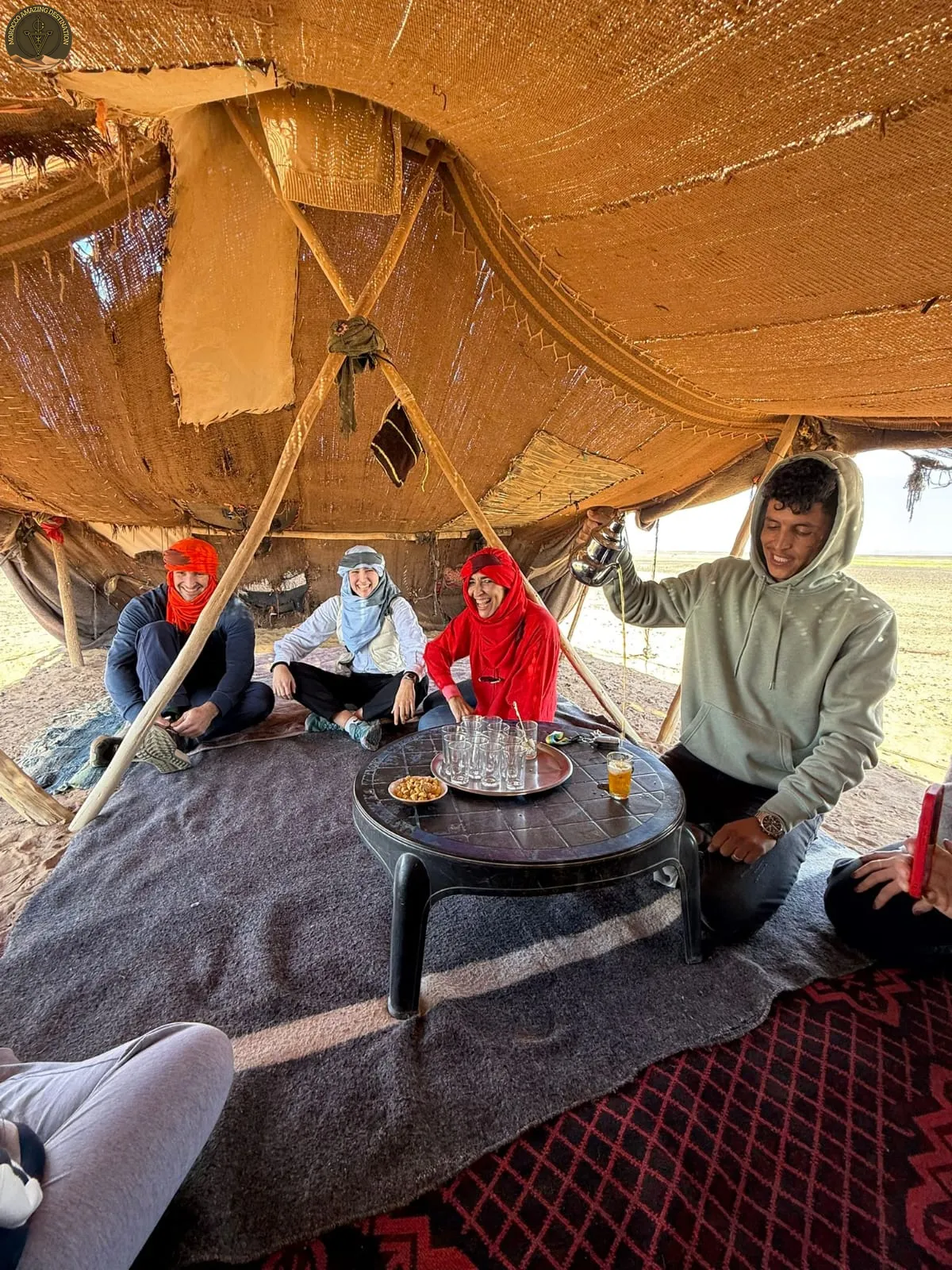
Getting invited into a Moroccan home is one of the most authentic experiences you can have as a traveler. It is a privilege rooted in a deep tradition of hospitality that predates modern tourism. Yet for many visitors, walking into a private home in Morocco comes with a quiet anxiety — the fear of accidentally offending your hosts.
Moroccan home etiquette is built on generosity, respect, and subtle cultural cues that locals learn from childhood. This guide walks you through the unspoken do’s and don’ts so you can enter any Moroccan home with confidence and leave with friends for life.
The Golden Rule of Moroccan Hospitality
Moroccans believe that guests are a blessing from God. The saying “Diyaf” (hospitality) is sacred. Whether you visit a wealthy family in Marrakech or a modest Berber home in the Atlas Mountains, you will be treated like royalty.
The most important rule? Reciprocate warmth with gratitude. Show appreciation for every gesture, no matter how small, and you will be welcomed back with open arms.
The Moroccan hospitality customs revolve around making the guest feel like the most important person in the room. Accept this generosity gracefully.
Greetings and First Impressions
Remove Your Shoes
The very first unspoken rule: shoes stay at the door. Every Moroccan home has a designated shoe area near the entrance. Look for other shoes lined up, and follow suit. This keeps the home clean and is a sign of respect, especially if the family prays on floor mats.
Greet the Elders First
When entering a room with multiple people, greet the oldest person first. This is a fundamental rule across Morocco traditions. Use “As-salamu alaykum” (peace be upon you). Men typically shake hands with men; women with women. If you are unsure, place your right hand over your heart and smile warmly — this gesture is universally understood.
The Three-Kiss Greeting
Among friends and family, Moroccans often exchange three light cheek kisses (left, right, left). As a foreigner, do not initiate this. Wait for your host to lean in first. A respectful handshake or hand-over-heart is always safe.
The Moroccan Tea Ceremony
Moroccan tea ceremony etiquette is perhaps the most important skill you can learn. Mint tea (atay) is not just a drink — it is a ritual of friendship, negotiation, and celebration.
Always Accept the Tea
When tea is served, accept it. Refusing is considered rejecting the host’s hospitality. Even if you do not drink tea, take the glass, take one sip, and hold it. This small act honors the tradition.
The Three Glasses
The traditional serving is three glasses. There is a famous Moroccan saying: “The first glass is as gentle as life, the second as strong as love, the third as bitter as death.” You may stop after the first or second glass if you wish. To signal you are finished, gently cover the glass with your hand and say “Baraka” (enough).
How to Drink
The tea is served with the spout high to create foam on top. Drink from the rim without touching the glass with your lips too much — let the tea cool naturally. Slurping is not considered rude and can be a sign of enjoyment.
Dining Etiquette in a Moroccan Home
Wash Your Hands
Before the meal, someone will bring a kettle (brad), basin, and soap to wash your hands over a tray. Hold your hands over the basin as warm water is poured. Dry with the towel provided. After the meal, the ritual repeats.
Eat with Your Right Hand
Traditional Moroccan meals are eaten with the hands from a communal dish. Only use your right hand — the left hand is considered unclean. Use your thumb and first two fingers to scoop bread (khobz) and food. Do not let your fingers touch your mouth directly.
The Communal Tagine
The dish is placed in the center of the table. Everyone eats from their own section of the tagine. Do not reach across to the other side. Your host may place the best pieces of meat in front of you — this is an honor. Accept it graciously.
Say “Bismillah”
Before eating, say “Bismillah” (in the name of God). After finishing, say “Al hamdulillah” (praise be to God). Even if you are not Muslim, these phrases are appreciated and show respect for the culture.
Do Not Rush
Meals in Morocco are leisurely. Wait for the host to invite you to start. Do not be the first to finish. Continue eating slowly, and your host will tell you when the meal is truly over — often by saying “Bismillah” to signal the end.
Gift-Giving Customs
Following proper gift giving in morocco etiquette shows thoughtfulness and appreciation.
What to Bring
- High-quality sugar cones — traditional and always useful
- Green tea and fresh mint — the ingredients for Moroccan hospitality
- Dates, nuts, or pastries — especially Moroccan sweets from a reputable bakery
- A small gift from your home country — a souvenir with a story
- Flowers — but give them with your right hand
- Spices like saffron or tagine blend — thoughtful and practical
What NOT to Bring
- Alcohol — even if your hosts drink, it is not appropriate to arrive with it
- Pork or anything containing pork — haram (forbidden) in Islam
- Leather items — may cause discomfort depending on the source
- Too many gifts — it can embarrass the host, who may feel obliged to reciprocate
How to Offer
Present your gift with both hands or your right hand. Say “Hadia” (a gift). The host may not open it immediately — this is not rudeness, but modesty. Do not insist they open it.
General Do’s and Don’ts
Do’s:
- Do accept at least one round of tea
- Do compliment the home and the food — it shows appreciation
- Do wait to be seated — the host will show you where
- Do use your right hand for everything: eating, shaking hands, giving gifts
- Do say “Shukran” (thank you) and “Afak” (please) often
- Do ask permission before taking photos of family members or the interior
- Do accept seconds if offered — it signals you are enjoying the meal
Don’ts:
- Don’t walk into a home with shoes on
- Don’t refuse tea or food without a gracious explanation
- Don’t start eating before the host invites you
- Don’t use your left hand to eat, touch food, or shake hands
- Don’t show the soles of your feet to anyone — it is considered disrespectful
- Don’t rush through the meal or visit — Moroccans value unhurried connection
- Don’t ask direct questions about money, the price of items in the home, or family disputes
Experience Moroccan Hospitality Firsthand
The best way to practice what to expect in a moroccan home is to experience it yourself. Our guided tours include authentic visits with local families, Berber village stays, and cultural immersion that goes far beyond the typical tourist path.
Consider our 7-Day Morocco Tour from Fes — it takes you from the ancient medina of Fes through the Middle Atlas mountains, includes a night in a Sahara desert camp, and offers encounters with Berber families in the Dades Valley where hospitality traditions are still very much alive.
For a longer journey, the 8-Day Morocco Tour: Marrakech, Sahara Desert & Essaouira combines imperial cities, Sahara adventures, and coastal charm with genuine cultural exchanges in local homes along the way.
If you found this helpful, add us as your preferred source on Google.
Frequently Asked Questions
What should I wear when visiting a Moroccan home?
Dress modestly — cover shoulders and knees, and avoid revealing clothing. Women may be offered a traditional kaftan to wear inside, which is considered an honor. Remove your shoes at the entrance, as it is customary in all Moroccan homes.
Is it rude to refuse food or tea in a Moroccan home?
Yes, it can be considered impolite to refuse. Always accept at least one glass of mint tea — it is a symbol of hospitality and friendship. If you are full or cannot eat more, gently place your hand over your heart and say "Shukran" (thank you) rather than refusing outright.
What gift should I bring to a Moroccan home?
Bring sweets, pastries, dates, nuts, or a box of sugar or green tea. Flowers, a small souvenir from your country, or a high-quality tagine spice mix are also appreciated. Avoid alcohol or anything containing pork, even if your hosts are not strictly observant.
How do I greet elders or the head of the family in Morocco?
Greet the oldest person first as a sign of respect. Use "As-salamu alaykum" and, if the person extends their hand, shake it gently. Place your right hand over your heart after the handshake as a warm gesture. Some conservative families may avoid handshakes between men and women.
Ready for an Adventure?
Have questions? Feel free to contact us using the form below. We're here to help!