
· Travel · 4 min read
The Coldest Month in Morocco: Cold Weather, Month by Month
The coldest month in Morocco is January, but region matters more. Compare Morocco cold weather month by month, coast, cities, Atlas and Sahara.
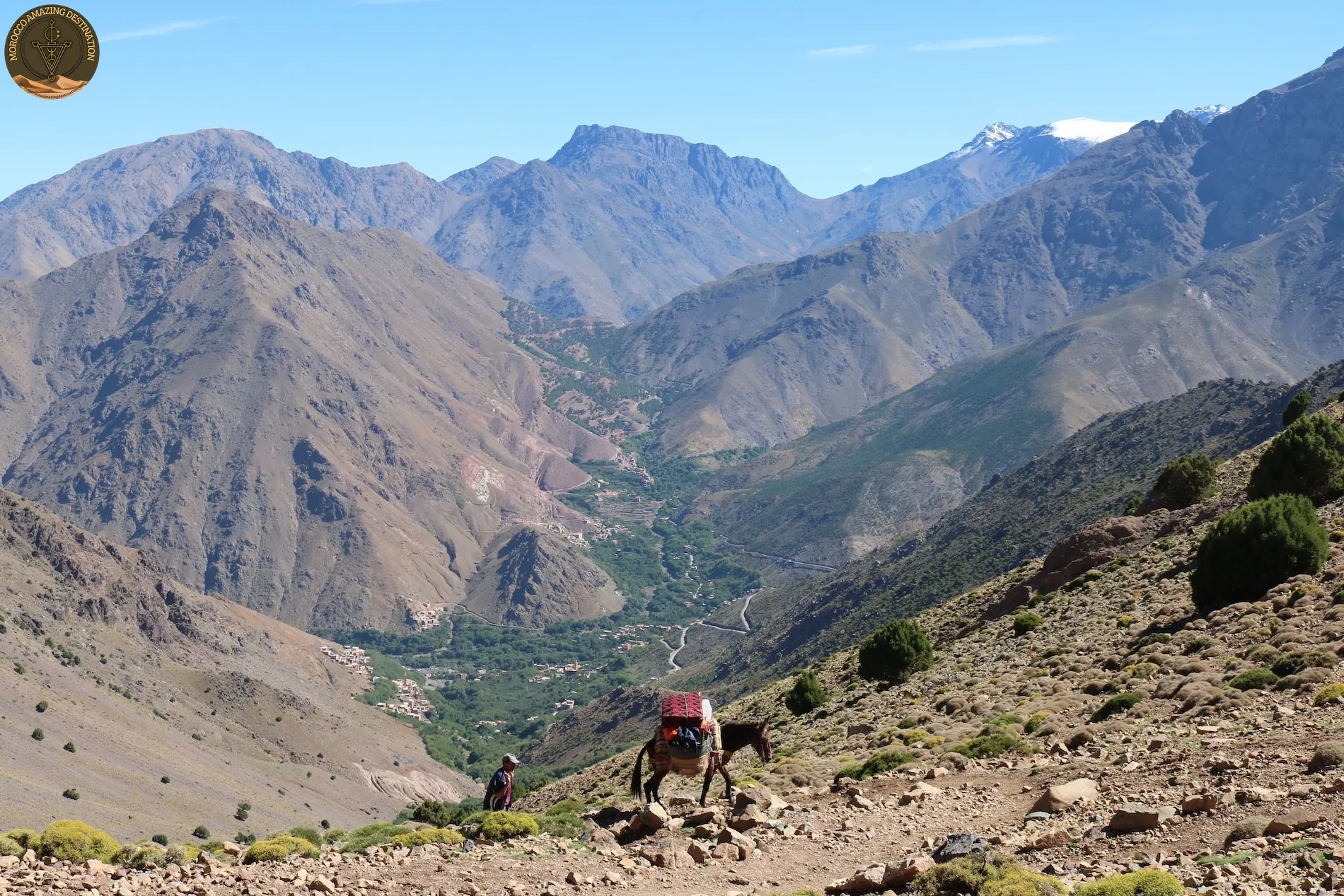
The cold season in Morocco runs from November to March, and the coldest month in Morocco is January almost everywhere. What you feel, though, depends far more on region than on the calendar. The same week can bring 21°C beach days in Agadir and sub-zero nights high in the Atlas.
In this guide, we will break down Morocco cold weather month by month from November to March. We also compare the coast, imperial cities, Atlas and Sahara.
Morocco Cold Weather, Month by Month
Morocco winter temperature by month follows a clear pattern: the cold season runs from November to March, with a clear peak in January. The transitional months at each end are the most forgiving, offering warmer days and calmer nights. These are daytime highs and night-time lows; inland and high-altitude places swing hardest.
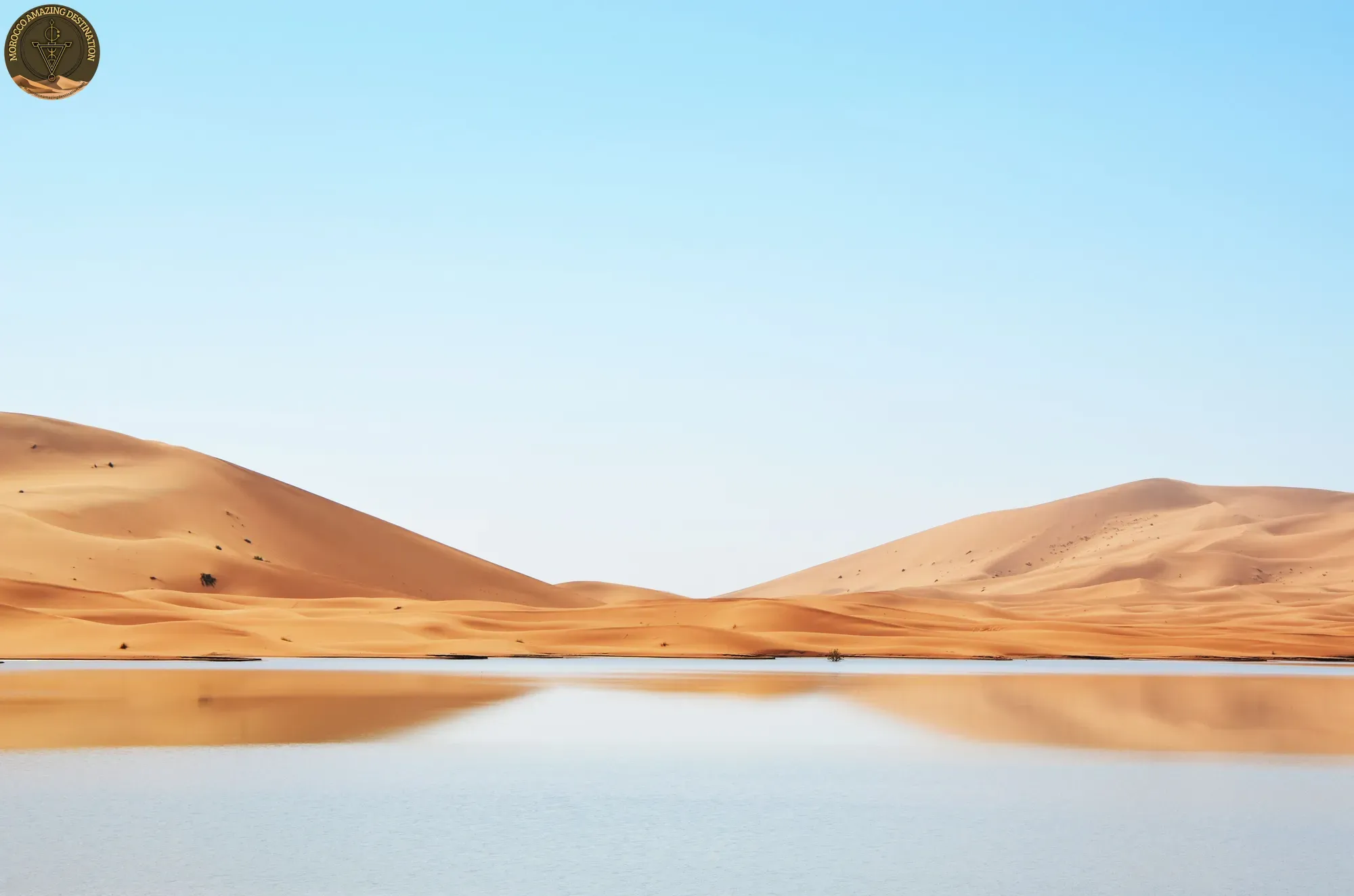
- November: Marrakech 23/11°C, Agadir 24/13°C and Merzouga 23/9°C, with the first snow dusting the High Atlas.
- December: Marrakech 20/7°C, Fes 14/4°C and the Atlas near 7/−6°C, plus the wettest weeks in the north.
- January: Marrakech 19/6°C, Fes 16/4°C, Agadir 21/8°C and Merzouga 17/2°C, the coldest month nearly everywhere.
- February: Marrakech 21/8°C and Merzouga 20/4°C, slightly warmer, with almond blossom near Tafraoute.
- March: Marrakech 24/10°C and Fes 20/7°C, as spring returns and snow clears from the highest passes.
For a city-by-city breakdown of the same season, see our guide to how cold Morocco gets.
The Atlantic Coast: Agadir and Essaouira
The Atlantic coast is Morocco’s mildest winter region. Agadir and Essaouira rarely see frost, and the ocean keeps nights gentler than they are inland. If you want beach time and easy daytime walking without heavy winter gear, this is your base.
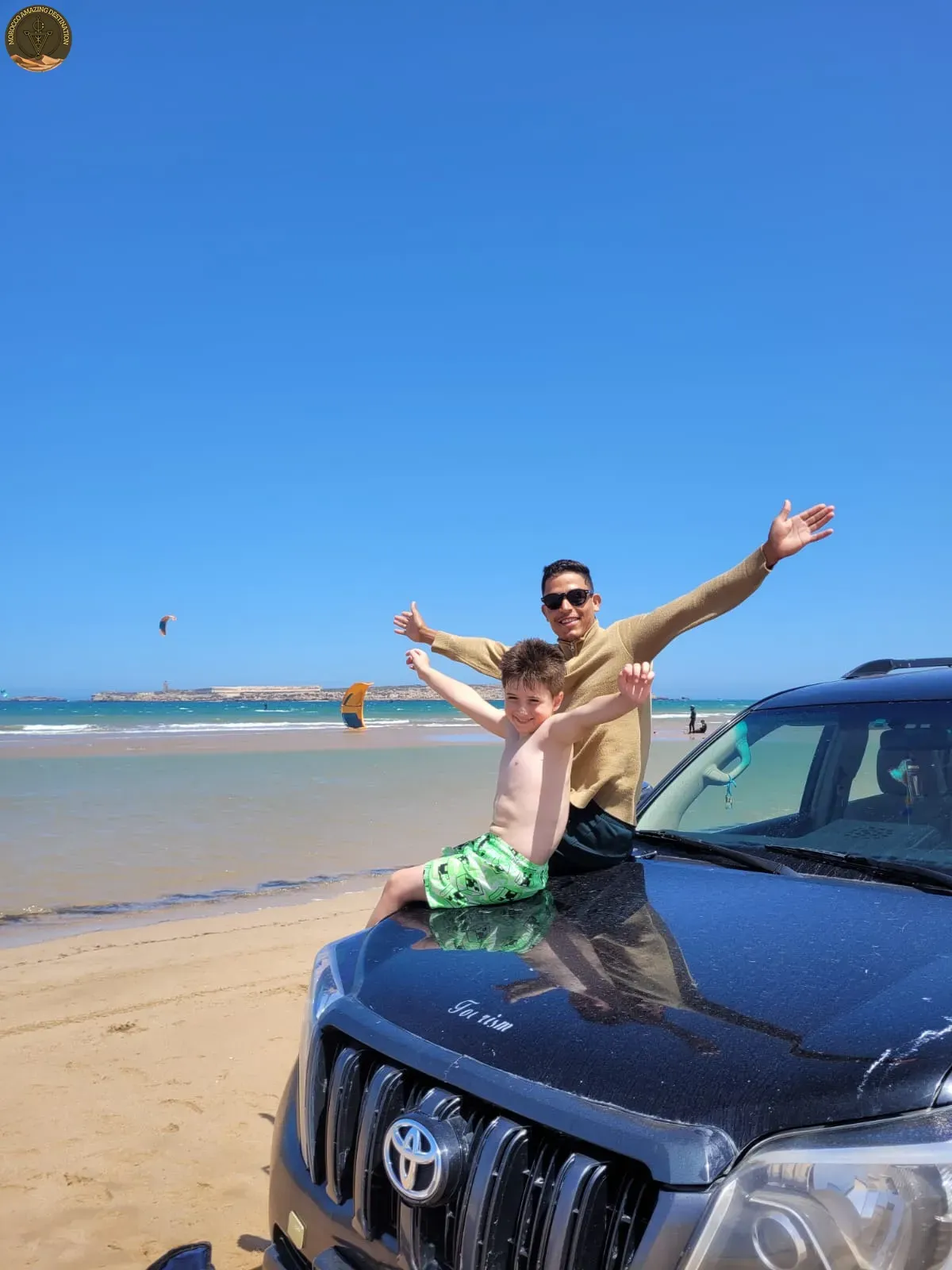
Rainfall is low in the south and much higher towards Tangier, so the coast is a gradient, not one climate.
- Agadir: 20–22°C days and 8–13°C nights, low rainfall and reliable winter sun.
- Essaouira: cooler and windier, with a steady sea breeze and damp evenings.
- Tangier: the wettest of Morocco’s big cities, where damp cold feels sharper than the numbers suggest.
Pack a light sweater for evenings and a windproof layer for windy Essaouira.
Imperial Cities: Marrakech, Fes and Rabat
Inland imperial cities are mild by day and cold after dark. Marrakech sits around 460 m and Fes around 580 m, so clear skies release heat quickly at night. January is the coldest month here, though December and February run close behind.
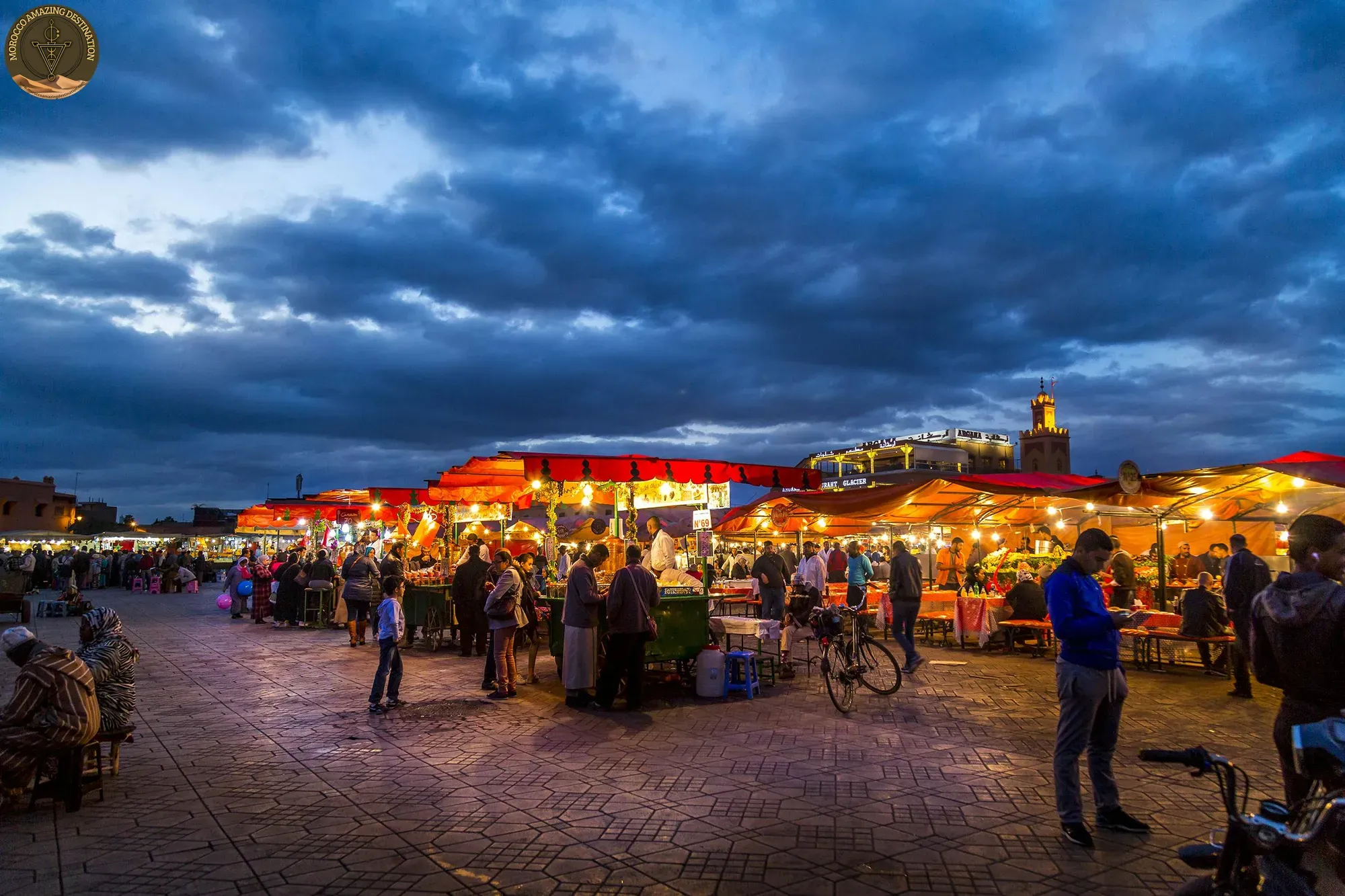
Fes is the coldest of the three, sitting higher and further north, and morning frost is possible.
- Marrakech: 19–21°C days and 6–8°C nights through mid-winter, with sunny rooftop afternoons.
- Fes: cooler at 16–17°C days and 4–5°C nights, often with early frost.
- Rabat: milder at 17–19°C days but damp, with December the wettest month.
Unheated riads are built for shade rather than heat, so evenings indoors can feel as cold as the street.
The Atlas and Rif Highlands
Altitude decides the cold in the highlands. Temperatures fall by roughly 6°C for every 1,000 m of elevation, so the Atlas and Rif run a full season colder than the cities below. Snow settles from around November and lingers into spring.
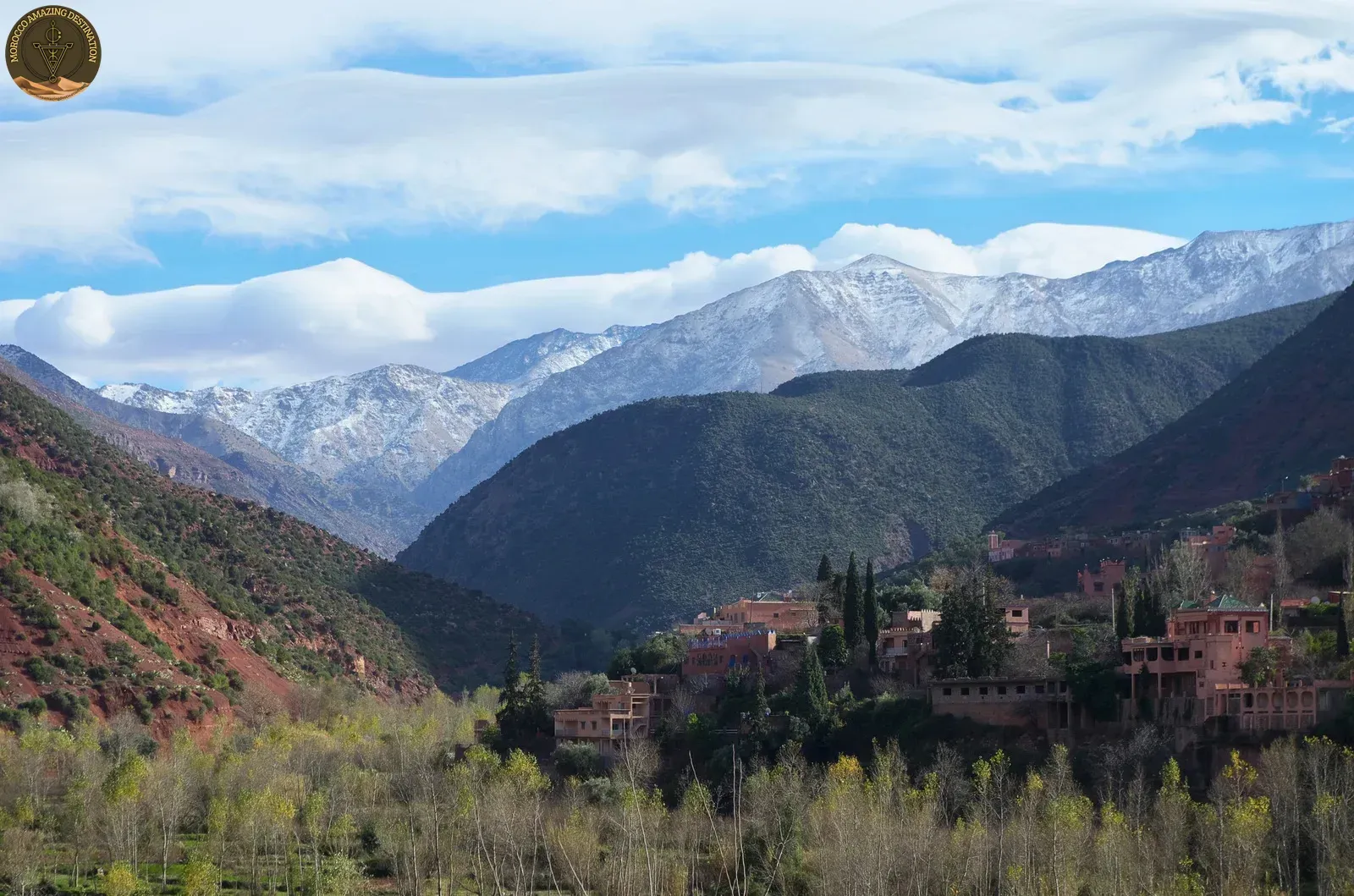
If you cross the mountains in winter, build in flexibility for weather on the passes.
- Ifrane (about 1,650 m): January mean near 4°C, with frequent sub-zero nights.
- Imlil and the High Atlas (about 2,000 m): December nights near −6°C, with snow from November onwards.
- Tizi n’Tichka (2,260 m): the Marrakech-to-Sahara pass can close briefly after heavy snow, most often in January and February.
Toubkal rises to 4,167 m and holds snow into spring, so pack waterproof boots and a real winter jacket.
Merzouga, the Sahara and the Shoulder Months
The Sahara is warm by day and cold at night, with the sharpest swing in the country. Merzouga sees a 15–20°C drop between afternoon and dawn, and frost can form on shaded dunes. A desert camp with thick blankets turns a near-freezing night into the highlight of the trip.
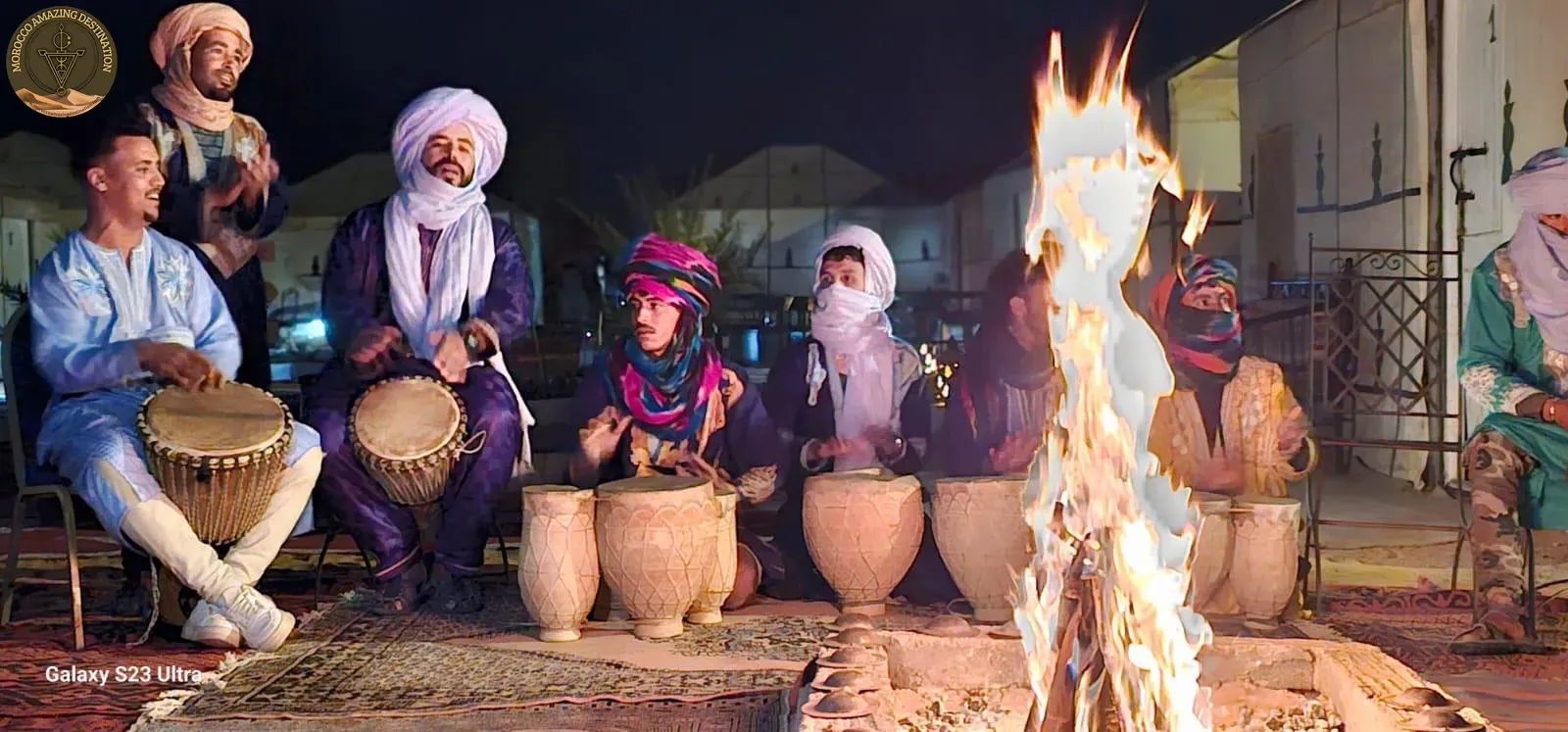
The shoulder months around the winter peak are the classic compromise, with warmer days and calmer nights.
- November: the all-round shoulder, with mild days, comfortable desert nights and good value.
- December: atmospheric cities and the clearest stargazing, but bundle up after sunset.
- January: the coldest month, with empty sites, mild coasts and desert photography for the well-prepared.
- February: a desert sweet spot, with warmer nights and almond blossom near Tafraoute.
- March: spring returns, with warmer desert days and wildflowers across the south.
A desert trip is the best way to feel this contrast. Our 3-Day Trip from Marrakech to Merzouga crosses the Tizi n’Tichka pass and sleeps under cold, clear desert stars. For a slower mix of coast and Sahara, the 8-Day Morocco Tour: Marrakech, Sahara Desert & Essaouira Adventure is a strong choice. It pairs mild Atlantic days with frosty desert nights.
We can customize a tour to match your needs — design your perfect itinerary.
If you found this helpful, add us as your preferred source on Google.
Frequently Asked Questions
Which month is the coldest in Morocco, and where?
January is the coldest month almost everywhere, but location decides how cold. Marrakech averages 19°C by day and 6°C at night, Fes drops to 4–5°C, the Atlas falls below zero, and mild Agadir stays near 21°C.
How cold does Morocco get during the cold season?
The cold season runs from November to March, peaking in January. November and March stay mild, with warmer days, calmer desert nights and fewer crowds.
Is the coast, the Atlas or the Sahara colder in winter?
The Atlas and Rif are coldest, with sub-zero nights at altitude. The Sahara swings hardest, from 17–20°C days to 2–4°C nights, while the Atlantic coast stays near 8–13°C.
What are the best shoulder months for a Morocco winter trip?
November and March. Days stay warm, desert nights are calmer, and crowds and prices are lower than at the January peak.
Ready for an Adventure?
Have questions? Feel free to contact us using the form below. We're here to help!