
· Travel · 4 min read
How Cold Does Morocco Get? Winter Temps by City & Desert
Yes, Morocco gets cold. Check winter temperatures by city — Marrakech, Rabat, Tangier, Agadir and the Sahara at night — before you pack.
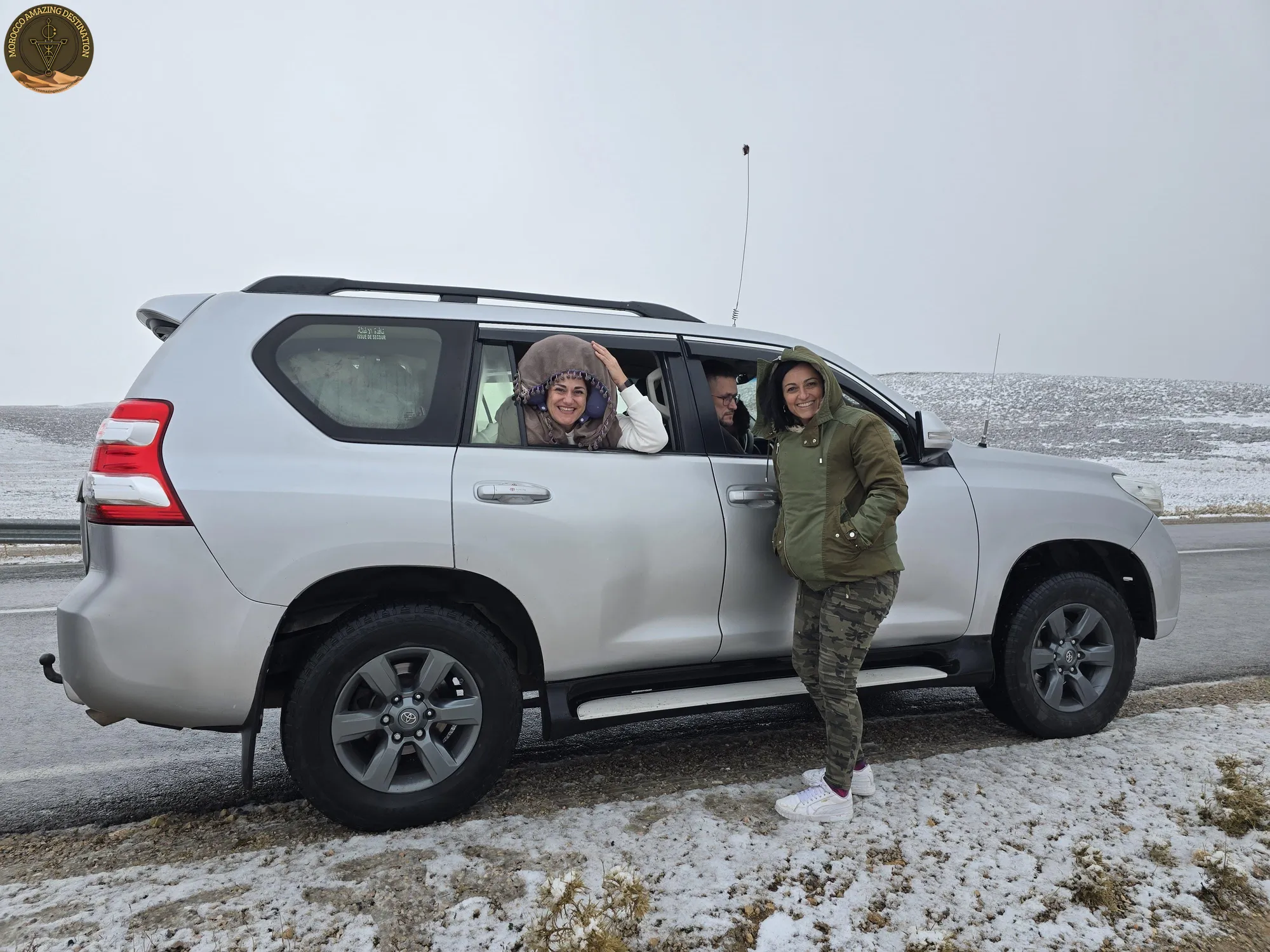
Morocco is a famously sunny country, but sunny does not mean warm after dark. How cold does Morocco get depends on where you are and on the hour, not only on the season. Coastal Agadir stays mild, imperial Marrakech swings hard at night, and the Sahara Desert can drop close to freezing by dawn.
In this guide, we will break down how cold Marrakech, Rabat, Tangier, Agadir and Merzouga really get in winter, and how you can plan around the temperature swings comfortably.
How Cold Does Morocco Get? The Short Answer
The cold season in Morocco runs from December to February, and January is the coldest month almost everywhere. Altitude does the rest: temperatures fall by roughly 6°C for every 1,000 metres of elevation, so the High Atlas, the Rif and the town of Ifrane freeze first and hardest. Snow settles on the high peaks and in Ifrane from around November to March.
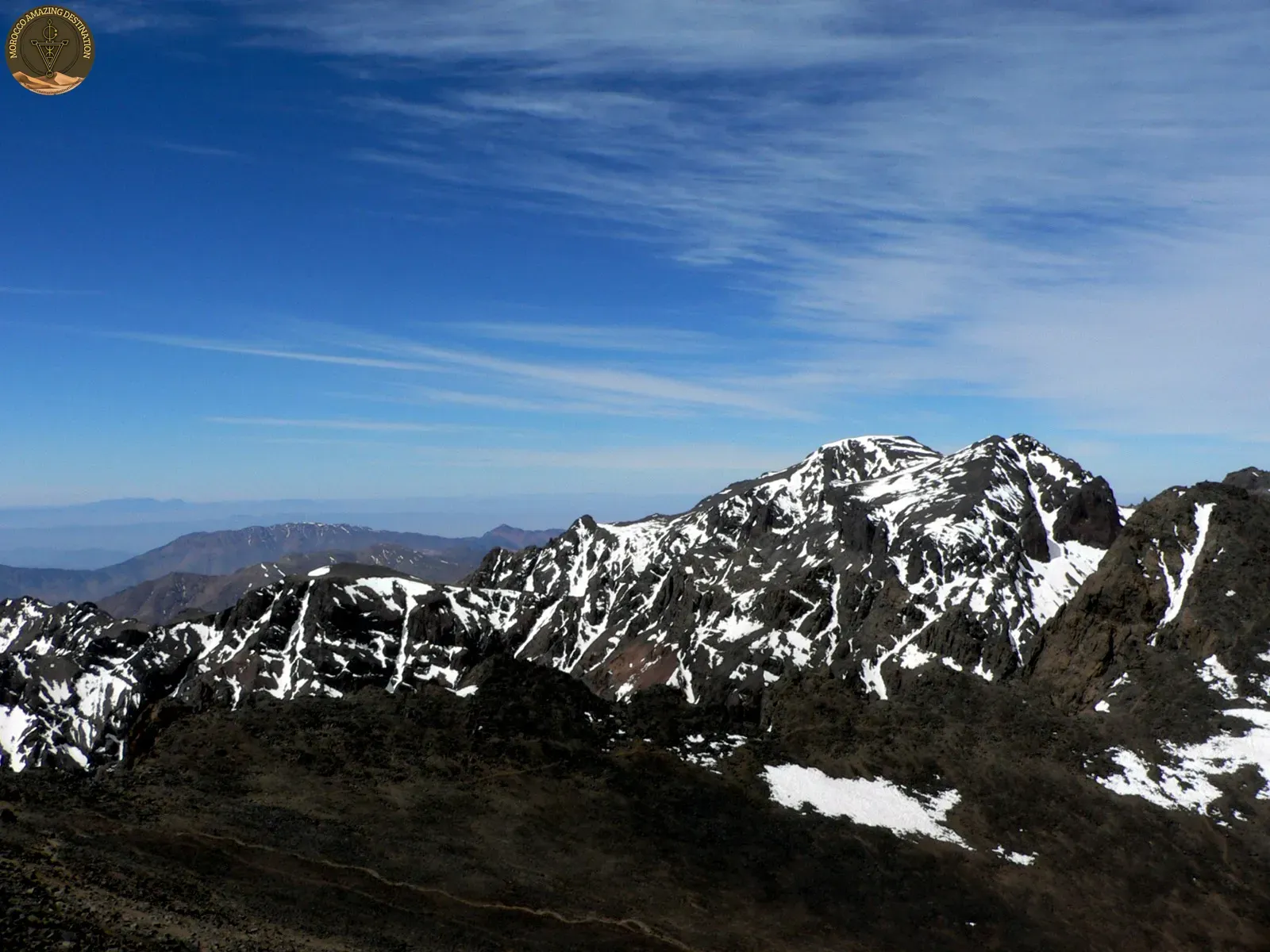
Clear skies make the swings dramatic. Dry air loses heat quickly after sunset, so a desert afternoon of 20°C can end near 0°C by morning — a day-to-night swing of 15–20°C.
What drives the cold wherever you travel:
- Altitude: mountain towns and Ifrane sit far colder than the coast.
- Clear skies: dry air releases heat fast, so nights chill quickly.
- Damp cold: winter rain makes Tangier and Rabat feel colder than the numbers suggest.
- Microclimates: Morocco weather by city varies enormously — Agadir and Marrakech feel like different seasons.
Marrakech and Rabat: Inland and Imperial Winter
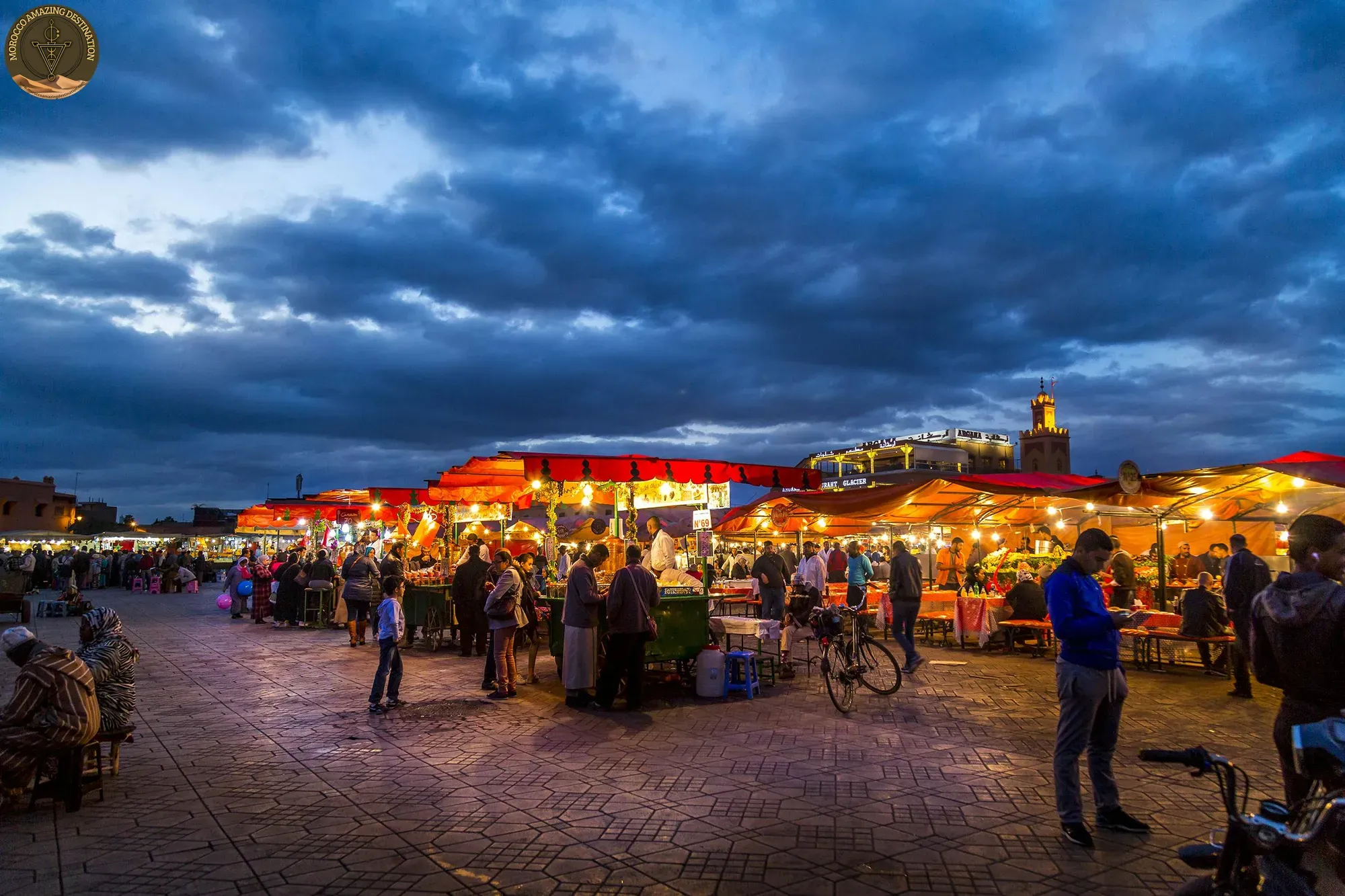
Marrakech winter weather is mild by day and genuinely chilly at night. From December to February, expect sunny days of 18–21°C (64–70°F), with January the coldest month, before evenings fall to 6–8°C (43–46°F). Freezing is rare, but riads are built for shade rather than heat, so rooms stay cool.
Rabat, on the Atlantic, is milder and much wetter. Days sit around 17–19°C (62–66°F) and nights around 8–11°C (46–52°F), with December the wettest month of the year. Snow is essentially unknown in the capital.
Both cities reward the same approach: light layers for sunny afternoons, a warm jacket for after sunset, and a plan that moves indoors in the evening. In Marrakech the cold is mostly a nighttime story — lunch in a t-shirt on a sunny rooftop, then reach for a jacket when the medina lights come on.
Tangier and Agadir: Coastal Winters
Tangier has the coolest, dampest winter of Morocco’s big cities. Days run 16–18°C (61–64°F) and nights 10–12°C (50–54°F), with steady rain through the season — it is one of the wettest places in the country. This is damp cold, and it feels sharper than the thermometer suggests.
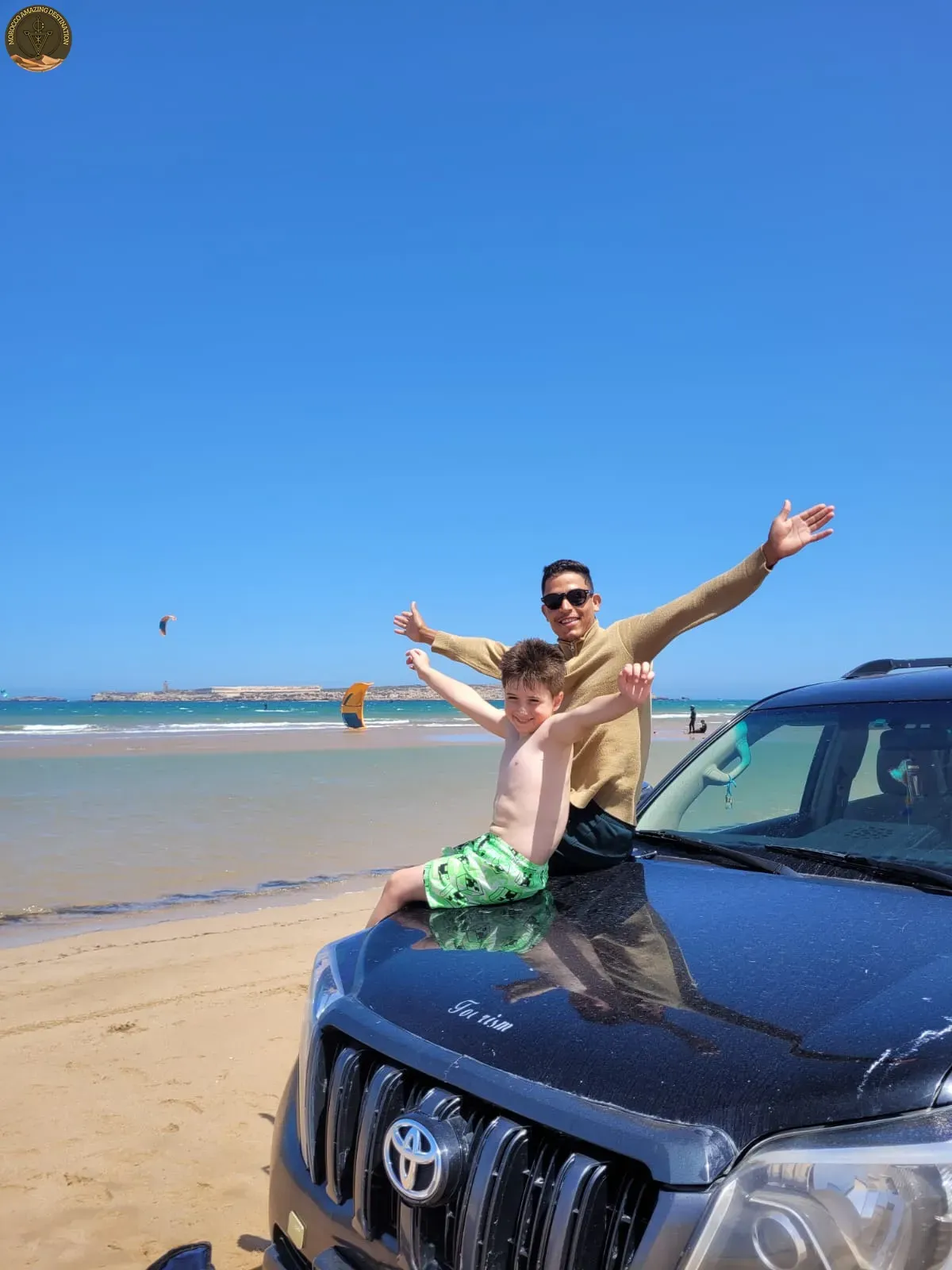
Agadir is Morocco’s mildest winter escape, and the temperatures show it. Days reach 20–22°C (68–72°F) with plenty of sunshine, while nights range from 8–13°C (46–55°F) depending on the month and the breeze. Rainfall is low, and the Atlantic sea stays around 18°C.
Coastal winter at a glance:
- Tangier: cool and wet, so pack layers plus a rain jacket.
- Agadir: warm, sunny days with cool evenings — a light sweater is enough.
- Ocean effect: sea air moderates extremes, so coastal nights stay gentler than inland ones.
Merzouga and the Sahara: Desert Nights
The sahara desert temperature at night is the biggest surprise of a Moroccan winter. Days around Merzouga are pleasant at 17–22°C (63–72°F), but nights fall to 0–6°C (32–43°F). On clear, still nights the mercury can touch 0°C or dip slightly below, and frost forms on shaded dune faces.
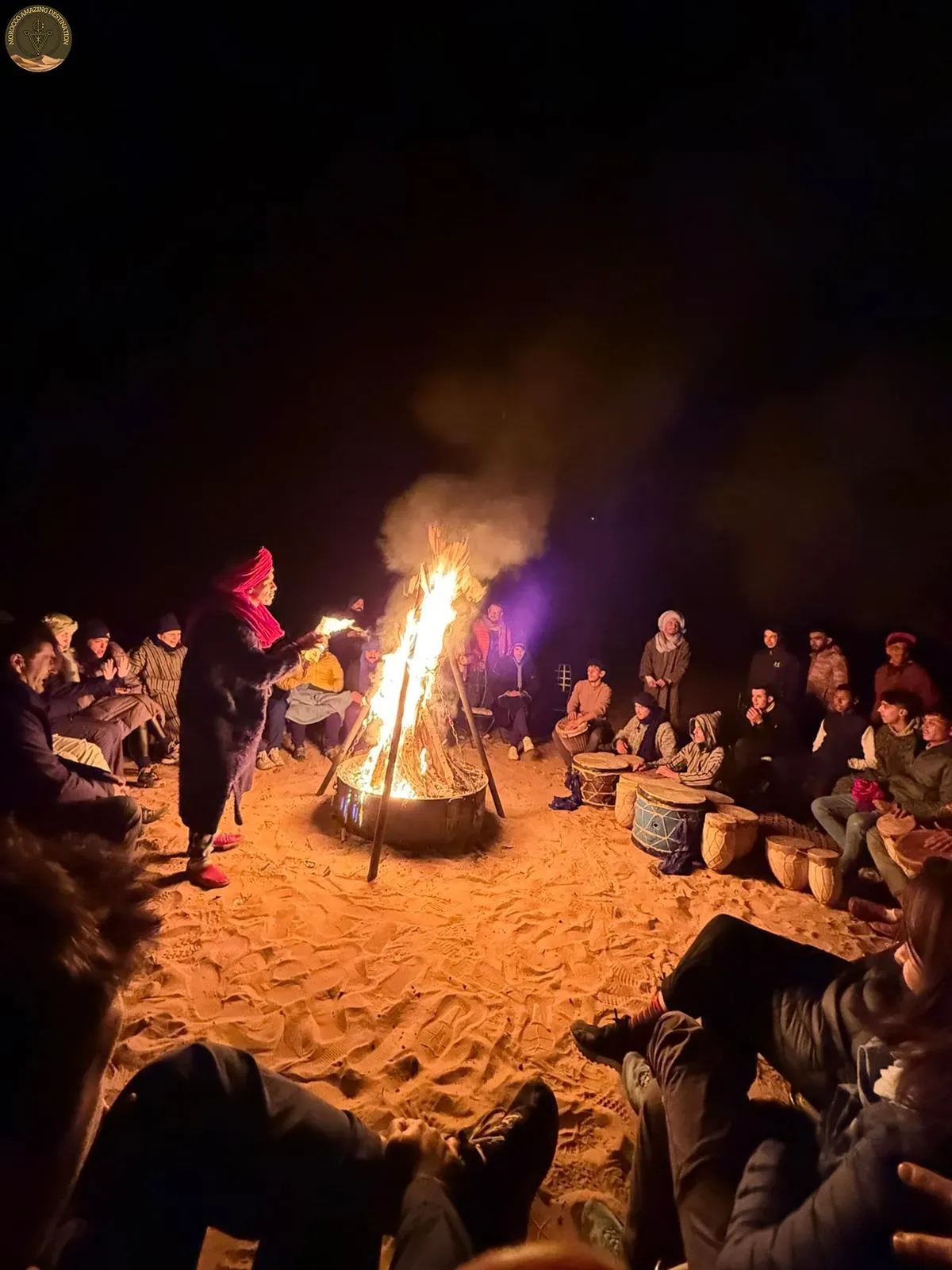
That contrast is why a good desert camp matters. Thick blankets, a fire and hot mint tea turn a near-freezing evening into one of the most memorable parts of the trip. Choose a camp with proper bedding and a heated dining tent.
Best months for the desert:
- October–November: warm days and cool, manageable nights.
- December–February: crisp and clear, with the coldest nights — pack seriously.
- March–April: mild and comfortable, ideal for camel treks and stargazing.
When to Visit and What to Pack
If mild coastal days matter most, Agadir and the Atlantic south are your safest winter base. For desert scenery without the deep freeze, aim for the shoulder months around winter rather than the heart of January. Wherever you go, the rule stays the same: dress for two climates every single day.
Winter packing essentials:
- Layers: t-shirts for sunny afternoons, a warm mid-layer for evenings.
- Outer shell: a windproof or waterproof jacket for Tangier and Rabat.
- Desert nights: hat, gloves, warm socks and a fleece for Merzouga.
- Sun protection: sunglasses and sunscreen, even in December.
A private tour removes the guesswork. Our 3-Day Trip from Marrakech to Merzouga pairs Marrakech’s cold evenings with the Sahara’s near-freezing nights, while the 7-Day Agadir to Merzouga Desert Tour starts in Agadir’s mild Atlantic winter and ends beneath the desert stars.
We can customize a tour to match your needs — design your perfect itinerary.
If you found this helpful, add us as your preferred source on Google.
Frequently Asked Questions
Does it get cold in Morocco?
Yes. Morocco is sunny by day but genuinely cold at night in winter. December to February brings the lowest temperatures, with January the coldest month, and the Sahara can drop to 0°C or slightly below after dark.
What is the coldest month in Morocco?
January is the coldest month almost everywhere, from Marrakech and Rabat to Tangier and the Sahara. Nights reach single digits inland and near freezing in the desert, while coastal Agadir stays comparatively mild.
How cold is the Sahara Desert at night in winter?
Winter nights around Merzouga fall to 0–6°C (32–43°F) and can touch 0°C or dip slightly below on clear, still nights. Frost is possible on shaded dunes, so warm layers and blankets are essential.
Is Marrakech cold in winter?
Marrakech is mild by day, with 18–21°C (64–70°F) afternoons, but cold after sunset at 6–8°C (43–46°F). Freezing is rare, though riads are built for shade rather than heat, so evenings feel chilly indoors.
Ready for an Adventure?
Have questions? Feel free to contact us using the form below. We're here to help!