
· Travel · 4 min read
Moroccan Desserts: A Guide to Traditional Sweets & Pastries
A guide to Moroccan desserts — gazelle horns, chebakia, ghriba and sellou — plus where to taste traditional sweets with mint tea.
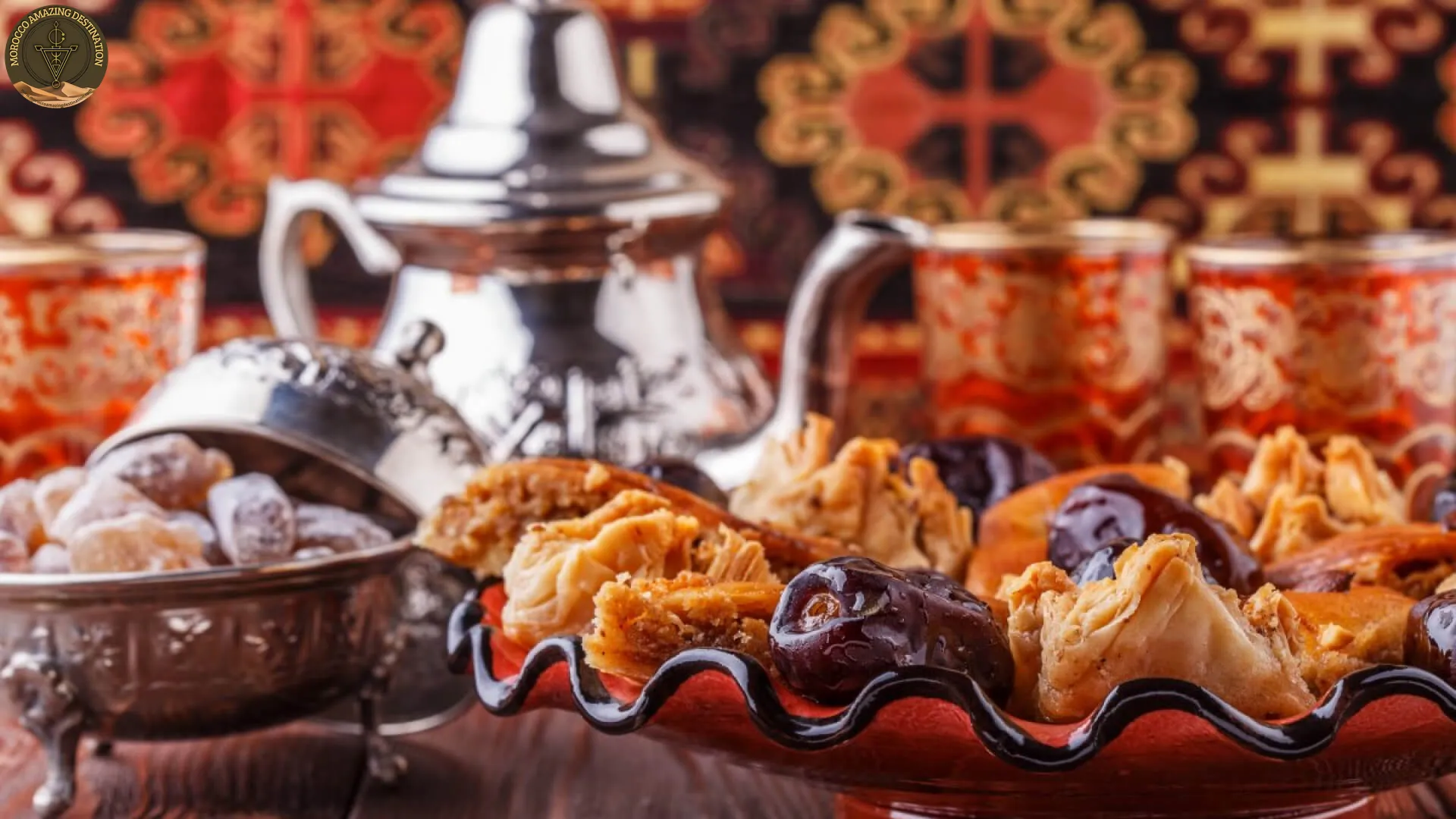
Walk through a medina at dusk and the scent gives it away: toasted sesame, honey and orange-blossom water drifting out of a pastry-shop door. Moroccan desserts are one of the most direct routes into the country’s culture. The essentials are chebakia, gazelle horns, ghriba and sellou, all built on almonds, sesame and honey.
In this guide, we break down why Moroccan sweets taste the way they do, the pastries worth knowing by name, when they are eaten, and where to taste them with confidence.
What Makes Moroccan Desserts Unique
Taste a dozen traditional Moroccan desserts and you will keep meeting the same pantry underneath. Ground almonds, toasted sesame, honey or sugar syrup, orange-blossom water, cinnamon, dates and semolina or paper-thin warqa appear again and again.
The techniques repeat as well. Nut pastes are scented with orange-blossom water, doughs are fried and then soaked in honey, and pastry is folded into crescents, triangles and coils. That is why a gazelle horn and a briouat taste like relatives — the same almond paste sits inside both.
- Almond: The backbone of gazelle horns, briouats and stuffed dates.
- Sesame and honey: The pairing behind chebakia and sellou.
- Orange-blossom water: A few drops perfume almost every nut paste.
- Semolina and warqa: Coarse wheat and paper-thin pastry, from ghriba to briouat.
The Sweets to Know: Gazelle Horns, Chebakia and Ghriba
Moroccan sweets usually arrive as an assortment rather than a single choice, so a handful of names goes a long way. These are the ones you will meet most often, whether in a patisserie, a market or a family home.
- Chebakia: Flower-shaped sesame pastry, fried then soaked in honey; the taste of Ramadan.
- Kaab el ghazal (gazelle horns): Crescents filled with almond paste and orange-blossom water.
- Ghriba: Crumbly shortbread biscuits, often rolled in sesame or dusted with sugar.
- Sellou (sfouf): An unbaked blend of toasted flour, ground almonds and sesame, scooped by hand.
- Briouat: Small fried or baked parcels, some filled with almond paste and honey.
Add fekkas, the crunchy twice-baked biscuits, and m’hancha, almond paste coiled inside pastry and glazed with honey, and you have a working vocabulary. Sfenj and baghrir sit at the everyday end: fried doughnuts and honeycomb pancakes, best eaten warm.
Sweets in Moroccan Life: Ramadan, Weddings and Mint Tea
Sweets here are social, not just sweet. Chebakia and sellou are the classic Ramadan pair, waiting on the table when the daily fast breaks at sunset, and families often make them in quantity.
Weddings, Eid and other family gatherings bring out wide trays of assorted pastries and dates stuffed with almond paste. Guests are expected to try several, and taking two is never a mistake. Chebakia is fiddly work, so it is usually a group effort around one table.
Almost every sweet arrives with mint tea, poured from height into small glasses so a fine foam forms on top. The pouring is part of the ritual, and so is the second glass you did not ask for.
Where to Taste Moroccan Sweets: Medinas, Souks and Patisseries
Travellers meet Moroccan pastries in three settings, and each one tastes different.
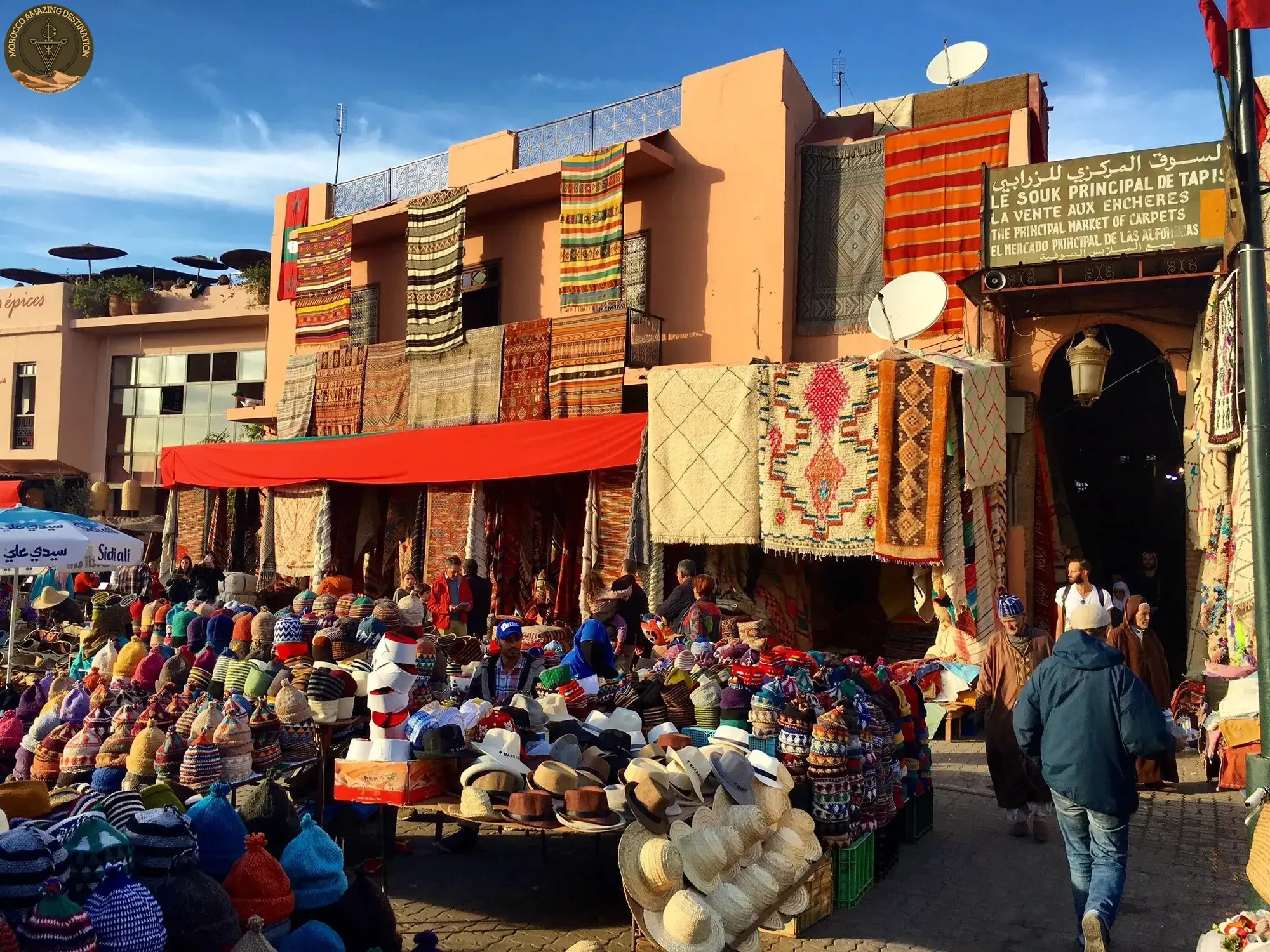
- Medina patisseries: Trays of gazelle horns and briouats sold by weight; Fes and Marrakech have the deepest traditions.
- Souk stalls: Piled sweets and stuffed dates, best bought where the queue is longest.
- Riads and family homes: A tray of sweets with tea, the most memorable tasting of the three.
- Morning bakeries: Sfenj and baghrir, bought warm at breakfast and eaten on the spot.
Most sweets centre on almonds and sesame, honey is more common than plain sugar, and semolina or warqa pastry puts gluten in many of them. Say what you avoid and your guide will point you to the safe trays.
One rule works everywhere: buy from a busy shop, where trays are replaced through the day. For the savoury side of the table, see our guide to what food Morocco is known for.
Taste Moroccan Sweets on a Private Tour
Enjoying sweets properly is less about a checklist than about timing — a patisserie while the trays are still fresh, a souk stall mid-morning, chebakia in the right season. Our local team builds those moments into the day rather than leaving them to chance.
For a wide-ranging introduction, our 10 Days in Morocco: The Ultimate Private Tour from Marrakech to the Sahara moves from Marrakech’s pastry shops and food stalls to desert kitchens and Amazigh family tables.
If Fes is your priority, the 7-Day Morocco Tour from Fes - Fes, Sahara Desert, Meknes & Chefchaouen spends unhurried time in the medina that many Moroccans consider the country’s pastry heart.
We can customize a tour to match your needs — design your perfect itinerary
If you found this helpful, add us as your preferred source on Google.
Frequently Asked Questions
What are the most popular Moroccan desserts?
The best-known Moroccan desserts are chebakia, kaab el ghazal (gazelle horns), ghriba, sellou and briouats, plus dates stuffed with almond paste. They are sold as assortments rather than single choices, and nearly all of them are eaten with mint tea.
What are traditional Moroccan sweets made of?
Traditional Moroccan sweets rely on a short pantry: ground almonds, toasted sesame, honey or sugar syrup, orange-blossom water, cinnamon, dates, and semolina or paper-thin warqa pastry. The same almond paste fills gazelle horns and briouats, and honey-soaked sesame is what defines chebakia.
Are Moroccan sweets vegan, gluten-free or nut-free?
Most are not vegan, because honey and syrup are central and many recipes also use butter or milk. Nuts — especially almonds and sesame — appear in almost every sweet, and semolina or warqa pastry makes many of them unsuitable for a gluten-free diet. Always ask before tasting.
When do Moroccans eat sweets, and where can I try them?
Chebakia and sellou are the classic pair for Ramadan, while weddings, Eid and family gatherings bring large trays of assorted pastries and stuffed dates. Visitors taste them in medina patisseries, souk stalls selling sweets by weight, and riads where a tray arrives with tea.
Ready for an Adventure?
Have questions? Feel free to contact us using the form below. We're here to help!