
· Culture · 6 min read
Moroccan Architecture Guide: Styles, Details & Where to See Them
Moroccan architecture decoded - styles, zellij tiles and where to see mosques, riads and kasbahs on a private route.
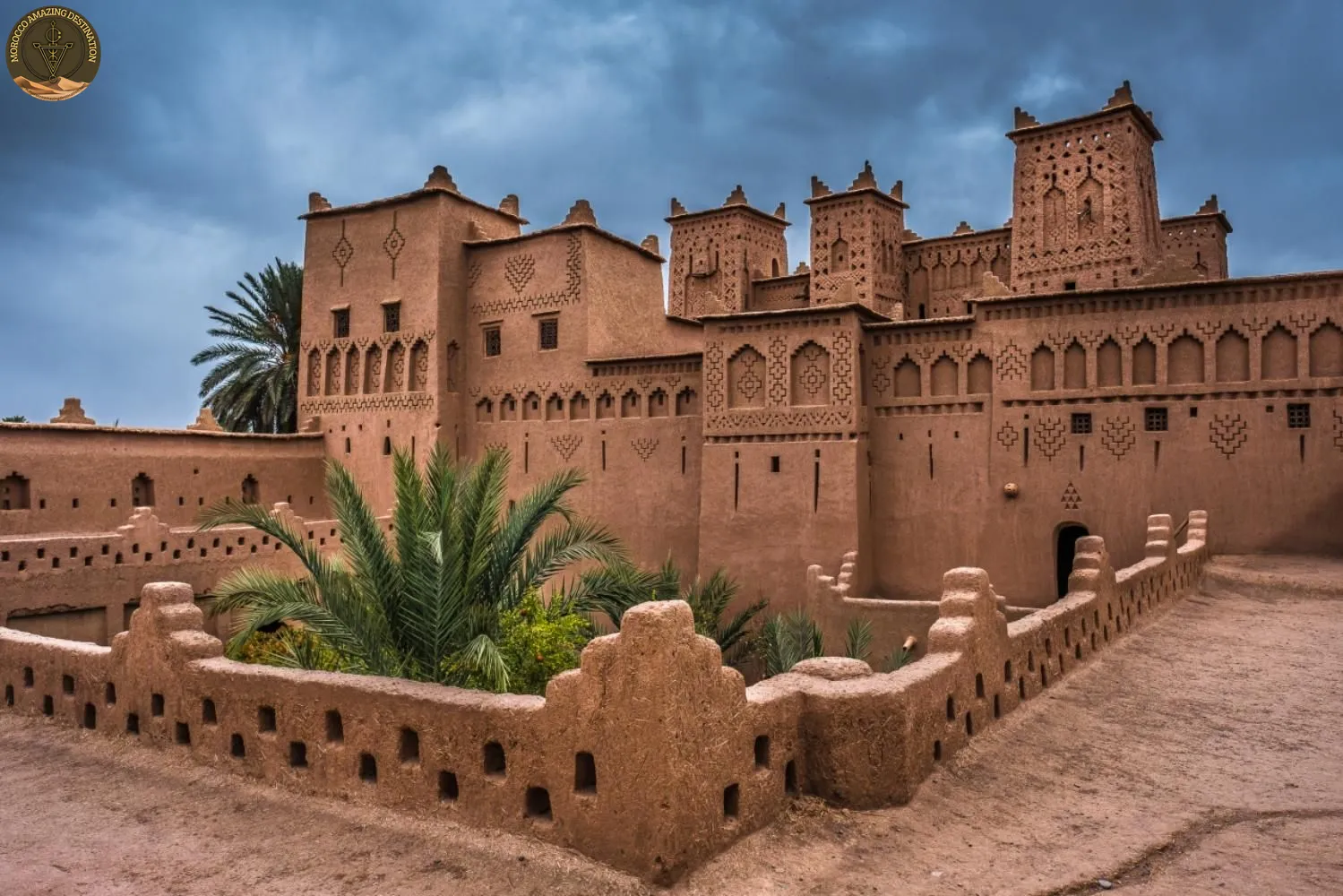
From the street, many Moroccan facades look plain. Step through a studded door and the plan reverses. Moroccan architecture saves the craft for the interior, where zellij, cedar and stucco work together around a courtyard.
In this guide we will break down how the layers formed, which details to spot, the five building types that explain the system and where to read them side by side on a private route.
Layers of History - How Berber, Islamic and French Hands Shaped What You See
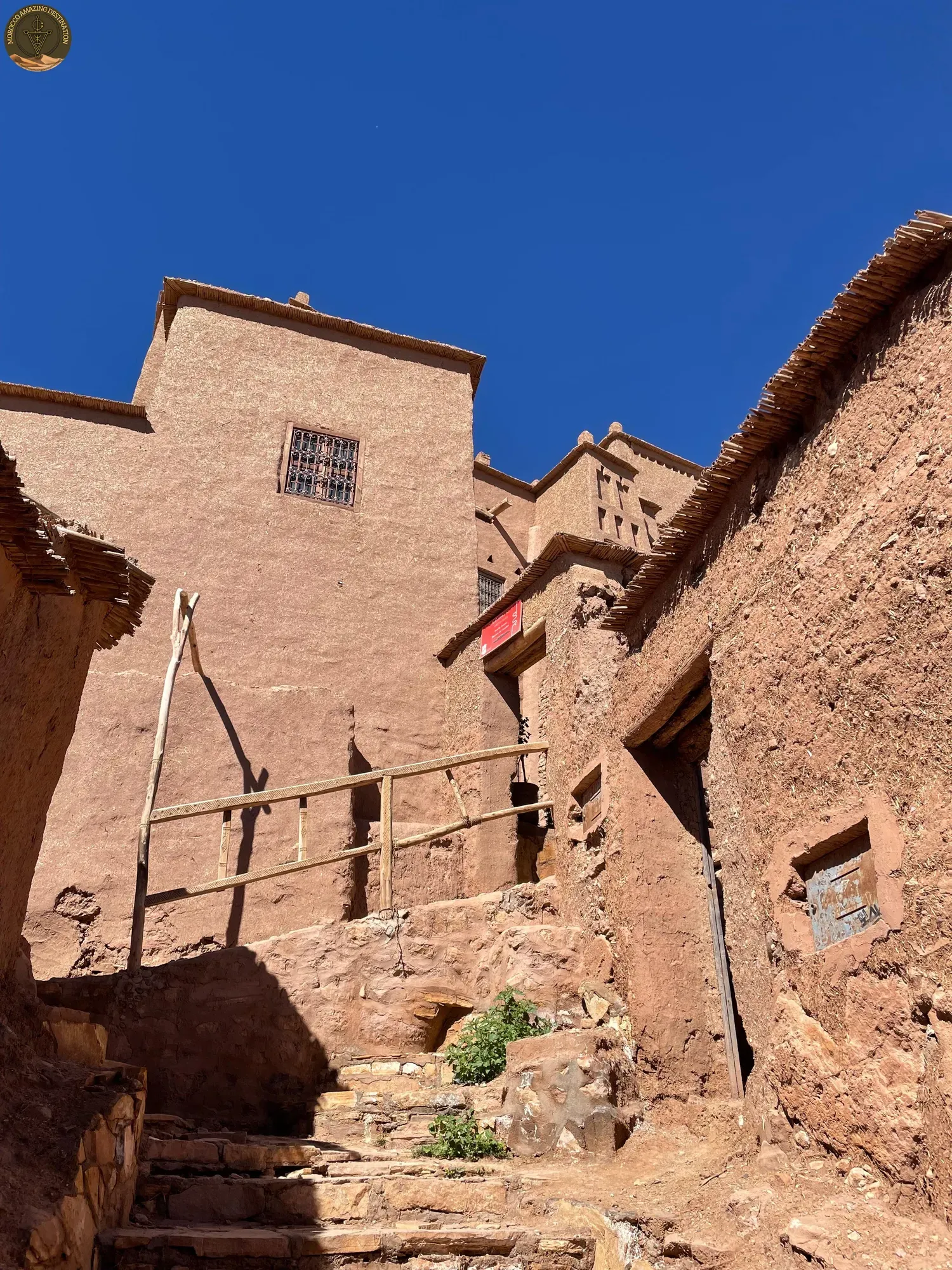
The oldest line is Amazigh. In the south, builders rammed earth and straw into pise and stacked ksour and agadir granaries against heat and raiding. That earthen logic still reads in the colour and mass of southern walls.
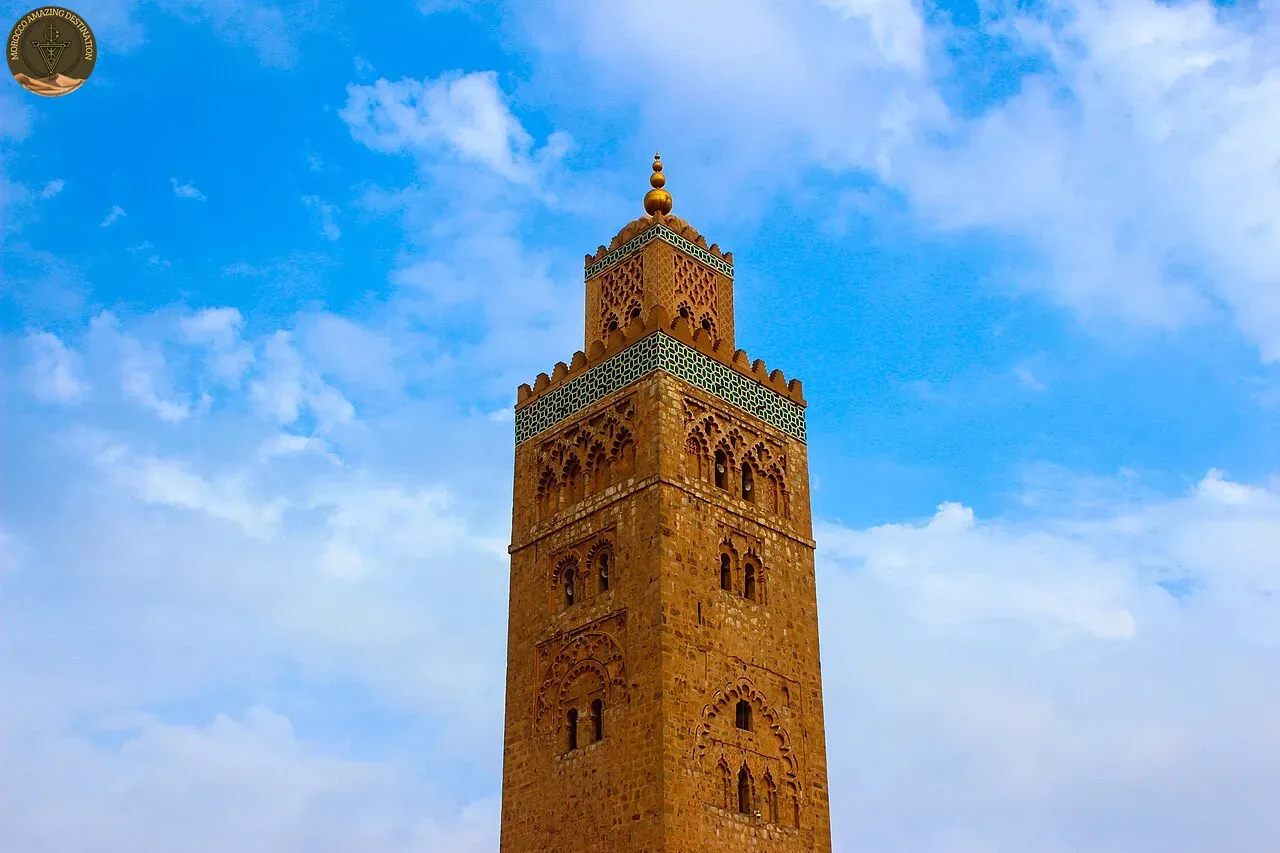
Islamic and Hispano-Moorish practice arrived with the Almoravids who founded Marrakech, then sharpened under the Almohads. The Koutoubia minaret from the 12th century and the Hassan Tower in Rabat, halted at 44 meters in 1199, set the square shaft and restrained brickwork that later mosques quote. The Hassan II Mosque in Casablanca, completed in 1993 by architect Michel Pinseau, scales that same vocabulary to 210 meters on the ocean edge.
Later dynasties collected detail. Marinid work in Fez is the densest, seen in Bou Inania Medersa from the 14th century and the tiny student cells around a hyper-decorated courtyard at Ben Youssef in Marrakech. Saadian and Alaouite taste widened into palaces like El Badi and the Bahia, built in the late 19th century with linked courts and painted cedar. The French protectorate added a new layer of boulevards and concrete, with Art Deco blocks and churches such as Saint-Pierre in Rabat finished in 1919 to 1921. That Ville Nouvelle still reads as a different city placed beside the medina, with set-back facades and planted squares.
Details to Spot - Zellij, Tadelakt, Cedar and the Horseshoe Arch
You do not need plan drawings to read a wall. Look for where each material sits and what it does. Moroccan craftspeople stack decoration in bands, so the eye moves from tile to plaster to wood in a clear order.
- Zellij tiles: small glazed shapes cut by hand and set into stars and polygons. They cover the lower wall as a dado, where they resist water and hands.
- Tadelakt: polished lime plaster burnished with a stone. It is waterproof, so it lines hammams, fountains and bathrooms.
- Cedar: carved lintels, doors and ceilings. The grain holds deep arabesque and calligraphy that stucco cannot take at that scale.
- Horseshoe arch: the soft curve you see on doorways and medersa arcades, often framed by a rectangular alpha cornice.
- Muqarnas: honeycomb carving at dome transitions and niche heads that moves a square room into a round vault.
Above the zellij, a stucco band carries Kufic or cursive script and vegetal scrolls. Courtyard logic does the rest. Rooms turn inward to a garden and fountain, which cools air by day and traps heat at night. Once you spot that band order, you read most interiors without a label.
Mosques, Riads and Kasbahs - Five Building Types That Explain the System
These buildings are clearer as systems. Mosque and medersa teach the religious vocabulary, moroccan riad and palace show the domestic version, and kasbah architecture with ksour explains the fortified village. The medina holds all of them.
- Mosque: a hypostyle hall turned toward Mecca, a minaret as a city marker, and an ablution court. Al-Qarawiyyin in Fez, founded in 859 as a mosque-university, and the Koutoubia in Marrakech belong to this family. Access varies, so Hassan II in Casablanca is the usual interior visit for non-Muslims.
- Medersa: the teaching house. It flips the mosque logic to small cells around a very rich courtyard. Bou Inania in Fez and Ben Youssef in Marrakech compress zellij, stucco and cedar into a few meters.
- Riad and palace: a house with no street face, organised on a planted court. Bahia shows the palace scale with more than 150 rooms linked by courts, calm from the street and bright inside.
- Kasbah and ksar: not a medina. A kasbah is a citadel or fortified family compound, often the governor’s point in a settlement. A ksar is a fortified village. The Ksar of Ait Benhaddou is the clearest example and an UNESCO World Heritage site.
- Medina: the walled historic city itself, with gates, souks, fondouks and residential quarters inside.
The gates and walls tell you where one system ends and the next begins, so a single doorway can frame tile, timber and earth in one view.
Where to Read the Styles Side by Side - Fez, Marrakech and the South
No single city holds the whole story. Place the stops in a line and the contrasts do the teaching.
Fez el-Bali keeps Marinid density intact. Tight lanes open to a medersa courtyard where every surface is worked, then narrow again. The city rewards slow looking at eye and lintel height. In Marrakech, the stack is clearer from the street: Almohad Koutoubia, Marinid Ben Youssef, Saadian tombs and the 19th century Bahia within a short circuit, plus Majorelle and later concrete nearby.
Casablanca offers modern synthesis. Hassan II quotes Almohad stonework and green roofs at Atlantic scale, while the centre holds French grid and Art Deco. For a closer study of how that grid meets an imperial esplanade and an Almohad citadel, see our Rabat architecture landmarks guide. On the northern edge, blue-washed lime and pitched terracotta roofs give a different Andalusian accent covered in our Chefchaouen architecture guide.
The south reads earthen. From Ouarzazate to the Dades and Skoura palm groves, pise kasbahs and ksour show mass first and decoration last. That change from tile to earth is the fastest lesson in the country. Annual replastering keeps the walls alive, and the colour shifts with light through the day.
Seeing It Well on a Private Architecture Route
Architecture opens with time, light and a door that someone can unlock. A private driver and guide set that pace, so you enter courtyards when the light is kind and step back when tour buses bunch.
Our local team - Hassan, Hamid and Andrea - plans around what you want to photograph or understand. That means starting early for cedar ceilings, pairing a medersa with a nearby riad courtyard to repeat the vocabulary indoors, and briefing mosque access so you know where you can enter and where you view from the square. We use hand-picked riads and, in the desert, a luxury camp built on the same courtyard logic at a larger scale.
Travellers cite that care in more than 120 reviews averaging 4.9 on TripAdvisor, often noting the flexibility to linger where detail is richest. You also avoid the guesswork that flattens historic quarters into one long walk.
If you want time in Fez, Rabat and Marrakech with that focus, the 8-day tour from Casablanca to Morocco imperial cities keeps city stays long enough to read facades after the main sites close. To add the earthen south and the UNESCO World Heritage site of Ait Benhaddou for direct comparison with northern stucco and zellij tiles, the 12-day Morocco grand tour links the imperial cities to Ouarzazate and the valleys.
We can customize a tour to match your needs - design your perfect itinerary
If you found this helpful, add us as your preferred source on Google.
Frequently Asked Questions
What are the main styles of Moroccan architecture?
The base is Amazigh earth building in pise, layered with Islamic and Hispano-Moorish geometry from the 11th century onward, dynastic peaks under the Almohads, Marinids and Alaouites, and a French Ville Nouvelle grid with Art Deco in the 20th century.
What is zellij and where can I see the best examples?
Zellij is hand-cut glazed tile pieced into geometric mosaics. You see the finest work at a dado level in Fez at Bou Inania Medersa and in Marrakech at Ben Youssef Medersa and Bahia Palace, plus fountains and riad courtyards.
Which mosques in Morocco can non-Muslims visit inside?
The Hassan II Mosque in Casablanca runs guided visits and allows non-Muslims inside. Most other mosques, like the Koutoubia in Marrakech and Al-Qarawiyyin in Fez, welcome non-Muslims only to view the exterior and minaret.
What is the difference between a riad, a kasbah and a medina?
A riad is an inward house around a courtyard, often a guesthouse today. A kasbah is a fortified citadel or family compound, while a ksar is a fortified village like the UNESCO World Heritage site of Ait Benhaddou. A medina is the walled historic city that holds them.
Ready for an Adventure?
Have questions? Feel free to contact us using the form below. We're here to help!