· Culture · 5 min read
John the Baptist Tomb in Morocco: Oujda's Shared Shrine
John the Baptist tomb in Morocco: what Oujda's Sidi Yahia shrine really is, how firm the tradition is, and how to plan a respectful visit.
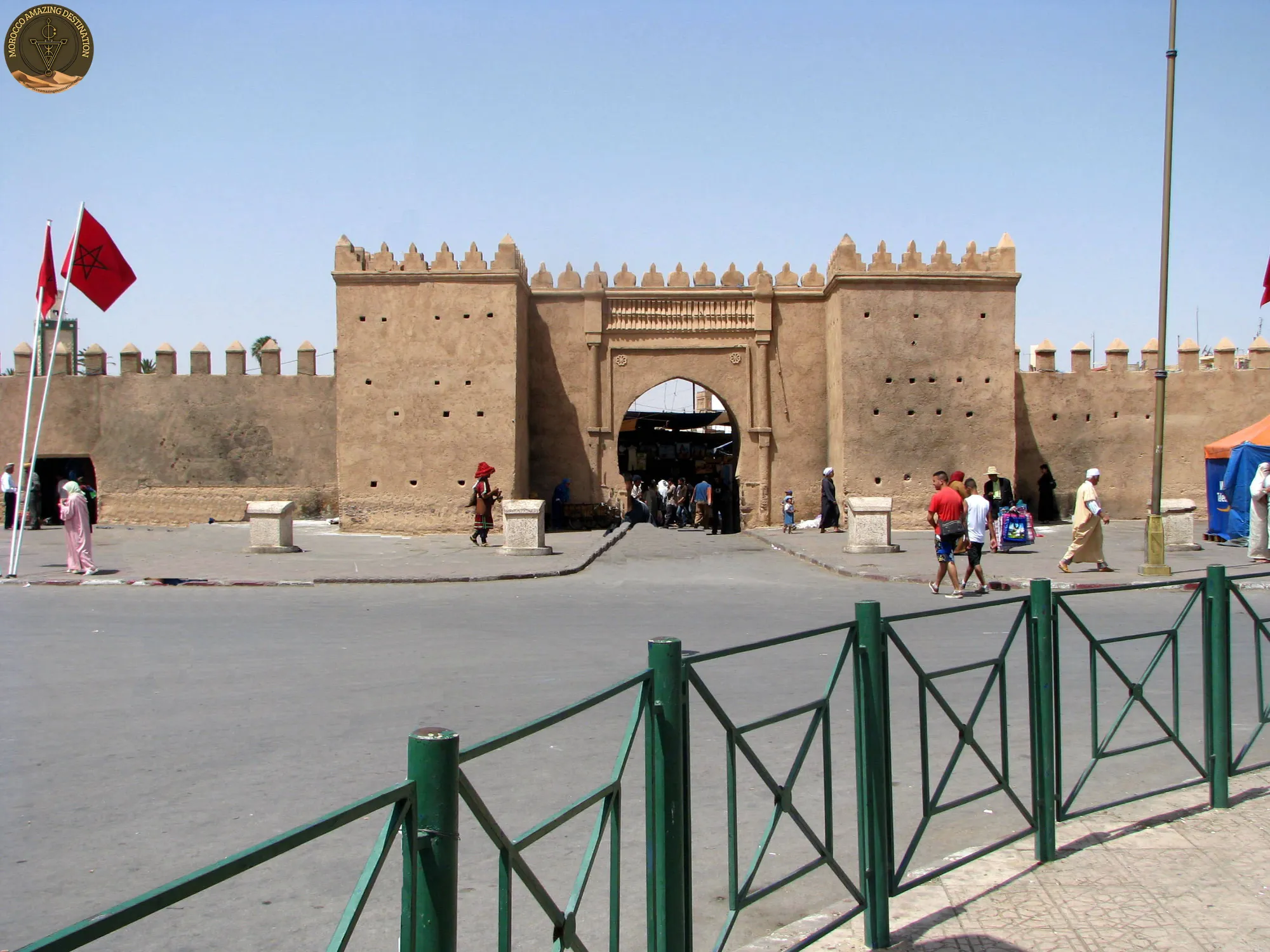
The shrine of Sidi Yahia Ben Younes stands in a spring-fed oasis on the eastern edge of Oujda. The green silk over its tomb carries the name Yahya ibn Zakariya, the prophet Christians know as John the Baptist. The John the Baptist tomb in Morocco that travellers ask about is this one. No document confirms the identification. Local tradition carries it, and the building is a Muslim mausoleum in daily use.
This guide covers what the shrine is, why three faiths point to the same grave, and how to visit with respect.
A Green-Draped Tomb in a Working Oasis
The shrine sits inside a working oasis. Springs feed the palms and tamarisks of the Sidi Yahya quarter, and families drive out from the city to picnic in the shade. A market area, a cemetery and a public garden are close by, so the place feels lived in.
Inside, a tomb covered in green silk fills a small chamber, with carpets laid over the floor for sitting. A lone visitor may be waved in and offered a place on the carpet. Outside, tamarisk and eucalyptus shade the spring water that feeds the oasis, and small stalls sell drinks, sandwiches and pilgrims’ goods. Accept the invitation to sit, and let your host set the pace.
This is Oujda, Morocco: capital of the Oriental region, the last large city before the Algerian border. The shrine sits in its oasis quarter, a short drive from the centre. Access is arranged on the spot. Hours, fees and photo rules are not published anywhere, so a local guide does the asking.
Why Muslims, Jews and Christians All Point Here
Start with Islam, because the shrine belongs to a Muslim institution today. John the Baptist is Yahya ibn Zakariya, a prophet named in the Qur’an, and Moroccan saint tombs, known as zaouias, have drawn pilgrims for centuries. Our guide to Islamic places to visit in Morocco maps the main ones. The Oujda shrine runs under the Ministry of Habous and Islamic Affairs. It receives an annual royal donation and holds its moussem at the end of summer.
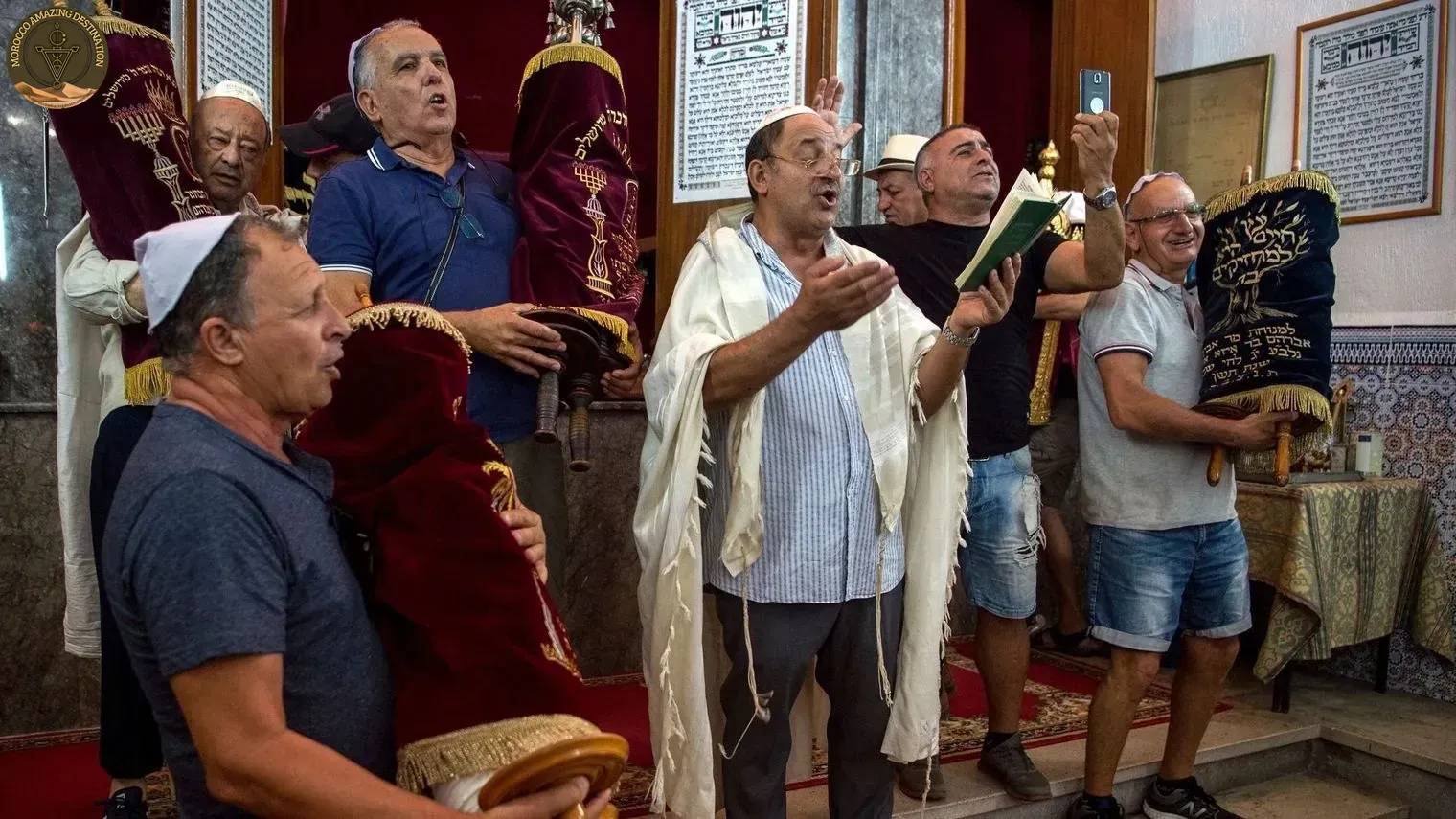
The Jewish and Christian layers are memory more than current practice. Heritage writers report that all three communities have honoured the site, and Moroccan saint veneration has a long history of crossing community lines. The wider Christian story, from Roman-era bishoprics to Protectorate cathedrals, sits in our guide to churches in Morocco.
The grave also belongs to a short list of shared sacred sites in Morocco, places where one tomb matters to more than one community.
What you can and cannot assume:
- Muslim veneration: Visible and current, backed by the state and a yearly moussem.
- Jewish memory: Reported by heritage writers; no living Jewish pilgrimage to Oujda is documented.
- Christian memory: Historical and reported; no liturgy is held at the shrine.
How Strong Is the John the Baptist Claim
The claim is old and specific, and nobody can prove it. Relics of the Baptist are also claimed elsewhere, each held with equal confidence:
- Damascus: The Umayyad Mosque keeps a shrine said to hold the prophet’s head.
- Amiens: The cathedral holds a relic it identifies as his.
- Rome: San Silvestro in Capite makes its own claim.
- Munich: The Residenz Museum keeps another, with arm and hand relics in Istanbul.
No authority has settled the question. Oujda holds a tradition, and the useful way to visit is to hold it gently. People here have prayed at this grave for generations, and nobody can say whose remains lie under the silk. Ask your guide how the story is told locally; you may hear about the saint’s baraka, then a shrug about everyone else’s claims.
What a Respectful Visit Looks Like
Treat the shrine as a place of prayer that happens to receive guests. Modest dress works: shoulders and knees covered, a scarf in your bag. Shoes come off at the threshold, voices drop, and you do not walk in front of someone praying.
Nobody publishes opening hours, an entry fee, a photography rule or a written policy for non-Muslim visitors. Access is arranged on site, which is where a local guide earns their keep: they ask, you follow.
Good practice:
- Ask first: Before photographing people or the interior, ask. A nod is enough.
- Watch the split: Women may be guided to one side or asked to wait, depending on who is inside.
- Time it well: Fridays and moussem days are busy, so a weekday mid-morning is calmer.
- Pair it well: The medina gates, the old hammam nicknamed after Sidi Yahya and Lalla Aicha park fill out half a day.
Spring and autumn are the comfortable months. Midsummer heat makes the oasis shade essential.
From Fes or Tangier to Oujda
Oujda sits about 330 km east of Fes, at the end of the main rail line from Casablanca, with an airport of its own. Direct trains from Fes make it a realistic two-night add-on to a northern itinerary, and the drive runs on a main road the whole way.
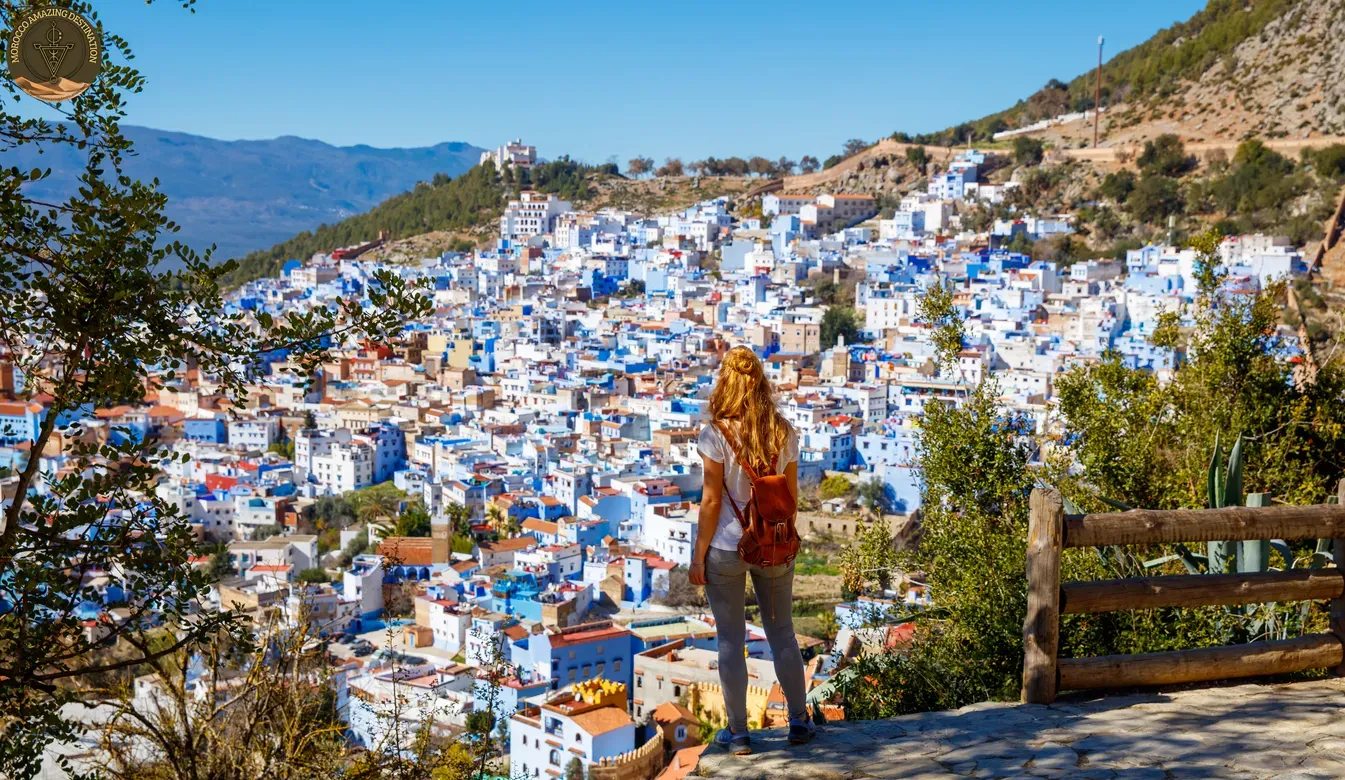
Fes is the natural springboard east, by road or rail. From Tangier the northern leg is longer, and a private driver plus a night on the road makes it comfortable. A guide handles access at the shrine and the medina walk, and a private driver handles the road.
Neither tour below includes Oujda. Both make strong bases to bolt it onto.
Our 7-Day Morocco Tour from Fes starts and ends in Fes, which puts Oujda within reach at either end of the trip. Our 8-Day Northern Tour: Imperial Cities and Desert from Tangier brings you closest to the Oriental along its northern run.
We can customize a tour to match your needs - design your perfect itinerary
If you found this helpful, add us as your preferred source on Google.
Frequently Asked Questions
Is John the Baptist buried in Morocco?
Local tradition in Oujda identifies the tomb of Sidi Yahia Ben Younes as the grave of Yahya ibn Zakariya, the prophet Christians know as John the Baptist. No historical document supports the identification, and relics of the Baptist are also claimed in Damascus, Amiens, Rome and Munich.
Where is the shrine of Sidi Yahia Ben Younes?
In the Sidi Yahya quarter on the eastern side of Oujda, in the Angad plain below the Beni Snassen mountains. It stands a short drive east of the medina, beside a spring-fed oasis, a market area and a public garden.
Can non-Muslims visit the shrine?
Visitors are usually received courteously, and a lone traveller may be invited to sit on the carpets. No opening hours, entry fee or written non-Muslim policy is published, so access is arranged on site. A local guide or private driver makes that conversation easy.
When is the moussem of Sidi Yahya?
It falls at the end of summer, when pilgrims gather in Oujda for the saint's moussem. Some accounts also report a second festival in August, so treat the timing as a rough window rather than a fixed date.
Ready for an Adventure?
Have questions? Feel free to contact us using the form below. We're here to help!