· Travel · 9 min read
Islamic Places to Visit in Morocco: Mosques & Sacred Sites
Discover the best Islamic places to visit in Morocco — from Hassan II Mosque to hidden madrasas and zaouias. Plan your cultural route.
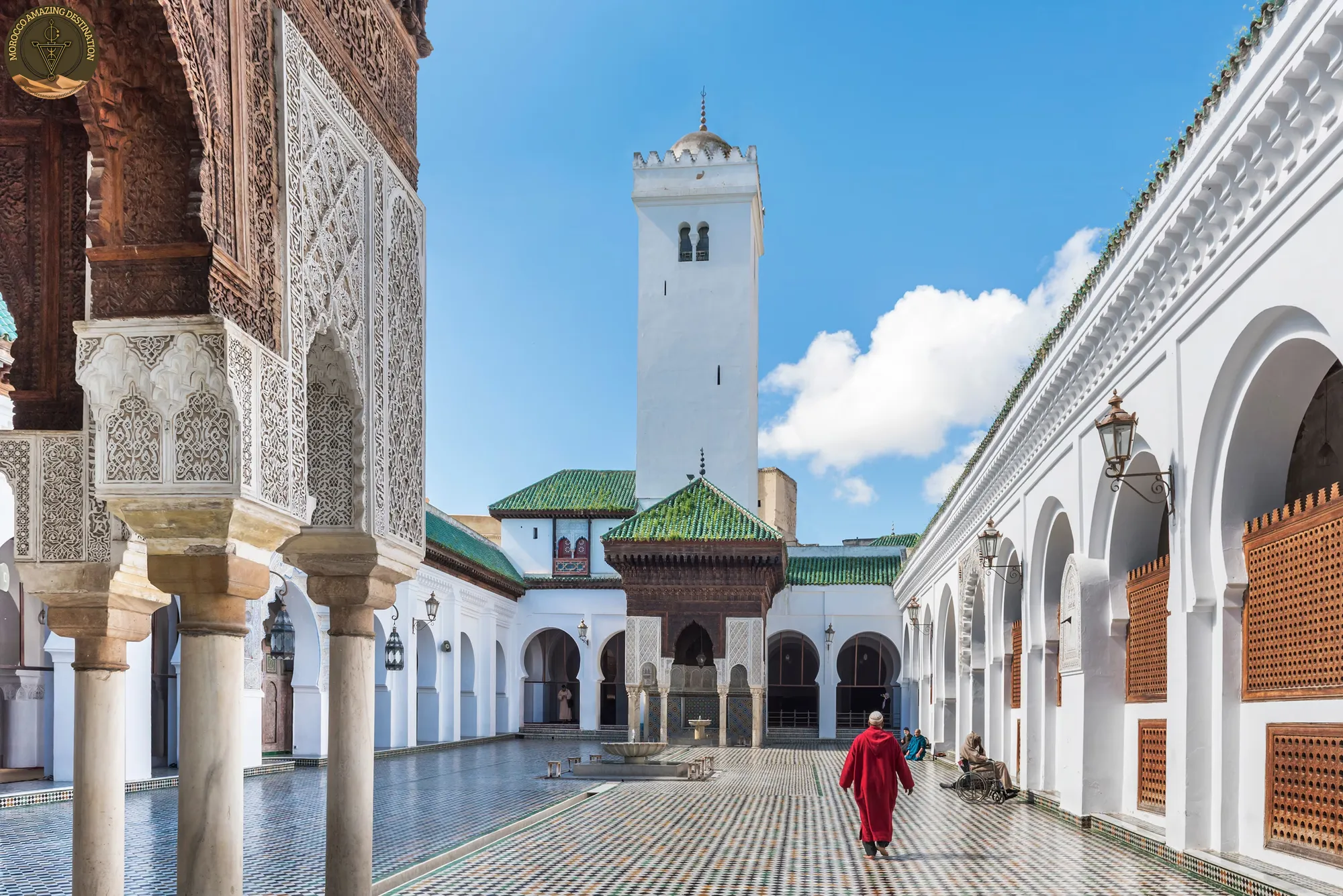
Islamic places to visit in Morocco blend faith, art and history in every medina, from ocean-front minarets to quiet mountain shrines. If you feel unsure about which sites welcome visitors and how to show respect, this guide gives you a clear, respectful route through mosques, madrasas and sacred shrines with local insight.
Morocco is a deeply welcoming Muslim country where Islamic life shapes daily rhythm and hospitality. You stand before zellij-tiled courtyards while the call to prayer drifts over rooftops, then step into a cedar-carved hall that feels both serene and alive. With a private driver and local expert, you move with ease, understand what you see, and connect beyond the surface.
What Are Islamic Places to Visit in Morocco?
Islamic places to visit in Morocco include active mosques (masjid and jamaa), historic madrasas, royal mausoleums, Sufi shrines known as zaouias, and fortified villages shaped by centuries of Islamic rule. Most date from Almohad, Marinid or Saadian periods and remain central to community life.
In practical terms, you encounter four building types:
- Masjid / Jamaa (mosque): A place of daily prayer. The jamaa is often the larger Friday mosque. Most active mosques remain closed to non-Muslim visitors inside, but their exteriors, minarets and squares are open to all.
- Madrasa: A theological school with a central courtyard, fountain, prayer hall and student rooms. Today most madrasas are heritage monuments where you admire islamic architecture morocco at close range.
- Zaouia: A shrine and lodge built around a saint’s tomb. Pilgrims gather here, and some courtyards welcome respectful visitors while inner tombs may be reserved.
- Mausoleum: A honored burial place, often strikingly decorated, such as the Mausoleum of Mohammed V in Rabat.
This simple framework helps you read every city with confidence.
How Many Mosques Are There in Morocco?
Morocco counts about 41,755 mosques nationwide, according to the Ministry of Habous and Islamic Affairs, roughly one mosque for every 900 inhabitants. The number reflects how central prayer is to daily life, and why minarets shape every skyline from Tangier to the Sahara fringe.
For travelers, the figure is a useful reminder: you do not need to chase an exhaustive list. Focus on a handful of mosques in Morocco that are accessible, historically significant, and threaded into an efficient imperial cities route with a private vehicle and guide who handles timing and access.
Mosques in Morocco You Can Experience
Mosques in Morocco reward you even when you admire them from outside, and a few welcome you inside for a deeper look. These six anchor any cultural itinerary without rushing.
Hassan II Mosque — Casablanca
The Hassan II Mosque stands on a platform over the Atlantic and welcomes visitors of all faiths on guided tours — the only working mosque in the country with this regular access. It holds up to 105,000 worshippers and its minaret rises 210 meters, the tallest in Africa. Inside you see marble, carved cedar and vast zellij panels, plus the ablution halls below.
Your guide arranges timed tickets and explains prayer hall etiquette. Come early for soft light on the ocean facade.
Koutoubia Mosque — Marrakech
The Koutoubia is Marrakech’s landmark. Its square minaret rises 77 meters and sets the template for Almohad towers across Morocco and beyond. Non-Muslims do not enter the prayer hall, yet the gardens, plaza and evening light make it a highlight. Pair it with the nearby Jemaa el-Fnaa square for a full medina rhythm.
Hassan Tower and Mausoleum of Mohammed V — Rabat
In Rabat, the Hassan Tower rises 44 meters, an unfinished Almohad minaret beside grand colonnades on the Bou Regreg. Across the esplanade, the Mausoleum of Mohammed V gleams with green tile, white marble and bronze doors, guarded by the Royal Guard. This open complex is accessible to all visitors and links architecture with modern Moroccan history.
Al-Qarawiyyin Mosque and University — Fes
Founded in the ninth century by Fatima al-Fihri, Al-Qarawiyyin is often cited as the oldest continuously operating university in the world and a UNESCO World Heritage site of Fes el-Bali. The prayer hall is reserved for worshippers, but you glimpse the courtyard through the main gates and feel its scholarly legacy in the surrounding souks and libraries.
Tinmal Mosque — High Atlas
Hidden in a High Atlas valley south of Marrakech, the Tinmal Mosque is a rare Almohad masterpiece now preserved as a monument and generally accessible to non-Muslim visitors. Its austere brick exterior opens to elegant arches. It pairs naturally with a day trip over the Tizi n’Tichka pass.
Mosque Access at a Glance
| Site | Location | Can non-Muslims enter? | What you experience |
|---|---|---|---|
| Hassan II Mosque | Casablanca | Yes — guided tour only | Prayer hall, ocean terrace, ablution rooms |
| Hassan Tower + Mausoleum | Rabat | Yes — open monument complex | Tower, colonnades, mausoleum exterior and interior |
| Tinmal Mosque | High Atlas | Yes — as historic monument | Almohad arches, mountain setting |
| Koutoubia Mosque | Marrakech | Exterior and gardens only | Minaret, plaza, gardens |
| Al-Qarawiyyin | Fes | View from gates only | Courtyard glimpse, university quarter, tanneries walk |
This table saves time and sets expectations, so you plan a smooth flow between cities with your driver.
Islamic Architecture Morocco: What to Look For
Islamic architecture morocco is recognizable by balance, geometry and craft rather than sheer height. Once you know the vocabulary, every doorway tells a story.
Look for these signatures:
- Square minaret topped with a lantern and copper globes, a Moroccan hallmark distinct from Ottoman domes
- Zellij — hand-cut geometric tilework that covers lower walls and fountains
- Carved stucco and cedar wood on upper walls and ceilings, with calligraphy and arabesque patterns
- Horseshoe and lambrequin arches framing courtyards and prayer halls
- Courtyard with fountain for ablutions, often the calm heart of the complex
- Dar and riad layouts around Islamic principles of privacy and light, echoed in your hand-picked riad stay
In Fes and Marrakech, your local guide points out Marinid versus Almohad details and the way light moves across zellij at different hours. You stop for photos when the light is kind and step into shade when the sun climbs.
Madrasas in Morocco: Historic Schools You Can Visit
Madrasas in Morocco are among the most photogenic morocco religious sites. Built to teach theology, law and Arabic, they now stand as monuments where you linger over craft.
Bou Inania Madrasa — Fes and Meknes
The Bou Inania Madrasa in Fes, built in the mid-14th century under the Marinids, remains a masterpiece with its courtyard, onyx columns and cedar screen. It is unusual because it still functions as a mosque as well as a madrasa. Meknes has a sister Bou Inania with similar Marinid elegance, easier to pair with Volubilis if your route runs north.
Al-Attarine Madrasa — Fes
Close to the spice souk, the Al-Attarine Madrasa charms with restrained scale and exceptional detail. Its entrance, fountain and tilework reward slow looking. Visit mid-morning when the courtyard light softens and crowds thin.
Ben Youssef Madrasa — Marrakech
Restored over many years, the Ben Youssef Madrasa in Marrakech dazzles with a large courtyard, carved cedar, and dense zellij. Founded in the mid-16th century and once home to hundreds of students, it now anchors the medina’s northern quarter beside souks and the Almoravid Koubba.
Tips for madrasa visits:
- Go early or late for quiet courtyards
- Look up for cedar ceilings and down for marble fountains
- Your guide explains inscriptions and student life, so the space feels lived rather than staged
Zaouias and Other Morocco Religious Sites
Morocco religious sites extend beyond mosques and schools into living pilgrimage traditions centered on saints and Sufi paths.
- Moulay Idriss Zerhoun: A hill town considered sacred as the burial place of Moulay Idriss I, founder of the first Moroccan state. Non-Muslims admire the town, its views over Volubilis, and the shrine exterior from terraces, with access to the inner shrine reserved for Muslims.
- Zaouia of Moulay Idriss II — Fes: In the heart of Fes el-Bali, this revered shrine honors the founder of Fes. The entrance and street atmosphere are evocative; the prayer and tomb areas remain for worshippers.
- Zaouia of Sidi Ahmed al-Nasiri — Tamgroute: In the Draa Valley, this historic zaouia and its famed library speak to Saharan scholarship. A short visit, paired with pottery workshops, adds a southern Sufi thread to your route.
- Mausoleums of the Alaouite and Saadian dynasties: The Mausoleum of Mohammed V in Rabat and the Saadian Tombs in Marrakech blend devotion with dynastic art.
These sites feel intimate and local. A respectful presence, quiet voice and modest dress open warm interactions. Your guide helps you time visits around prayer and keeps the flow relaxed for families.
Etiquette for Visiting Sacred Places
A little preparation gives you confidence and earns warm smiles.
- Dress modestly: Cover shoulders and knees, and keep a lightweight scarf in your daypack. This applies to men and women.
- Shoes and quiet: Remove shoes where asked, keep voices low, and avoid walking in front of worshippers.
- Photos: Photograph courtyards and exteriors freely where allowed, but ask before capturing people, especially during prayer. Inside Hassan II, follow the guide’s cues.
- Hassan II tours: Book a timed slot and arrive with shoulders and knees covered. Storage for shoes is provided.
- Ramadan sensitivity: If you travel during the fasting month, avoid eating or drinking openly near mosques during daylight and allow extra time for services.
- Non-Muslim limits: Accept that many active mosques remain closed to visitors inside. Viewing from courtyards, gardens or rooftops is part of the experience, not a compromise.
Your private driver and local guide smooth every step, from ticket lines to the right courtyard for the best light, so your days feel immersive and hassle-free.
Plan Your Route With Ease
Seeing islamic places to visit in morocco well means linking cities with short, scenic drives and expert timing rather than long hops. A private vehicle and driver lets you maximize sightseeing and avoid wasted transit, while local guides bring each courtyard and minaret to life.
For a focused cultural loop, consider the 8-Day Imperial Cities Tour from Casablanca, which strings together Hassan II, Hassan Tower and the Mausoleum, the Fes madrasas and Al-Qarawiyyin quarter, and the Koutoubia and Ben Youssef in Marrakech with hand-picked riads and flexible pacing for families.
If you want the widest sweep from north to south, the 15-Day Grand Cultural Tour from Tangier adds Chefchaouen, Volubilis and Moulay Idriss, the High Atlas and Tinmal option, plus Atlantic coast towns, all with a private vehicle, driver and local guides in each imperial city. You travel at your rhythm and dive deeper where you feel most moved.
We can customize a tour to match your needs — design your perfect itinerary
If you found this helpful, add us as your preferred source on Google.
Frequently Asked Questions
Can non-Muslims visit mosques in Morocco?
Most mosques in Morocco are closed to non-Muslims, with the Hassan II Mosque in Casablanca as the main exception offering guided tours for all visitors. Historic sites like the Hassan Tower complex in Rabat and the Tinmal Mosque in the High Atlas are accessible as monuments, while active prayer halls like Koutoubia and Al-Qarawiyyin are viewed from the outside.
What is the most famous Islamic place to visit in Morocco?
The Hassan II Mosque in Casablanca is the most famous, with space for 105,000 worshippers and a 210-meter minaret on the Atlantic. Other icons include the Koutoubia Mosque in Marrakech, the Mausoleum of Mohammed V in Rabat, and the Al-Qarawiyyin Mosque and University in Fes, founded in the ninth century.
What is the difference between a mosque, madrasa and zaouia?
A mosque (masjid or jamaa) is a place of prayer. A madrasa is a historic school for Islamic sciences, often with a courtyard and student cells, now usually a monument. A zaouia is a shrine and Sufi lodge centered on a saint's tomb, serving as a place of pilgrimage and community gathering.
What should I wear when visiting Islamic places in Morocco?
Dress modestly with shoulders and knees covered, and keep a scarf handy. Remove shoes before entering prayer halls or shrines where allowed, speak quietly, and ask before taking photos of people praying. Your private guide will advise on the etiquette for each site on the day.
Ready for an Adventure?
Have questions? Feel free to contact us using the form below. We're here to help!