· Travel · 6 min read
Jewish Heritage in Morocco: The Complete Guide to Jewish Tours & Trips
Plan the perfect Jewish heritage tour in Morocco — Marrakech's Mellah, Casablanca's Jewish quarter, synagogues, kosher stops and multi-day routes.
Jewish Heritage in Morocco: The Complete Guide to Jewish Tours & Trips
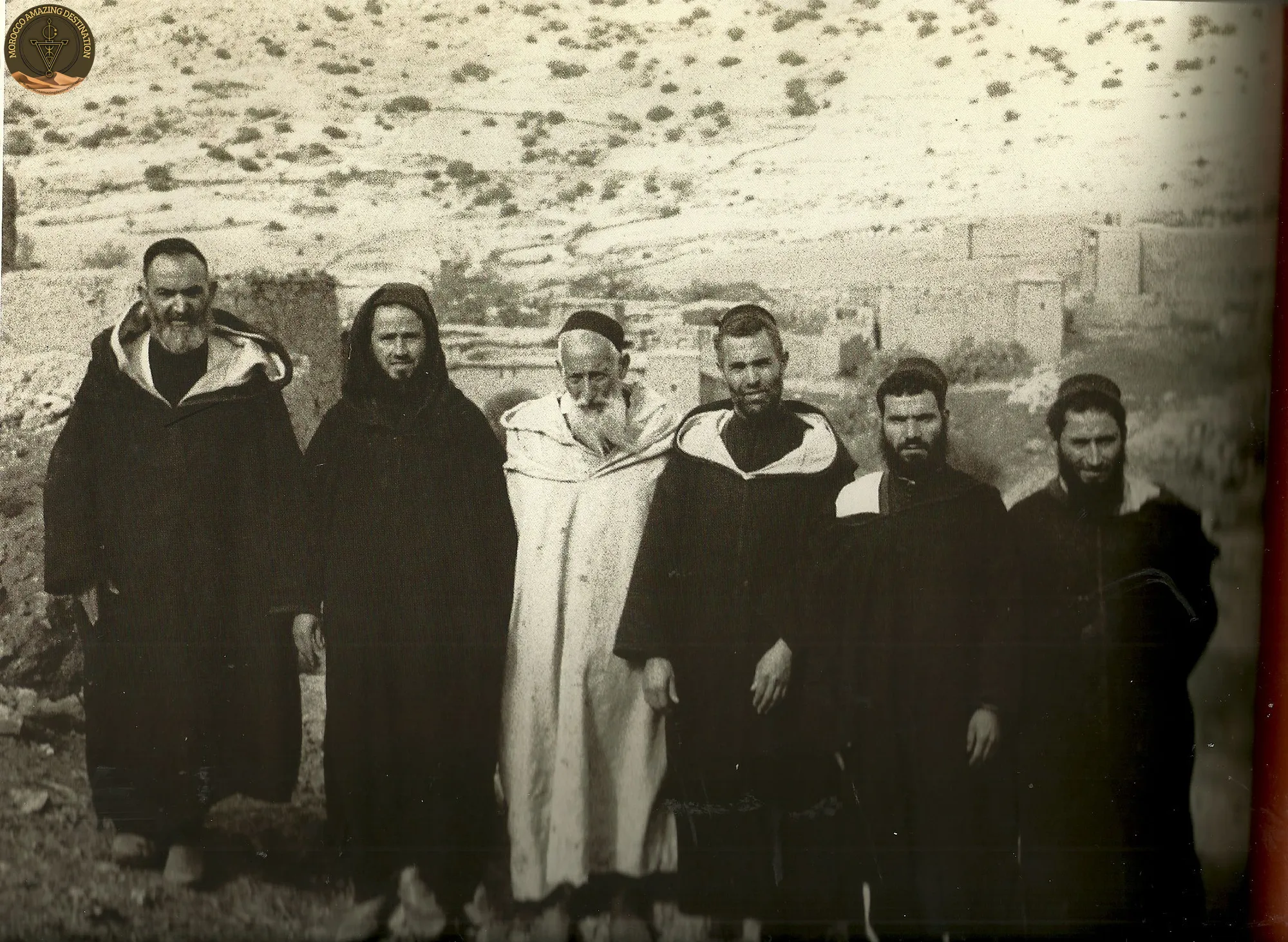
Morocco has been home to a continuous Jewish community for more than 2,000 years — one of the oldest in the Diaspora. Jewish heritage in Morocco is not something locked away in a museum: it lives in the narrow lanes of the Mellahs, in synagogues that still open for prayer, and in the kosher bakeries of Casablanca. This guide is your practical roadmap to touring it — where to go, what a specialist guide unlocks, and how to choose between a half-day visit and a full multi-day journey.
Whether you are tracing Moroccan Jewish roots, planning a family heritage trip, or simply curious about a side of Morocco that most guidebooks overlook, the country’s Jewish story is best experienced with someone who can read its hidden corners. Here is how to plan a respectful, memorable Jewish heritage tour of your own.
Why Take a Guided Jewish Heritage Tour
Morocco’s Jewish sites are not a single museum you can tick off in an hour. They are living neighbourhoods — Mellahs still partly inhabited, synagogues that hold daily services, and unmarked doors that hide former family homes. That is exactly why a Jewish Morocco tour guide transforms the experience.
A specialist guide brings three things that are hard to arrange on your own:
- Context — two millennia of history, from the first Jewish traders who settled under Roman rule to the Sephardic arrivals and the modern diaspora. For the full demographic story, see our guide to the Jewish community in Morocco.
- Access — arranging entry to active synagogues, the Jewish cemetery and the museum, and knowing who to call to open a door.
- Language and roots — switching between Arabic, Darija, French and Hebrew, and helping travellers of Moroccan Jewish descent follow family leads through the Mellah.
Morocco’s tourism authorities actively promote Jewish heritage routes, and the monarchy has funded the restoration of dozens of synagogues and Jewish cemeteries, so guided visits are warmly supported across the country.
Marrakech: The Jewish Quarter & Synagogue
A Jewish tour Marrakech typically begins in the Mellah, the walled Jewish quarter founded in the 16th century — commonly dated to 1557–58 — by the Saadian sultan Moulay Abdallah al-Ghalib, beside the royal kasbah and close to the Royal Palace and the Bahia Palace. It is one of the largest and best-preserved Mellahs in Morocco and is still partly inhabited.
The heart of the visit is the Slat al-Azama Synagogue (also called Lazama), a riad-style space with a vivid blue central courtyard and an azure Torah ark, tied by tradition to Sephardic Jews expelled from Spain. Its women’s gallery (ezrat nashim) is unusual in Morocco, and the synagogue remains active. Nearby, the Lazama Jewish cemetery and the lively spice square keep the neighbourhood’s everyday life visible.
A typical half-day Marrakech Jewish tour runs about three to four hours and threads together the Mellah, the synagogue, the cemetery and the spice square, often with a stop outside the Bahia Palace. Confirm opening hours and synagogue access with your operator in advance — Shabbat and Jewish holidays can affect visiting times.
Casablanca: The Jewish Quarter & Jewish Tours
The Jewish quarter Casablanca (the Mellah) is the youngest of Morocco’s historic Jewish quarters and the only one with genuinely active daily Jewish life. Tucked into the southern edge of the old medina between Bab es-Souq and Bab Marrakesh, it is unusually not walled — here you will find kosher butchers, bakeries and the long-standing Tahiti kosher restaurant alongside the everyday bustle of the medina.
Across the city, in the leafy Oasis neighbourhood, the Museum of Moroccan Judaism holds the distinction of being the only Jewish museum in the Arab world — a small but rich space of ritual objects, costumes and jewellery, a reconstructed synagogue and a silversmith workshop. It is typically open Tuesday to Sunday, but check ahead.
Most Jewish tours Casablanca also stop at the Beth-El Synagogue on Rue Jaber ben Hayane, a grand sanctuary with Chagall-inspired stained glass, often described as the largest active synagogue in Morocco (a commonly cited but not officially confirmed claim). A full tour of the quarter, museum and synagogue usually runs four to six hours and can include kosher dining stops arranged in advance.
Multi-Day Jewish Trips to Morocco
Because the major sites are spread across several cities, Jewish trips to Morocco are best structured as a route rather than a single stop. The full sweep of Jewish heritage Morocco is found along a chain of imperial cities and coastal towns:
- Casablanca → Rabat — the Mellah and a small but active community in the capital, about an hour’s drive away.
- Fes — home of the first Mellah (established in the 15th century) and the Ibn Danan Synagogue, a restored jewel with blue-tiled walls and a mikveh discovered beneath the bimah.
- Marrakech — the Mellah, the Slat al-Azama Synagogue and the Jewish cemetery.
- Essaouira — Bayt Dakira (“House of Memory”, which includes the Simon Attias Synagogue) and the Haim Pinto Synagogue, focus of the annual hiloula pilgrimage.
This living network is supported by the monarchy: Morocco has funded the restoration of more than 170 Jewish cemeteries and many synagogues and Mellahs, and the country’s constitution recognises the “Hebraic” tributary as part of its national identity. A knowledgeable operator will thread these stops into the classic imperial-cities loop with ease.
Practical Planning for Your Trip
There are plenty of good options for a Jewish tour guide Morocco, but a little planning makes all the difference:
- Private vs group — a private guide gives flexible pacing and room for family-roots detours; a small group is lighter on the budget.
- When to go — spring and autumn are mildest. Book guides and synagogue entry in advance, and remember that Shabbat and Jewish holidays can close sites.
- Dress — keep shoulders and knees covered, and note that a head covering is customary for men inside synagogues.
- Kosher & dietary — kosher dining is concentrated in Casablanca and should be arranged ahead of time; vegetarian food is widely available everywhere.
- Licensed guides — for medina tours, a licensed local guide is generally required, so confirm with your operator.
Recommended Tours
Wherever your route leads, Jewish heritage in Morocco rewards travellers who come with time and a flexible itinerary. Two of our multi-day tours are especially well suited:
8 Days Tour from Casablanca to Marrakech | Imperial Cities & Sahara Desert — begins in Casablanca, where the Museum of Moroccan Judaism, the Mellah and Beth-El are within easy reach, then continues through Rabat, Fes and Marrakech, threading the country’s core Jewish-heritage cities through a classic imperial-cities loop. View the tour
8-Day Morocco Tour: Marrakech, Sahara Desert & Essaouira Adventure — pairs Marrakech’s Mellah and synagogue with the Atlantic coast, adding Essaouira’s Bayt Dakira and Haim Pinto Synagogue and a night in the Sahara for contrast. View the tour
For the deeper history — how many Jews live in Morocco today, the diaspora and the full story of the Mellahs — see our guide to the Jewish community and heritage in Morocco.
We can customize a tour to match your needs — design your perfect itinerary
If you found this helpful, add us as your preferred source on Google.
Frequently Asked Questions
What does a Jewish heritage tour of Morocco include?
A typical tour combines the Jewish quarter (Mellah), a historic synagogue and a Jewish cemetery or museum, usually with a knowledgeable guide for context. In Marrakech that means the Mellah, the Slat al-Azama Synagogue and the Lazama cemetery; in Casablanca it adds the Museum of Moroccan Judaism and the Beth-El Synagogue, often with kosher dining stops. Multi-day itineraries thread these sites through the imperial cities and can include family-roots tracing.
Can I visit synagogues and the Jewish quarter in Marrakech and Casablanca?
Yes. The Mellah and synagogues in both cities are open to visitors, and Jewish heritage tourism is actively encouraged in Morocco. Active synagogues and the museum are usually open during the day, but it is wise to confirm access and hours ahead — Shabbat and Jewish holidays can affect visiting times, and a guide can arrange entry.
Do I need a Jewish guide, and can I trace my family roots?
A specialist Jewish guide is not strictly required but strongly recommended — the sites are living neighbourhoods, and a guide adds context, arranges access to active synagogues and cemeteries, and bridges Arabic, French and Hebrew. Many guides also help visitors of Moroccan Jewish descent follow family leads, so mention any surnames or home towns when booking.
How long do I need for a Jewish heritage trip to Morocco?
A full Jewish heritage trip across Morocco is best done over six to eight days to cover Casablanca, Rabat, Fes, Marrakech and Essaouira without rushing. If you are short on time, a half-day tour covers Marrakech's Mellah and synagogue, while Casablanca's quarter and museum fill roughly half a day.
Ready for an Adventure?
Have questions? Feel free to contact us using the form below. We're here to help!