
· Travel · 6 min read
Is February a Good Month to Visit Morocco? Complete Guide
Is February a good month to visit Morocco? Mild winter sun, clear desert skies, almond blossom and quiet medinas — plus honest trade-offs.
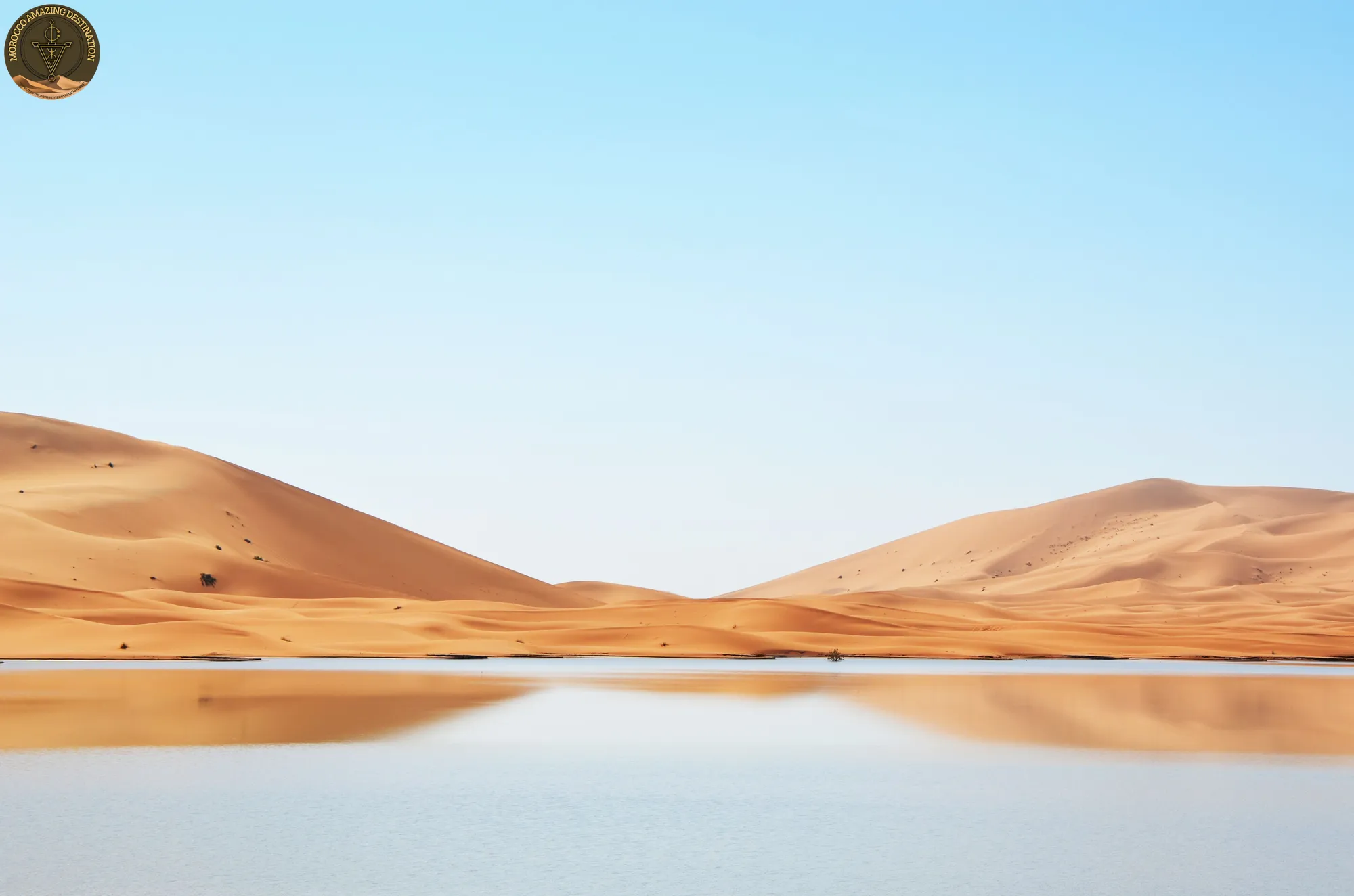
Is february a good month to visit morocco? Yes — for most travellers it is a bright, calm shoulder-season win. Days feel like early spring with mild sun, medinas move at low-season pace, and the Sahara serves up crystal-clear skies. You get winter value without the festive crowds of December.
In this guide, we will break down morocco weather in february by region, what February unlocks, the honest trade-offs, and how to plan a private itinerary that stays warm and hassle-free.
Is February a Good Month to Visit Morocco? The Short Answer
February sits in late winter shoulder season — sunny but genuinely cool after sunset. Marrakech averages 19-21°C by day and 6-8°C at night, Fes around 17°C/5.5°C, and Merzouga in the Sahara 19-21°C by day with 4-8°C nights that can dip to 2-6°C in wind. Rain stays light, around 30-55mm over 4-8 days, heaviest in the wetter north.
Daylight lasts about 11 hours and grows by roughly 45 minutes through the month, with 7-8 hours of sunshine and 8-9 hours in Agadir. The direct answer is simple: February is a good month if you want culture, desert stars and thin crowds, not guaranteed beach heat.
It is a weaker fit only if you need warm sea swimming or plan high Atlas trekking above 2500m without winter kit. For everyone else it is one of the year’s smartest, most photogenic windows. Expect 7-8 hours of bright sun nationally and moderate UV, but riads still feel cool at breakfast because thick walls hold night chill — heated rooms handle that.
Marrakech and Fes — Imperial Cities in February
The imperial cities feel at their most walkable in February. Low winter sun lights up courtyards and souks without summer heat, and queues are rare. Morocco in february in Marrakech means warm midday terraces and crisp mornings — perfect for palaces, gardens and souks before the crowds return in spring.
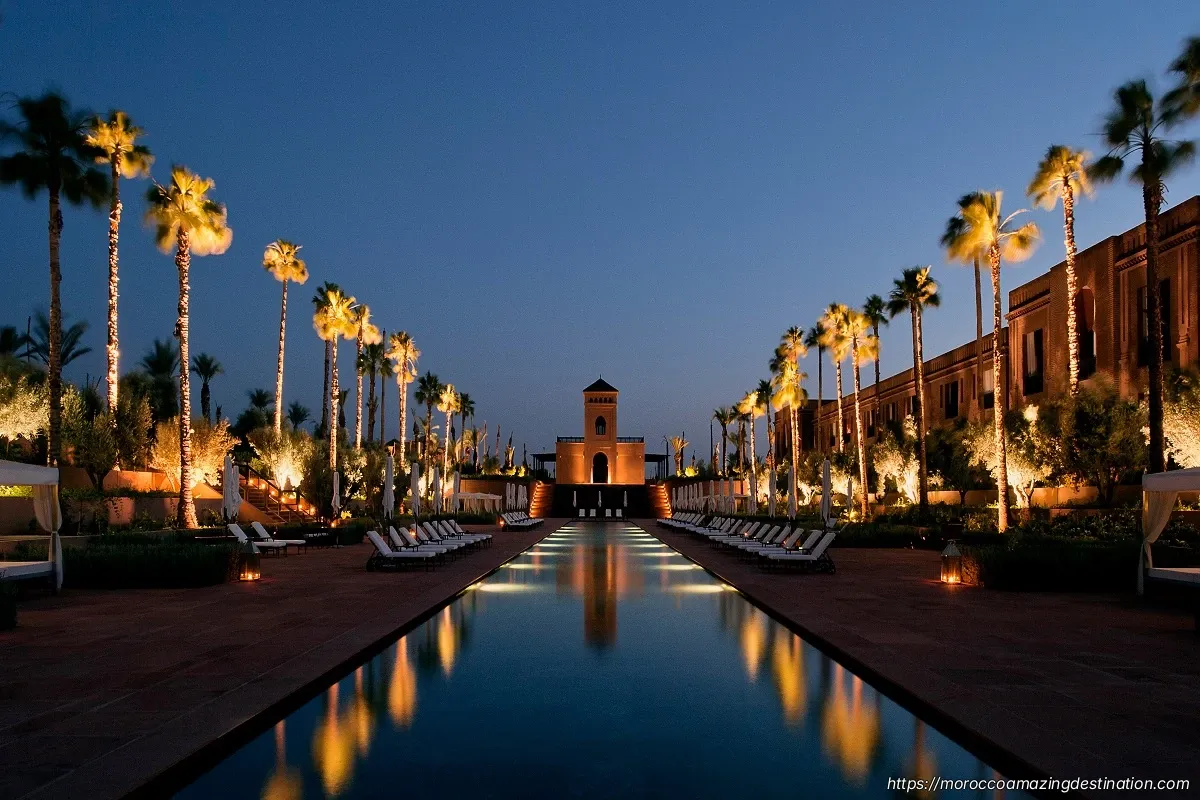
Fes and Chefchaouen run cooler and occasionally wet, averaging 16-17°C by day with 5-6°C nights and the highest rain totals of the month. That brings atmospheric mist over the medina and fewer visitors, but pack a rain shell and plan indoor highlights for late afternoon. Private guiding keeps it seamless, with flexible timing and hand-picked riads that stay warm after sunset.
What to expect in the cities:
- Mild days, cold snaps: sunshine from late morning, jacket needed at sunset.
- Thin crowds: 30-45% capacity in medinas and riads, with relaxed service and easier table reservations.
- Lower prices: riads often 15-25% below spring peak and flights cheaper than Easter.
- Soft light for photos: low winter sun, long shadows and fewer people in every frame.
If you link cities and desert, the UNESCO World Heritage site of Ait Benhaddou is luminous in February light and rarely busy. With a private driver you can time it for golden hour without rushing the High Atlas crossing.
Sahara Desert and Atlas Mountains — Cold Nights and Clear Skies
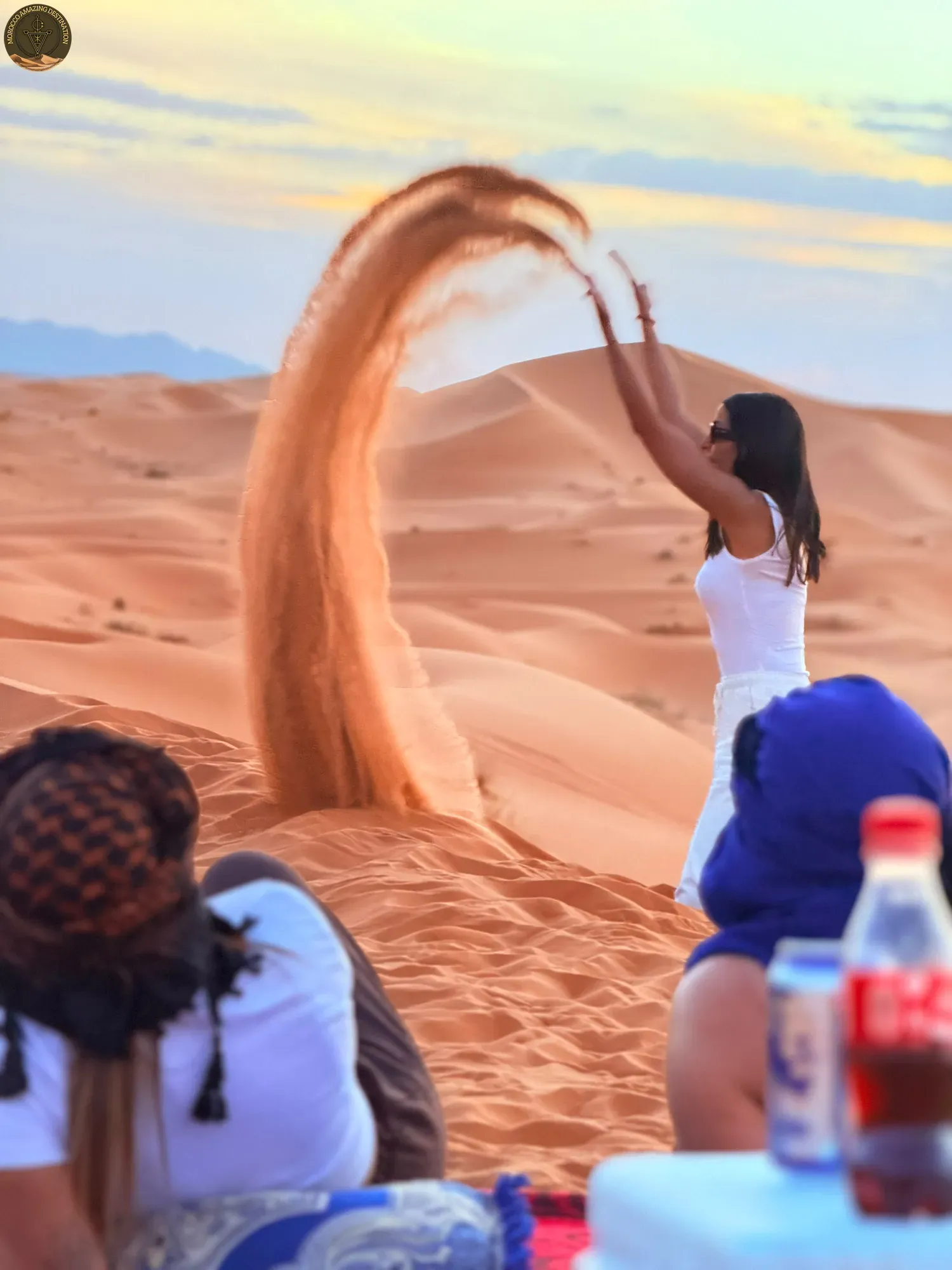
The Sahara is the star if you handle cold nights. Merzouga and Erg Chebbi stay very dry, with just 1-2 lightly rainy days and 19-21°C afternoons that make camel treks easy. Nights fall fast to 4-8°C and regularly to 2-6°C with wind, so the difference between day and night is the story.
Atlas valleys like Imlil hover near 11°C by day and around 0°C overnight, with snow above 2500m and ski operations at Oukaimeden from 2600-3200m. The Tizi n’Tichka pass can be icy and windy, which is why a private 4x4 with an experienced local driver matters more in February than in spring. What makes this month special up there is the luminous pre-spring light and snow-capped backdrops behind kasbahs.
Why it is still worth it:
- Clearest skies for stargazing: clean, dry air from October to April peaks on cold winter nights near new moon.
- Empty dunes: quieter camps and viewpoints, with time for unhurried sunsets.
- Two seasons in one day: ski at Oukaimeden in the morning, valley sun in the afternoon, or pair the Sahara with the Agafay desert for a short option.
A luxury desert camp with real heating and heavy blankets, plus thermals, fleece, beanie and scarf, turns a cold sunrise into a highlight rather than a hardship. Evening tea around the fire, then a crisp walk to a dark-sky viewpoint, shows why winter clarity beats hazy summer nights for photography.
Atlantic Coast — Essaouira and Agadir in Winter Sun
The Atlantic coast softens winter. Essaouira averages 18-19°C by day and 10-12°C at night, breezy and bright, while Agadir is the sunniest base at 18-22°C and 8-9 hours of sun with lighter wind. The sea sits at 16-17.5°C, so this is for crisp walks, surfing and seafood, not sunbathing.

Best time to visit morocco for warm beach days is later in spring, but February rewards coastal travellers who want soft light and space. Essaouira’s ramparts and fishing port feel calm, and Taghazout’s surf season is in full swing from September to April with steady winter swell. For deeper tables, see our guide to the weather in Morocco in February.
Coastal highlights to plan around:
- Essaouira: wind-sculpted light, medina strolls and laid-back seafood terraces.
- Agadir: calmest winter-sun base, best for families and sun seekers, with long sandy beaches.
- Surf: Taghazout and Essaouira hold consistent winter swells, water around 17.5°C, ideal with a wetsuit.
- Easy pacing: sea breezes keep walks fresh, cafés stay open, and winter sunsets feel unhurried.
A private transfer lets you pair coast and desert without long self-drives, finishing somewhere warm each evening. Many travellers add a night in Agadir for a relaxed reset after the dunes.
Plan Your February Trip with a Private Itinerary
February rewards a private, tailor-made plan. You move with the sun, start early during 11-hour daylight, and end in heated rooms with warm bedding. No group bus, no waiting — just a hand-picked route that fits your pace and keeps evenings cosy. Late February can sometimes overlap with Ramadan in some years, so we adjust timing around evening meals and enjoy the beautiful night atmosphere without hassle.
Almond blossom is the February signature. Around mid-February, for about 10-14 days, the Anti-Atlas Ameln Valley near Tafraoute and southern valleys like Ourika, Dades and Draa turn white and pale pink. The local Moussem des Amandiers runs about 7-10 days, free, with Ahwash dance, Amazigh poetry and amlou tastings — dates are confirmed only weeks ahead, so we plan mid-February and book 6-8 weeks ahead.
Two trips suit February especially well. The 4-Day Morocco Desert Tour from Marrakech compresses driving, gives you two nights near the dunes with a luxury camp and heated riad, and times Ait Benhaddou in perfect light. For more balance, the 8-Day Morocco Tour: Marrakech, Sahara Desert & Essaouira Adventure blends imperial cities, dunes and Atlantic breeze — ideal for first-timers, couples and families. We make it feel like family: hand-picked riads, seamless transfers and space to linger where you love most.
We can customize a tour to match your needs — design your perfect itinerary
If you found this helpful, add us as your preferred source on Google.
Frequently Asked Questions
Is February a good month to visit Morocco?
Yes, for most travellers. February brings mild sunny days, quiet medinas, low prices and clear desert skies, with the almond blossom in the Anti-Atlas. Cold nights and short days are the main trade-offs.
How cold is Morocco in February?
Days are mild at 18-22°C in Marrakech and the Sahara, 18-19°C on the Atlantic coast, but nights drop to 3-10°C in cities and 2-8°C in the Sahara with wind chill. Pack warm layers for evenings and sunrise starts.
Is the Sahara worth it in February?
Absolutely. The Sahara around Merzouga is pleasant by day at 19-21°C and very dry, with the clearest skies for stargazing. Choose a luxury camp with real heating and heavy blankets for cold nights.
What should I pack for Morocco in February?
Pack for two seasons: fleece, insulated jacket, beanie, scarf and thermals for nights, plus light layers and sunscreen for sunny days. Add walking shoes and a rain shell for Fes and the north.
Ready for an Adventure?
Have questions? Feel free to contact us using the form below. We're here to help!