
· Travel · 5 min read
Weather in Morocco in February: Temperature, Regions & Tips
Planning weather in Morocco in February? Get temperatures, sun and rain by region plus packing tips for Marrakech, Sahara and coast.
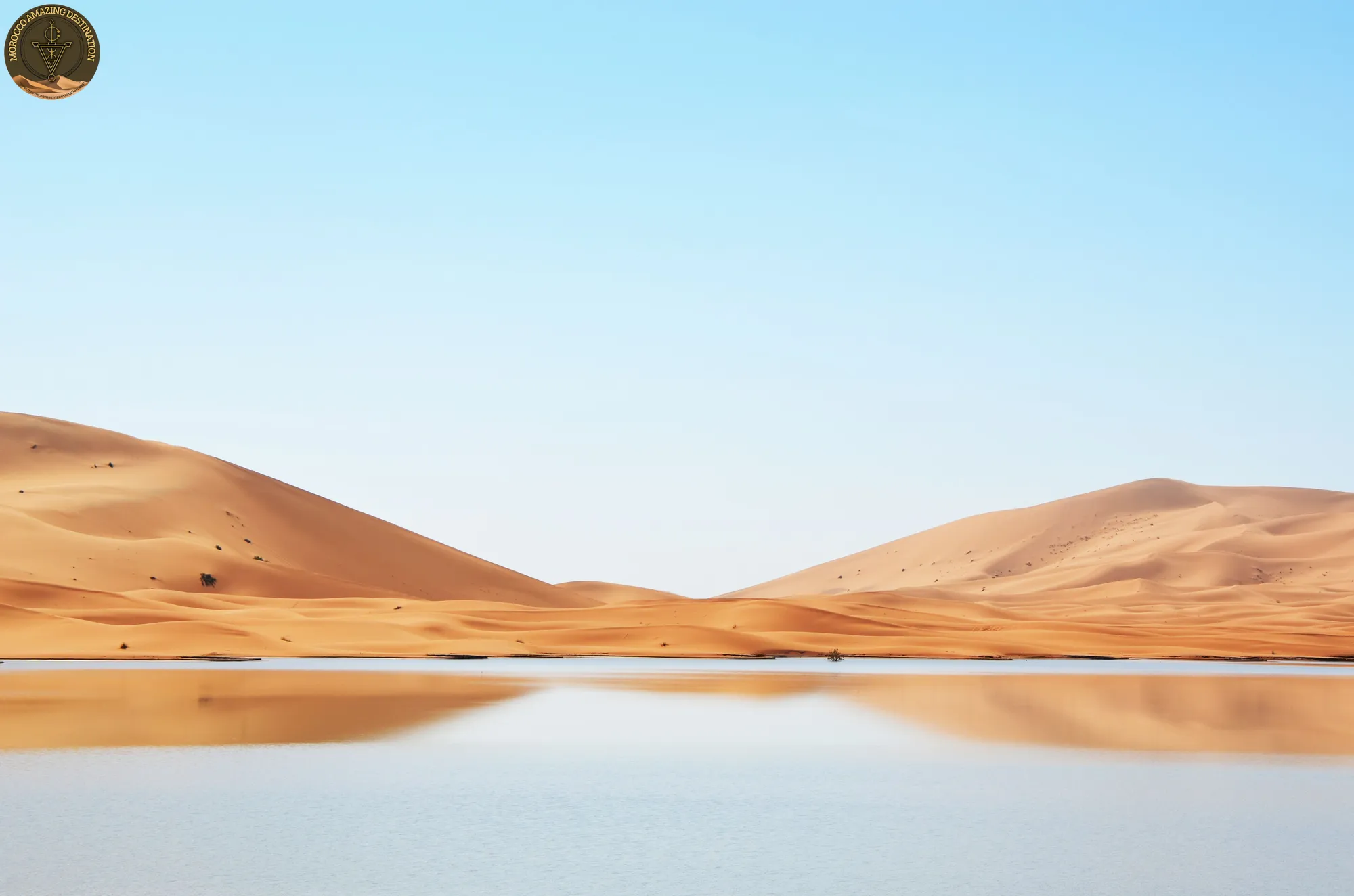
Thinking of a winter escape with sunny days and real cultural depth? The weather in morocco in february offers exactly that — mild afternoons, crisp clear light and cool nights that make exploring comfortable. It feels like an early spring at noon and winter again after sunset, so smart layering matters more than heavy winter gear.
In this guide, we will break down morocco weather february by region, temperature in morocco in february for key cities and the Sahara, and whether is february a good time to visit morocco for your travel style.
What February Weather Is Really Like in Morocco
February is late winter shoulder season, not full spring. Across the country days reach 15–22°C while nights drop to 5–10°C, with around 7–8 hours of sunshine and about 11 hours of daylight that grows week by week.
It is an escape from northern European cold rather than guaranteed heat. You will enjoy a 55–65% chance of a dry week in Marrakech, with short, scattered showers instead of long rainy spells. The light is luminous and dry, ideal for photography, medina walks and desert views.
Crowds stay low compared with spring and autumn. Almond blossom adds soft pink and white to valleys like Ourika and Tafraoute, a seasonal highlight that makes February feel special without the peak-season rush.
Temperature in Morocco in February by Region
Temperature in morocco in february swings widely by landscape, so plan by city and by hour rather than a single national average. A private driver helps you adapt quickly between warm sun and chilly shade.
Expect these typical ranges, based on Climates to Travel, Holiday Weather and Meteo Marrakech:
- Marrakech: 19–21°C by day, 6–8°C at night, about 35–40mm of rain over 6 days and 7.5 hours of sun. Evenings need a jacket.
- Fes and the north: Fes around 17°C/5°C with 55mm/6 days; Tangier cooler and wetter at 17°C/9°C; Chefchaouen variable with wide rainfall ranges reported.
- Sahara at Merzouga: 18–21°C by day, 4–8°C at night, very dry with about 15mm over 2 days. Nights can dip near freezing with wind.
- High Atlas: Imlil around 11°C/0°C, snow above 1500–2000m, Oukaimeden ski area open near 2800m.
- Atlantic coast: Essaouira 18–19°C/10–12°C and windy; Agadir 18–22°C/9–10°C sunnier and calmer; Casablanca 18°C/10°C. Sea stays cool at 16–18°C.
This contrast is the key to comfort. Pack for both midday sun in Marrakech and frosty dawns in the desert or mountains on the same trip.
Rain, Snow and Sunshine: What to Expect
Rain in February is light overall, 30–55mm over 4–8 days, but varies by region. The Rif and Tangier see the most, while the Sahara is almost dry. Showers tend to be brief and scattered, so a compact waterproof is enough.
Sunshine averages 7–8 hours per day, with Agadir often reaching 8–9 hours. Sunset moves from about 18:18 to 19:18 through the month, giving longer evenings as February progresses. UV sits at a moderate 4–5, so sunscreen and sunglasses still matter.
Snow is a high-elevation story only. The High Atlas holds full winter above 2500m, with Oukaimeden operating for skiing. Roads like the Tizi n’Tichka can be icy or windy, so a private 4x4 with an experienced local driver adds safety and flexibility.
What to expect day to day:
- Dry and bright: Most days are sunny with crisp mornings and warm midday.
- Brief showers: Pack a shell for the north and coast, but do not expect all-day rain.
- Snow-capped views: Mountains glow white while lowlands stay mild — great for photos and short low-altitude walks with a guide.
Is February a Good Time to Visit Morocco?
Is february a good time to visit morocco if you want culture, desert and value without summer heat? For many travelers, yes. It is one of the best months to see imperial cities, kasbahs and dunes in comfort, especially with a private, tailor-made itinerary.
You get warm enough days for rooftop cafes and souk strolls, cold but manageable nights that feel cozy in hand-picked riads and heated luxury camps, and clearer air for mountain panoramas. Almond blossom season adds a soft natural display you miss in other months.
There are trade-offs to weigh honestly:
- Ideal for: Sightseeing, photography, food markets, light hiking below 2500m, Sahara camel treks and relaxed coastal stays.
- Less ideal for: Sunbathing and swimming — sea and pools are cool — or high trekking and ski-free mountain passes without winter preparation.
Families and first-timers appreciate fewer crowds and private AC transport. Experience seekers love starry desert nights and quiet kasbahs. If you value sun over snow, keep flexible plans for the occasional wet day in the north and choose southbound routing.
How to Pack and Plan for February
Pack for three seasons in one suitcase. The trick is layers you can add at dawn and shed by lunch, with modest coverage for medinas and mosques.
Packing list for February:
- Base layers: Breathable long sleeves and trousers for sun and respect in old towns.
- Warm mid-layer: Fleece or soft-shell for evenings and desert nights.
- Shell: Compact waterproof and windproof jacket for brief showers and coastal wind.
- Accessories: Scarf, beanie, hat, sunglasses and SPF.
- Footwear: Closed walking shoes plus light sandals for riads and warm hours.
Plan with your local team for winter specifics. Confirm High Atlas road conditions close to departure, request heated rooms and warm bedding for the Sahara, and keep a flexible order of days so you can swap a coastal and desert night if wind or rain shifts. Private transfers beat long public drives when daylight is shorter.
Make the most of February contrasts by pairing city and desert. For a focused desert immersion that minimizes driving time, see our 4-Day Morocco Desert Tour from Marrakech via the High Atlas, UNESCO World Heritage site of Ait Benhaddou, Dades Valley and Merzouga with a luxury camp night under winter stars.
If you want Sahara plus Atlantic air, the 8-Day Morocco Tour: Marrakech, Sahara Desert & Essaouira Adventure blends Marrakech medina life, Todra Gorges, Merzouga dunes and two nights in breezy Essaouira — a balanced February mix of sun, culture and crisp ocean light.
We can customize a tour to match your needs — design your perfect itinerary
If you found this helpful, add us as your preferred source on Google.
Frequently Asked Questions
Is Morocco cold in February?
Not by day, but mornings and nights are cold. Expect 15–22°C in the afternoon and 5–10°C after sunset, with desert nights near freezing. Layering is key for comfort.
What should I pack for Morocco in February?
Pack light layers, a warm fleece, a rain shell, scarf, hat, sunglasses and closed shoes. Add a warm jacket, beanie and warm socks for a Sahara overnight stay.
Is February a good time to visit Morocco?
Yes, for cultural touring and the Sahara without summer heat or crowds. You get sunny days, crisp Atlas views, almond blossom and fewer visitors, with light rain mainly in the north.
Does it snow or rain a lot in Morocco in February?
Snow is limited to the High Atlas above 1500–2000m, where ski areas operate and passes can be icy. Rain is light, 30–55mm over 4–8 days, heaviest in Tangier and the Rif, with short showers.
Ready for an Adventure?
Have questions? Feel free to contact us using the form below. We're here to help!