
· Travel · 4 min read
How Do Moroccans Greet Each Other? Customs and Phrases
From As-salamu alaykum to cheek kisses and the hand on the heart — how do Moroccans greet each other, region by region.
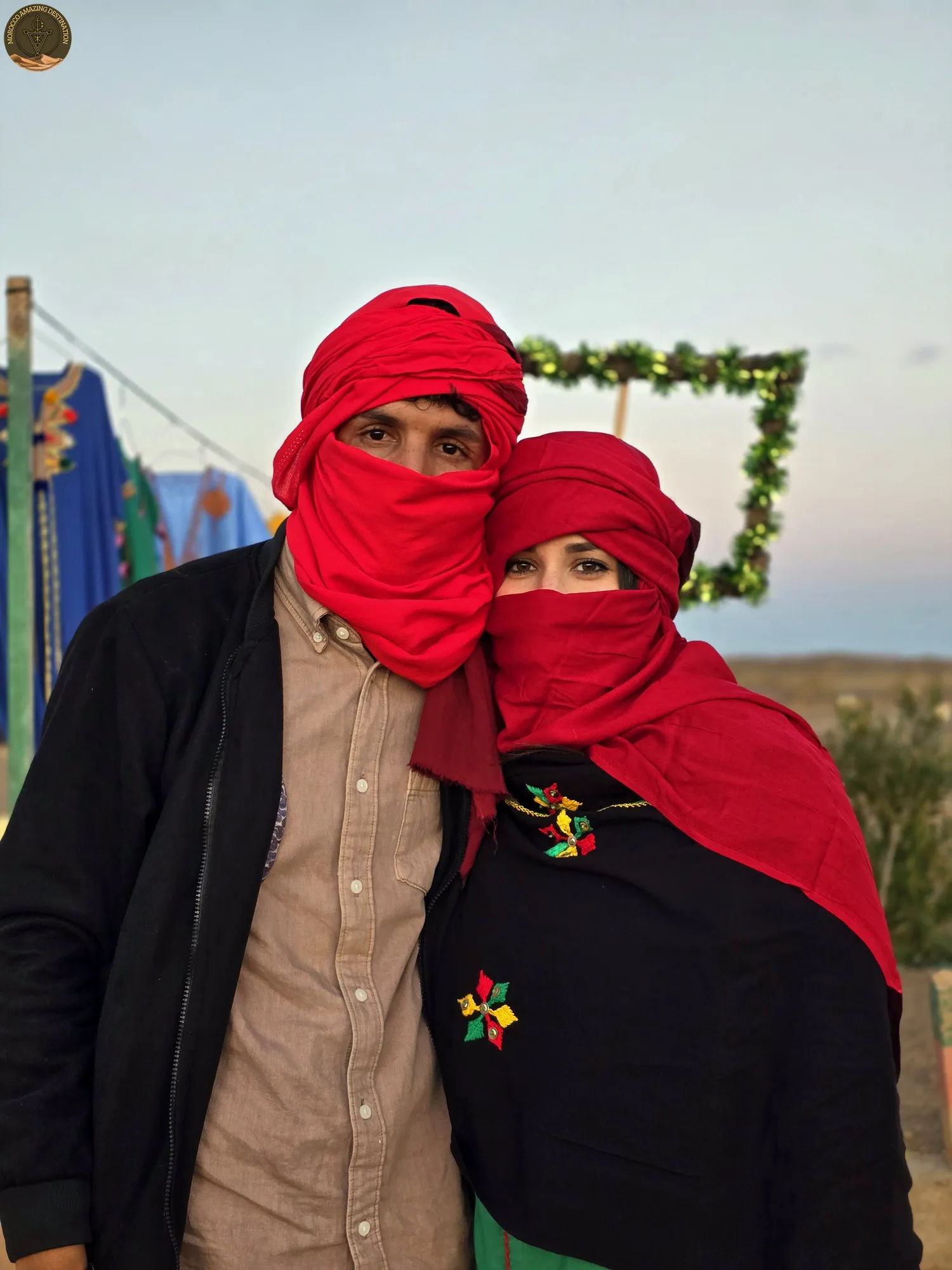
Walk into a Moroccan shop, riad or family home and the greeting comes before anything else. So how do Moroccans greet each other? Usually with the words As-salamu alaykum (“peace be upon you”), a gentle right-hand handshake, and often the right hand placed on the heart; close friends and family add light cheek kisses, and elders are always greeted first.
In this guide, we will break down Moroccan greeting customs — the exact Darija words, the gestures that go with them, and how gender and region change what happens.
As-salamu alaykum: The Words Moroccans Greet With
A Moroccan greeting is a short conversation, not a single word. The standard open is As-salamu alaykum — “peace be upon you” — answered Wa alaykum salam. Among friends and in shops it becomes a simple Salam.
The opener is followed by a well-being check. Labas? or Kidayer? asks “are you well?”, answered Labas, lhamdullah. Then come W nta? or W nti? and often a question about the family. Learning how to say hello in Moroccan Arabic is easy; letting it breathe is the real skill.
Key phrases to recognize:
- As-salamu alaykum: the full formal greeting; reply Wa alaykum salam
- Salam: the everyday short version between friends
- Sbahlkhir / Msa lkhir: good morning and good evening
- Marhba / Ahlan wa sahlan: “welcome”, inviting someone in
- Bslama: what you say when you leave
Handshakes, Cheek Kisses and the Hand on the Heart
A handshake is gentle, brief, and always with the right hand; the left is considered unclean. Many Moroccans then touch the right hand to the heart — a sign of sincerity that also works as a respectful no-contact greeting.
Cheek kisses are reserved for closeness: same-gender friends and family usually exchange two light pecks, sometimes three. The count and the starting cheek vary by family and region, so follow your host’s lead rather than a fixed rule. Across genders, a man waits for a woman to extend her hand; if she does not, he nods, says the greeting, and may place his hand on his heart. Unrelated men and women in conservative settings often skip the handshake entirely.
Elders, Souks and Medinas: Greeting in Daily Life
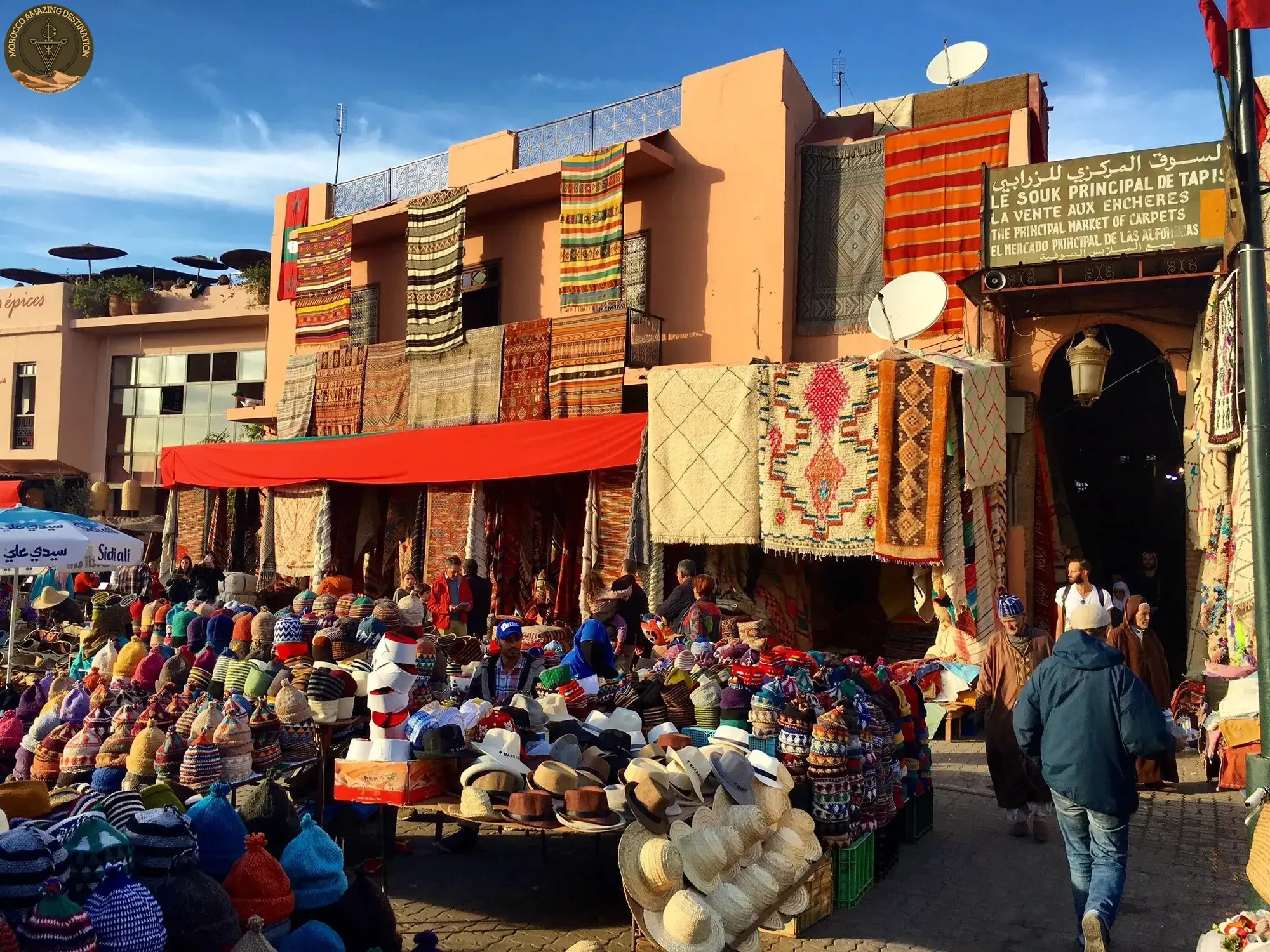
Hierarchy shapes almost every greeting. The younger person greets the elder first. When you enter a room or a home, you greet everyone present individually, starting with the eldest, and younger people stand when an elder walks in.
Deep respect can include kissing an elder’s hand or forehead, more common in rural families and toward grandparents; in city-professional circles it is far less usual. Treat this as context-dependent and follow the family’s lead.
In the souks and medinas, greet the keeper before you state what you want; the greeting opens the transaction. This everyday politeness belongs to a wider set of cultural etiquette in Morocco that shapes daily encounters.
Who greets whom:
- The younger greets the elder first, every time
- Entering a room, greet each person from eldest to youngest
- Stand when an elder enters the room
- Say salam to the shopkeeper before talking business
Azul in the Atlas: Berber Villages and Desert Camps
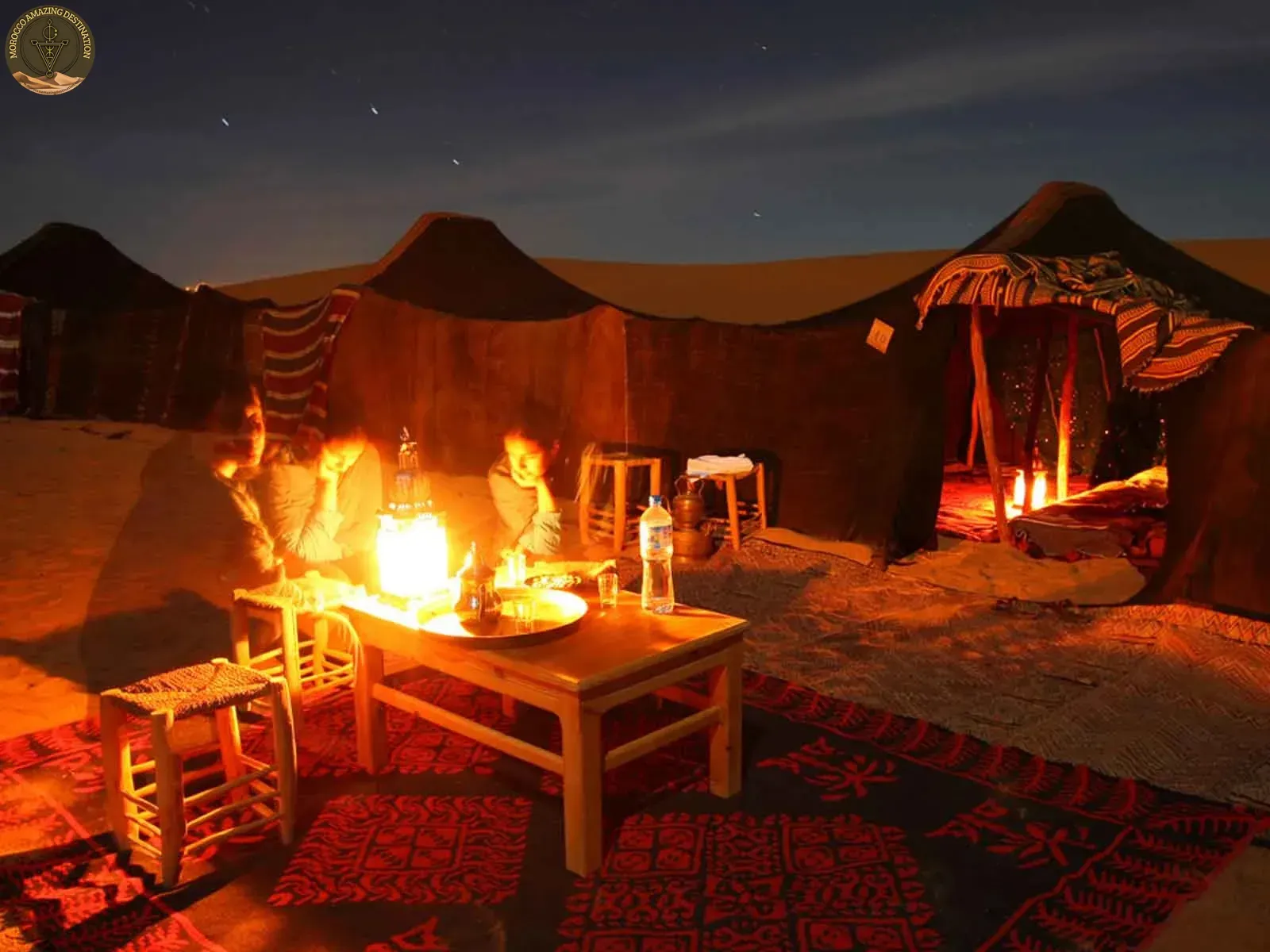
Travel into the Atlas Mountains or the desert villages and the greeting changes language. In Amazigh (Tamazight) areas, the most memorable of the berber greetings is Azul, often glossed as “close to the heart”.
Azul adapts to the person in front of you: Azul fellak to a man, Azul fellam to a woman, Azul fellawen to a group. A hand on the heart usually accompanies it, matching the warmth of the landscape. Some travellers hear Azul before a word of Arabic.
Cities move differently: Marrakech, Casablanca and Rabat lean on the Arabic Salam with a measured handshake. In Atlas and southern Amazigh villages and around desert camps, Azul and the hand on the heart are the warmer default.
How Visitors Should Greet Moroccans
You do not need perfect Darija to greet well. Say As-salamu alaykum or Salam, offer your right hand, and let the other person set the physical tone; when in doubt, a spoken greeting with your hand on your heart is always respectful. In traditional settings, a warm greeting before any question opens doors, and locals notice it.
For house visits, this pairs with the do’s and don’ts of greeting elders at a Moroccan home.
A private, locally guided trip puts these moments in context. Our 15-Day Grand Cultural Tour from Tangier crosses markets, medinas and mountain villages, while the 8-Day Morocco Tour: Marrakech, Sahara Desert & Essaouira ends in a Berber camp where “Azul” is the first word you hear.
We can customize a tour to match your needs — design your perfect itinerary
If you found this helpful, add us as your preferred source on Google.
Frequently Asked Questions
How do Moroccans greet each other?
Moroccans usually greet with As-salamu alaykum, meaning peace be upon you, answered with Wa alaykum salam, plus a gentle right-hand handshake and often the right hand placed on the heart. Same-gender friends and family add light cheek kisses, usually two or three.
What do you say when you greet someone in Morocco?
As-salamu alaykum is the standard greeting, and Salam the short everyday version. It is often followed by Labas?, which asks if you are well, answered with Labas, lhamdullah, and by a question about your family.
Is it okay for a woman to shake hands in Morocco?
Yes, if she offers her hand first. A man typically waits for a woman to extend hers; if she does not, a nod, the spoken greeting and a hand on the heart are equally respectful. In conservative settings, unrelated men and women often do not shake hands.
How do you say hello in Berber?
Azul is the Tamazight hello, often translated as close to the heart. It becomes Azul fellak to a man, Azul fellam to a woman and Azul fellawen to a group, and is common in Atlas villages and around desert camps.
Ready for an Adventure?
Have questions? Feel free to contact us using the form below. We're here to help!