· Travel · 5 min read
Green Zone Filming Locations: Rabat, Salé and Kenitra
Where was Green Zone filmed in Morocco? Rabat, Salé and Kenitra stood in for Baghdad, and you can walk two of the three today.
Green Zone opens with a helicopter run over Baghdad and ends with a chase through streets that were never in Iraq. Paul Greengrass directed the 2010 thriller from a script by Brian Helgeland, with Matt Damon as Chief Warrant Officer Roy Miller. If you are tracing the green zone filming locations, the answer comes down to three Moroccan cities.
Where was Green Zone filmed? Rabat carried the main Baghdad exteriors, Salé handled the night streets, and Kenitra stood in for Diwaniya and the airfield. In this guide, we will break down the Morocco leg of the shoot and how to visit the walkable parts today.
Why Baghdad Had to Be Built Somewhere Else
Principal photography began at Los Alcázares in Murcia, and the crew never went near Iraq. Baghdad was a working war zone, so the production needed streets, checkpoints and a palace in places it could control. The city on screen is a composite of three countries.
The script adapts Rajiv Chandrasekaran’s book Imperial Life in the Emerald City, a portrait of a sealed American enclave inside Baghdad. A sealed enclave needs walls, a gate and approach roads, and the production had to find all three.
Morocco took the largest share. The unit was based in Rabat for about seven weeks, and the green zone morocco work gave the film boulevards, medina lanes and flat roofs. Effects work added the skyline behind them. Spain and the UK supplied what Morocco could not: palace interiors, a military headquarters and airport terminals.
Rabat: Boulevards, Flat Roofs and Assassin’s Gate
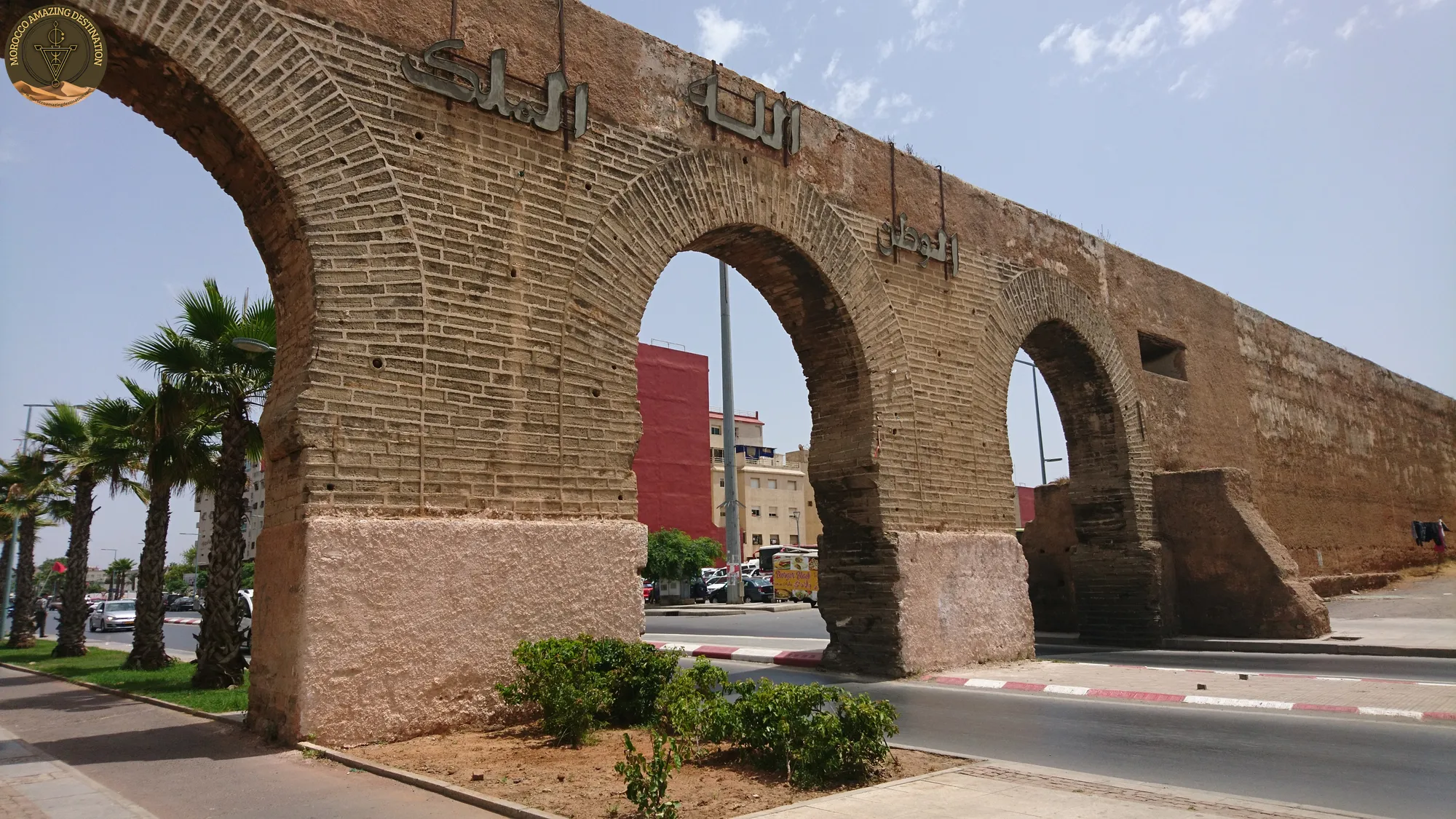
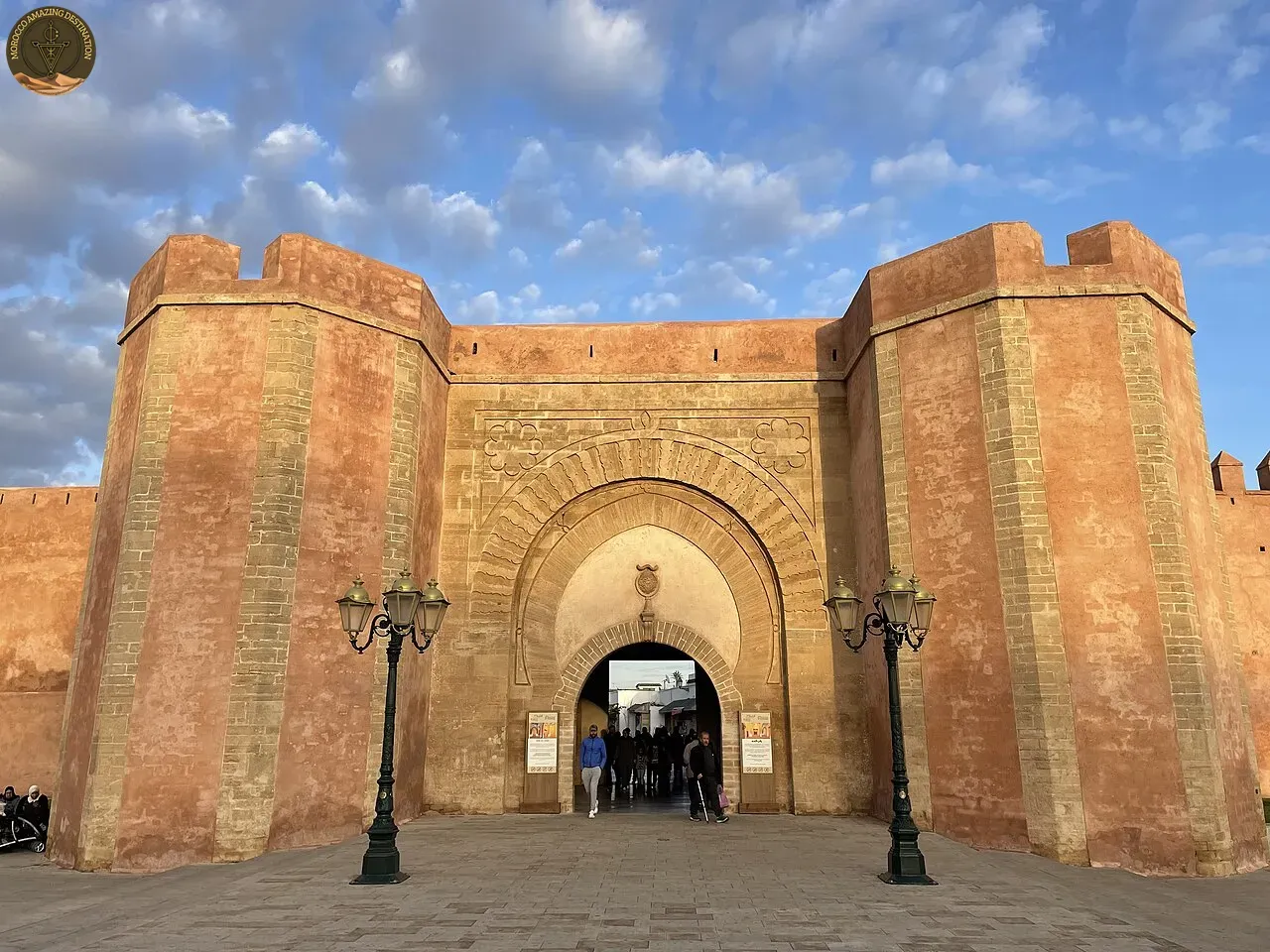
Most of the exterior footage comes from Rabat. Its wide avenues gave Greengrass the scale of a heavily guarded capital, and the medina gave him alleys narrow enough to trap a convoy. The production dressed one main road as the Assassin’s Gate, the crossing into the Green Zone. Visual effects built the rest of the checkpoint.
No source names the road dressed as Assassin’s Gate, so treat it as an avenue rather than an address. Matt Damon spends much of the film walking those streets in body armour. The flat roofs behind him belong to the medina, not a set. Greengrass had already filmed Tangier for The Bourne Ultimatum and its rooftop chase, so the Moroccan crew and the Rabat hotel were familiar ground.
What the Rabat unit shot:
- The wide boulevards: approach roads and checkpoints outside the Green Zone.
- Medina lanes: the crowded streets where Miller’s convoy slows.
- Flat rooftops: the skyline plates the effects team built on.
- Assassin’s Gate: a main road dressed as the crossing into the zone.
Salé and Kenitra: Nights, Diwaniya and the Airfield
Salé sits across the Bou Regreg from Rabat and took the night work. Its streets stood in for Adhamiya, and its quieter quarters became the upscale Mansour district. The Al Mansour dig, the safe-house raid and helicopter landings staged on a football pitch were filmed here, along with a deserted bus station.
Kenitra, further north, covered the weapons storyline. The production notes place the Diwaniya sequence in Kenitra, including the looting of the site and the two-day convoy traffic jam. The exterior of Saddam International Airport was shot at the military air base, which is active and closed to visitors.
Both towns sit close to the Rabat base, so the unit moved between them without long transfers.
Locations by function:
- Adhamiya nights (Salé): the streets used for the night patrols.
- The Mansour quarter (Salé): the upscale district and the Al Mansour dig.
- Diwaniya (Kenitra): the WMD site, the looting and the convoy jam.
- The airport exterior (Kenitra): shot at the military air base.
Spain and the UK: The Half You Cannot See
The green zone 2010 filming locations stretch well past Morocco. Spain came first. Los Alcázares and San Javier in Murcia supplied the Mukhabarat headquarters, and a smaller palace went up at Los Alcázares. Interior work continued in Alicante.
The UK closed the shoot. Palace interiors came from a livery hall in London and airport interiors from a racecourse in Surrey. Prison and WMD rooms were built at a former tank-testing site. None of them run as film sets today.
Interiors travel well, which is why three countries share one city on screen. For the wider picture, our guide to the Morocco film industry explains how the country keeps pulling in productions this size.
Rabat and Salé on Foot: What You Can Visit
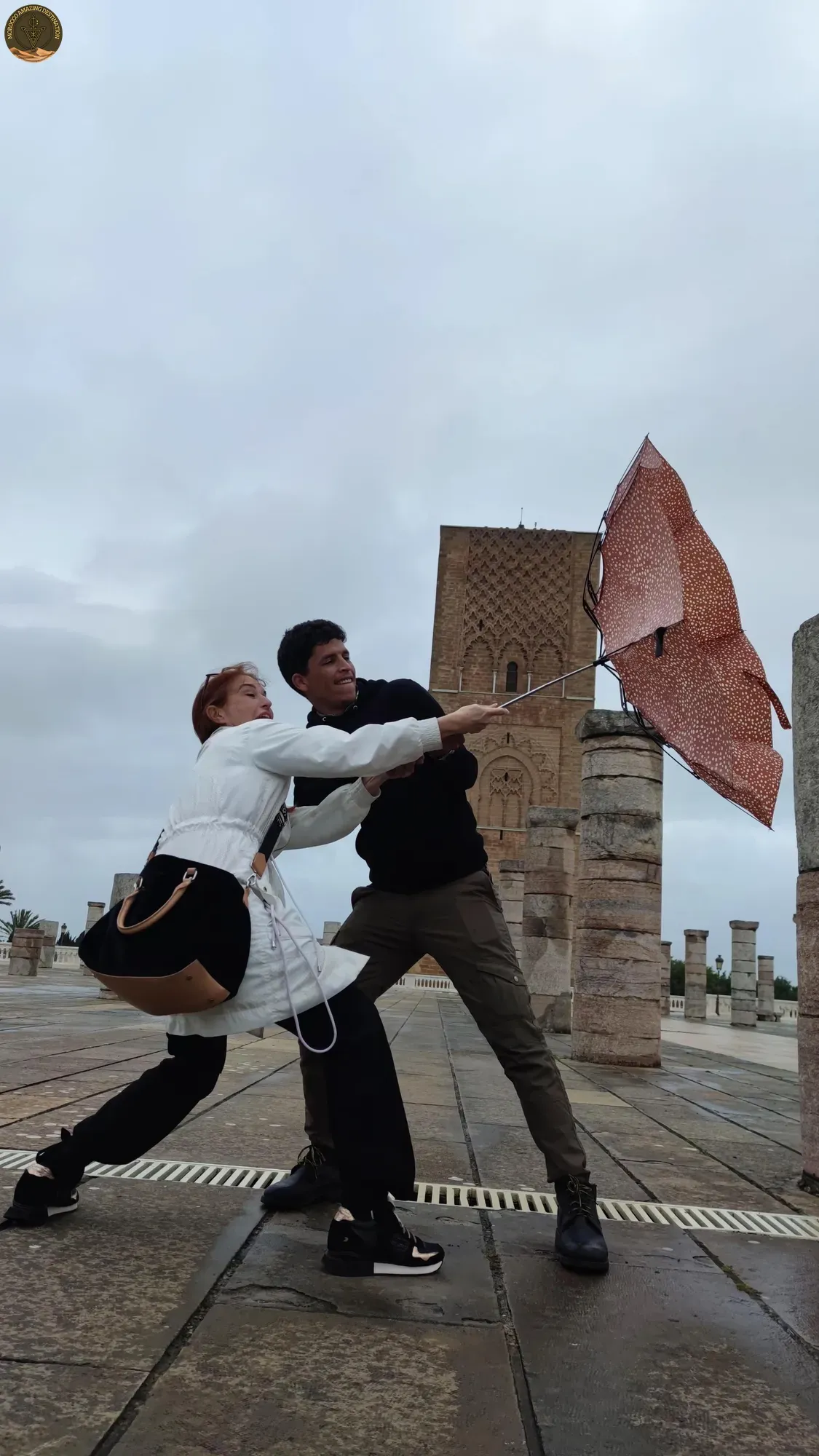
Two of the three cities are easy to walk, and the film geography overlaps with the sights you would see anyway. Rabat’s medina, the Kasbah of the Udayas, Hassan Tower, the Chellah and the Bou Regreg banks fit into a morning or an afternoon. Rabat is a UNESCO World Heritage site, so its old town is protected.
Salé is a tram ride from Rabat. Its medina, Grand Mosque, Bab Lamrissa and marina are open, and the riverfront gives you the view the second unit filmed across the water. Kenitra is the one to skip, because the air base is military ground.
You can drive the avenue used for the gate scene, though nothing marks it as a film location.
What to see:
- Rabat medina and Bab El Had: the gate, the market streets and the crowd lanes.
- Kasbah of the Udayas: the walled quarter above the river mouth.
- Hassan Tower and Chellah: the two monumental stops outside the walls.
- Salé medina and marina: the old town across the Bou Regreg, reached by tram.
A driver-guide makes the pair simple: Rabat in the morning, Salé in the afternoon, with the river between them. Our 10-Day Tour from Rabat to Marrakech opens in the capital before the imperial cities and the desert. For a shorter loop, the 8-Day Tour from Casablanca to the Imperial Cities passes through Rabat and Salé.
We can customize a tour to match your needs - design your perfect itinerary.
If you found this helpful, add us as your preferred source on Google.
Frequently Asked Questions
Where was Green Zone filmed in Morocco?
Rabat, Salé and Kenitra. Rabat carried the main Baghdad exteriors, Salé covered the night streets and the Mansour quarter, and Kenitra handled the Diwaniya site and the airport exterior at the military air base.
Can you visit the Green Zone filming locations in Rabat?
Yes. Rabat's medina, Bab El Had, the Kasbah of the Udayas, Hassan Tower, the Chellah and the Bou Regreg banks are open to visitors. Salé is a short tram ride across the river, and Kenitra's air base is active military ground.
Which Green Zone scenes were shot in Salé?
Salé stood in for Adhamiya at night and for the upscale Mansour district. The Al Mansour dig, the safe-house raid, a deserted bus station and helicopter landings staged on a football pitch were all filmed there.
Why was Green Zone filmed in Morocco instead of Iraq?
Baghdad was still a war zone when the shoot began. Morocco offered wide boulevards, medina lanes and flat roofs that read as the Iraqi capital once visual effects added the skyline.
Ready for an Adventure?
Have questions? Feel free to contact us using the form below. We're here to help!