
· Travel · 4 min read
Does Morocco Have a Jewish Population Today? Complete Guide
Yes, Morocco does have a Jewish population today — roughly 1,500–3,000 people. Here is where they live and what you can visit.
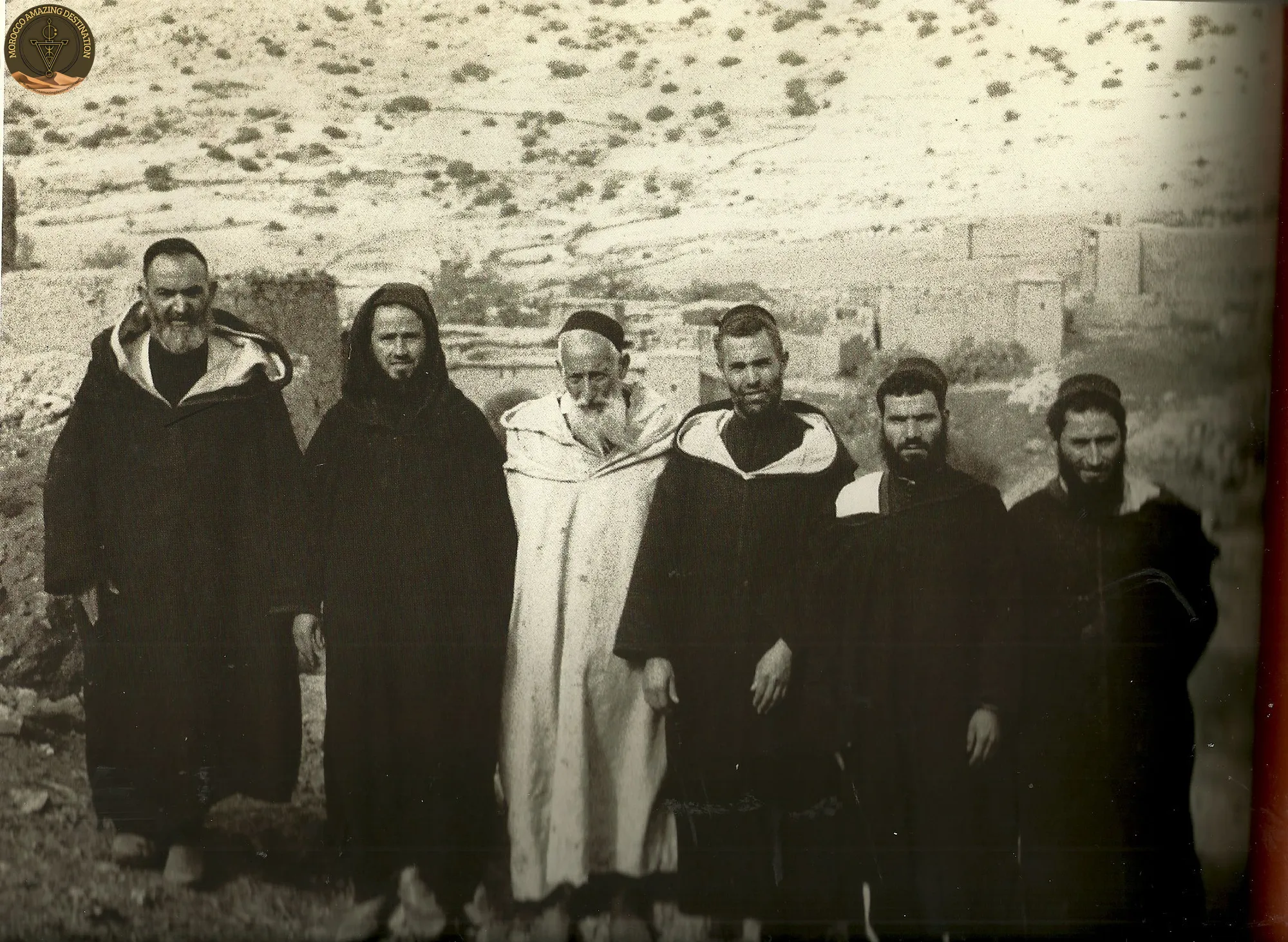
Many travelers assume Morocco’s Jewish story ended decades ago — that the synagogues stand empty and the old Mellahs fell silent. They are wrong. A small living community still prays, cooks, teaches and celebrates here, and visitors can meet it today.
Does Morocco have a Jewish population today? Yes — roughly 1,500 to 3,000 people, most of them in Casablanca, though estimates vary because there is no official census. In this guide, we will break down how many Jews live in Morocco now, where they live, and what Jewish heritage you can actually visit.
Does Morocco Still Have a Jewish Population?
Walk through Casablanca on a weekday morning and you may pass a kosher butcher, a Jewish school and a working synagogue within blocks. The Jewish community in Morocco is small, but not a museum piece — it is a functioning, everyday presence.
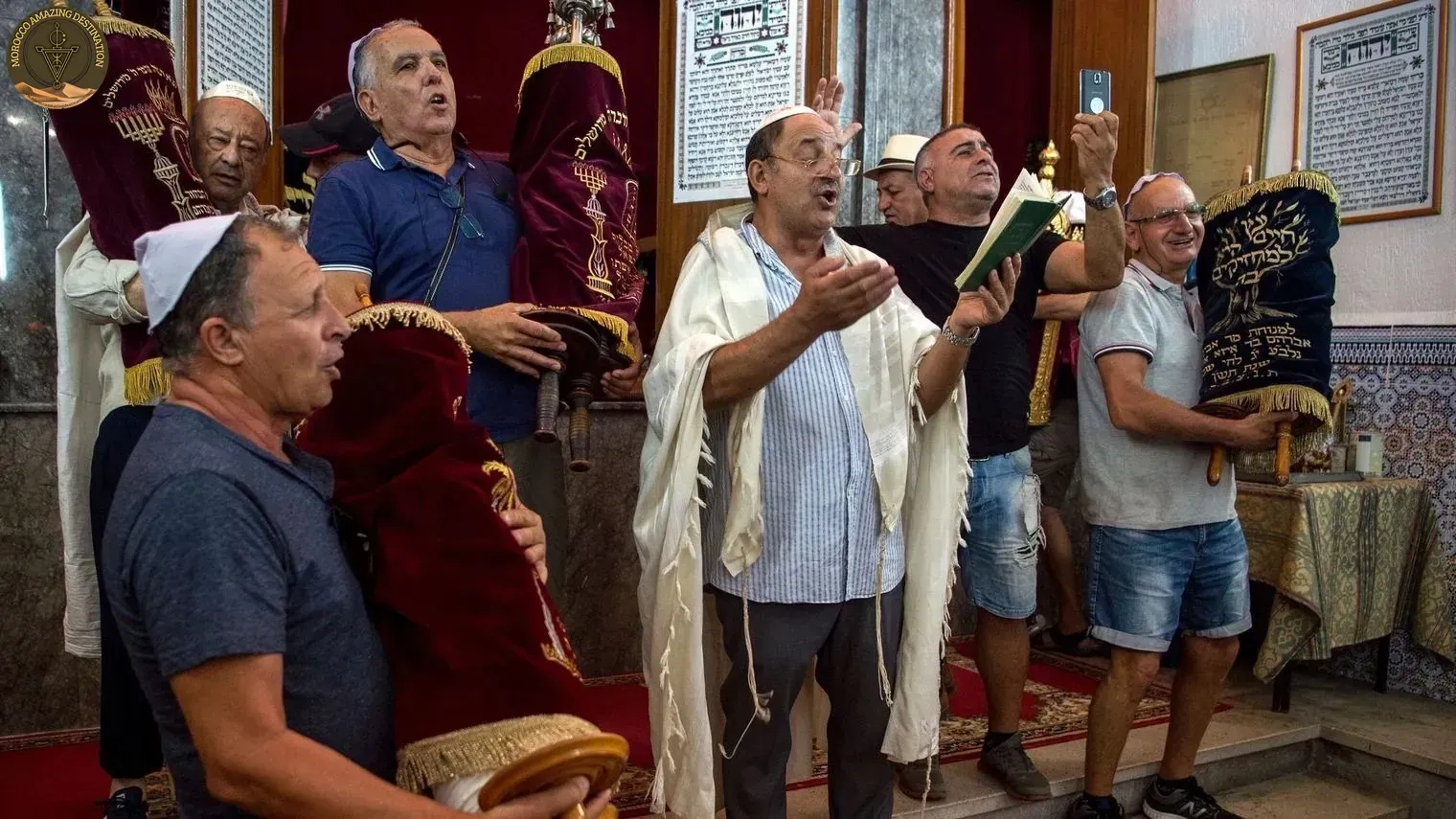
Community members describe the atmosphere as warm, welcoming and calm, and they are generally happy to meet respectful guests. Many have family roots in the Mellahs that now draw travelers.
What “living community” actually means here:
- Active synagogues: services continue in Casablanca and Marrakech, not only guided visits.
- Kosher food: butchers, bakeries and restaurants serve the community and curious visitors.
- Jewish schools: children still study Hebrew, Torah and Moroccan Jewish culture.
- Community institutions: local councils keep archives and traditions alive.
This is a community of people, not an attraction. Visiting respectfully — modest dress, quiet voices, asking before photographing — is part of the experience.
How Many Jews Live in Morocco Today?
Precise numbers are impossible, because Morocco does not record religious affiliation in its census. Credible estimates range from about 1,500 to 3,000, with most recent sources citing 2,000 to 3,000.
What is certain is that the Jewish population in Morocco is a small fraction of its historic size.
How the numbers compare:
- Historic peak: roughly 250,000–350,000 Jews lived in Morocco in the 1940s.
- Today: roughly 1,500–3,000 remain, a decline of more than 98 percent.
- Regional context: still the largest Jewish community in the Arab world.
- Age profile: the community skews older, so estimates differ by hundreds.
Small does not mean absent, and the community remains visible and welcoming.
Where Morocco’s Jewish Community Lives: Casablanca and Beyond
Casablanca is the undisputed heart of Jews in Morocco today. Roughly 1,000 to 2,000 live here, alongside most of the community’s institutions, kosher shops and schools.
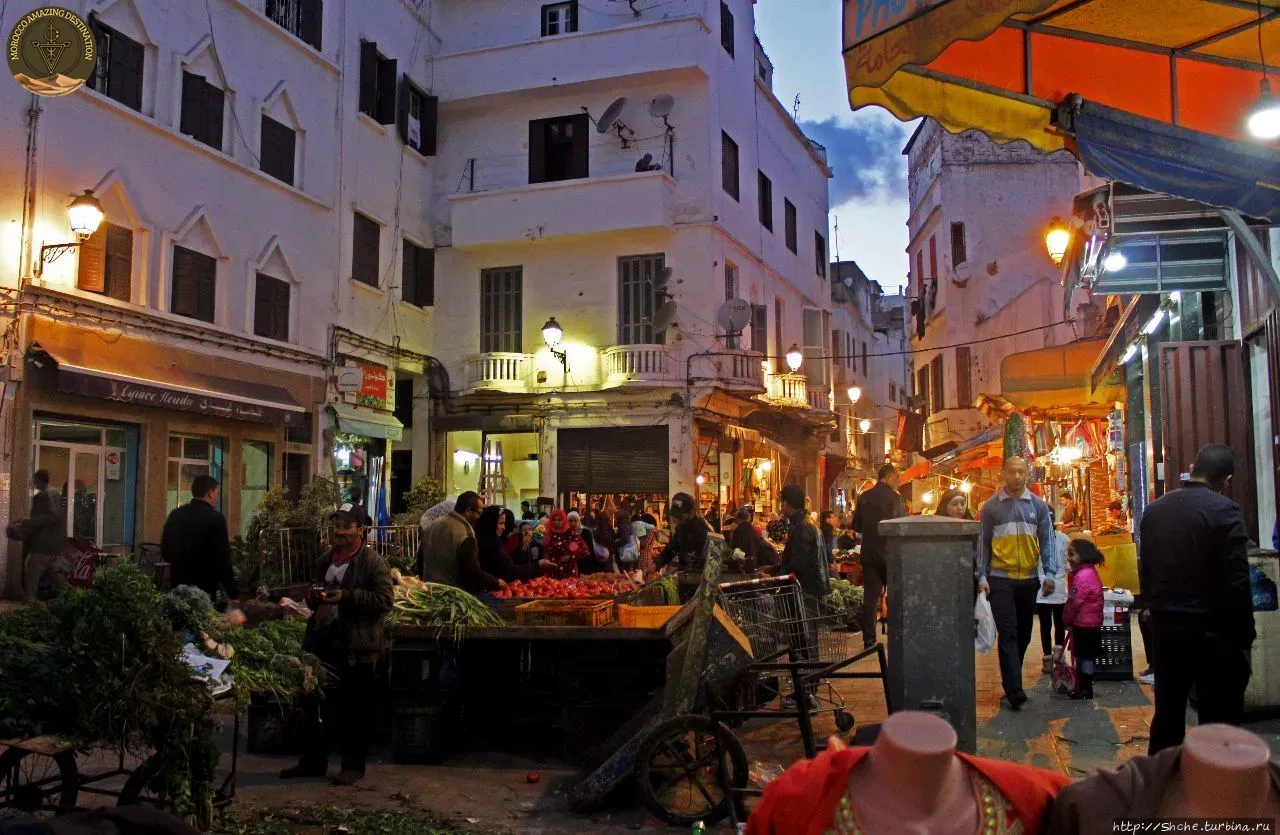
Smaller communities survive in Marrakech, Fes, Rabat, Meknes and Essaouira. They are older and quieter, often just a few dozen families, but they keep synagogues and traditions running.
Where to look:
- Casablanca: the largest community, main institutions and the Jewish museum.
- Marrakech: an active synagogue in the Mellah and a welcoming community.
- Fes and Meknes: historic Mellahs with restored synagogues and cemeteries.
- Rabat and Essaouira: small communities, plus Essaouira’s hiloula pilgrimage.
Most sit on the classic imperial route, so a visit fits into any sightseeing day.
What Jewish Heritage Can You Visit Today?
You do not need special access to experience Jewish Morocco. Several sites welcome visitors, and a local guide can arrange entry around Shabbat and holidays.
The Jewish heritage here spans grand city synagogues and quiet memory houses. Morocco’s constitution names the Hebraic influence as part of national identity, and public funds help restore synagogues, Jewish cemeteries and Mellahs.
Highlights to see:
- Museum of Moroccan Judaism, Casablanca: widely described as the only Jewish museum in the Arab world, with Torah scrolls and ritual objects.
- Beth-El Synagogue, Casablanca: a grand, still-active synagogue with stained glass.
- Slat al-Azama, Marrakech: an active Mellah synagogue restored with state support.
- Ibn Danan, Fes: a historic Mellah synagogue restored with help from international heritage bodies.
- Bayt Dakira and Haim Pinto, Essaouira: a memory house and the focus of an annual pilgrimage.
Traditions matter too: Mimouna, the joyful post-Passover celebration, and hiloula pilgrimages to the tombs of revered rabbis still draw crowds.
Plan Your Jewish Heritage Journey in Morocco
Casablanca is where most Jewish Morocco lives today, and the start of many of our private itineraries. Because the community is concentrated, one route can cover both its living present and its historic past.
Both journeys below begin in Casablanca and pass through Rabat, Fes, Meknes and Marrakech:
- 8-Day Imperial Cities & Sahara Desert Tour from Casablanca — imperial cities, desert camps and time in Casablanca.
- 8-Day Tour from Casablanca to Morocco’s Imperial Cities — a slower look at Morocco’s historic heart.
A private guide and driver handle access, timing and Shabbat-friendly scheduling, so the day stays hassle-free. For the deeper history, see our guide to Jews in Morocco; for a full touring plan, read Jewish heritage tours in Morocco.
We can customize a tour to match your needs — design your perfect itinerary
If you found this helpful, add us as your preferred source on Google.
Frequently Asked Questions
Does Morocco have a Jewish population today?
Yes. Morocco still has a small, active Jewish community of roughly 1,500 to 3,000 people. Most live in Casablanca, with smaller communities in Marrakech, Fes, Rabat, Meknes and Essaouira. Estimates vary because Morocco keeps no official census of religious affiliation.
How many Jews live in Morocco?
Credible estimates range from about 1,500 to 3,000, with most recent sources citing 2,000 to 3,000. Treat any single figure with caution: without an official census, the range is the most honest answer.
Can visitors see Jewish heritage in Morocco?
Yes. The Museum of Moroccan Judaism and Beth-El Synagogue in Casablanca, Slat al-Azama in Marrakech, Ibn Danan in Fes, and Bayt Dakira and Haim Pinto in Essaouira all welcome visitors. A local guide can arrange access and Shabbat-friendly timing.
Is Morocco safe for Jewish travelers?
Jewish travelers are generally welcomed, and the community lives openly in Casablanca with active synagogues and kosher food. As anywhere, a private guide and driver make logistics smoother, and local teams can advise on Shabbat timing.
Ready for an Adventure?
Have questions? Feel free to contact us using the form below. We're here to help!