· Travel · 4 min read
David Guetta Moroccan Roots: The Story You Never Heard
David Guetta Moroccan roots start in Tétouan, where his father's Jewish family came from. The story, and the city you can visit.
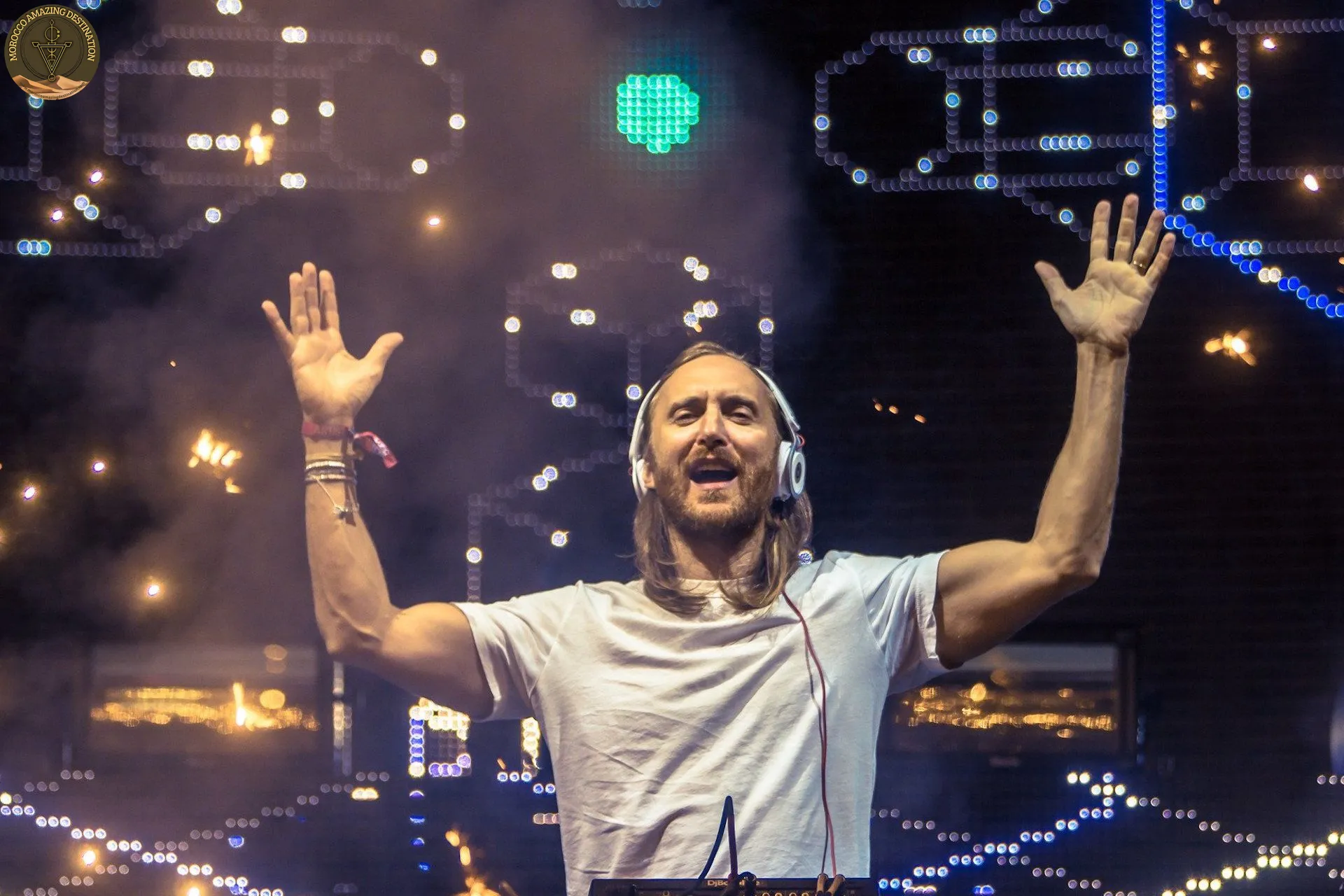
During a Mawazine set in Rabat, with about 185,000 people in front of him, David Guetta pulled a Moroccan flag over his shoulders. He was born in Paris and built his career between Ibiza and Las Vegas, so the flag could have been a stage prop. It was also a family matter. Search David Guetta Moroccan and the answer is short: French passport, Paris birth, a father from a Jewish family in Tétouan, in the Rif.
In this guide, we will break down what is documented about that family and correct the Casablanca version that circulates online. Then we will show you the city in the Rif where the story starts.
A Paris DJ With a Moroccan Father
His full name is Pierre David Guetta, and he was born in Paris. He has always worked under his second name. His father Pierre was a sociologist of work in Michel Crozier’s research group before he moved into restaurants. He came from a Jewish family in Tétouan. His mother Monique is Belgian, from Liège.
People ask is David Guetta Moroccan expecting a yes or a no. The facts are simpler: French national, born in Paris, Moroccan father. A half-brother works in journalism and a half-sister acts, so the surname has been in French public life for a while.
Tétouan, Not Casablanca: Getting the Family City Right
Tétouan is in the Rif, about 60 km from Tangier, whitewashed and Spanish-accented, with a medina smaller than Fez and calmer than Marrakech. The Mediterranean is a short drive north. His father grew up in Morocco in a family from Tétouan.
Casablanca enters through relatives. A grandfather ran a soap factory in the city, and a half-brother boarded at a French lycée there for close to two years. That is enough to make the Casablanca version sound right. It is still the wrong city.
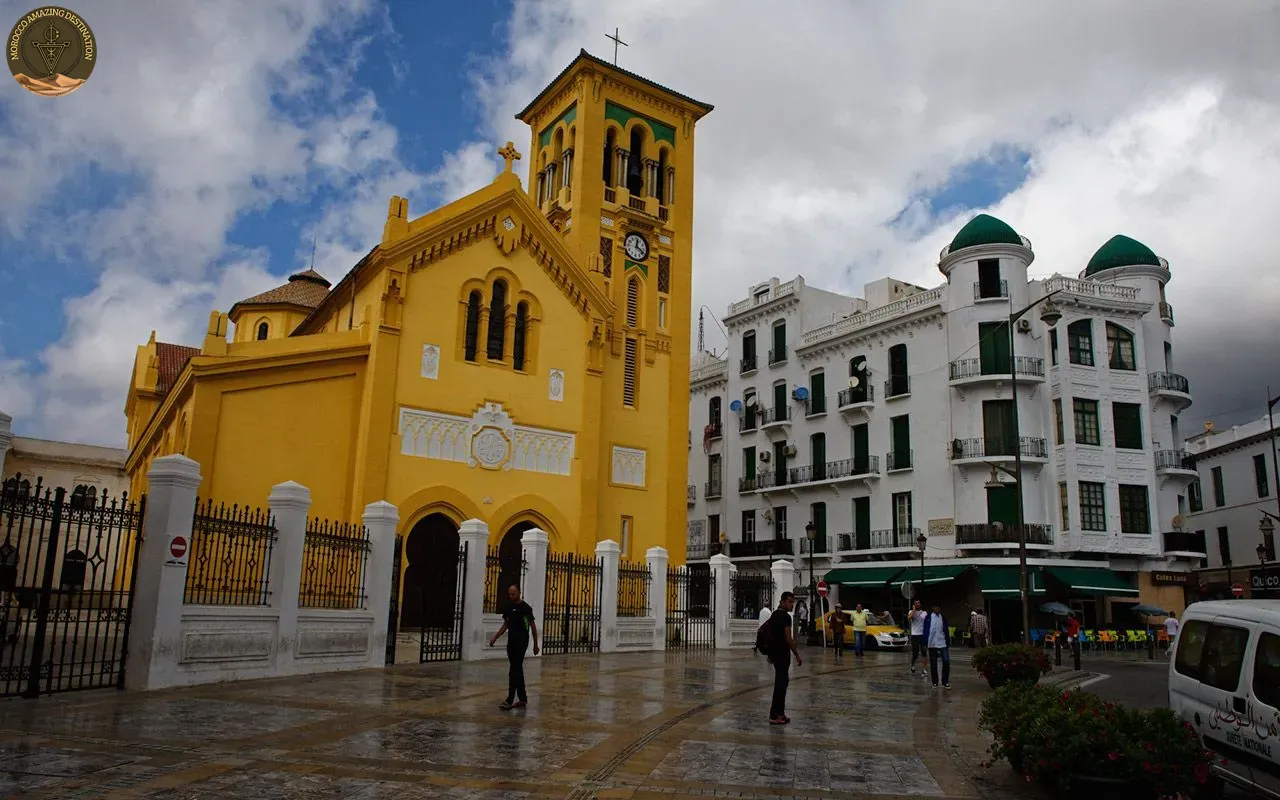
The Spanish protectorate made Tétouan its capital in the north, which explains the Spanish street names and the church on the main square. North of the medina, the Spanish built a grid of straight streets and an arcaded square that still fills with people in the evening.
The Jewish North That Shaped the Family
The David Guetta Moroccan heritage story starts here. The city was rebuilt by Andalusian refugees who crossed the strait after the Reconquista. The Sephardic Jews expelled from the Iberian peninsula in 1492 came with them.
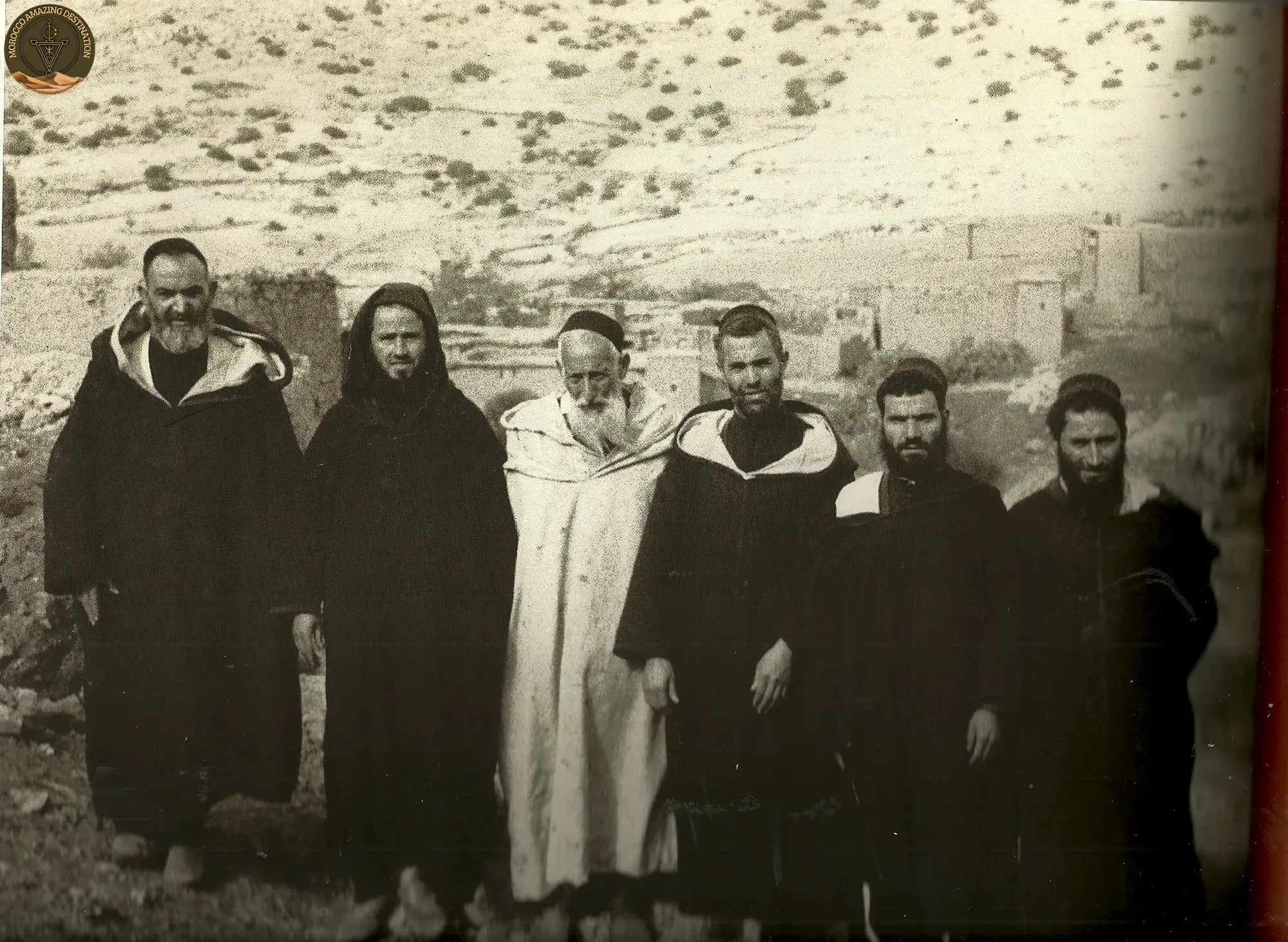
Tétouan became a centre of Moroccan Sephardic life, with a Jewish quarter of its own.
- The mellah: the Jewish quarter moved south of the medina under Sultan Slimane, and its lanes still run that way.
- Haketia: the Judeo-Spanish of northern Morocco, kept in songs and in household speech.
- The Bengualid synagogue: regular services ended in the 1960s, and the restored building opens as a museum on guided visits.
His father was Jewish and his mother Catholic. Nothing in the record says how the household marked either faith.
The Tanjia Pot and the Flag at Mawazine
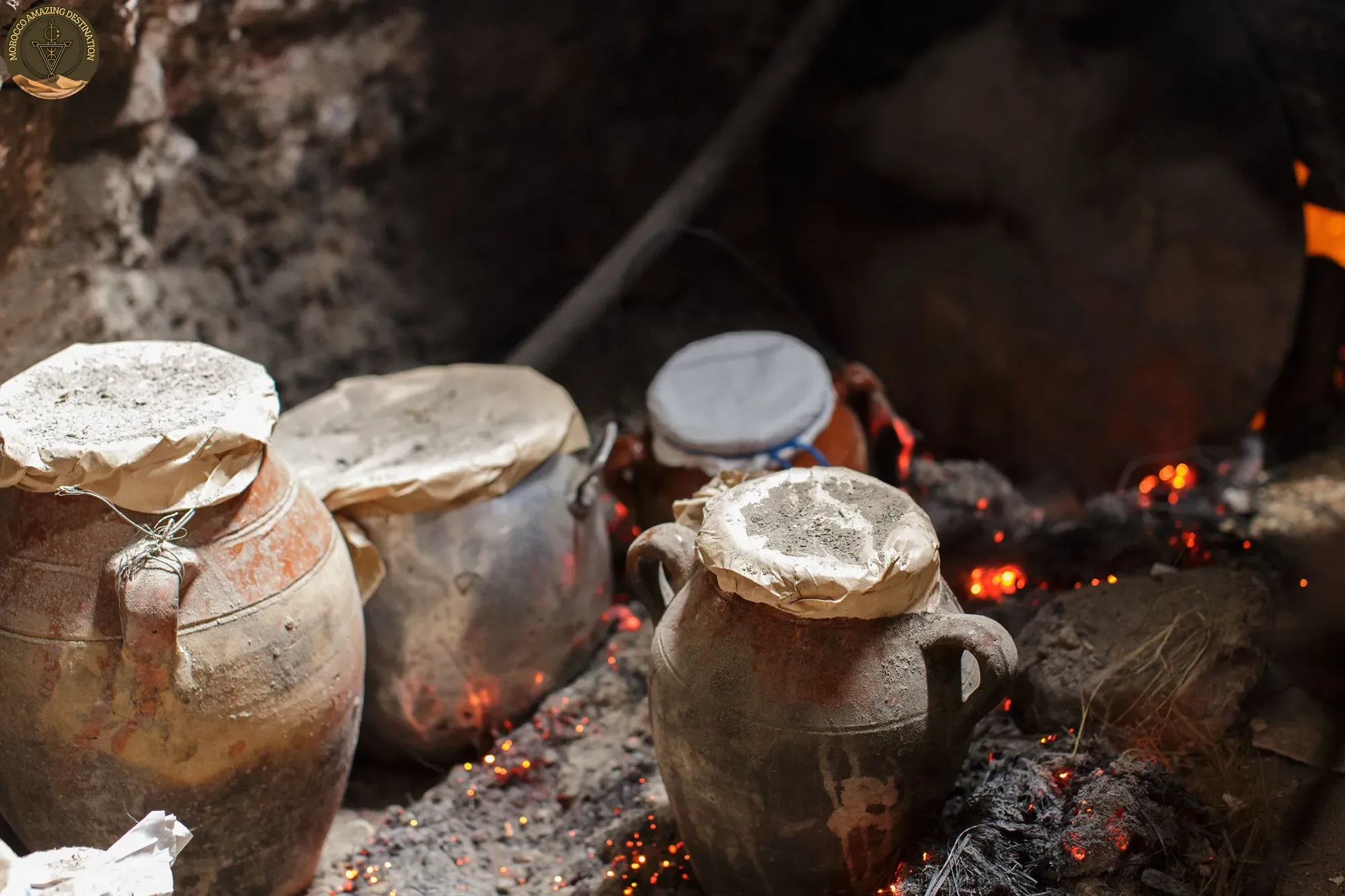
His father’s second career was restaurants. In Paris, father and son opened one called Tanjia, named after the Marrakech clay pot that cooks in the ashes of a hammam. Our guide to tanjia, the slow-cooked dish of Marrakech covers the method. The house speciality was lamb tanjia, ten hours and 25 spices.
He once told a business weekly that his father found 22 euros too much for a couscous. He himself ordered the chicken tagine with preserved lemon.
- Pacha Marrakech: he played the opening night of the club.
- Mawazine, Rabat: about 185,000 people, a record for a DJ at the festival.
- The return: back at the same festival, he told the crowd it had been a long time since he played Morocco.
For more stories like this, our guide to famous Moroccans you didn’t know opens with the Moroccans who changed your everyday life.
One Morning in Tétouan: Medina, Mellah, Feddan
Feddan square sets the tone: cafes under the arcades, a yellow church at one end, white Andalusian facades above the tables. The medina behind it is a UNESCO World Heritage site, and small enough to walk properly in a morning.
- Feddan square: the church, the arcades, and the first stretch of medina wall.
- The medina: a few main lanes, whitewash, and far fewer groups than Fez.
- The mellah: a short walk south, with the Bengualid synagogue open on guided visits.
Come early, while the cafes are still quiet and the light on the whitewash is at its best. Tétouan is 60 km from Tangier on the Chefchaouen road, which makes it an easy half-day. Our 8-Day Northern Tour: Imperial Cities and Desert from Tangier stops here. Coming from the other side, the 8 Days from Casablanca: Imperial Cities and Sahara covers the same northern cities.
We can customize a tour to match your needs - design your perfect itinerary
If you found this helpful, add us as your preferred source on Google.
Frequently Asked Questions
Is David Guetta Moroccan?
By descent, yes. He was born in Paris and is a French national, but his father, Pierre Guetta, came from a Jewish family in Tétouan, in northern Morocco.
Where in Morocco is David Guetta's family from?
Tétouan, about 60 km from Tangier. His father grew up in Morocco. The Casablanca version of the story comes from relatives who lived there, including a grandfather who ran a soap factory in the city.
Has David Guetta performed in Morocco?
Yes. He played the opening of Pacha Marrakech, drew about 185,000 people at Mawazine in Rabat while wrapped in a Moroccan flag, and returned to the same festival later.
Can you visit the Morocco his family came from?
Yes. Tétouan's medina is a UNESCO World Heritage site, and its mellah sits a short walk from Feddan square, with the Bengualid synagogue open to guided visits. The city is an easy stop between Tangier and Chefchaouen.
Ready for an Adventure?
Have questions? Feel free to contact us using the form below. We're here to help!