· Travel · 5 min read
Famous Moroccans: The People Who Changed Your Everyday Life
From Ibn Battuta's maps to the battery in your phone, meet the famous Moroccans whose work shaped everyday life around the world.
The battery in your phone, the map of Africa you studied at school, the flag planted on Antarctic ice: a Moroccan name sits behind each. The famous Moroccans in this guide earned their place through work that outlived them. Three threads connect them: map-makers who described a continent, scientists whose work ends up in your pocket, and champions who made a small country visible abroad.
Here is who they were, what their work still touches, and where you can walk the same streets they did.
The Map-Makers: How Morocco Shaped Europe’s Picture of Africa
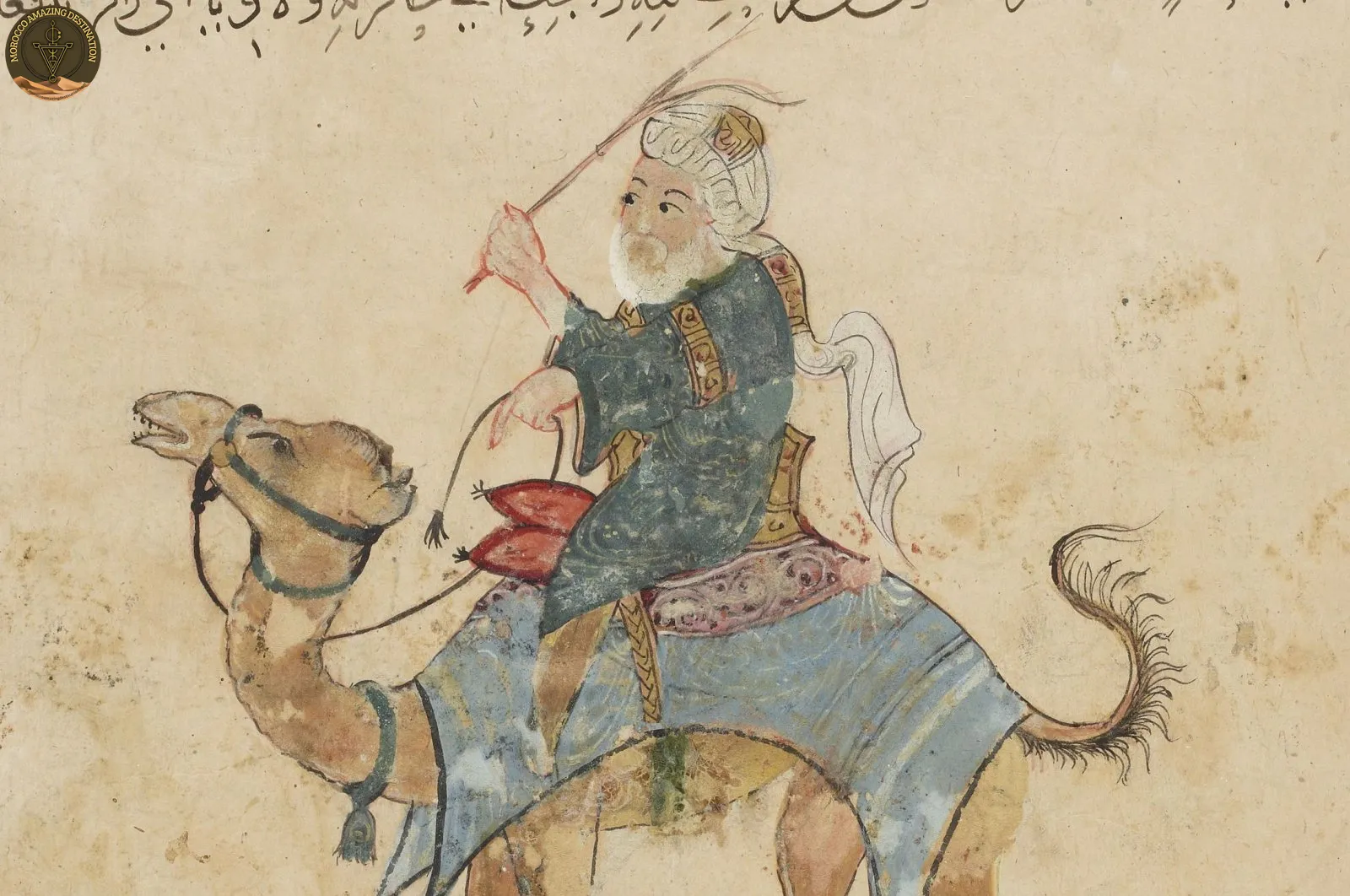
Ibn Battuta left Tangier at 21 for the pilgrimage to Mecca and kept moving for nearly 30 years. North and West Africa, the Middle East, Central Asia, India and China all appear in his account. Back home, he dictated the Rihla, the travel memoir that set the benchmark for pre-modern travel writing. His route ran close to five times Marco Polo’s mileage.
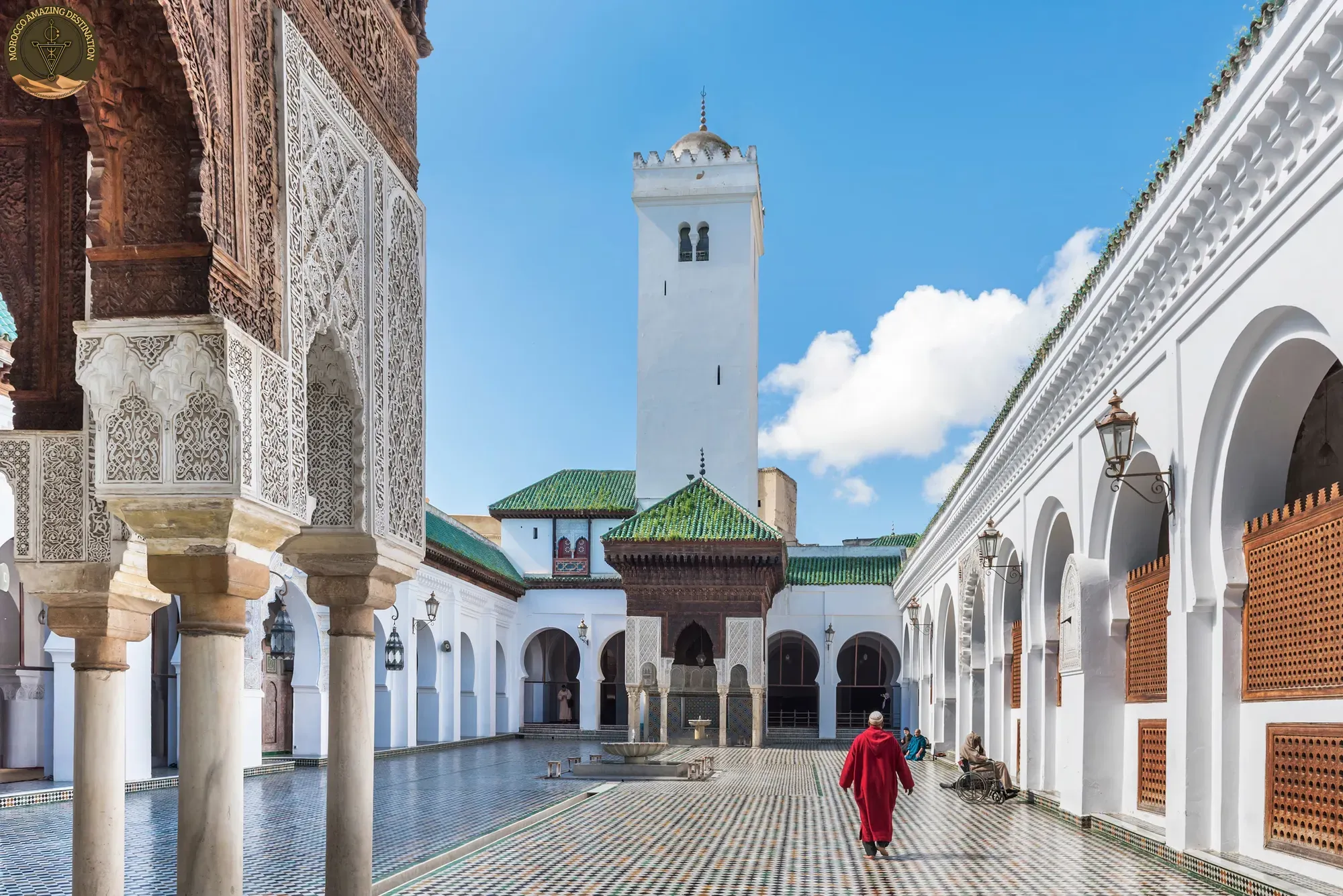
Leo Africanus was born in Granada, raised and educated in Fez, and studied at al-Qarawiyyin. He served the Sultan of Fez on missions that reached Timbuktu and Constantinople. Corsairs later captured him and presented him to Pope Leo X, who had him baptised. His Description of Africa came out in Italian in the 16th century and stayed the European reference on the continent for generations.
Those two Moroccan explorers put places on paper that few in Europe had seen:
- Timbuktu: Leo’s pages carried the Saharan trade city into European libraries.
- The Niger and the gold roads: their course and the caravans around them arrived in print.
- A model for fiction: some historians believe Othello draws on Leo’s portrait of the Moor.
The Scientist from Fes Whose Work Sits Inside Your Phone
Rachid Yazami was born in Fez and built his career in Grenoble, where he was the first to show that lithium could move reversibly into graphite through a polymer electrolyte. That result gave the industry its graphite anode. From there, the rechargeable lithium-ion cell became practical. He later moved to fluoride-ion battery research.
Most Moroccan inventors stay invisible in the objects they shaped. Here is what his work touches:
- Your phone: the cell that holds a charge overnight runs on the chemistry he proved out.
- Laptops and e-bikes: same design, same debt to that graphite anode.
- Electric cars: the shift away from petrol depends on cells built this way.
The Astronomer Who Took Morocco’s Flag to Antarctica
Merieme Chadid was born in Casablanca and took a doctorate on pulsating stars, the variable stars whose data astronomers use to measure the universe. She has led international polar programmes and campaigned for an observatory in the Antarctic interior.
Polar astronomy means months of cold and instruments that have to work without a repair shop nearby. Telescopes there also see skies no desert site can match, because the air above the ice is thin, dry and still. Chadid became the first Moroccan and the first French woman astronomer to reach the heart of Antarctica. Once there, she raised the Moroccan flag.
The Stadium and the Studio: Carrying Morocco Abroad
Nawal El Moutawakel, born in Casablanca, won the first Olympic women’s 400m hurdles ever staged, at the Los Angeles Olympics, in 54.61 seconds. That made her the first Moroccan, Arab, African and Muslim woman to win Olympic gold. She later served as Minister of Youth and Sports and as a vice-president of the IOC.
Hicham El Guerrouj came from Berkane, in the foothills of the Atlas, and set a 1500m world record of 3:26.00 that still stands. His mile record of 3:43.13 held for 27 years before it finally fell. He also won Olympic gold over both 1500m and 5000m, the first man to manage that double since Paavo Nurmi.
The notable Moroccans in music carry the country abroad another way. RedOne, born Nadir Khayat in Tétouan, has three Grammys and wrote the hooks behind Just Dance and Poker Face. Named the industry’s number-one producer one year, he now works as a creative entertainment executive in world football.
Retracing Their Footsteps: Tangier, Fes and Casablanca
None of these people need a museum to be found. Their cities still carry them, and a guide who grew up there can show you where the stories start.
Where to begin in each city:
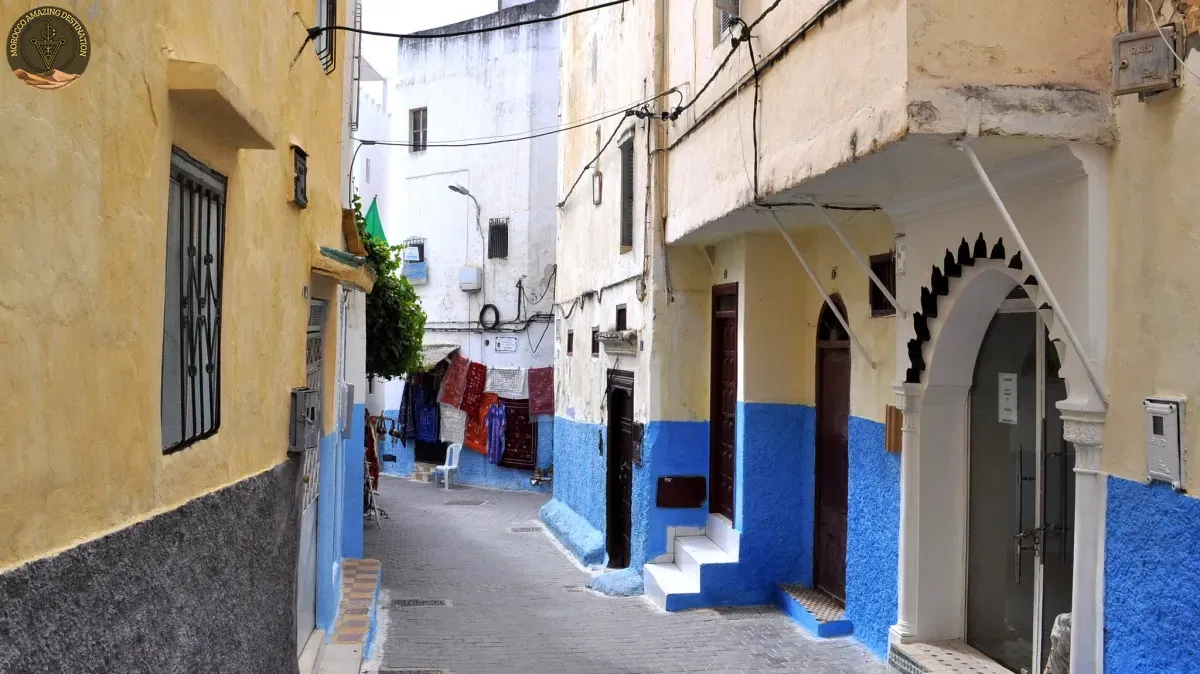
- Tangier: the medina Ibn Battuta left at 21, on his way to Mecca.
- Fes: al-Qarawiyyin, where Leo Africanus studied, and the city that produced Yazami.
- Casablanca: home city of Chadid and El Moutawakel.
- Rabat: the stadium, and the ministry where El Moutawakel later worked.
Our guide to what Morocco is famous for covers the places and food that draw people here. This piece covers the people who left.
Hassan, our Expert Cultural Guide, knows these streets in a way no audio guide does. Hamid runs the adventure side of a trip, and Andrea keeps the logistics quiet so nothing interrupts a day. More than 120 travellers have rated the trips 4.9 out of 5.
The 15-Day Grand Cultural Tour from Tangier starts in Ibn Battuta’s home city and works south. For a shorter route, the 9-Day Morocco Tour from Fez to Tangier links Fes with the north.
We can customize a tour to match your needs - design your perfect itinerary
If you found this helpful, add us as your preferred source on Google.
Frequently Asked Questions
Who is the most famous Moroccan in history?
Ibn Battuta is the strongest candidate. The traveller from Tangier spent nearly 30 years crossing North and West Africa, the Middle East, Central Asia, India and China, then dictated the Rihla.
Which Moroccan invention is inside everyday objects?
The graphite anode in rechargeable lithium-ion cells. Rachid Yazami showed at Grenoble that lithium could move reversibly into graphite, which made commercial cells workable. It sits in phones, laptops, e-bikes and electric cars.
Who was the first Moroccan woman to win Olympic gold?
Nawal El Moutawakel, who won the first Olympic women's 400m hurdles ever staged, at the Los Angeles Olympics, in 54.61 seconds. No Moroccan, Arab, African or Muslim woman had won Olympic gold before her.
Are there Moroccan scientists working today?
Yes. Merieme Chadid, born in Casablanca, studies pulsating stars and has led polar astronomy programmes in Antarctica. Rachid Yazami continues research on fluoride-ion batteries.
Ready for an Adventure?
Have questions? Feel free to contact us using the form below. We're here to help!