
· Food · 5 min read
Best Tagine in Marrakech: Where to Eat It Like a Local
Find the best tagine in Marrakech: tagine types, medina and Gueliz neighbourhoods, tanjia, and how to spot a freshly cooked, authentic pot.
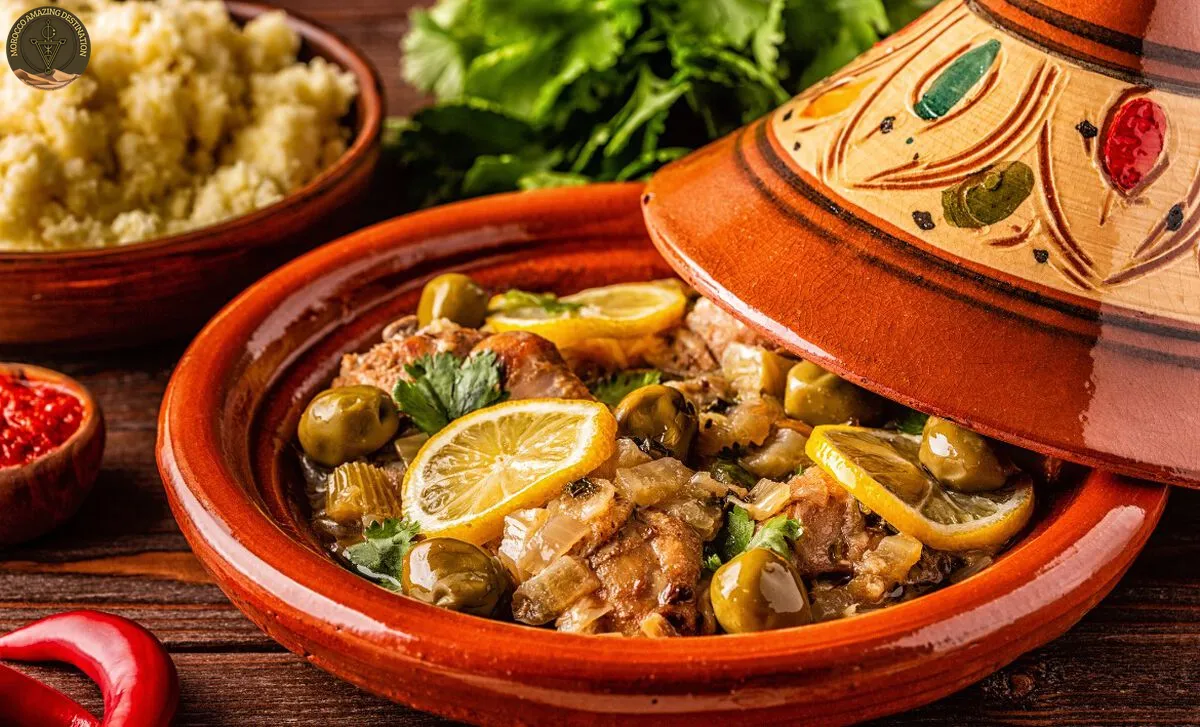
Steam lifts from a conical clay lid, cinnamon and cumin drift along a medina alley, and the bread arrives still warm. The best tagine in Marrakech is rarely the dish printed on a laminated tourist menu — it is a fresh clay pot, cooked to order over charcoal or wood the same day. In one line: the best tagine in Marrakech is a slowly simmered stew served in its own conical pot, ordered at lunch, from a kitchen that cooked it today.
In this guide, we will break down what makes a real Marrakech tagine, the types worth ordering, where to eat tagine in Marrakech like a local, including the city’s own tanjia, and how to judge a good pot before you sit down.
What Makes a Real Marrakech Tagine
A tagine is two things at once: a wide clay pot with a conical lid, and the slow-cooked stew made inside it. The lid traps steam, which rises, condenses and falls back over the food, so everything cooks in its own juices with little or no added liquid.
The cone matters more than it looks. It creates a cooler zone where steam gathers, then drips back into the stew, seasoning it gradually instead of boiling it dry.
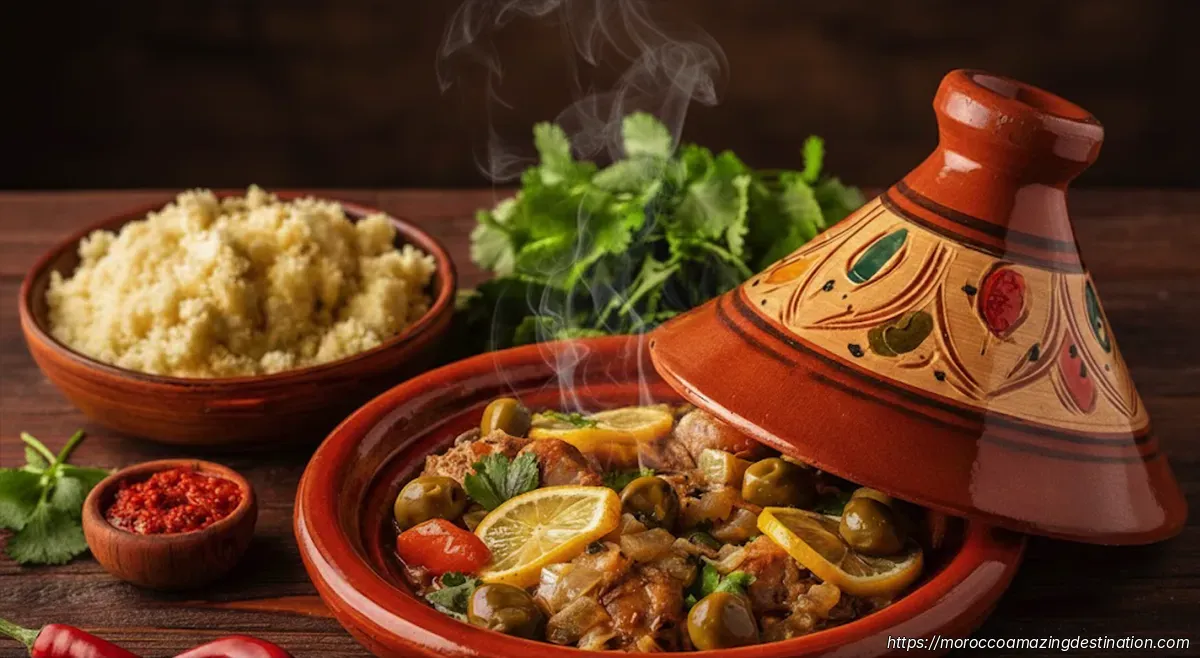
The technique comes from Amazigh (Berber) cooking, where meat, vegetables and spices simmered over an open fire in unglazed earthenware. In Marrakech the same method carries the scent of ras el hanout, the warm spice blend that gives the dish its depth.
You eat tagine with khobz, the round Moroccan bread, torn with the right hand and used to scoop. No cutlery required, and none expected. A proper pot needs forty minutes to two hours on the fire, which is why a good one never lands on your table minutes after you order.
Tagine by Type: What to Order in Marrakech
Menus in Marrakech look alike, but the tagine family is wide. Knowing the main types tells you a lot about how a kitchen cooks.
- Chicken with preserved lemon and olives: the classic, tangy and gentle, and the safest first tagine.
- Lamb with prunes and toasted almonds: mrouzia, sweet-savoury and slow, often reserved for celebrations.
- Kefta with egg: spiced meatballs cracked with an egg that sets in the sauce.
- Berber vegetable tagine: seasonal produce and chickpeas, genuinely vegetarian-friendly.
- Fish tagine: a coastal favourite from Essaouira and Agadir, usually cooked with chermoula.
Marrakech has its own cousin to all of these: tanjia. Butchers pack lamb, garlic, cumin, saffron and preserved lemon into a narrow clay urn, seal it, and send it to cook for hours in the embers and residual heat of the local hammam. You eat it at butcher-side stalls, spooned straight from the urn.
Where Locals Eat: Medina Rooftops, Gueliz and Street Food
For tagine in the Marrakech medina, think neighbourhood rather than ranking. Small family kitchens tucked behind the souks cook short menus that change with the morning market, while riad rooftops turn a simple lunch into a view over the city’s clay roofs.
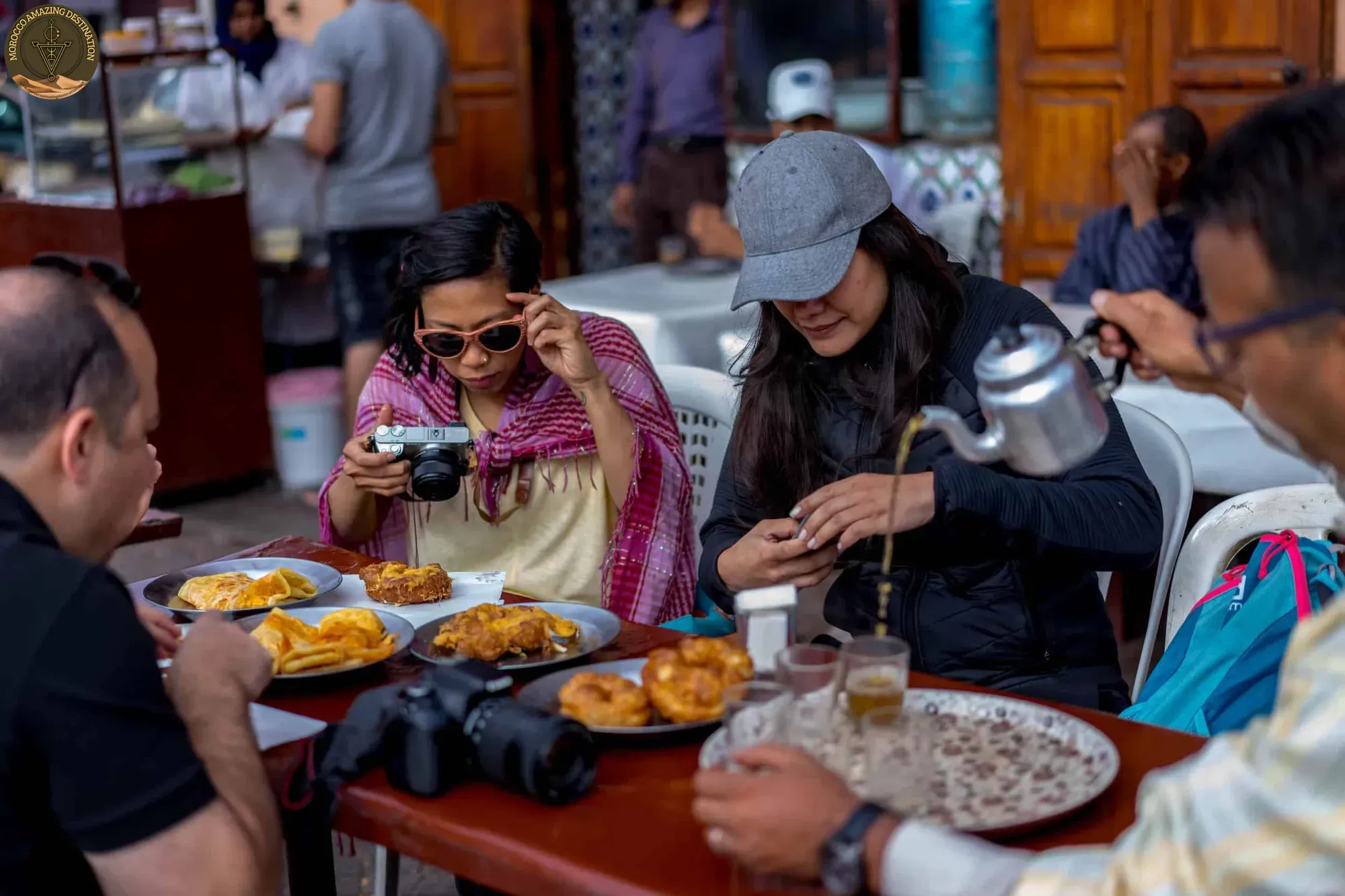
Where to look, depending on your mood:
- Rahba Kédima (Place des Épices): spice-square tables, ideal for a break between souk browsing.
- Medina riad rooftops: quieter lunches, usually with only one or two tagines cooked that day.
- Gueliz: the modern city, with contemporary Moroccan tables and a wine list.
- Jemaa el-Fna: charcoal stalls for grilled skewers and street-food energy after dark.
- Butcher-side tanjia stalls: Marrakech’s own urn-cooked dish, sold by the portion.
Friday changes the rhythm. Many kitchens serve couscous at lunch only on Friday, the traditional post-prayer meal. If you want tagine instead, ask what was cooked today — the answer tells you a great deal.
How to Judge a Tagine Restaurant (and Skip Tourist Traps)
You can read a kitchen before the food arrives. These signals separate a real pot from batch cooking.
- Fresh cooking beats reheating: a pot that bubbles when it lands, after a genuine wait.
- A short menu: a handful of dishes built on the day’s market beats a printed book of thirty.
- Ask what is fresh today: a specific answer about the morning’s meat or vegetables is a good sign.
- Time it right: lunch is the reliable tagine window; dinner pots are often held and rewarmed.
- Order the ritual: share the pot, eat with the right hand, and use khobz instead of a fork.
A suspiciously fast tagine is the clearest warning sign in Marrakech. So is a menu that covers tagine, pizza and sushi in four languages.
Vegetarian requests are normal here. Say you would like it without meat and most kitchens will cook a vegetable tagine to order. Prices shift with the neighbourhood and the setting: a simple medina pot is inexpensive, while a polished Gueliz table costs noticeably more.
Eat the Real Marrakech on a Private Tour
Food is the fastest way into a city, and Marrakech rewards travellers who eat where locals eat. A private tour lets you time meals around market hours and prayer times, so you sit down when the kitchen is at its best.
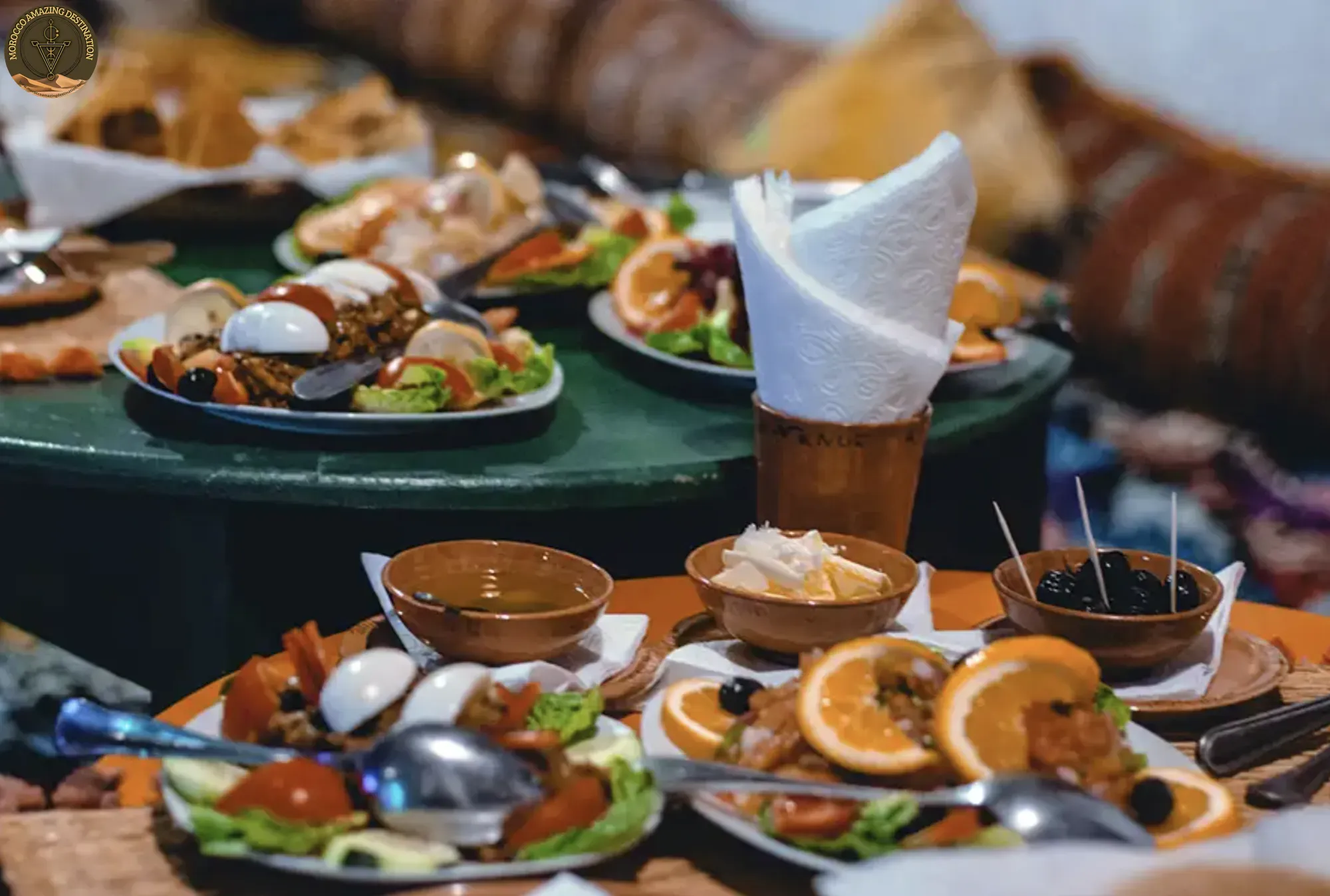
Our local team — Hassan, Hamid and Andrea — handles the details that make a food day work: translating with the kitchen, confirming a vegetarian pot, and steering you past menus written only for visitors. More than 120 guests have rated our trips 4.9, and the meals come up again and again. We also hand-pick the riads you return to, so the day ends somewhere calm.
Our 4-day Morocco desert tour from Marrakech opens with the medina and then crosses the High Atlas to Merzouga. With more time, the 10-day Morocco tour from Marrakech pairs Marrakech food with Fes, Chefchaouen and the desert.
We can customize a tour to match your needs — design your perfect itinerary
If you found this helpful, add us as your preferred source on Google.
Frequently Asked Questions
What is the best tagine in Marrakech?
The best tagine in Marrakech is a pot cooked to order in its own clay vessel, usually chicken with preserved lemon and olives, or lamb with prunes and almonds. Look for a short menu, charcoal or wood heat, and a lid that is still bubbling when it reaches the table.
Where should I eat tagine in Marrakech?
Start in the medina, where small family kitchens and riad rooftops near the souks serve short daily menus, then try the spice square of Rahba Kédima. Gueliz offers more modern tables, while the charcoal stalls around Jemaa el-Fna are best for street-food atmosphere. Lunch is the most reliable window.
What is tanjia and how does it differ from tagine?
Tanjia is Marrakech's own slow-cooked dish, made in a narrow clay urn instead of a wide conical pot. Butchers seal lamb, garlic, cumin and preserved lemon inside, then the urn cooks for hours in the embers and residual heat of the hammam. The result is deeper and more concentrated than a classic tagine.
Is tagine vegetarian-friendly in Marrakech?
Yes. The Berber vegetable tagine is built on seasonal produce, chickpeas and olive oil, and most kitchens will cook one to order if you ask for it without meat. Mention any dietary needs when you book, and ask what is fresh that day.
Ready for an Adventure?
Have questions? Feel free to contact us using the form below. We're here to help!