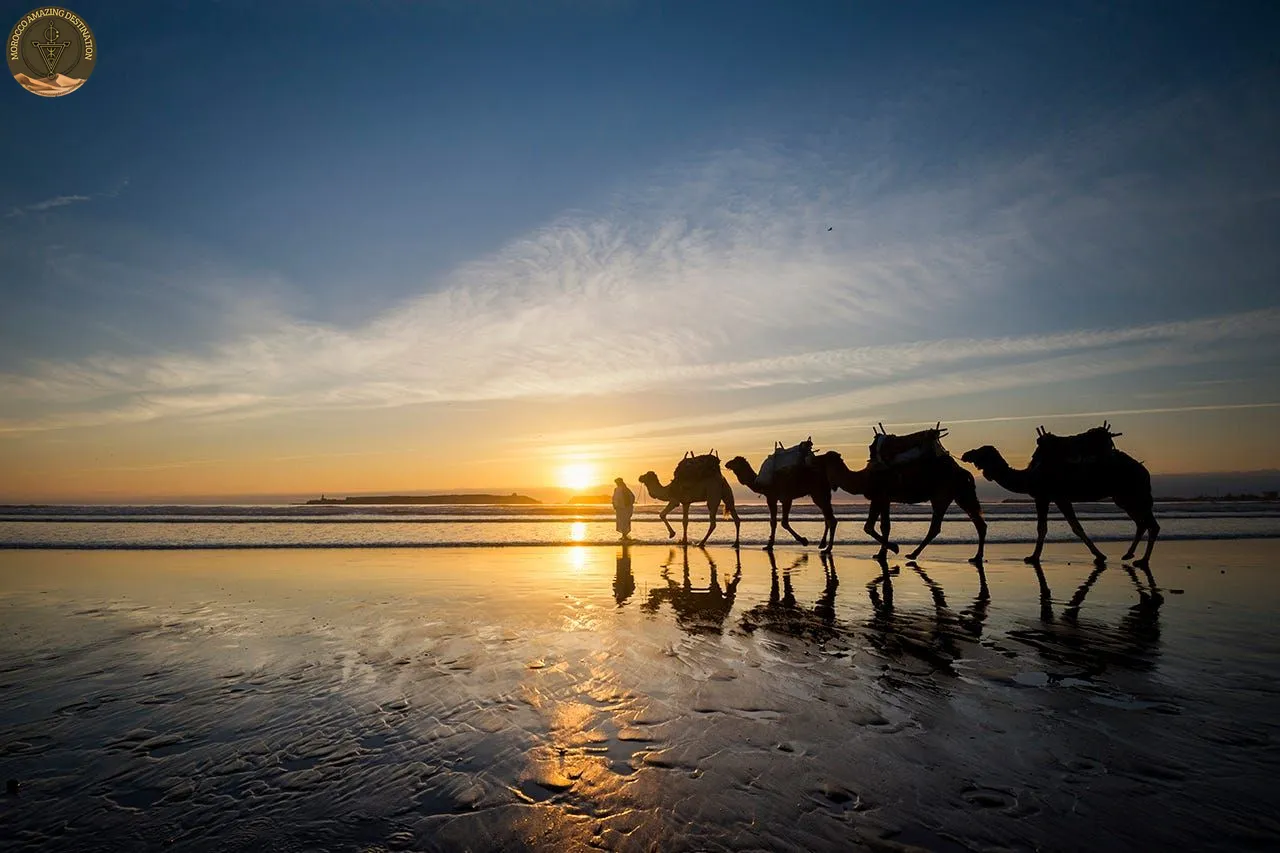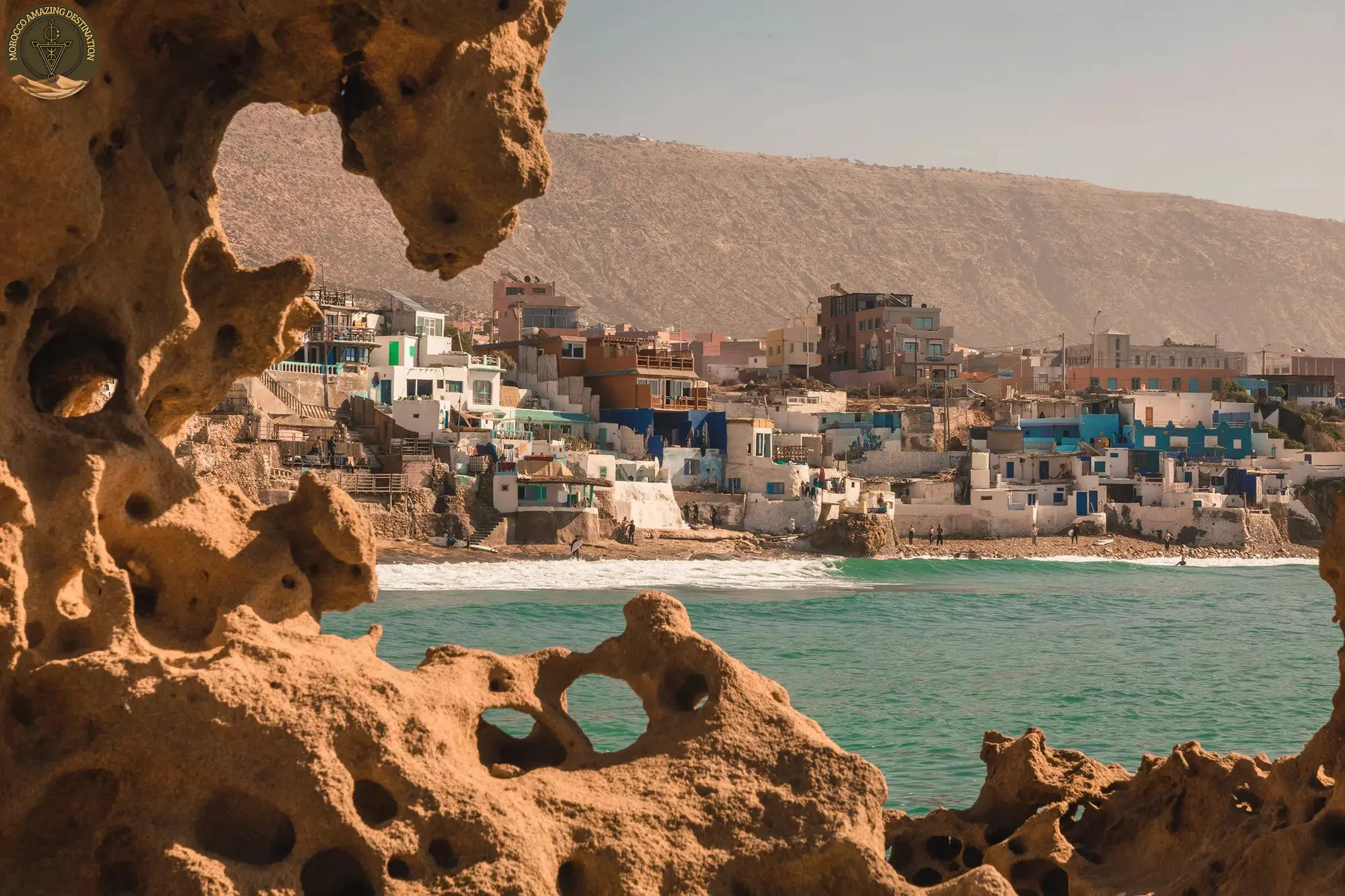
A diabat day trip from essaouira is the easiest escape you can make without leaving the coast - no highway, no long drive, just dunes and Atlantic light a few minutes beyond the ramparts. In the time it takes to finish a mint tea you can be walking the vast, wind-shaped diabat beach, photographing the lonely tower of borj el baroud at low tide, exploring the half-buried Dar Sultan palace in the dunes, and hearing the enduring jimi hendrix diabat story over coffee. If you read our overview of day trips from Essaouira, you saw Diabat mentioned only in passing; this is the dedicated deep dive for the closest beach of all - about 4–5 km south, versus Imsouane’s 95–100 km surf village trek.
Whether you want a slow morning walk, a horseback canter at sunset or a quick quad blast through dunes and forest, this day trip from essaouira to diabat works as a half-day breather or a full lazy beach day with almost no logistics.
Why Diabat Beach Is Worth the Short Hop
- The closest wild beach to the medina: While Sidi Kaouki is around 20 km away and Imsouane is a 1.5-hour drive south, Diabat is practically next door. You can be on the sand in minutes and be back for lunch in the medina if you like.
- Big, empty Atlantic horizon: No beach clubs, no rows of loungers - just wide sand, low dunes, the mouth of the Oued Ksob and wind. It feels remote even though the medina is still in sight on a clear day.
- Photogenic ruins in two flavors: The island watchtower offshore and the dune-swallowed palace on land give you history without a museum queue.
- Easy active options: Horse, camel and quad operators are based right in Diabat village, so you can add a ride without booking a full-day excursion elsewhere.
What You’ll Find: Dunes, Dar Sultan and Borj El Baroud
Dar Sultan Palace - The House in the Sand
Just before you reach the village, low ochre walls rise half-buried among tamarisk-pinned dunes. This is Dar Sultan, also called Dar Soltane, commissioned as a rural palace for Sultan Sidi Mohammed ben Abdallah and later used by his successors. European-inspired details such as tall Dutch-style windows hint at the sultan’s contacts with the coast, but the building was never a fortress - more a seasonal retreat linked to the nearby estuary.
Today the palace is a fragile, roofless ruin slowly being swallowed by sand. There is no ticket or formal opening - you park by the small dirt lot and walk in - and local heritage reports have mentioned plans for future restoration, though for now you should keep well back from unstable walls. It is a short, atmospheric stop on the way to the beach and a favorite for photographers, especially in the soft light of late afternoon.
Borj El Baroud - The Island Tower
Off the southern stretch of diabat beach a solitary square tower stands on a rocky islet - borj el baroud, sometimes written Bordj El Berod and nicknamed the Portuguese Castle though it is not Portuguese at all. It was built as a coastal watchtower and powder store under Sultan Sidi Mohammed ben Abdallah on top of an older foundation, and later collapsed in a great flood, leaving the stone shell you see today.
The key detail for visitors: the islet is cut off at high tide. You can only approach the tower at low tide, walking over damp sand and barnacled rock exposed for a few hours around the tide’s lowest point. Check a local tide chart the evening before, wear closed shoes, and treat the ruin as unstable - admire from the sand rather than climbing. On windy days spray can soak you even when you can walk out, and the light is most photogenic an hour or two after low tide when pools mirror the walls.
Around the tower the beach stays beautifully undeveloped. There are no umbrellas for rent, no cafés and no shade - bring water, sunscreen and a hat, and plan to carry out everything you bring in.
The Hendrix Legend in Diabat
No place in Morocco leans into a rock-and-roll myth quite like Diabat. The story goes that Jimi Hendrix lived in a small house here and wrote Castles Made of Sand about the ruined palace sinking into the dunes. The village plays along with the jimi hendrix diabat café, painted walls and souvenir art, and you will hear the tale from almost any guide.
The documented facts are more modest and more interesting: Hendrix did visit Essaouira and the Diabat area for a short stay not long before his celebrated festival appearance, and he was photographed in the region. The song in question, however, was released two years before his visit - recorded in London well before he ever reached the Atlantic coast - so it cannot have been written in Diabat. That timeline mismatch is widely noted by music historians, but the legend endures because it fits the place so neatly: sand, ruins, wind.
Take the café for what it is - a simple, friendly stop for tea, fresh juice or a light tagine after the beach, not a historic house - and enjoy the story as part of Diabat’s modern folklore rather than literal history. It is a fun, low-key cultural layer on an otherwise nature-focused outing.
Things to Do on a Diabat Beach Day
- Beach walk medina to Diabat: The classic low-tide walk starts near Bab Sbaa, follows Essaouira’s long beach south, crosses the Oued Ksob riverbed and continues over dunes and a stone track to tarmac and the village. The beach-to-village track is about 1.5 km, the whole walk roughly 4–5 km and often around an hour each way - tide-dependent. After rain or at high tide the oued can be impassable; if the water is flowing, turn back and take a taxi instead.
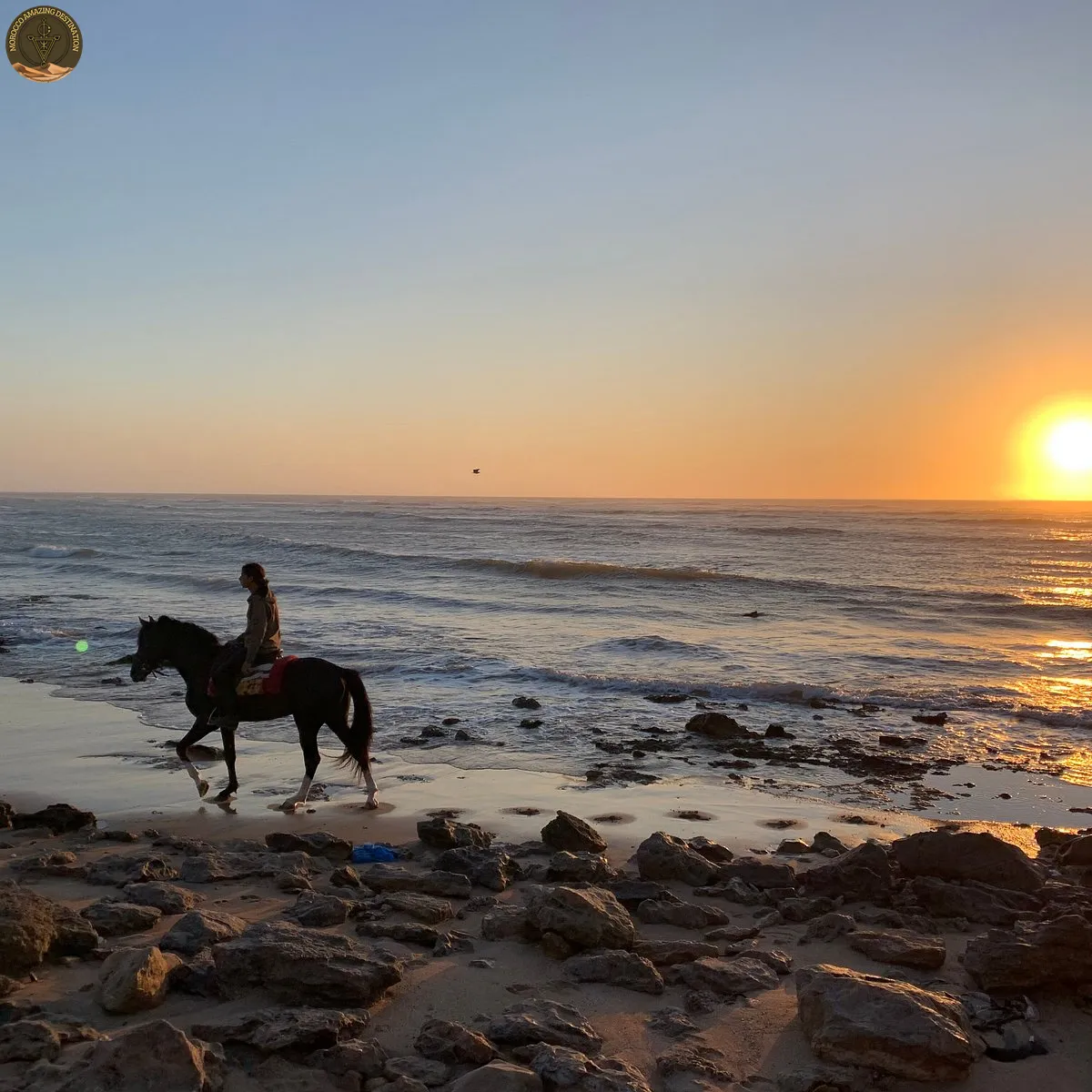
- Horseback and camel rides: Diabat’s stables offer rides from one hour to half-day along the beach, through dunes and toward Cap Sim. Expect around the mid-30s in euros for a two-hour beginner-friendly beach ride, with helmets and a guide included - prices are seasonal and negotiable, so confirm on arrival. Horses are used to wind and soft sand; even first-timers are welcome.
- Quad biking: Local operators such as Ranch de Diabat run guided quad tours from one to several hours over beach, dunes and eucalyptus forest, often with a helmet and safety briefing. The shortest loops stay near Diabat and Cap Sim; longer routes push toward the forest and coastal tracks. Stay on marked tracks and avoid driving a normal car onto the beach - soft sand traps even experienced drivers.
- Surf and wind: The Diabat shore break can be stronger and less sheltered than Essaouira bay, with a wild beach break that suits intermediate surfers when conditions line up. There are no surf schools stationed directly on Diabat beach itself - Essaouira’s schools may transfer you here when it works - so beginners are usually happier in Essaouira bay while confident surfers enjoy the extra space here.
- Photography and sunset: Dunes, ruin silhouettes, horse silhouettes and the island tower give you sunset shots with no crowds. Late afternoon light is kindest and the wind often eases a little before dusk.
Getting There: Taxi, Walk or Wheels
- Petit taxi: The fastest option. Petit taxis seat up to three passengers and queue at Bab Sbaa, Bab Doukkala and Place Moulay Hassan. The medina–Diabat run is often reported as a fixed fare of around 30 DH, versus a shorter in-town ride - treat that figure as a widely reported fixed price and confirm before you set off, as meters and practices vary. Few taxis wait in Diabat for the return, so agree a pickup time or be ready to wait.
- Walking: Only at low tide and with tide times checked. The route is flat and scenic but fully exposed - no shade, no water points. Bring more water than you think you need and sun protection.
- Bicycle: About 15–20 minutes each way on mostly flat road, easy to combine with a beach stroll. Rental bikes are available in Essaouira medina.
- Car: Around 5–10 minutes via the coastal road south. There is informal parking by Dar Sultan and in the village. Do not attempt to drive onto the soft beach sand - the warning applies to rental cars especially - walk the last stretch instead.
- No tourist bus: There is no direct shuttle or tourist bus to Diabat; walking, cycling or taxi covers it.
Distance and drive time vary a little by your exact starting point in the medina - hedge around 4–5 km and 5–10 minutes by car as a practical estimate.
Sample Half-Day Itinerary
Low-tide morning loop (about 4 hours, easy pace):
- 09:00 - Medina departure. Petit taxi or low-tide beach walk south. If walking, start 30 minutes either side of low tide for the oued crossing.
- 09:30 - Dar Sultan pause. Short stop among the dunes to view the half-buried palace walls. Keep distance, photos from the sand.
- 10:00 - Borj El Baroud viewpoint. Walk the tide-exposed sand toward the islet if tide is low, or admire from the beach if water still surrounds it. Mirror pools and soft morning light are best for photos.
- 10:45 - Beach time or ride. Choose a one- to two-hour horseback or quad ride, or simply walk the wild beach south toward Cap Sim and back.
- 12:30 - Tea in the village. Stop at the Jimi Hendrix Café or head back toward Essaouira for lunch. Beach & Friends and the Sofitel beach bars sit near the Diabat end of Essaouira beach if you want a seaside drink on the return leg.
- 13:00 - Return. Taxi back or walk north with the wind at your back, aiming to cross the oued well before the tide rises.
Full-day slow version: Add a longer two-hour horse ride, a picnic (carry in, carry out), more photography and a sunset return. In warmer months an afternoon departure with sunset on the dunes is especially pleasant.
When to Go and Practical Tips
- Seasons: Essaouira’s maritime climate is mild year-round - pleasant for walking even outside the busiest months - with wind strongest in the peak summer season and most balanced in early autumn and spring. Winter days can be crisp with occasional rain, so bring a layer. Diabat is good any month, most comfortable for walking and riding when wind is lighter.
- What to bring: Water, hat, sunscreen and lip balm, light wind layer, sunglasses, closed shoes for rocks and ruins, sandals for sand, cash in dirhams, phone with offline tide chart. There are no shops directly on the beach.
- Facilities: Expect no toilets, shade or water on diabat beach itself. Village facilities are minimal - the Hendrix Café is modest and can have waits - and beach bars near the Essaouira end are the closest spots for a more comfortable sit-down.
- Safety: No shade means fast dehydration - drink regularly. Soft sand driving advice is serious: ordinary rental cars get stuck quickly; stay on tarmac and walk. Keep children and your footing well back from palace walls and the Borj rocks. Wind and sun are the main hazards rather than anything dramatic.
- Etiquette: Diabat is a small, quiet Berber village. Swimwear is fine on the sand, but cover shoulders and knees in the lanes and cafés. Ask before photographing people or stables up close.
Is a Diabat Day Trip from Essaouira Worth It?
If Imsouane is the big surf-road-trip day (nearly a hundred kilometres and a full day’s commitment), a diabat day trip from essaouira is the opposite - the smallest possible effort for a real change of scenery. You get a wild Atlantic beach, two atmospheric ruins, a touch of pop-culture folklore and the option of horse or quad adventure, all within a taxi ride or an hour’s walk of your riad. It is ideal as a half-day reset between medina wandering, or as a sunset add-on to a longer Cap Sim or Sidi Kaouki loop.
If this short coastal escape leaves you wanting more Atlantic time, build it into a longer circuit. The 8-Day Morocco Tour: Marrakech, Sahara Desert & Essaouira Adventure links Marrakech’s souks, the Atlas gorges and the dunes of Merzouga with two unhurried nights in Essaouira - perfect for adding a Diabat morning between medina walks. The 9 Days Morocco Tour from Marrakesh gives you even more breathing room, with extra Sahara and Erfoud heritage plus relaxed time on the Essaouira coast for beaches, galleries and fresh seafood.
We can customize a tour to match your needs - design your perfect itinerary