
· Travel · 6 min read
Fishing Villages in Morocco: A Working Harbour Guide
A working morning on Morocco's fishing harbour quays: night boats, ice, sardines and the sale, and how to watch without getting in the way.
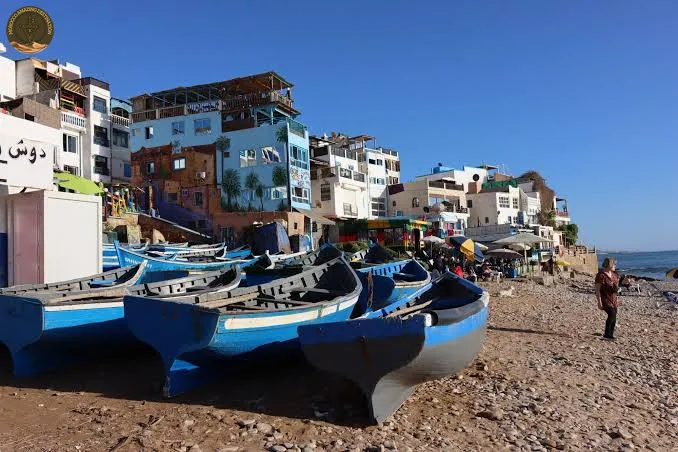
Sardine boats leave the quay in the evening and come back before the town has opened its shutters. That single fact explains why the harbours of the fishing villages in Morocco look empty at noon and crowded at eight in the morning, and why so many visitors photograph a deserted port and decide that nothing happens there.
This guide follows one working morning from the night boats to the sale, then the coast from the walled harbours to the southern fleets, one lagoon aside. Two harbours sit inside old walls, three smaller fleets work the southern coast, and a single lagoon farms oysters.
How a Working Harbour Morning Runs
Crates come first, then ice, then the sale. In Moroccan fishing ports the order rarely changes. Night boats come alongside before the town is awake, crates go up by hand or by crane, and ice is poured over the catch. The fish is sorted by species and size, on the quay or on the floor of the hall.
The buyers are the part most visitors miss:
- Wholesalers buy in volume and move fish on to other markets.
- Restaurant cooks and stall holders buy smaller lots from the same boxes.
- Truck drivers load for inland towns before the heat arrives.
Nobody publishes a start time. Essaouira is busiest from roughly eight to ten and winds down by mid-morning, though some sources put the sale nearer eleven. Treat the window as morning, earlier rather than later.
A fish hall packs a sales floor, cold room and ice factory into one compound, so the sale can run indoors while crates come off the deck. The national network runs to about 76 markets, roughly 45 serving fishing villages and landing points. What you see is a first sale at landing. The fish in a medina has already passed through more hands.
The Sardine Fleet: Boats, Lamps and the Night Shift
The Canary Current and the prevailing northerly wind pull cold, nutrient-rich water up along roughly 3,500 km of Atlantic shoreline, one of the world’s four great upwelling systems. The plankton blooms, the sardines gather to feed, and the boats follow. Landings in a recent year came to about 1.55 million tonnes, close to 990,000 tonnes of it sardines and about 267,000 tonnes mackerel. Morocco is the world’s largest exporter of canned sardines.
Sardine fishing in Morocco is a night trade. The boats are purse seiners working with lamps: lights hang over the water, the school gathers, the net closes around it. Crews leave in the evening and land through the following morning, which is why the quays are busy at dawn and quiet after lunch.
Traditional fishing boats in Morocco come in layers:
- Beach-launched barques work the shallows with small crews.
- Wooden longliners, the palangriers, are built to take a swell.
- Steel trawlers fish the same water at a different scale.
Counts shift with the season. The port fact sheet for Essaouira lists around 400 barques, 45 trawlers and a handful of sardiniers that rises to as many as 80 during the anchovy season. Some years bring closures on the sardine fishery, and winter swell keeps the small boats ashore.
Essaouira and Asilah: Two Harbours Inside Old Walls
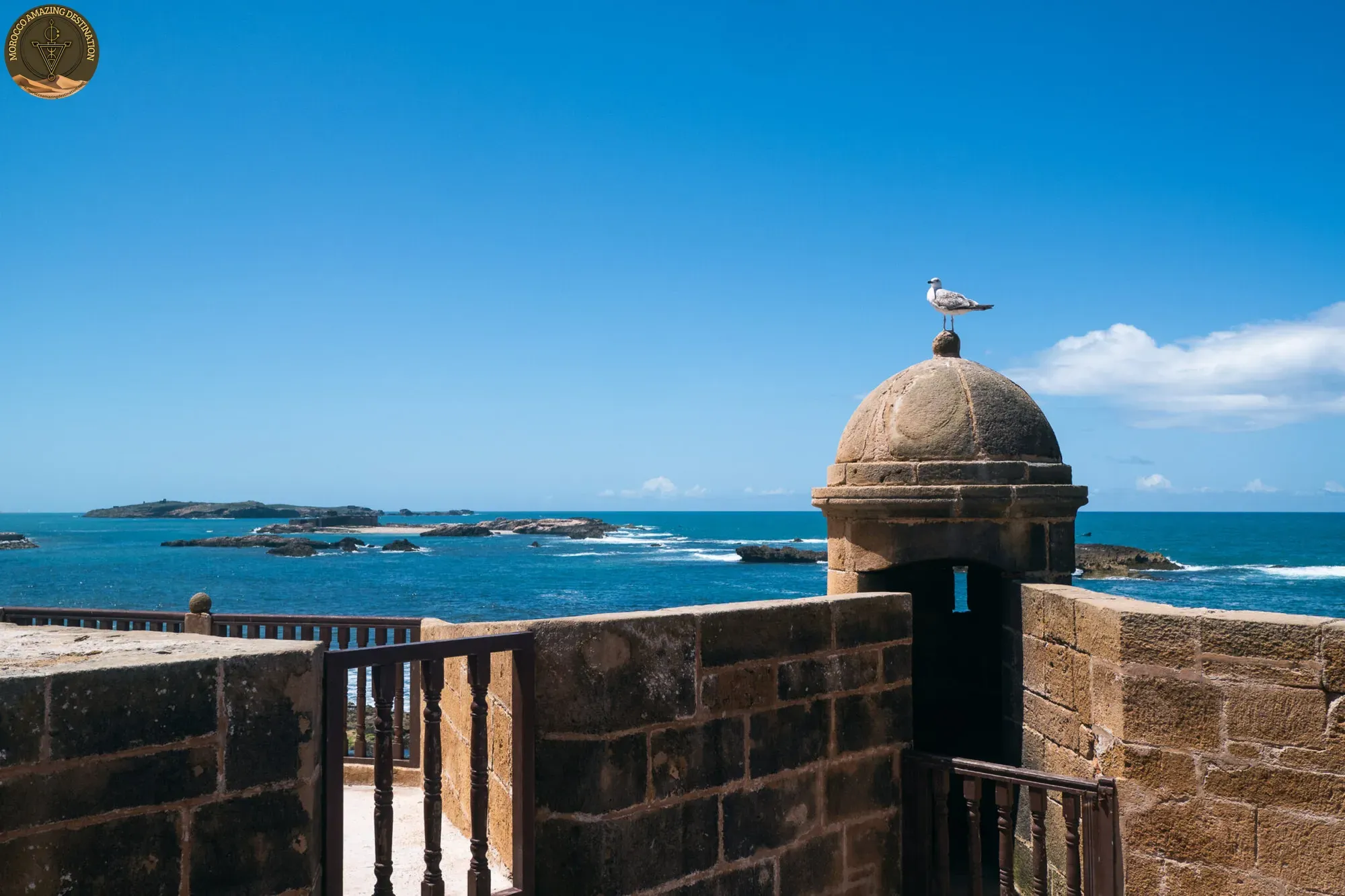
Essaouira’s port sits at the edge of the UNESCO-listed medina, behind the Skala du Port, with the boatyard inside the same walls. Carpenters still build and repair hulls by hand there, and the finished boats leave the yard painted in the blue of the rest of the fleet. On a working morning you get crates, ice, gulls and a queue of buyers in a space the size of a square. The auction and the numbered grills along the port entrance belong to our Essaouira seafood guide.
Asilah is the quieter of the two. Its port sits in the town centre, 40 km south of Tangier and 30 km north of Larache, with trawlers and small boats working from the same quay. The early departure is loud enough to hear from the medina. If you want to watch a landing without a crowd, this is the easier place for it.
Taghazout, Imsouane and Sidi Ifni: Smaller Fleets, Bigger Waves
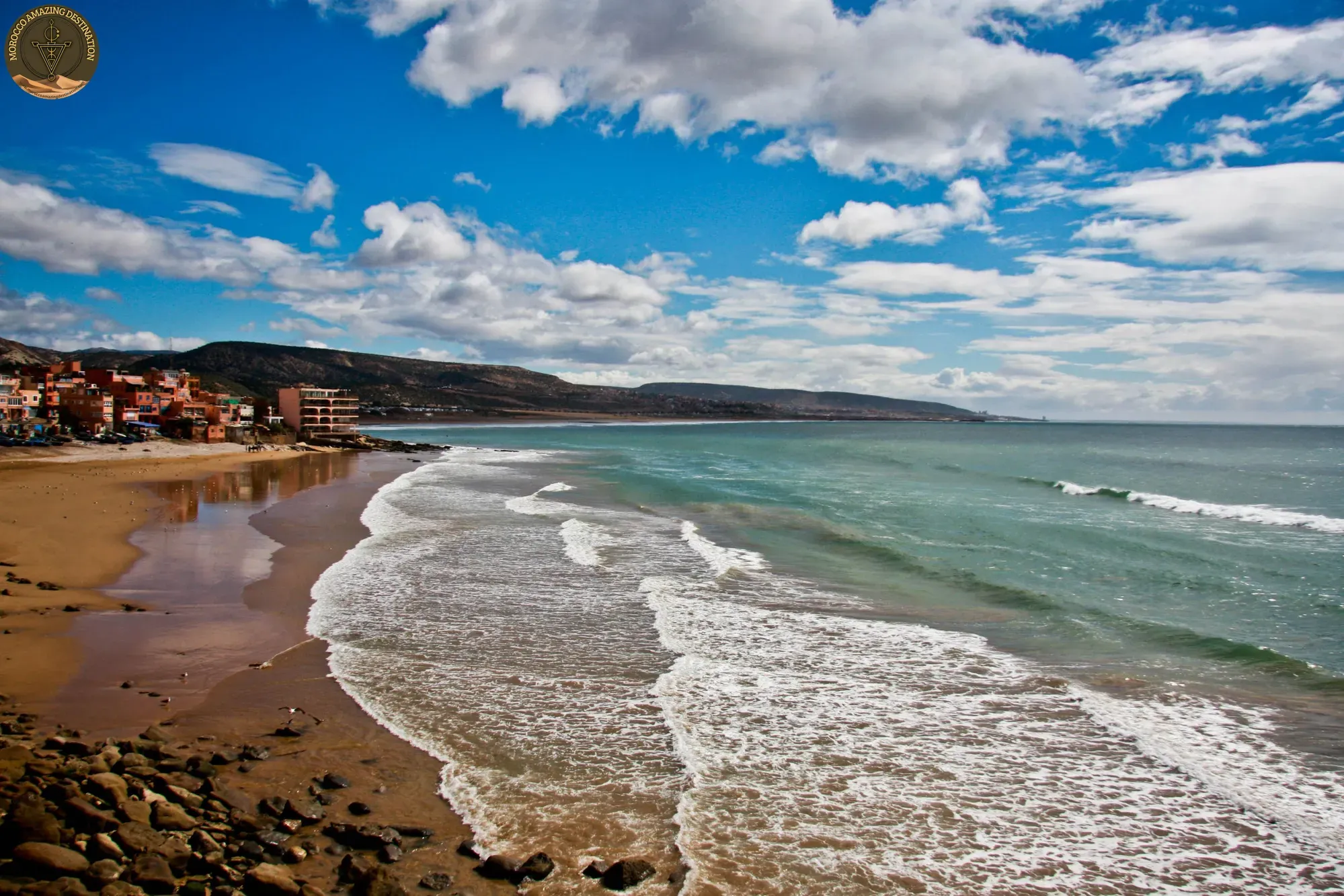
Away from the two walled harbours the picture changes. Most fishing villages in Morocco this far south are beach fleets and coves rather than walled harbours, so it helps to know which ones still work.
- In Taghazout, 19 km north of Agadir, boats still go out and still sit on the sand, but tourism sets the town’s clock, and residents put the remaining fleet at 60 to 70 boats.
- Imsouane launches from the beach and lands in the morning, then again in the afternoon. Its economy is surf first, and the bay holds one of the longest right-hand waves in the country.
- Sidi Ifni is the strongest of the three, with a purpose-built port on the edge of town, sardine, sole, bream and tuna landings, and a fish market inside the street grid.
- Mirleft has cliffs, coves and men fishing from the rocks, and no harbour at all. Sidi Ifni is the nearest working port.
A resident’s estimate is not a register, and landing times vary with the boats. Go early and expect a beach rather than a quay.
Oualidia: A Lagoon, Not a Harbour
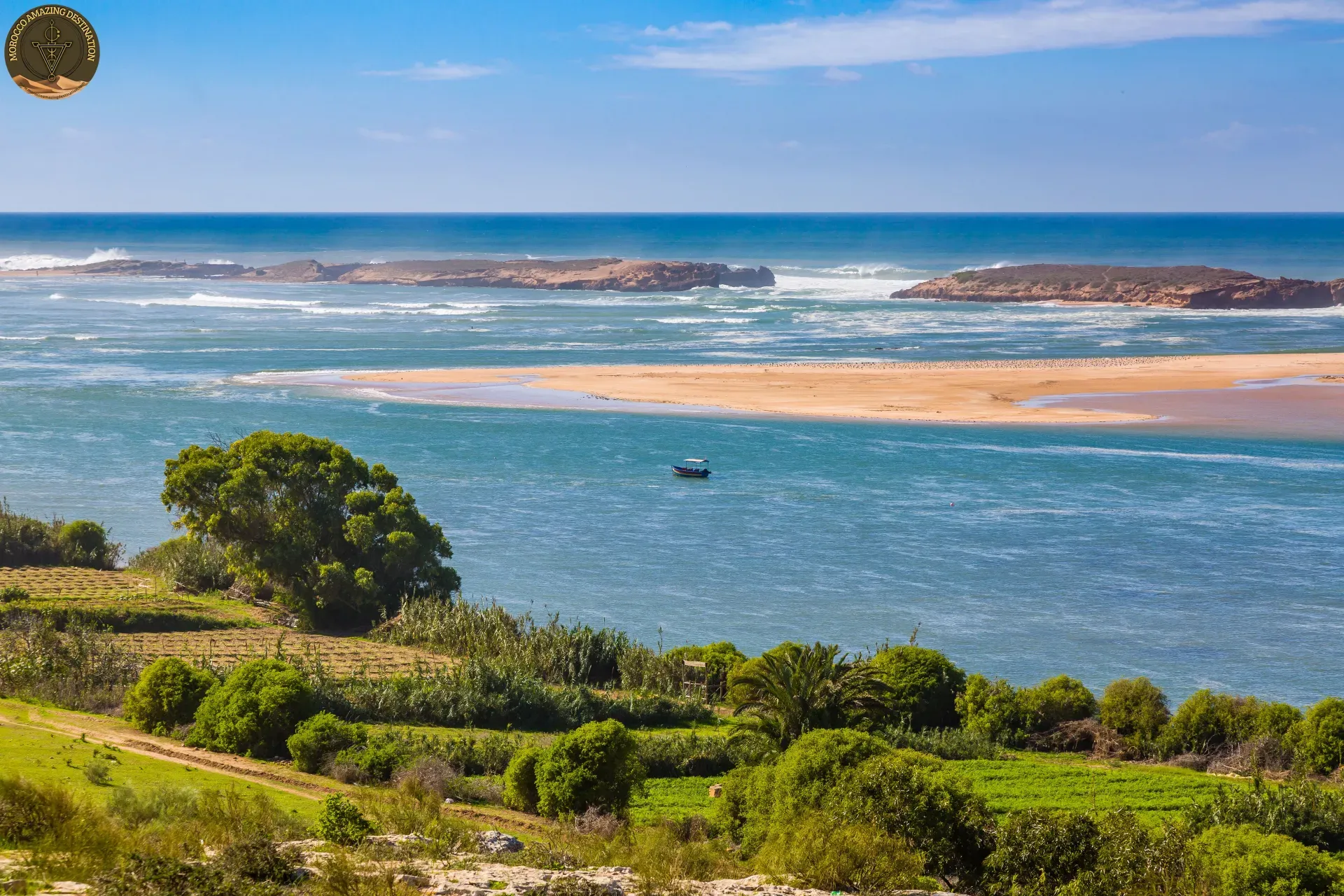
Oualidia breaks the pattern: there is no fleet, no auction and no ice house here. The lagoon behind the sandbar is Ramsar-protected, and oyster farming began in the second half of the twentieth century. Somewhere between 8 and 12 farms produce a couple of hundred tonnes a year, the great majority of Morocco’s aquaculture output.
What you watch instead is water moving. The tide fills and empties the lagoon through the sandbar, and the oyster beds sit in the flow, while a single small boat moves between the beds. The harvest is shellfish, so the lagoon runs on tide times rather than landing times.
Our guide to Morocco’s coastal charm from Essaouira to Agadir covers the towns along that road.
Our 8-Day Morocco Tour: Marrakech, Sahara Desert & Essaouira gives you two nights in Essaouira, enough for a proper port morning. The 3-day tour from Agadir to Tafraoute, Sidi Ifni and Tiznit reaches the southern ports in one loop.
We can customize a tour to match your needs - design your perfect itinerary
If you found this helpful, add us as your preferred source on Google.
Frequently Asked Questions
What time should I visit a Moroccan fishing harbour?
Go in the morning, earlier rather than later. Night boats land through the early hours, and the sale in Essaouira is busiest from roughly eight to ten, though some sources put it nearer eleven. No harbour publishes a fixed timetable, so boats and weather decide the day.
Can visitors watch the fish auction?
Yes, from the edge of the hall or the quay. It is a trade sale rather than a show, so stay clear of crates, forklifts and the buyers working the boxes, and do not bid.
Which Moroccan fishing villages are real working harbours?
Essaouira and Asilah both have working harbours inside their old walls, and Sidi Ifni has a purpose-built port on the edge of town. Taghazout and Imsouane launch from the beach, Mirleft has no port at all, and Oualidia is an oyster lagoon rather than a harbour.
When is the port busiest?
Late spring through early autumn is the reliable window. Winter Atlantic swell keeps small boats ashore, and the sardine fleet itself swells during the anchovy season, when Essaouira's handful of sardiniers can rise to as many as eighty.
Ready for an Adventure?
Have questions? Feel free to contact us using the form below. We're here to help!