· Travel · 5 min read
Why Is Chefchaouen Blue? Morocco's Blue City Explained
Why is Chefchaouen blue? The Sephardic tekhelet theory, the folklore, and the many shades of blue that fill Morocco's blue city.
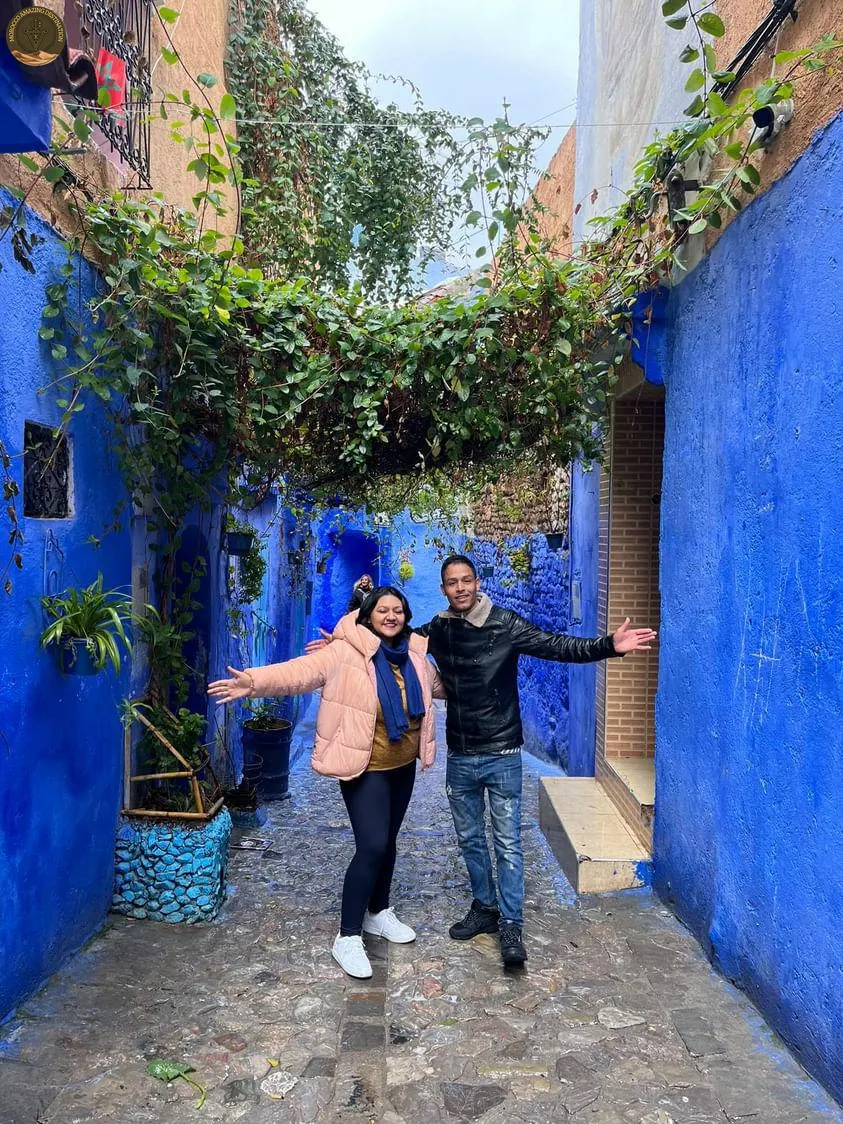
Chefchaouen is the rare town that can be recognised from a single photograph. Why is Chefchaouen blue? The most cited answer is a Sephardic Jewish tradition built on tekhelet, the biblical blue, though no single origin has ever been proven. What is clear is that the paint is a household habit rather than an ancient decree, applied by hand and renewed in layers.
This guide breaks down the theories behind the paint, the shades it takes across the medina, and how to see them in the best light.
The Blue Palette: Cobalt, Indigo and Every Shade Between
There are many shades of blue Chefchaouen is known for, and no two walls match exactly. Each household mixes its own wash, a lime-based whitewash tinted with blue pigment and brushed onto plaster by hand. Rain, dust and strong sun pull the colour back, so families repaint before spring, some once a year and others two or three times.
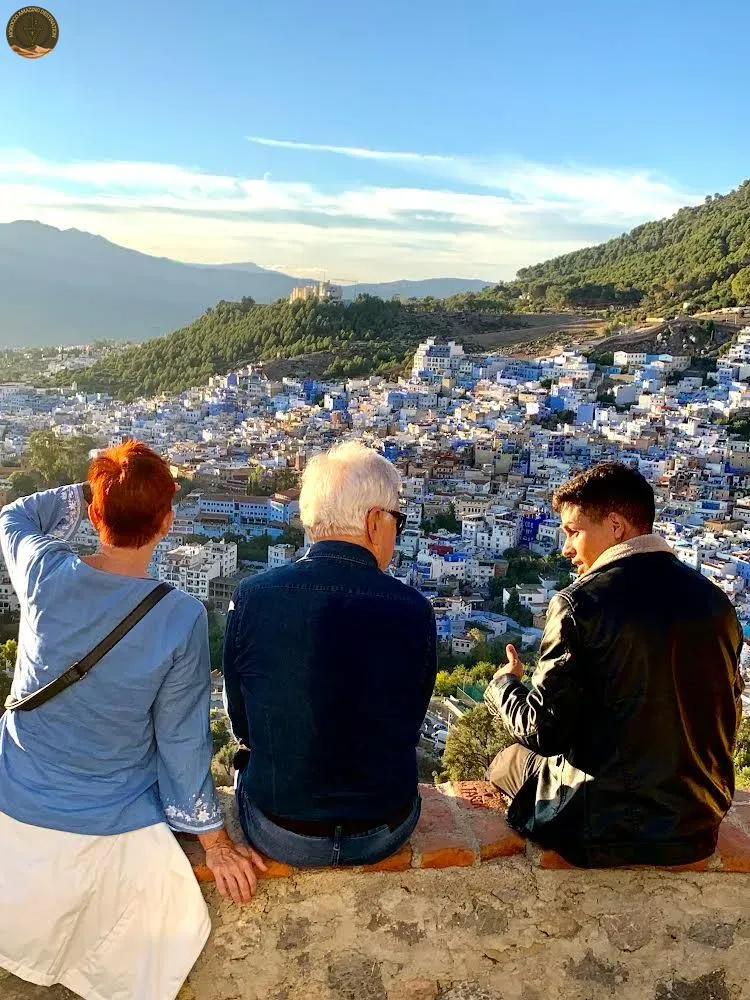
The range runs from the palest tones on sunlit upper walls to the deepest coats on doors and stair risers:
- Powder blue: close to white, on the upper walls that catch the most sun.
- Azure and turquoise: the mid tones that appear in almost every photograph.
- Periwinkle: a soft violet-blue that shows where the wash is thin.
- Cobalt: saturated and deep, common on lower walls and doorframes.
- Indigo and nila: the darkest coats, with the lighter indigo known locally as nila.
Light changes all of it. Sunrise gives soft, cool colour and near-empty lanes, midday sun bleaches detail, and in the last hour of daylight warm light sits against cool walls.
Tekhelet: The Jewish Roots of Chefchaouen’s Blue
Chefchaouen began as a small fortified kasbah in the late fifteenth century, raised to defend the Rif against Portuguese raids on the coast. In the closing years of that same century, waves of Andalusi Muslim and Sephardic Jewish refugees arrived after the fall of Granada. The Jewish families came from Iberia, spoke Haketia, and at their peak made up about a third of the town. The last Jewish family left in the late nineteen-sixties, and the mellah and the Jewish cemetery still stand.
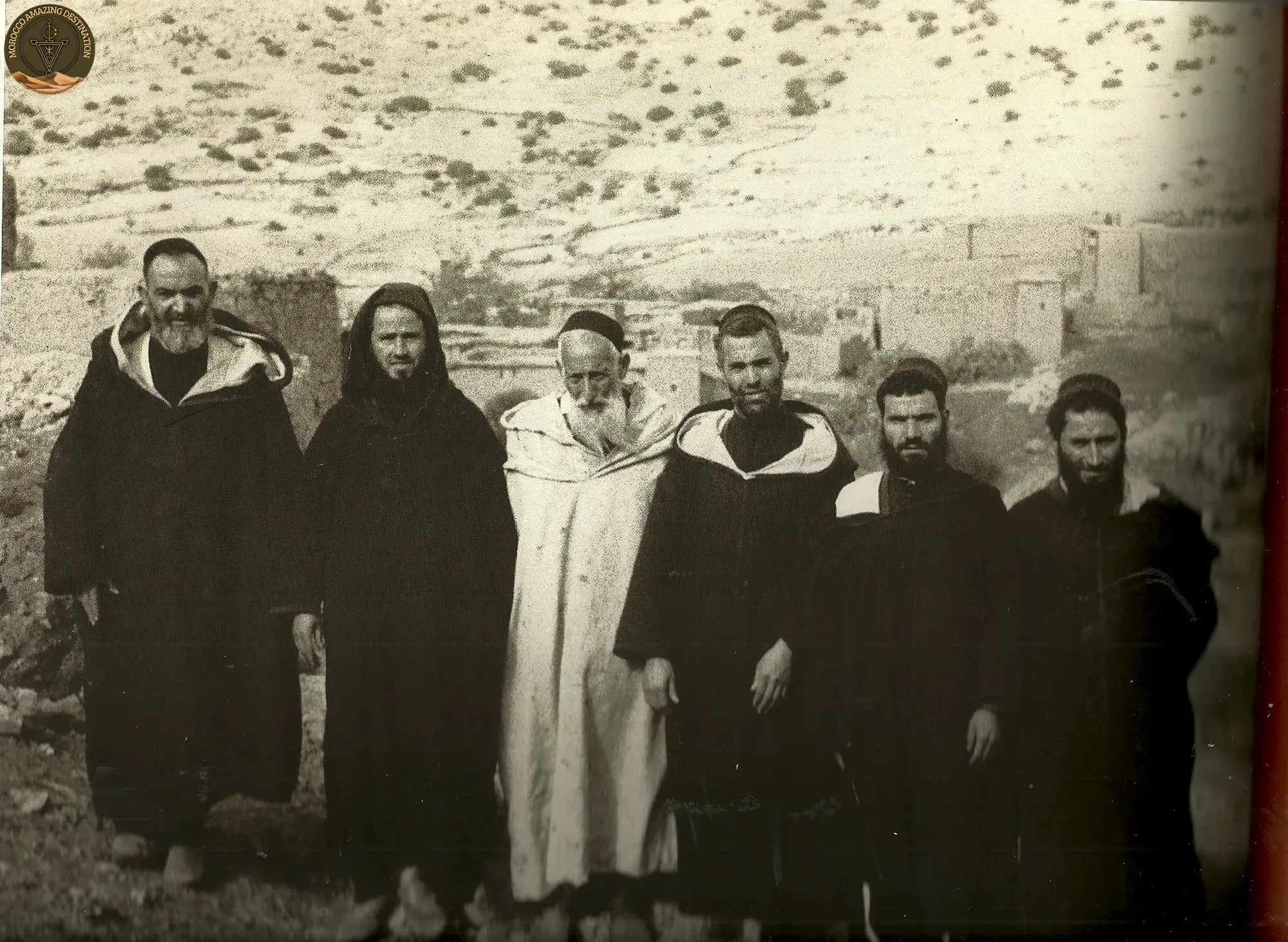
The theory most travellers hear when they ask about the Chefchaouen blue city comes from Jewish tradition. Tekhelet is the biblical blue whose chain of meaning runs from the sea to the sky to the divine. Blue threads were woven into prayer shawls so the wearer kept heaven in view. A community that already linked blue to the sacred had reason to paint its houses that colour.
It is the best-supported explanation on offer, and it remains unproven. The custom appears as a town-wide practice only in the twentieth century, long after the migration it is usually attached to.
From the Mellah to the Whole Chefchaouen Medina
The honest answer to why is Chefchaouen painted blue has several layers and no single date. Blue appears first and lasts longest in the mellah, the Jewish quarter, whose earliest buildings are usually dated to the sixteenth century. A second, newer mellah is attributed to an eighteenth-century sultan, so even that timeline is approximate.
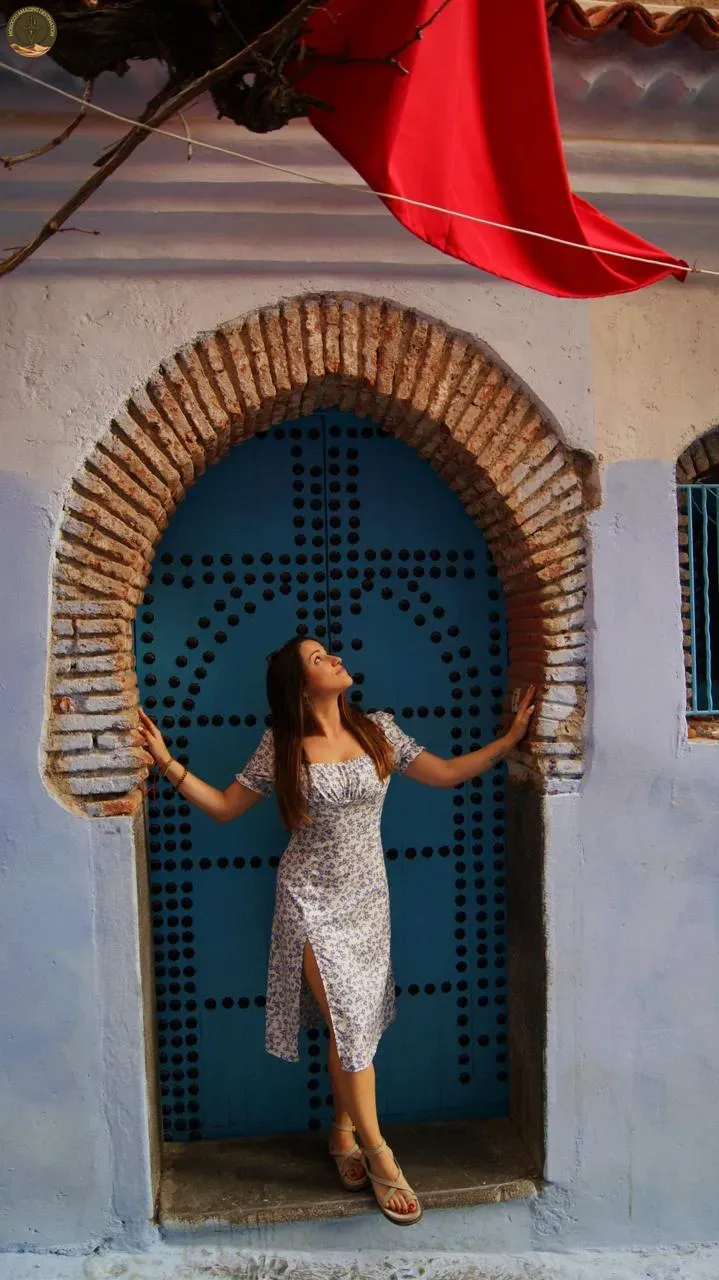
Residents who grew up here remember a medina that was mostly white. Older accounts place the deepening of the blue around European Jewish arrivals in the nineteen-thirties. After that, the habit moved out of the mellah and across the town, though accounts differ on how quickly.
Some locals credit a push in the seventies to attract visitors; others describe a habit that spread from neighbour to neighbour. Both versions can be true at once.
Mosquitoes, Heat and the Tourist Brush: Fact Versus Folklore
Four explanations for the paint circulate, and they do not carry the same weight.
- Mosquitoes: the most repeated claim and the least defensible. No convincing evidence shows blue lime wash repels insects.
- Cooling: pale blue walls are bright and reflective, and residents describe calmer, cooler lanes. No measurement backs the effect.
- “Five hundred years of blue”: not supported. The town-wide blue is a twentieth-century habit.
- The tourist brush: the least romantic explanation and probably the strongest force today. The blue is the town’s identity and its income.
Whatever the origin, the blue city Morocco everyone photographs is also the town’s main source of income, which is why the paint keeps going on.
Seeing the Blues for Yourself: Tangier, Fes and the Rif Light
Chefchaouen has no airport and no train station, which shapes every itinerary. Most travellers arrive from Tangier, about two hours by road, or from Fes, a drive of three and a half to four hours. Both work as private transfers and both let you sleep in the medina instead of stopping for an hour at midday.
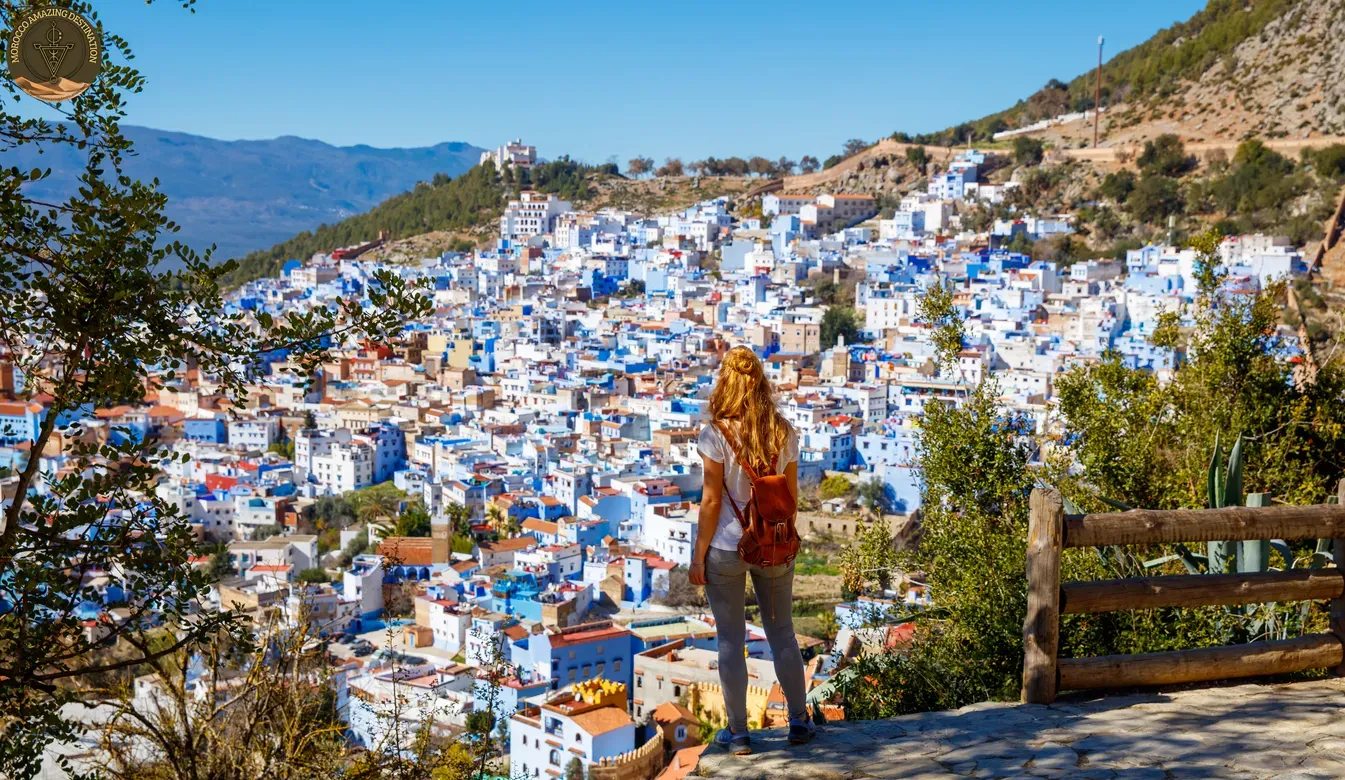
A few details make the visit land better:
- Time of day: sunrise for soft colour and empty lanes, the last hour before dusk for contrast.
- The lookout: the Spanish Mosque (Bouzaafar), east of the medina, a 20 to 40 minute uphill walk from Ras el-Maa or Bab el-Onsar.
- The kasbah: earthen brown, with an Andalusian garden and a tower view, the one landmark never painted blue.
- Etiquette: dress modestly in residential lanes, ask before photographing people, and avoid leaning on fresh lime wash because the pigment marks clothing.
A guide who grew up here earns their place on this question in particular. Neighbours hold different versions of the story. A local can tell you which one they were taught, then point out the mellah and the Jewish cemetery that most walkers pass without noticing.
For travellers who want the whole northern arc, we run our five-day private route from Tangier with a night in the blue city. To add the Sahara, our eight-day northern journey pairing the Rif with the imperial cities and the Sahara does exactly that. For the transfer details, the practical Tangier to Chefchaouen transfer guide answers the logistics.
We can customize a tour to match your needs - design your perfect itinerary
If you found this helpful, add us as your preferred source on Google.
Frequently Asked Questions
Why is Chefchaouen blue?
The most widely accepted explanation is the town's Sephardic Jewish heritage: blue carries sacred weight through tekhelet, the biblical blue that links the sea to the sky and to the divine. Historians treat it as the strongest theory rather than a settled fact, and the claims about mosquitoes or cool rooms have little evidence behind them.
Was Chefchaouen always blue?
No. Blue appeared first and lasted longest in the Jewish quarter, and residents recall a medina that was largely white. The practice spread across the whole medina during the twentieth century, so the town-wide blue is a recent habit.
Does the blue paint keep mosquitoes away?
There is no convincing evidence for it. The idea gets repeated constantly, but blue lime wash has not been shown to repel mosquitoes, and the colour may simply have been kept for other reasons.
Is Chefchaouen a UNESCO World Heritage site?
No, the medina is not a World Heritage site, despite how often the claim appears elsewhere.
Ready for an Adventure?
Have questions? Feel free to contact us using the form below. We're here to help!