· Travel · 7 min read
Where to Embark for Morocco: Complete Guide to Ferry Ports from Europe
Planning a ferry crossing to Morocco? Discover every European embarkation port — from Tarifa to Genoa — with routes, durations, and essential tips for a smooth journey.
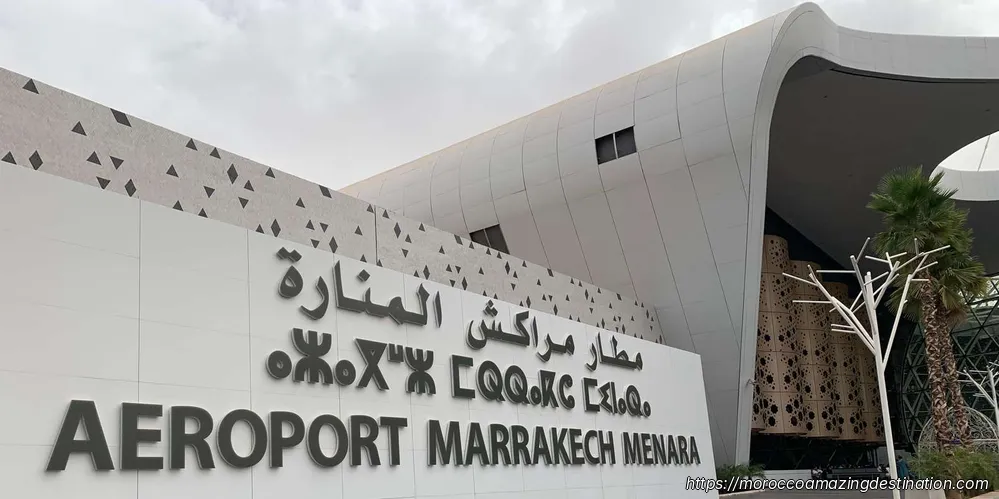
Imagine standing at the railing of a ferry, watching the European coastline fade behind you while the minarets and whitewashed towns of North Africa slowly appear on the horizon. Taking a ferry to Morocco is more than just transportation — it’s the start of an adventure where two continents meet across a narrow strip of sea. But where to embark for Morocco depends on where you’re traveling from and which part of the country you want to explore first.
This guide covers every major ferry port to Morocco from Spain, Italy, and France, helping you choose the best departure point for your journey across the Mediterranean.
Ferry Ports from Spain to Morocco
Spain is the most popular gateway to Morocco, with the Strait of Gibraltar separating the two countries by just 14 kilometers at its narrowest point. Several Spanish ports offer fast, frequent connections.
Algeciras to Tangier Med
The busiest and most frequent route between Europe and Africa. Ferries depart multiple times daily from the port of Algeciras in southern Andalusia to Tangier Med, the modern deep-water port located about 40 kilometers east of Tangier city center.
- Journey time: Approximately 1 hour and 30 minutes
- Best for: Travelers with vehicles, year-round sailings
- Operators: FRS, Balearia, Trasmediterránea
Tarifa to Tangier Ville
The fastest crossing on the Strait. This route takes you directly into the heart of Tangier’s old city in just one hour, making it the preferred choice for day trips and foot passengers.
- Journey time: 60 minutes
- Best for: Foot passengers, day trips, quick access to the medina
- Operators: FRS
Barcelona to Tangier Med
For travelers in Catalonia or southern France, direct ferries from Barcelona provide a long-haul connection to Morocco. This route crosses most of the western Mediterranean with full onboard facilities.
- Journey time: 28 to 34 hours
- Best for: Travelers with vehicles from northeastern Spain
- Operators: GNV, Grandi Navi Veloci
Almería to Nador
Departing from Andalusia’s sun-drenched southeast coast, this route takes you to Nador in northeastern Morocco, close to the Algerian border and the Rif Mountains.
- Journey time: 6 to 7 hours
- Best for: Reaching eastern Morocco, the Rif region, and Saidia
- Operators: Balearia, Trasmediterránea
Motril to Al Hoceima
A smaller port near Granada, Motril offers seasonal connections to Al Hoceima on Morocco’s Mediterranean coast. Al Hoceima is known for its pristine beaches and national park.
- Journey time: 4 to 5 hours
- Best for: Beach lovers and nature enthusiasts
- Operators: Trasmediterránea
Embarkation Ports from Italy to Morocco
Italy offers several long-haul ferry connections to Morocco, combining transportation with a Mediterranean cruise-style experience complete with cabins, restaurants, and onboard entertainment.
Genoa to Tangier Med
The busiest Italian departure point for Morocco. Ferries from this historic Ligurian port cross the entire western Mediterranean, offering a true maritime voyage.
- Journey time: 48 to 52 hours
- Best for: Travelers from northern Italy and central Europe
- Operators: GNV, Grandi Navi Veloci
Livorno to Tangier Med
Departing from the coast of Tuscany, Livorno connects travelers from central and northern Italy to Morocco with comfortable long-haul ships.
- Journey time: Approximately 48 hours
- Best for: Travelers from Tuscany, Emilia-Romagna, and central regions
- Operators: GNV
Civitavecchia to Tangier Med
Conveniently located near Rome, Civitavecchia is the easiest departure point for travelers from central and southern Italy. Seasonal services operate primarily in summer.
- Journey time: 44 to 48 hours
- Best for: Travelers from Rome, Naples, and southern Italy
- Operators: GNV
Savona to Tangier Med
A smaller port just west of Genoa, Savona provides an alternative embarkation point with similar routes and duration to the Genoa departures.
- Journey time: Approximately 50 hours
- Best for: Travelers from Piedmont, Lombardy, and western Liguria
- Operators: GNV
Ferry Ports from France to Morocco
For travelers departing from France, connections are concentrated in the Mediterranean port city of Sète with additional seasonal options from Marseille.
Sète to Tangier Med
The main French departure point, located in the Occitanie region near Montpellier. This route offers a direct connection from southern France to North Africa.
- Journey time: 40 to 44 hours
- Best for: Travelers from southern and central France
- Operators: La Méridionale, GNV
Marseille to Tangier Med
France’s largest Mediterranean port offers seasonal connections to Tangier Med, primarily during the summer months.
- Journey time: Approximately 42 hours
- Best for: Summer travelers from Provence and the Côte d’Azur
- Operators: La Méridionale
Arrival Ports in Morocco: Where Will You Dock?
Understanding your arrival port is crucial for planning onward travel within Morocco. The country’s northern coast has three main entry points for ferries.
Tangier Ville
Located directly in the heart of Tangier, this port is ideal for foot passengers. You can step off the ferry and immediately explore the medina, the kasbah, and the bustling Grand Socco square. The train station is a short walk away, offering high-speed Al Boraq connections to Rabat and Casablanca, and regular trains to Fes and Marrakech.
Tangier Med
Morocco’s largest and most modern port, situated about 40 kilometers east of Tangier. Most long-haul ferries from Italy, France, and Barcelona arrive here. You will need a taxi (30 to 45 minutes) or shuttle to reach Tangier city center. The dedicated Tanger Med train station connects directly to the Al Boraq high-speed network.
Nador
The gateway to northeastern Morocco, receiving ferries from Almería and Motril. Nador is well-connected by road and rail to the rest of the country, and it is the closest entry point for the Rif Mountains region, the coastal town of Saidia, and destinations near the Algerian border.
Ferry Companies and Practical Tips
Several reputable companies operate ferry services to Morocco. Knowing which one to choose and how to prepare can make all the difference.
Main operators:
- FRS — Fast ferries on the Spain-Morocco routes, known for speed and frequency
- Balearia — Multiple Spanish departure points with modern ships
- GNV (Grandi Navi Veloci) — Long-haul routes from Italy and Barcelona
- Trasmediterránea — Established Spanish operator with extensive schedules
- La Méridionale — France-Morocco connections from Sète and Marseille
Essential tips for a smooth crossing:
- Book early in summer. July and August coincide with Operation Paso del Estrecho, when thousands of Moroccans living in Europe cross the Strait. Demand spikes and prices rise.
- Check passport validity. Your passport must be valid for at least six months beyond your planned stay in Morocco.
- Passport control timing. Immigration checks happen either at the departure port or onboard — arrive at least 90 minutes before departure.
- Vehicle documentation. If bringing a car, carry your registration, insurance valid for Morocco, and any required customs forms.
- Consider a cabin. For crossings longer than six hours, booking a cabin with a bed makes the journey far more comfortable.
- Pack essentials in hand luggage. Your vehicle or main luggage may be inaccessible during the crossing.
- Compare prices. Ferry prices fluctuate significantly by season, cabin type, vehicle size, and how far in advance you book.
What to Expect Onboard
Modern ferries to Morocco range from fast catamarans to full-size cruise ferries. Short-haul routes like Tarifa-Tangier offer basic seating and a café, while long-haul ships from Italy feature restaurants, bars, swimming pools, duty-free shops, and comfortable cabins. Wi-Fi is generally available on long-haul ships but can be slow — download entertainment before boarding.
Currency on board is typically the euro, and credit cards are widely accepted.
Conclusion
Crossing the Mediterranean by ferry is a memorable way to begin your Moroccan adventure. Whether you depart from Tarifa’s windy shores for a quick one-hour crossing or embark from Genoa for a two-day maritime voyage across the sea, the journey itself builds anticipation for the sights, sounds, and flavors waiting on the other side.
Now that you know where to embark for Morocco, the next step is planning what to do when you arrive. From the blue streets of Chefchaouen to the golden dunes of the Sahara, Morocco rewards travelers with unforgettable experiences.
Discover Morocco with Our Expert Tours
If you are arriving at Tangier, why not start your adventure with one of our curated tours? We offer seamless pickups from the port and unforgettable itineraries crafted by local experts.
- 4-Day Trip from Tangier to Marrakech: Explore Chefchaouen, Fes, and the Sahara Desert before reaching the Red City — an ideal introduction to Morocco.
- 7-Day Morocco Tour: Tangier to Sahara: A week-long journey through the Blue City, the imperial medina of Fes, and the golden dunes of Merzouga, with all logistics taken care of.
If you found this helpful, add us as your preferred source on Google.
Frequently Asked Questions
Which is the fastest ferry to Morocco?
The fastest ferry route is from Tarifa (Spain) to Tangier Ville, taking just 60 minutes. This makes it ideal for foot passengers looking for a quick crossing.
Can I take a ferry from Italy to Morocco?
Yes, several Italian ports offer ferry services to Morocco. The main departure points are Genoa, Livorno, Civitavecchia (near Rome), and Savona, with crossings taking between 44 and 52 hours.
Do I need a passport to take the ferry to Morocco?
Yes, all passengers need a valid passport to travel to Morocco by ferry. Your passport should be valid for at least six months beyond your planned stay.
What is the best port to arrive at in Morocco?
Tangier Ville is best for foot passengers wanting immediate access to the city, while Tangier Med handles most vehicle and long-haul traffic. Nador is ideal if heading to eastern Morocco.
Ready for an Adventure?
Have questions? Feel free to contact us using the form below. We're here to help!