· Travel · 8 min read
When to Go to Morocco: The Best Time to Visit for Every Type of Traveler
Discover the perfect time to visit Morocco based on your travel style. From mild spring weather to desert adventures, our guide covers every region and season.
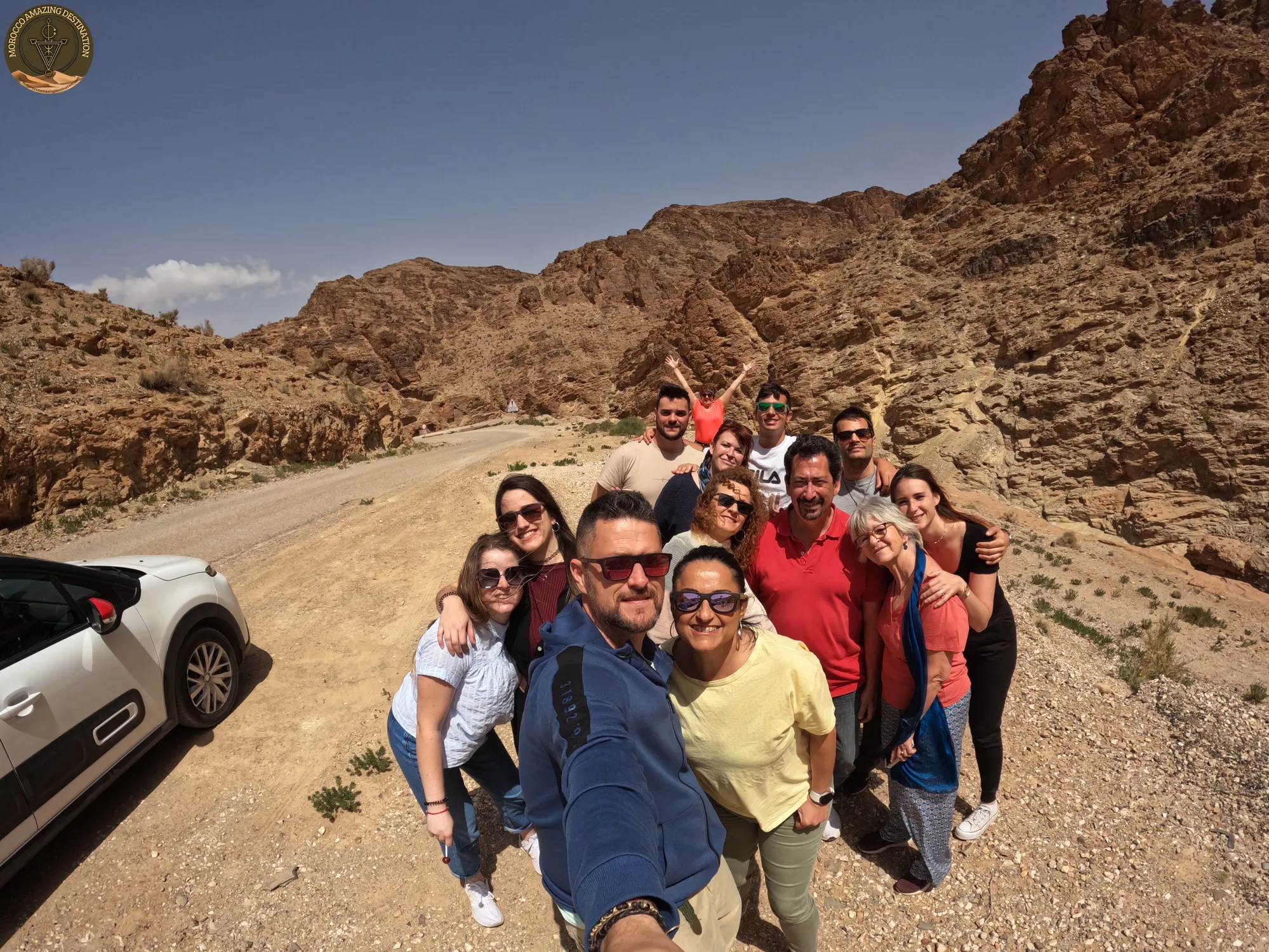
Morocco surprises visitors with its remarkable diversity—a country where you can ski in the Atlas Mountains in the morning and watch the sunset over the Sahara Desert by evening. This geographic variety means that when to go to Morocco depends largely on what experiences you seek. The best time to visit Morocco isn’t universal; it varies by region, activity, and tolerance for heat or crowds.
Understanding Morocco’s Climate Regions
Morocco spans several climate zones, each offering distinct travel experiences throughout the year. Understanding these regional differences is essential for planning your perfect trip.
The Imperial Cities and Interior Plains
Cities like Marrakech, Fes, Meknes, and Rabat experience a semi-arid continental climate. Morocco weather by month varies dramatically here—summers are intensely hot (often exceeding 40°C), while winters bring comfortable daytime temperatures (15-20°C) with cool nights.
Spring and fall offer the most balanced conditions. From March through May and September through November, temperatures range between 20-28°C, making these ideal months for sightseeing, market visits, and cultural exploration.
The Atlantic Coast
Coastal cities such as Casablanca, Essaouira, and Agadir benefit from the Atlantic Ocean’s moderating influence. Summer temperatures rarely exceed 30°C, and the famous wind in Essaouira makes it a world-renowned kiteboarding destination from June to August.
Winter along the coast remains mild (15-20°C), though occasional rain showers create green, lush landscapes. This season offers excellent conditions for coastal walks, seafood dining, and visiting historical sites without the summer crowds.
The Mediterranean Coast
Tangier and the northern Mediterranean regions enjoy a typical Mediterranean climate—warm, dry summers and mild, wet winters. Summer temperatures hover around 25-28°C, while winter rarely drops below 13°C. This makes the Mediterranean coast an excellent year-round destination, particularly appealing during shoulder seasons when crowds thin out.
The Atlas Mountains
The Atlas Mountains create a dramatic backdrop for Morocco’s landscape and offer entirely different weather patterns. The best season to visit Morocco for mountain activities is late spring through early fall (May to October), when clear skies and comfortable temperatures create perfect conditions for trekking.
Winter transforms the Atlas into a ski destination. Oukaimeden and Ifrane receive regular snowfall from December through March, attracting both local and international skiers seeking uncrowded slopes and affordable prices.
The Sahara Desert
The Sahara Desert presents Morocco’s most extreme temperature variations. Summer days can reach 45°C, while winter nights sometimes drop below freezing. However, the desert’s clear skies and vast star-filled nights make it magical year-round.
Morocco shoulder season travel to the desert—specifically March, April, October, and November—offers the most comfortable conditions. Daytime temperatures remain pleasant (25-35°C), and cool evenings provide comfortable sleeping conditions, whether in traditional camps or luxury riads.
Month-by-Month Guide: Planning Your Visit
January and February
Winter settles across Morocco during these months. The north and interior experience cool temperatures (10-18°C), occasional rain, and occasional snow in the Atlas Mountains. However, southern desert regions remain comfortable for exploration.
Pros: Lowest accommodation prices, minimal crowds, unique winter landscapes, excellent skiing conditions in the Atlas.
Cons: Cold nights, some mountain passes may close, rain in northern regions.
Best for: Budget travelers, skiing enthusiasts, those seeking authentic local experiences without tourist crowds.
March, April, and May
Spring transforms Morocco into a carpet of wildflowers and blooming almond trees. The best time to visit Morocco for first-time travelers often falls during these months. Temperatures range from 18-28°C across most regions, creating perfect conditions for all activities.
The Almond Blossom Festival in April celebrates the season, while the Rose Festival in the Dades Valley fills the air with fragrance. Marathon des Sables, one of the world’s most challenging Ultramarathons, takes place in April.
Pros: Ideal temperatures, stunning natural scenery, numerous cultural festivals, comfortable for all activities.
Cons: Beginning of higher season pricing, increasing crowds at popular sites.
Best for: Cultural enthusiasts, nature lovers, hikers, first-time visitors.
June, July, and August
Summer brings intense heat to inland areas—Marrakech can feel like a blast furnace with temperatures regularly exceeding 40°C. However, coastal areas remain refreshingly cool, and mountain retreats offer escape from the heat.
Pros: Perfect beach weather on the Atlantic and Mediterranean coasts, longest days for sightseeing, exciting festivals like the Gnawa Music Festival in Essaouira (June).
Cons: Extreme heat inland, higher prices in coastal resorts, overwhelming conditions for desert exploration.
Best for: Beach lovers, coastal explorers, those planning to stay in air-conditioned cities during midday.
September, October, and November
Autumn returns with comfortable temperatures and thinner crowds. Morocco weather by month becomes increasingly pleasant throughout September and October, making these peak shoulder season months. The harvest season brings abundant fresh produce, fuller rivers, and vibrant landscapes.
The Marrakech International Film Festival and Date Festival in Erfoud take place in October, offering cultural experiences beyond typical sightseeing.
Pros: Excellent temperatures across all regions, harvest season produce, improving desert conditions, fewer tourists.
Cons: Transition month can bring unpredictable weather, some summer closures may still apply.
Best for: Desert explorers, foodies, photographers, travelers seeking balance between regions.
December
December marks the beginning of Morocco’s quiet season. Temperatures cool significantly, especially at night, but daytime conditions remain pleasant (15-20°C). Holiday travelers find festive decorations in major cities and special Christmas market experiences.
Pros: Holiday atmosphere, very low prices, unique local celebrations, perfect for city exploration.
Cons: Cold desert nights require proper preparation, some rural attractions have limited hours.
Best for: Budget travelers, city explorers, those seeking cultural immersion over outdoor activities.
Regional Recommendations by Season
Best Time to Visit Marrakech
The best season to visit Morocco for Marrakech is spring (March-May) or fall (September-November). During these periods, you can explore the medina, Jardin Majorelle, and Djemaa el-Fna square without melting in the heat. Summer evenings in Marrakech can be pleasant for rooftop dining, but daytime activities become challenging.
Best Time to Visit the Sahara Desert
Morocco shoulder season (March-April and October-November) offers the most comfortable desert experiences. The dunes of Merzouga and Zagora are most spectacular in spring when winds haven’t shifted the sand patterns. Summer desert trips require very early morning starts and afternoon breaks in air-conditioned vehicles or hotels.
Best Time to Visit Chefchaouen
The blue city in the Rif Mountains is best visited in April-May or September-October. Spring brings blooming flowers that contrast beautifully with the blue-washed streets, while fall offers comfortable hiking conditions in the surrounding mountains.
Best Time to Visit the Coast
When to go to Morocco for beach experiences depends on your preferences. Summer (June-August) offers the warmest swimming temperatures and liveliest atmosphere, particularly in Agadir. For wind sports, Essaouira shines from June to August. Spring and fall provide milder conditions for sightseeing-focused coastal visits.
Budget Considerations
The cheapest time to visit Morocco is during the low season from November through February (excluding Christmas/New Year). You’ll find:
- Accommodation: 30-50% lower prices on riads and hotels
- Flights: Significantly cheaper airfare from Europe
- Activities: Reduced prices for tours and desert excursions
- Food: Lower prices at restaurants during quiet periods
However, budget travelers should weigh these savings against potential weather-related limitations and reduced operating hours at some attractions.
Packing Tips by Season
Regardless of when you visit, packing layers serves you well. Morocco’s温差 (temperature variations) between sun and shade, day and night, and coast and interior can be dramatic.
Spring and Fall: Light layers, a warm jacket for evenings, comfortable walking shoes, sunscreen, and a hat.
Summer: Breathable clothing, high SPF sunscreen, sunglasses, modest coverage for cultural sites, and a light scarf for desert wind.
Winter: Warm layers, a substantial jacket, rain gear for the north, and warm clothing for desert nights.
Final Verdict: When Should You Visit?
The best time to visit Morocco overall is during the shoulder seasons of March through May and September through November. These periods offer the most versatility—comfortable temperatures across all regions, accessible desert conditions, manageable crowds, and reasonable prices.
Your ideal timing ultimately depends on your priorities:
- Cultural exploration: March-May, September-November
- Beach vacation: June-August (coastal areas), any time (for mild coastal winters)
- Desert adventure: March-April, October-November
- Mountain trekking: May-October
- Budget travel: December-February
- City sightseeing: Any time, with spring and fall providing the most comfortable conditions
Morocco welcomes visitors throughout the year, and each season reveals a different facet of this captivating country. Whether you choose the blooming landscapes of spring, the vibrant festivals of summer, the golden harvest season of autumn, or the quiet introspection of winter, you’ll discover why Morocco remains one of Africa’s most beloved destinations.
Experience Morocco’s Best Seasons
Ready to explore Morocco at the perfect time for your travel style? Our curated tours ensure you experience the country’s diverse landscapes and cultures under the ideal conditions.
4-Day Morocco Desert Tour from Marrakech — Discover the Sahara’s magic during the comfortable shoulder seasons. This tour takes you from Marrakech through the Atlas Mountains, Dades Valley, and into the mesmerizing dunes of Merzouga, with overnight stays in traditional riads and luxury desert camps.
5-Day Trip from Marrakech to Fes — Experience imperial cities, mountain passes, and desert landscapes on this comprehensive journey. Best undertaken in spring or fall when temperatures are ideal for exploring ancient medinas and scenic viewpoints.
8-Day Morocco Tour: Marrakech, Sahara & Essaouira — Our most popular multi-region tour, perfectly timed to capture Morocco’s highlights across different climates. From the coastal breezes of Essaouira to the golden dunes of Merzouga, this tour showcases Morocco’s diversity during its most beautiful seasons.
Let us help you plan your perfect Moroccan adventure, tailored to the season that matches your travel dreams.
If you found this helpful, add us as your preferred source on Google.
Frequently Asked Questions
What is the best month to visit Morocco?
March, April, May, October, and November are the best months to visit Morocco. These shoulder seasons offer pleasant temperatures, fewer crowds, and excellent conditions for exploring both cities and the desert.
Is Morocco too hot in summer?
Inland areas like Marrakech and the Sahara Desert can reach 40-45°C (104-113°F) in summer. However, coastal areas like Essaouira and Agadir remain pleasant due to ocean breezes, making them ideal summer destinations.
When is the cheapest time to visit Morocco?
December through February offers the lowest prices on accommodations and flights. While temperatures are cooler, especially at night, it's perfect for desert trips, skiing in the Atlas Mountains, and exploring imperial cities without crowds.
Does Morocco have a rainy season?
Morocco's rainy season primarily affects the north and coastal regions from November to February. Southern desert areas and the Sahara receive minimal rainfall year-round, making them suitable for visits in any season.
Ready for an Adventure?
Have questions? Feel free to contact us using the form below. We're here to help!