
· Travel · 5 min read
What Type of Climate Does Morocco Have? A Simple Guide
Morocco has four climate types, from mild Atlantic coasts to Sahara heat and Atlas snow. Learn how each region feels and what to pack.
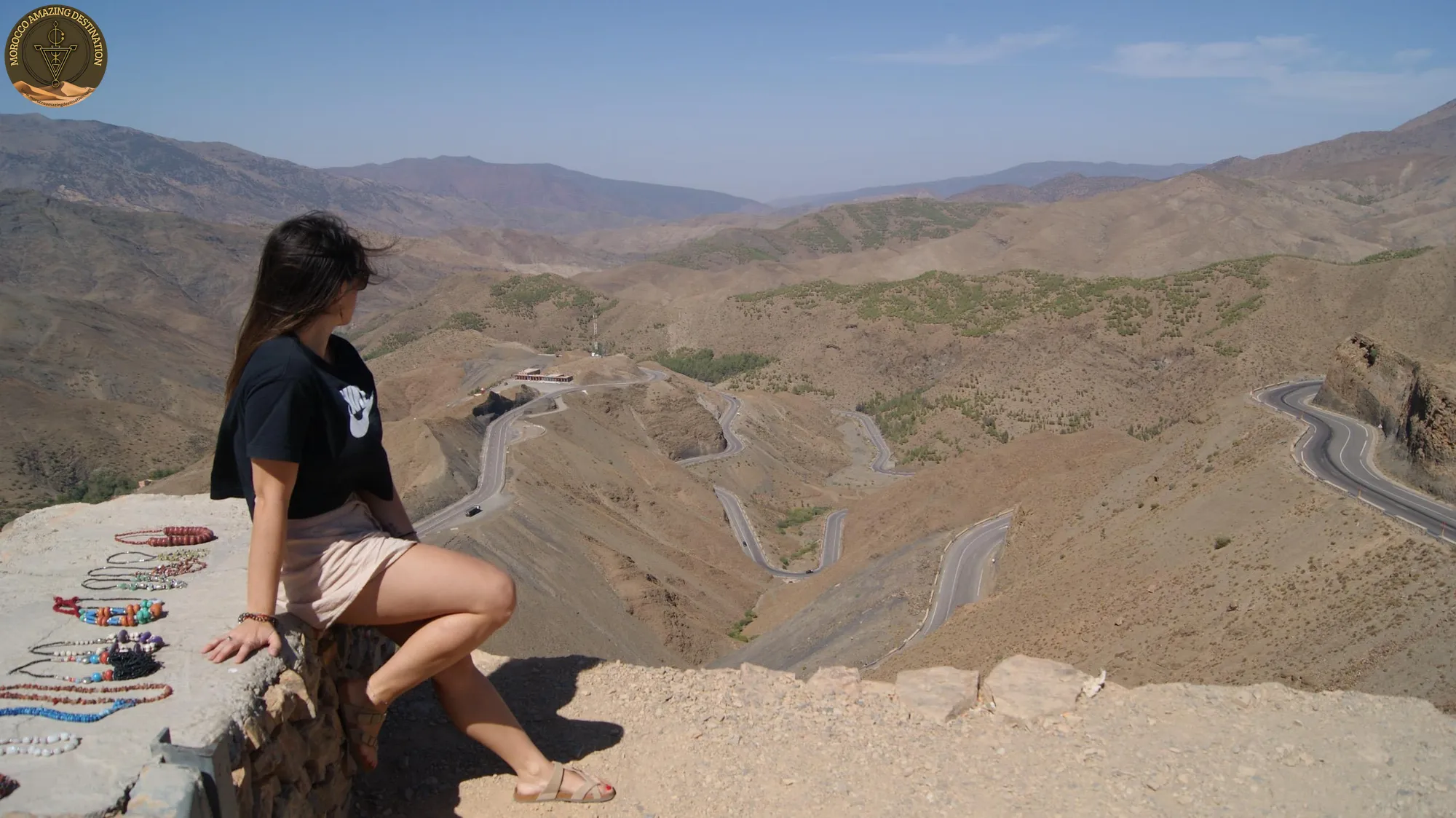
What type of climate does Morocco have? The quick answer is four climate types at once: Mediterranean in the north, semi-arid steppe and hot desert inland and south, and cold highland conditions in the High Atlas and Rif. Morocco sits where temperate and arid belts meet, so no single label fits the whole country.
In this guide, we will break down Morocco’s climate zones, explain why the Atlantic coast stays mild, and show how to plan a trip around them. No single number describes the country, but the patterns are easy to follow once you know the regions.
What Type of Climate Does Morocco Have? The Short Answer
Climate scientists use the Köppen system to sort places by temperature and rainfall. On that scale, the Morocco climate zones fall into four recognisable types.
- Mediterranean (Cs): mild, wet winters and hot, dry summers along the northern coast.
- Semi-arid steppe (BSh): dry most of the year, typical around Marrakech and the interior plains.
- Hot desert (BWh): true Sahara conditions with extreme summer heat and very little rain.
- Highland (Ds): a cold mountain climate with snow above roughly 2,000 metres.
Geographers group these four into two wider families: the temperate C group in the north and along the coast, and the dry B group across the centre, south and east. The highland type sits on top of both, changing with elevation rather than distance. Each type has its own seasonal rhythm, which is why a national forecast can be misleading.
That mix exists because Morocco stretches from about 21°N to 36°N, straddling two major climate belts. The Atlas range acts as the wall between them. North of the mountains leans greener and wetter, while the south and east lean dry and desert-like.
The Mediterranean and Atlantic Coasts — Where the Sea Keeps Things Mild
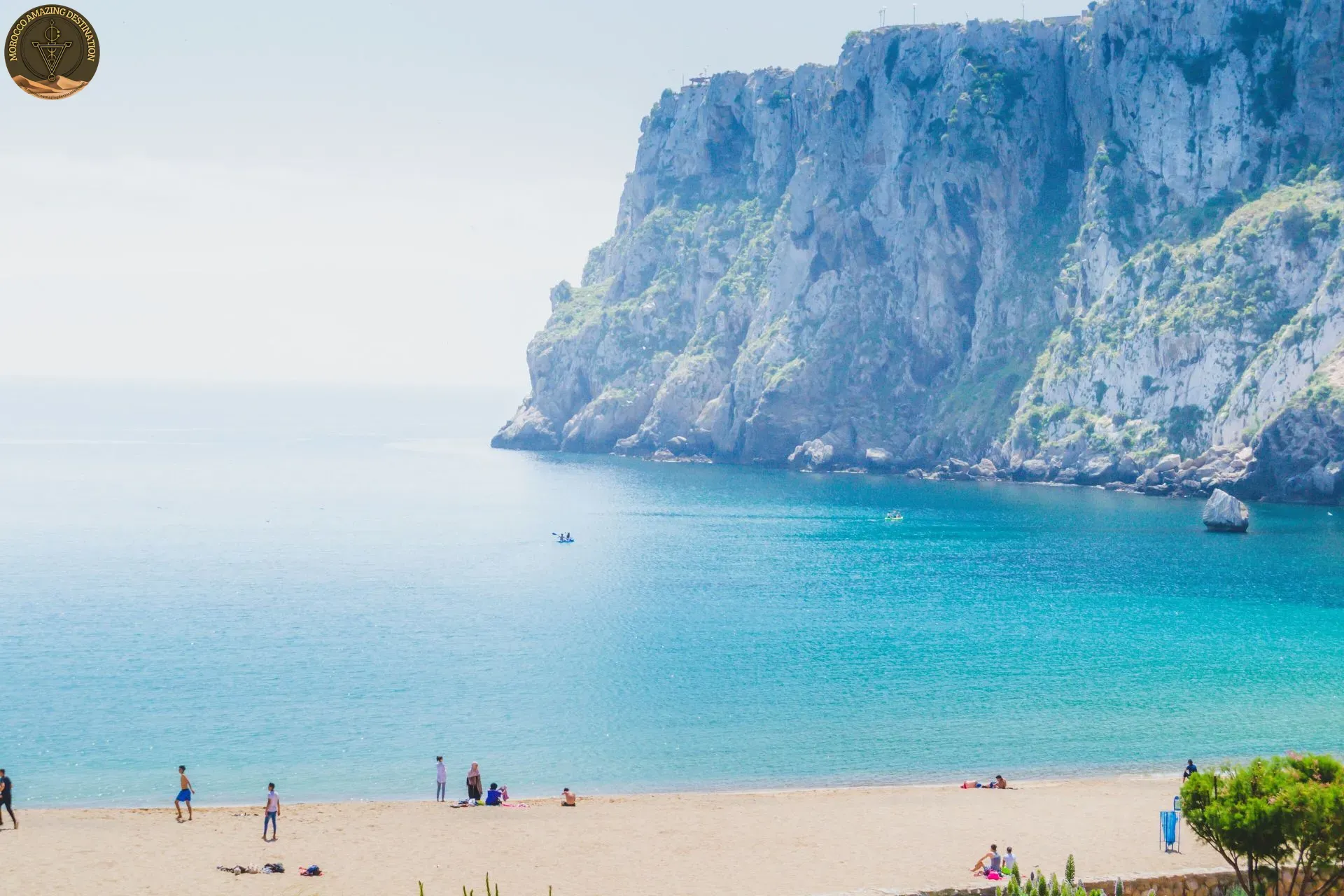
Morocco’s coastline has two very different faces, which is why Morocco climate by region matters more than one national average. Along the Mediterranean and the northern Rif, Tangier, Tetouan and Al Hoceima follow a classic Mediterranean rhythm.
Rain falls mostly between October and April, followed by long, hot, sunny summers. The Atlantic side is milder than its latitude suggests, because the cold Canary Current and coastal upwelling cool the air.
- Small swings: Casablanca, Rabat and Agadir stay comfortable all year.
- Sea fog and breeze: morning mist and steady wind are normal, especially at Essaouira.
- Gentler summers: the coast rarely hits the heat of the interior.
- Cooler water: the Atlantic stays bracing, even in high summer.
Essaouira is the clearest example, often holding a steady range of about 10-23°C while inland towns swelter. Agadir, further south, stays warm in winter and rarely overwhelming in summer. That ocean influence is why the coast is the mildest place in Morocco in summer.
Arid Interior and Sahara Desert — Hot Days, Cold Nights
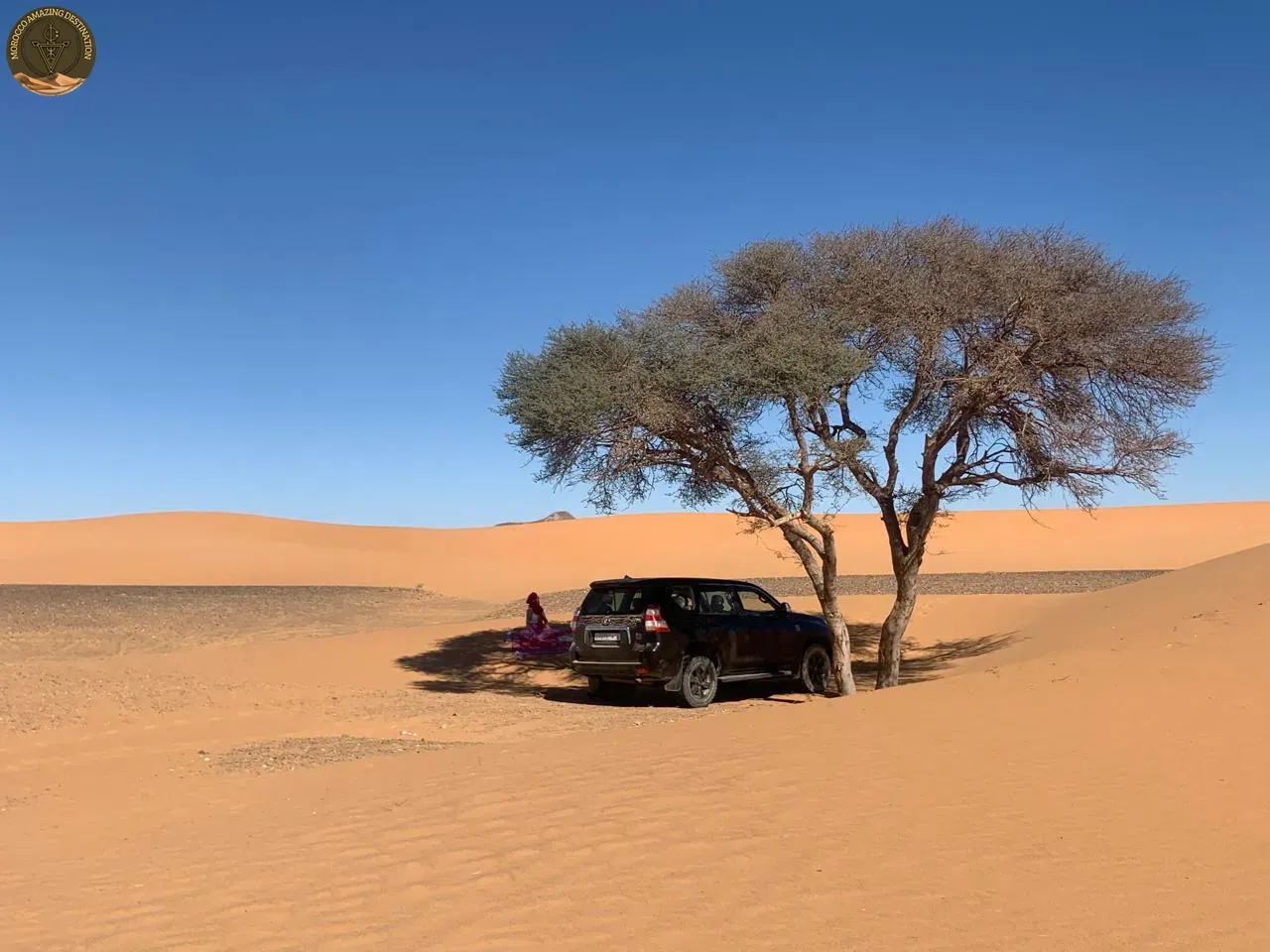
The interior and far south hold Morocco’s driest types of climate in Morocco. Marrakech, Ouarzazate, the Dades and Draa valleys, and the dunes at Merzouga sit in semi-arid steppe that shades into true desert.
Rainfall is low and unpredictable. Summer days can reach 38-45°C, while winter offers pleasant 18-20°C afternoons. Nights are the surprise: desert temperatures often fall close to or below 5°C. Pack a warm layer for the dunes, even in summer.
This is the classic desert pattern of fierce sun by day and cold, clear skies after dark. Altitude, not only latitude, decides how cold it gets once the sun sets. Ouarzazate and the desert gateways follow the same rhythm: blazing noon, cool evening, and a fast drop after dark.
High Atlas and Rif Mountains — Cold Peaks and the Rain Shadow
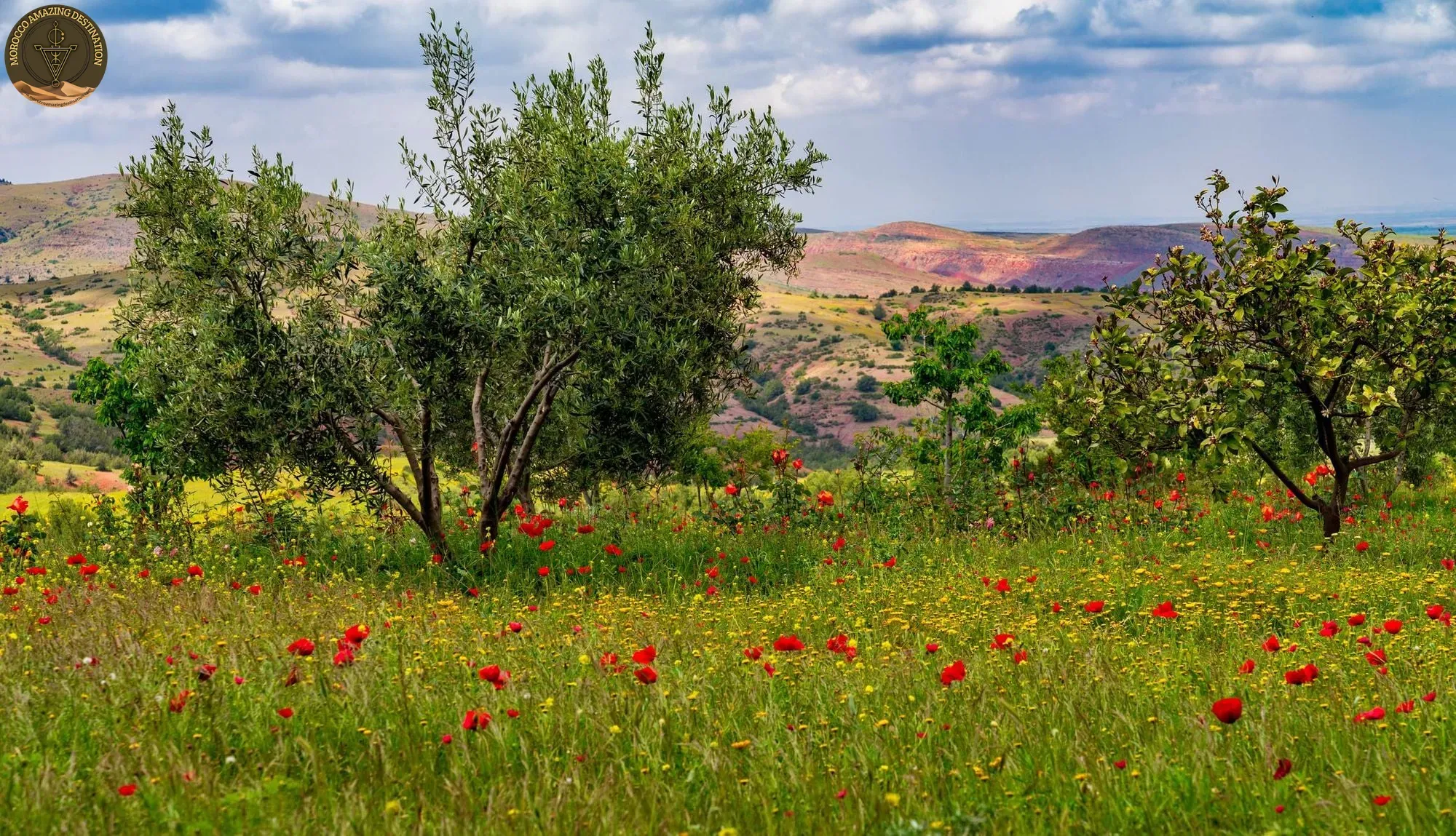
The High Atlas, Middle Atlas and Rif add the fourth type: cold highland. Here altitude controls temperature rather than latitude. Toubkal, the highest peak, rises to 4,167 metres.
Snow falls above roughly 2,000 metres and can linger into late spring on shaded slopes. The range also shapes the rest of the country. Atlantic winds climb the mountains, lose their moisture, and leave a rain shadow that keeps the desert dry to the south and east.
The Middle Atlas adds its own surprise: upland towns such as Ifrane can feel alpine, with frost and snow, while the desert floor a few hours away stays warm. That mechanism explains Morocco’s sharp contrast — a green, rainy north and a bone-dry south, separated by a few hours of mountain road.
Planning Your Trip Around Morocco’s Climate
Because Morocco stacks coast, desert and mountains, the packing rule is simple: layers, year-round. Expect mild ocean air on the Atlantic, intense dry heat inland in summer, and genuinely cold nights in the mountains and dunes.
- Summer: favour the coast or the mountains and keep desert time to early morning.
- Spring and autumn: the sweet spot for Marrakech, the Atlas and the Sahara.
- Winter: mild and green in the north, crisp sunny desert days, snow up high.
- Altitude matters: upland towns can be chilly while the desert below stays warm.
The coast is the reliable summer escape, while the arid south and the High Atlas are most comfortable in spring and autumn. Pack a light rain jacket for the north and a warm mid-layer for the mountains. For most travellers, spring and autumn offer the widest comfortable window across every region.
To feel that variety in one trip, our 4-Day Morocco Desert Tour from Marrakech crosses the High Atlas and ends in the Sahara dunes. For coast, city and desert together, the 8-Day Morocco Tour: Marrakech, Sahara Desert & Essaouira shows how much the climate shifts in a week.
We can customize a tour to match your needs — design your perfect itinerary.
If you found this helpful, add us as your preferred source on Google.
Frequently Asked Questions
What type of climate does Morocco have?
Morocco has four broad climate types: a Mediterranean climate in the north, semi-arid steppe and hot desert inland and in the south, and a cold highland climate in the High Atlas and Rif.
Why is Morocco's Atlantic coast so mild?
The cold Canary Current and its coastal upwelling cool the air along the Atlantic. That is why Casablanca, Rabat, Essaouira and Agadir keep small temperature swings, with sea fog and a steady breeze, all year.
Is Morocco hot all year round?
No. Summer inland is genuinely hot, with Marrakech and the Sahara often reaching 38-45°C by day. Winter brings mild 18-20°C desert afternoons and cold nights near 5°C, while the mountains see snow above roughly 2,000 metres.
What should I pack for Morocco's climate?
Pack layers year-round. Bring light, breathable clothing for the coast and desert days, a warm mid-layer for mountain towns and desert nights, sun protection, and a light rain jacket for the north between October and April.
Ready for an Adventure?
Have questions? Feel free to contact us using the form below. We're here to help!