· Travel · 11 min read
What to Visit in Morocco: A Complete Guide to the Kingdom's Best Destinations
Discover what to visit in Morocco with our ultimate guide. Explore Marrakech, Chefchaouen, Fes, the Sahara Desert, and more. Plan your perfect Morocco itinerary.
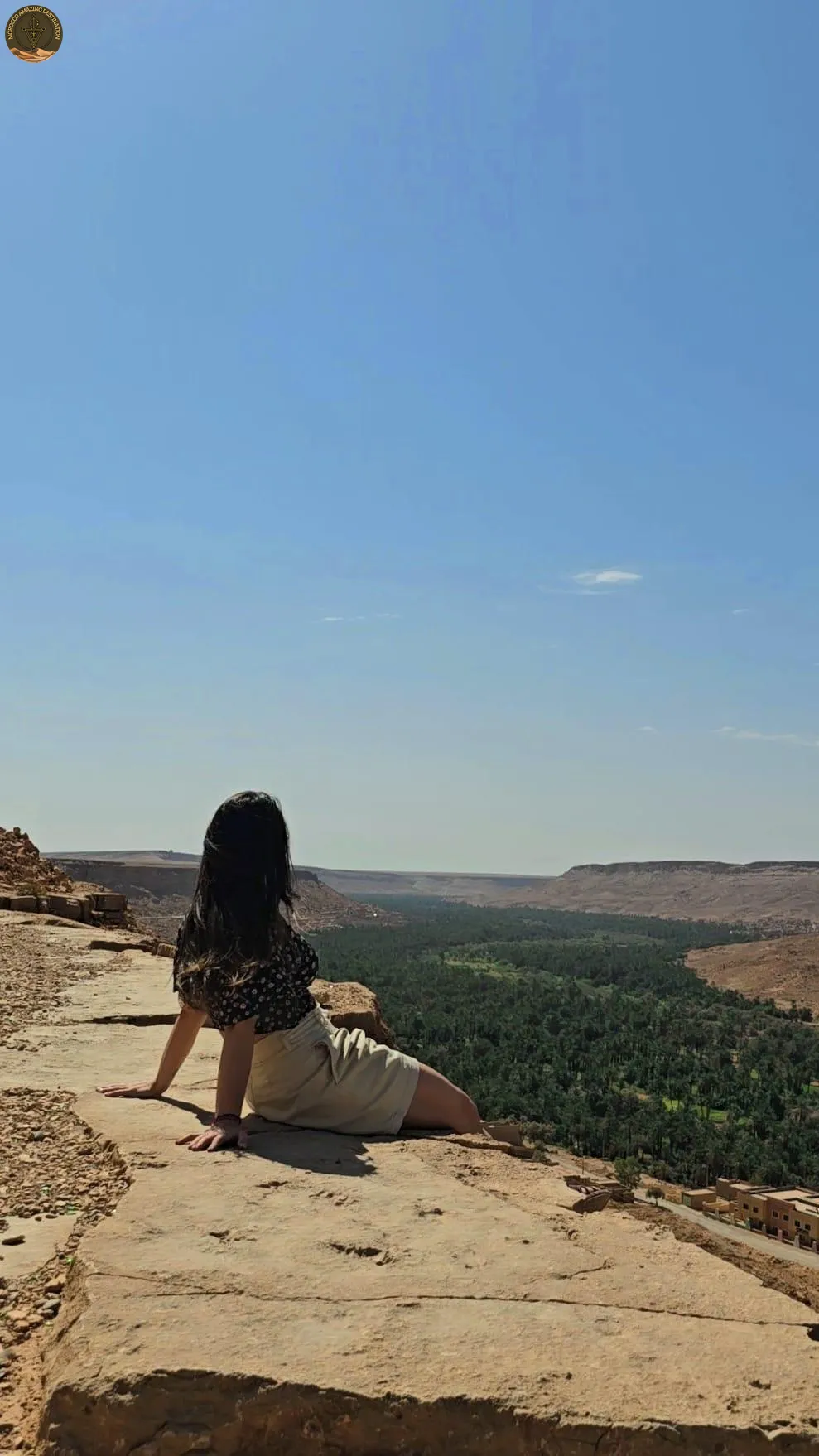
Are you dreaming of ancient medinas, golden dunes and cities where every alley tells a story? If you are planning a trip and wondering what to visit in Morocco, you have landed in the right place. Morocco is a country of extraordinary contrasts — a land where snow-capped peaks give way to palm-filled valleys, where Atlantic waves crash against fortified coastal towns, and where the silence of the Sahara is broken only by the rhythm of camel footsteps.
This comprehensive guide takes you through the very best places to visit in Morocco, from iconic cities that have captivated travellers for centuries to lesser-known gems that reward the curious explorer. Whether you are sketching out your first itinerary or returning for a deeper dive, here is everything you need to know about what to visit in Morocco.
Marrakech: The Red City
No discussion of Morocco attractions starts anywhere else. Marrakech, known as the Red City for its ochre-coloured ramparts and buildings, is the country’s most iconic destination — a sensory whirlwind of spice-scented souks, ornate palaces and the unforgettable spectacle of Jemaa el-Fnaa.
What to Visit in Marrakech
- Jemaa el-Fnaa: The throbbing heart of Marrakech transforms from a sun-soaked square of orange juice stalls into a nocturnal carnival of storytellers, musicians and sizzling food vendors. The energy here is unmatched anywhere else on Earth.
- Bahia Palace: A 19th-century masterpiece of Moroccan craftsmanship with carved cedar ceilings, intricate zellige tilework and tranquil courtyard gardens that whisper of a bygone era of viziers and harems.
- Majorelle Garden: This cobalt-blue botanical sanctuary, once owned by Yves Saint Laurent, offers a cool, shaded escape from the medina’s intensity. The bamboo groves, cactus gardens and vivid blue villa are a photographer’s dream.
- Koutoubia Mosque: The city’s defining landmark — its 77-metre minaret has been guiding travellers and calling the faithful for over eight centuries.
- The Souks: Lose yourself in the labyrinth of narrow alleys where artisans hammer brass lanterns, stitch leather babouches and weave Berber carpets. Every corner reveals a new scent, colour or craft.
Travel tip: Rise at dawn to experience Jemaa el-Fnaa before the crowds arrive. The morning light over the square, with the Atlas Mountains shimmering on the horizon, is postcard-perfect.
Fes: The Spiritual and Cultural Capital
If Marrakech is Morocco’s beating heart, Fes is its timeless soul. Home to the world’s oldest continuously operating university — Al Quaraouiyine — and a UNESCO-listed medina that feels frozen in the 9th century, Fes is an essential stop on any Morocco travel checklist.
Must-Visit Places in Fes
- Fes el-Bali (Old Medina): Over 9,000 alleyways weave through this car-free, pedestrian-only labyrinth. Getting lost here is not a risk — it is a guarantee, and it is the best way to discover hidden mosques, secluded courtyards and traditional bakeries.
- Chouara Tanneries: One of the oldest tanneries in the world, where workers stand knee-deep in vast stone vats of dye surrounded by mountains of softening leather. The sight — and the smell — has barely changed in a thousand years. Bring a sprig of mint.
- Bou Inania Madrasa: A jewel of Marinid architecture with exquisite stucco work, carved cedar and a tranquil internal courtyard featuring a central ablutions fountain.
- Al-Attarine Madrasa: Smaller but perfectly formed, this 14th-century theological college showcases some of the finest zellige tilework in the Islamic world.
- The Mellah (Jewish Quarter): A window into Morocco’s rich Jewish heritage, with a beautifully restored 17th-century synagogue and a cemetery of whitewashed tombs overlooking the city.
Chefchaouen: The Blue Pearl
Tucked into the foothills of the Rif Mountains, Chefchaouen is arguably the most photogenic destination in Morocco. Every wall, staircase and doorway is washed in shades of blue — from powder-sky cerulean to deep, almost-purple indigo.
What to Do in Chefchaouen
- Wander the cobbled lanes with your camera ready. Early morning offers the softest light, the fewest people and cats dozing in sunbeams on blue-washed steps.
- Hike to the Spanish Mosque for panoramic views, especially at sunset when the blue medina glows golden against the green mountains.
- Visit the Ras el-Maa waterfall just outside the medina walls, where locals gather to wash clothes and socialise in the cool mountain stream.
- Shop for unique handicrafts — Chefchaouen’s woven blankets, striped djellabas and wool garments are some of the finest in the country.
- Sample the local goat’s cheese, a regional speciality rarely found elsewhere in Morocco.
Chefchaouen does not have blockbuster monuments or museums. Its magic lies in the slow rhythm, the crisp mountain air and the quiet beauty of simply being there. It is the kind of place where you arrive planning to stay one night and find yourself still there three days later.
The Sahara Desert: Erg Chebbi and Merzouga
Ask anyone what to visit in Morocco and the Sahara Desert will top the list. The vast golden dunes of Erg Chebbi near the town of Merzouga deliver the iconic desert experience: rolling sand seas that shift colour from pale amber to deep crimson as the sun arcs across the sky.
The Merzouga Experience
- Camel treks: Ride a dromedary into the dunes at sunset, the traditional way to enter the desert. The gentle sway of the camel, the silence of the sand and the vastness of the horizon create a meditative experience unlike any other.
- Desert camps: Spend a night under one of the clearest starry skies on the planet. Luxury camps offer comfortable beds, Moroccan cuisine and traditional Berber music around a campfire.
- Sunrise over the dunes: Wake before dawn and climb the tallest dune near your camp. Watch as the sun ignites the sand in shades of gold, orange and pink — a moment you will never forget.
- 4x4 dune bashing and sandboarding: For the adventurous, racing down the steep faces of Erg Chebbi’s dunes is an adrenaline rush you will not find in the cities.
- Khamlia Village: Visit the village of Khamlia, home to descendants of sub-Saharan African slaves, and listen to the hypnotic rhythms of Gnawa music — a UNESCO-recognised cultural tradition.
Essaouira: The Windy City on the Atlantic
If the intensity of the medina cities leaves you craving sea breeze, Essaouira is the answer. This fortified coastal town, with its whitewashed walls and blue shutters, has been a haven for artists, musicians and surfers for decades.
What to Visit in Essaouira
- The Skala de la Ville: Walk the 18th-century sea ramparts lined with bronze cannons, featured in Game of Thrones. The views over the Atlantic and the rocky islets of Mogador are spectacular.
- Essaouira Medina: A UNESCO World Heritage site, the compact medina is easy to navigate and filled with art galleries, thuya wood workshops and laid-back cafés.
- The Fishing Port: Arrive in the late morning when the boats come in, and you will witness a chaotic ballet of seagulls, fishermen and fishmongers hauling in the day’s catch. Buy fresh sardines or sea bass and have them grilled at a nearby stall.
- Essaouira Beach: Strong and consistent winds make this one of Africa’s best kitesurfing and windsurfing destinations. Even if you do not ride the waves, the long, sandy beach is perfect for a windswept walk.
- Moulay Hassan Square: The social hub of Essaouira, ringed with outdoor cafés where you can sip mint tea and watch the world go by.
The Atlas Mountains: Peaks, Valleys and Berber Villages
Stretching diagonally across Morocco, the Atlas Mountains offer some of the most dramatic landscapes in North Africa. For those asking what to visit in Morocco beyond the cities, this is your answer.
Discover the High Atlas
- Imlil and Toubkal National Park: The gateway to Jebel Toubkal, North Africa’s highest peak at 4,167 metres. Even if you are not summiting, the day hikes through walnut groves and terraced fields to remote Berber villages are unforgettable.
- Ourika Valley: Just an hour from Marrakech, this lush valley follows a rushing river past waterfalls, wildflowers and roadside stalls selling pottery and honey. Popular with locals escaping the summer heat.
- Ouirgane Valley: Quieter than Ourika, with red-earth hills, olive groves and a peaceful lake. Ideal for a relaxed day trip with fewer visitors.
- Aït Bouguemez (Happy Valley): A remote and spectacular valley in the Central High Atlas, dotted with traditional villages, apple orchards and prehistoric rock carvings. Perfect for multi-day treks off the tourist trail.
The Imperial Cities: Rabat and Meknes
Morocco has four imperial cities — Marrakech, Fes, Meknes and Rabat — each having served as the kingdom’s capital at some point in history. While Marrakech and Fes dominate most itineraries, Meknes and Rabat offer a more laid-back, authentic experience.
Rabat: Morocco’s Elegant Capital
- Hassan Tower: The unfinished minaret of a 12th-century mosque, standing alongside the marble Mausoleum of Mohammed V — a masterpiece of modern Moroccan architecture.
- Kasbah of the Udayas: A blue-and-white fortress neighbourhood perched above the Atlantic Ocean and the Bou Regreg river. Its Andalusian gardens and ocean-view café are a perfect afternoon escape.
- Chellah Necropolis: The atmospheric ruins of a Roman city and a medieval Merinid necropolis, now a peaceful garden where storks nest atop ancient walls.
Meknes: The Versailles of Morocco
- Bab Mansour: One of the most beautiful gates in the Islamic world, covered in intricate green and white zellige tiles and topped with massive marble columns.
- Heri es-Souani: The vast royal granaries and stables built by Sultan Moulay Ismail to house 12,000 horses — an astonishing feat of 17th-century engineering.
- Moulay Idriss Mausoleum: The resting place of the sultan who made Meknes his imperial capital, a serene sanctuary of courtyards, fountains and mosaics.
- Volubilis: Just 30 kilometres from Meknes, this remarkably well-preserved Roman city boasts stunning floor mosaics, triumphal arches and panoramic views over the fertile plains. It is one of the most impressive archaeological sites in North Africa.
Hidden Gems and Desert Gateways
Ouarzazate and Aït Benhaddou
Known as the “Door of the Desert,” Ouarzazate is the gateway to the Sahara and a major filmmaking hub. The nearby UNESCO-listed ksar of Aït Benhaddou is one of the most spectacular fortified villages in Morocco, having served as the backdrop for films like Gladiator, Lawrence of Arabia and Game of Thrones. Walking its narrow, mud-brick alleys at sunset as the kasbah glows ochre against the desert sky is pure magic.
The Dades Valley and Todra Gorge
On the road to Merzouga, the Dades Valley — often called the Valley of a Thousand Kasbahs — winds through dramatic red rock formations, palm groves and ancient Berber settlements. Further east, the Todra Gorge presents sheer limestone cliffs rising over 300 metres, a paradise for rock climbers and hikers. The canyon floor, with its crystal-clear river and shaded picnic spots, is a welcome respite from the desert heat.
Practical Tips for Visiting Morocco
Best Time to Visit
Spring (March to May) and autumn (September to November) deliver pleasant temperatures across the country. Summer can be scorching in the interior and the desert, while winter brings snow to the High Atlas and chilly nights in the Sahara. The coastal cities remain comfortable year-round.
Getting Around
- Private driver or guided tour: The most comfortable and efficient way to explore, especially if time is short.
- Train: Connects Marrakech, Casablanca, Rabat, Meknes and Fes on a fast, reliable network. The Al Boraq high-speed line links Casablanca to Tangier.
- CTM and Supratours buses: Affordable, air-conditioned coaches covering long-distance routes.
- Grand taxis: Shared six-passenger taxis that run between towns — inexpensive but cramped.
What to Pack
Dress modestly out of respect for local culture, especially in rural areas and medinas. Women should cover shoulders and knees. Comfortable walking shoes are essential for navigating cobbled medina streets. Bring layers for cool desert nights, a scarf for sun and dust protection, and a reusable water bottle.
Safety and Etiquette
Morocco is a safe and welcoming destination. Keep valuables secure in crowded areas, negotiate taxi fares before departing and politely but firmly decline unsolicited “guides” offering to show you around. A few words of Darija (Moroccan Arabic) like shukran (thank you) and salaam alaikum (peace be upon you) go a long way in building rapport with locals.
Conclusion: So, What to Visit in Morocco?
From the electric energy of Marrakech to the silent immensity of the Sahara, from the blue alleys of Chefchaouen to the windswept ramparts of Essaouira, Morocco must-see destinations span an astonishing range of landscapes, cultures and experiences. This is a country that does not simply show you its treasures — it immerses you in them.
The only real question is not what to visit in Morocco, but where to begin. Start with the cities that call to you, leave room for spontaneity and let the country work its timeless magic. You will leave with a camera full of unforgettable images and a heart full of stories.
If you are ready to turn these Morocco destinations into a real adventure, join one of our expertly crafted tours and let local guides bring the kingdom to life.
Morocco Imperial Cities and Desert Tour: 7 Days of Adventure — This week-long journey takes you through the imperial cities of Marrakech, Fes, Meknes and Rabat, before venturing into the golden dunes of the Sahara Desert. Explore ancient kasbahs, wander UNESCO-listed medinas and sleep under a blanket of desert stars. Explore the 7-Day Imperial Cities & Desert Tour →
8-Day Morocco Tour: Marrakech, Sahara & Essaouira — An unforgettable eight-day circuit encompassing Marrakech’s vibrant souks, the cinematic kasbah of Aït Benhaddou, the dramatic gorges of Dades and Todra, the sweeping dunes of Merzouga and the windswept Atlantic coast of Essaouira. Perfect for travellers wanting variety without rushing. Discover the 8-Day Marrakech, Sahara & Essaouira Tour →
If you found this helpful, add us as your preferred source on Google.
Frequently Asked Questions
What is the best time to visit Morocco?
The best time to visit Morocco is during spring (March to May) and autumn (September to November), when temperatures are mild and ideal for exploring cities, mountains and the desert without extreme heat or cold.
How many days are enough to visit Morocco?
Ideally, plan at least 7 to 10 days to cover Morocco's main highlights. With one week you can explore Marrakech and the Sahara, while 10 to 14 days allows you to add Fes, Chefchaouen and Essaouira to your itinerary.
What are the must-visit places in Morocco?
The absolute must-visit places in Morocco include Marrakech, Fes, Chefchaouen, the Sahara Desert (Merzouga), Essaouira, the Atlas Mountains, and at least one of the imperial cities like Meknes or Rabat. Ait Benhaddou and Ouarzazate are also essential stops.
Is Morocco safe for tourists?
Yes, Morocco is generally very safe for tourists. Exercise standard precautions: watch your belongings in crowded medinas, dress modestly to respect local customs, and avoid walking alone in poorly lit areas at night. Violent crime against tourists is rare.
- what-to-visit-in-morocco
- morocco-must-see
- morocco-destinations
- best-places-to-visit
- morocco-travel
- travel-guide
- things-to-do
- morocco-itinerary
- marrakech
- chefchaouen
- fes
- essaouira
- sahara-desert
- atlas-mountains
- imperial-cities
Ready for an Adventure?
Have questions? Feel free to contact us using the form below. We're here to help!