· Travel · 12 min read
What to Buy in Morocco: The Ultimate Guide to Authentic Moroccan Souvenirs
Discover what to buy in Morocco with this complete souvenirs guide. From argan oil and Berber rugs to leather goods and ceramics, learn where to shop and how to bargain like a local.
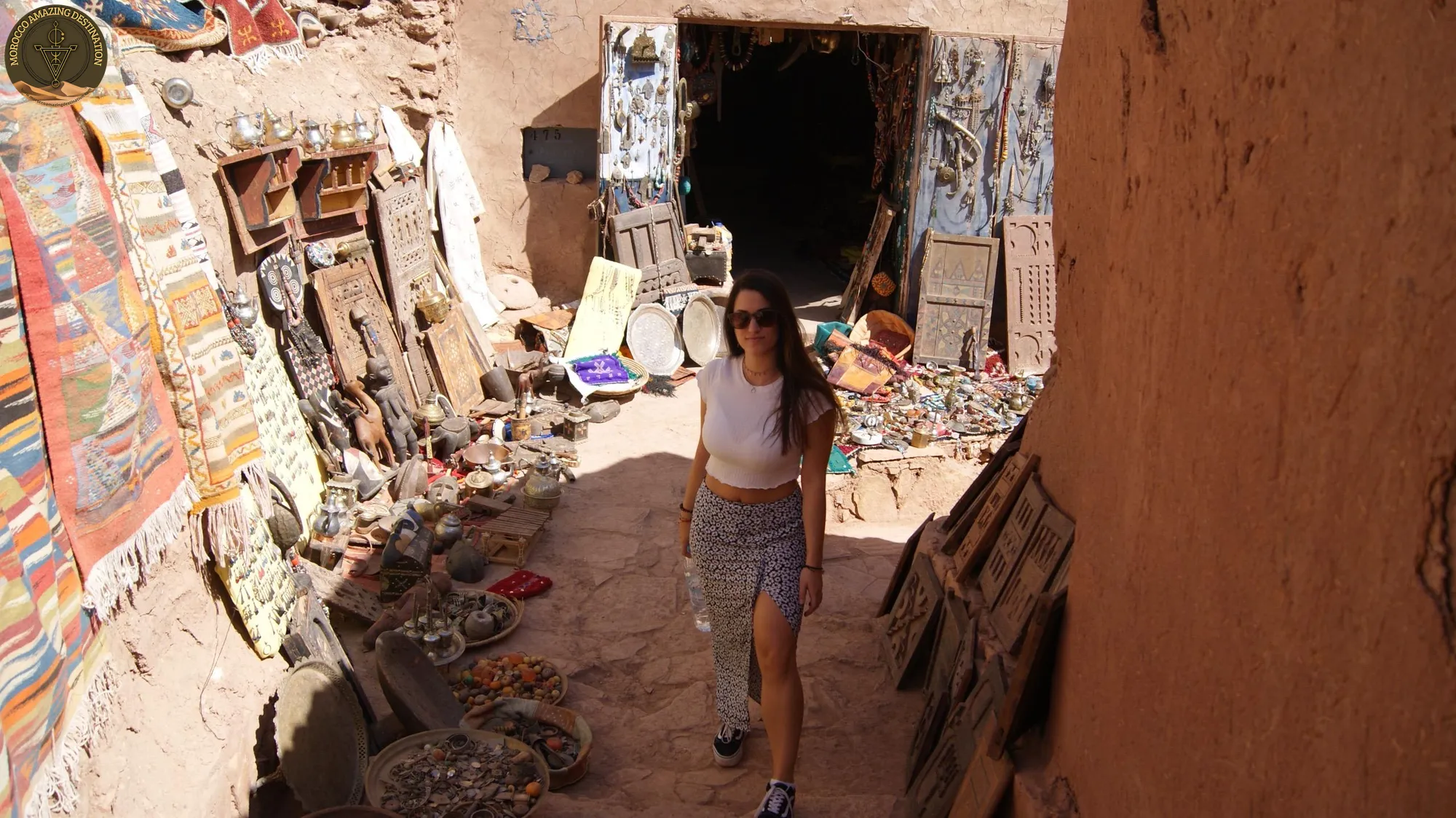
Figuring out what to buy in Morocco can feel overwhelming — every winding medina alley reveals another treasure, from handwoven carpets and aromatic spices to delicate silver jewelry and intricately carved woodwork. Whether you are exploring the bustling souks of Marrakech, the artisan workshops of Fes, or the coastal galleries of Essaouira, Morocco is a shopper’s paradise with unique, authentic products at incredible prices.
This Morocco shopping guide walks you through the best Moroccan souvenirs, where to find them, how to get the best price, and which items to leave on the shelf. By the end, you will know exactly what to bring home and how to shop with confidence.
Top 10 Authentic Moroccan Souvenirs
1. Argan Oil — Morocco’s Liquid Gold
No trip to Morocco is complete without a bottle of pure argan oil. Known as “liquid gold,” this versatile oil is used for cosmetics, cooking, and traditional medicine. Morocco is the only country in the world where argan trees grow, making it a truly unique souvenir.
Look for 100% pure argan oil sold in dark glass bottles. Cosmetic-grade oil has a light, subtle nutty scent, while edible argan oil is darker and has a toasted flavor. The best place to buy authentic argan oil is directly from women’s cooperatives in the Souss-Massa region, especially around Essaouira and Agadir.
Price range: 50-150 MAD (5-15 USD) for a small cosmetic bottle.
2. Moroccan Leather Goods
Moroccan leather is world-famous for its quality and craftsmanship. The tanneries of Fes, particularly the iconic Chouara Tannery, have been producing leather using the same methods for over a thousand years. From supple leather babouche slippers to hand-tooled bags, wallets, belts, and poufs, the variety is staggering.
Babouche slippers are the most iconic leather item, available in every color imaginable. Pointed-toe styles are traditional, but you will also find round-toe versions and modern designs. For the best quality, check the stitching and smell the leather — genuine leather has a rich, earthy aroma.
Where to buy: Fes medina (best for leather), Marrakech souks, and the Mellah (Jewish quarter) in major cities.
Price range: 60-200 MAD (6-20 USD) for babouches, 100-500 MAD (10-50 USD) for bags and larger items.
3. Handwoven Berber Rugs and Carpets
Berber rugs are among the most sought-after Moroccan souvenirs. Each rug tells a story — the patterns and symbols woven into the fabric represent the weaver’s tribe, region, and personal history. These rugs are handcrafted by Amazigh women in the Atlas Mountains and are made from wool, camel hair, or sometimes cotton.
Popular styles include:
- Beni Ourain rugs: Neutral cream with black geometric patterns, minimal and modern
- Azilal rugs: Colorful, abstract designs with vibrant patterns
- Boucherouite rugs: Made from recycled fabric scraps, eco-friendly and whimsical
- Kilim rugs: Flat-woven with intricate geometric designs
Where to buy: Cooperative shops in the Atlas Mountains, Marrakech carpet souks, or directly from weaving villages.
Price range: 500-10,000 MAD (50-1,000+ USD) depending on size, materials, and workmanship.
4. Moroccan Pottery and Ceramics
From the cobalt blue pottery of Fes to the colorful hand-painted ceramics of Safi, Moroccan pottery is both beautiful and functional. You will find tagine dishes, serving platters, bowls, decorative tiles, and ornate vases in patterns that reflect Morocco’s Islamic geometric art tradition.
Fes pottery is known for its deep blue designs on white backgrounds, often featuring intricate floral and geometric motifs. Safi pottery tends to be more colorful with green, yellow, and red accents. Both cities have pottery districts where you can watch artisans at work.
Where to buy: Fes pottery quarter, Safi workshops, or pottery stalls in any major souk.
Price range: 30-200 MAD (3-20 USD) for small pieces, 100-500 MAD (10-50 USD) for tagines and larger items.
Tip: When buying a tagine for cooking, make sure it is glazed on the inside for food safety. Decorative tagines may have lead-based paints and should only be used for display.
5. Traditional Moroccan Lanterns
Few souvenirs capture the magic of Morocco like a handcrafted metal lantern. Made from brass, iron, or tin, these lanterns cast intricate patterns of light that transform any room. You can find everything from small tea light holders to large, room-dominating chandeliers.
Traditional designs feature stars, arches, and geometric cutouts. Colored glass panels — in amber, blue, green, and ruby — add warmth when the lantern is lit. For easier transport, many vendors sell flat-packed lanterns that you can assemble at home.
Where to buy: Marrakech’s Souk Haddadine (blacksmiths’ souk), Fes Souk el-Nejjarine, or dedicated lantern shops in any medina.
Price range: 50-500 MAD (5-50 USD) for medium lanterns, up to 2,000+ MAD (200+ USD) for large or intricate pieces.
6. Moroccan Spices and Ras el Hanout
Moroccan cuisine owes its soul to its spices, and bringing home authentic blends is like bottling the flavor of your trip. The king of Moroccan spice mixes is Ras el Hanout — literally “head of the shop” — which can contain up to 30 different spices including cardamom, cumin, cinnamon, ginger, turmeric, and rose petals.
Other must-buy spices include:
- Saffron: Look for deep red threads — Moroccan saffron from Taliouine is among the world’s finest
- Cumin: Essential for tagines and couscous
- Paprika and Harissa: For heat and depth
- Dried rose petals: Used in both savory and sweet dishes
Where to buy: Souk el Attarine in Marrakech, herbalist shops (herboristeries) in Fes, or spice stalls in any medina. Buy whole spices when possible for longer shelf life.
Price range: 20-80 MAD (2-8 USD) per 100g for most spices, saffron is significantly more expensive at 30-100 MAD (3-10 USD) per gram.
7. Moroccan Tea Sets
The mint tea ceremony is central to Moroccan hospitality, and a traditional tea set makes for a beautiful and practical souvenir. A complete set includes a silver-plated or brass teapot, small decorated tea glasses, and a serving tray.
Moroccan tea glasses are typically small, colorful, and decorated with gold or silver geometric patterns. The teapots curve elegantly and some feature intricate hand-engraving. Together, they bring a touch of Moroccan warmth to any home.
Where to buy: Any souk in Marrakech, Fes, or Meknes. Higher-quality silver sets are found in jewelry districts and specialist shops.
Price range: 80-300 MAD (8-30 USD) for a basic set of teapot and glasses, 500-2,000+ MAD (50-200+ USD) for engraved silver-plated sets.
8. Berber Silver Jewelry
Traditional Amazigh jewelry is bold, heavy, and rich in symbolism. Crafted from silver — sometimes with coral, amber, or enamel accents — each piece represents Berber identity and heritage. Common motifs include the fibula (a triangular brooch used to fasten clothing), heavy necklaces with amber beads, ornate earrings, and chunky bracelets known as khalkhal.
Authentic Berber jewelry often shows signs of handcrafting — slight asymmetries, hand-stamped patterns, and natural stone inclusions are all good signs. Many pieces are antique or vintage, carrying decades or even centuries of history.
Where to buy: Jewelry souks in Marrakech, Fes, and Tiznit (the silver capital of Morocco). For antique pieces, visit specialist dealers in the Mellah or reputable galleries.
Price range: 100-2,000 MAD (10-200 USD) depending on weight, age, and silver content.
9. Thuya Wood Crafts
If you visit the coastal city of Essaouira, you will notice the distinctive scent of thuya wood — a fragrant, burled wood native to the Atlas Mountains and prized for its rich grain and aroma. Local artisans carve thuya into jewelry boxes, chess sets, writing desks, picture frames, and intricate marquetry furniture.
The burled root is the most valuable part, featuring swirling, marbled patterns unique to each piece. Smaller items like boxes and frames are easy to pack, while larger furniture pieces can be shipped.
Where to buy: Essaouira’s medina and the woodworking cooperatives along Rue Ibn Rochd. You will also find thuya products in Marrakech and Fes, but Essaouira offers the best quality and prices.
Price range: 50-200 MAD (5-20 USD) for small boxes, 300-3,000+ MAD (30-300+ USD) for larger or inlaid pieces.
10. Textiles: Kaftans, Scarves, and Blankets
Moroccan textiles range from practical to luxurious. A traditional kaftan or djellaba makes a stunning gift, hand-embroidered with silk thread and often trimmed with elaborate buttons and braiding. For something lighter, cotton or linen scarves in vibrant colors and patterns are easy to pack and universally appreciated.
Sabra silk, also known as cactus silk, is a popular semi-synthetic fiber used for scarves, cushion covers, and throws. While not true silk, it has a beautiful drape and comes in intense colors. Handira wedding blankets, covered in sequins and originally made by Berber families for brides, have become popular decorative pieces worldwide.
Where to buy: Marrakech and Fes souks for kaftans and scarves, the Atlas Mountains and cooperative shops for handira blankets.
Price range: 50-200 MAD (5-20 USD) for scarves, 200-1,000 MAD (20-100 USD) for kaftans, 300-2,000+ MAD (30-200+ USD) for handira blankets.
Where to Buy Authentic Moroccan Souvenirs
The best things to buy in Morocco come from specific regions and cities known for particular crafts:
- Marrakech: The ultimate shopping destination with the largest concentration of souks. Best for leather, lanterns, spices, and carpets. Start at Souk Semmarine and let yourself get lost.
- Fes: The artisan capital. Best for leather goods, pottery, ceramics, and brass work. The Fes medina’s craft districts are organized by trade, making it easy to compare quality and prices.
- Essaouira: The place for thuya wood products, silver jewelry, and a more relaxed shopping experience. The medina is compact and walkable with less hustling than Marrakech.
- Chefchaouen: Best for woolen goods, woven blankets, and unique mountain crafts. The smaller souk is less touristy and prices are often lower.
- Atlas Mountain villages: For the most authentic Berber rugs and directly supporting the women who weave them. Visit cooperatives rather than middlemen shops in the city.
- Government-run craft shops (Ensemble Artisanal): Found in most cities, these fixed-price shops are a good place to gauge fair prices and learn about different crafts without the pressure of haggling.
How to Bargain Like a Pro in Moroccan Souks
Bargaining in Morocco is not a confrontation — it is a social ritual, a dance between buyer and seller. Follow these rules and you would not only get a fair price but also earn the vendor’s respect:
- Start low, but not insultingly low. Offer around 40-50% of the initial asking price. This leaves room for negotiation.
- Stay friendly and smile. Aggression gets you nowhere. A cup of mint tea offered by the vendor is part of the ritual — accept it.
- Know the value. Walk through the souk first and compare prices at multiple stalls before committing. This gives you a realistic sense of the market.
- Do not show excessive enthusiasm. If you look too eager, the price goes up. Stay casual and be prepared to walk away.
- Walk away if needed. The most powerful bargaining tool is your feet. If the seller does not meet your price, politely decline and start walking. Often, you will be called back with a better offer.
- Buy in multiples. If you are buying several items from the same vendor, negotiate a package price.
- Pay in cash and carry small bills. Exact change gives you more control. In Morocco, the local currency (Moroccan Dirham — MAD) is preferred.
- Know when to stop. If you have negotiated for 10 minutes and are within 20-30 MAD (2-3 USD), ask yourself if the difference is worth your time. It probably is not.
What NOT to Buy in Morocco
Not everything sold in Moroccan markets is worth your money. Keep an eye out for these common tourist traps:
- Fake fossils and minerals. Morocco is famous for genuine fossils from the Sahara, but many stalls sell plaster replicas. Buy from reputable dealers in Erfoud or Rissani if fossils are your goal.
- Imitation saffron. Real saffron consists of deep red threads. If the threads are uniformly bright red with no yellow-orange variations, or if the price seems too good to be true, it is likely safflower — a cheap substitute with no flavor.
- Mass-produced “Moroccan” goods. Many items in tourist-heavy souks are actually made in China. Check for handmade imperfections — real Moroccan crafts show signs of handcrafting, while factory goods are too perfect.
- Endangered species products. Avoid coral jewelry, items made from protected woods, and any animal products from endangered species — not only is it unethical, but it is also illegal to bring them through customs.
- Oversized furniture without a shipping plan. That stunning hand-carved door or massive brass table might be tempting, but unless the seller handles shipping, you will face significant logistics and customs challenges.
How to Pack and Ship Your Purchases Home
- Carry fragile items in your hand luggage. Lanterns, ceramics, and delicate jewelry should travel with you, carefully wrapped in clothing.
- For rugs and textiles: Ask the seller to roll and tie the rug tightly with plastic or fabric. Most airlines treat these as standard checked luggage if under the weight limit.
- For shipping: La Poste Maroc (Moroccan postal service) is affordable but slow. DHL and FedEx are faster but more expensive. Many established carpet and furniture dealers include shipping in the final price — negotiate this upfront.
- Customs considerations: Check your home country’s import limits. Most countries allow a reasonable amount of goods for personal use duty-free. Keep receipts for valuable items.
Morocco’s markets are unlike any other shopping experience in the world. Whether you leave with a single bottle of argan oil or a carpet big enough to fill a room, every purchase carries a story of the artisan who made it, the city where you found it, and the adventure of the haggle.
If you are ready to explore Morocco’s most iconic shopping destinations and want a seamless, guided experience, consider combining your souvenir hunt with a well-planned itinerary.
Immerse yourself in the vibrant souks of Marrakech, then venture into the golden Sahara dunes and finish on the breezy Atlantic coast — the 8-Day Morocco Tour: Marrakech, Sahara Desert & Essaouira Adventure is a complete journey through the country’s best shopping cities and most breathtaking landscapes. With expert local guides and comfortable transport, you will have ample time to explore each medina and discover authentic treasures at your own pace.
For a route connecting Morocco’s two greatest artisan cities, the 4-Day Trip from Marrakech to Fes takes you from the red city’s sprawling souks through the High Atlas Mountains, past UNESCO kasbahs, and into the medieval medina of Fes — home to the world’s oldest continuously operating tanneries and some of the finest Moroccan handicrafts you will find anywhere.
If you found this helpful, add us as your preferred source on Google.
Frequently Asked Questions
What are the best souvenirs to buy in Morocco?
The best souvenirs to buy in Morocco include pure argan oil, handwoven Berber rugs, traditional leather babouche slippers, hand-painted ceramics and pottery, brass and iron lanterns, Ras el Hanout spices, Moroccan tea sets, Berber silver jewelry, thuya wood crafts from Essaouira, and colorful textiles like kaftans and scarves. These items are authentic, high-quality, and represent centuries of Moroccan craftsmanship.
How do you bargain in Moroccan souks?
Bargaining is expected in Moroccan souks and is part of the cultural experience. Start by offering about 40-50% of the initial asking price, then negotiate with a smile and patience. Take your time, be friendly but firm, and never show excessive enthusiasm for an item. If the seller won't meet your price, walking away often results in a better offer. Remember that the goal is a fair price for both parties, not the lowest possible amount.
Is it safe to buy argan oil in Morocco?
Yes, but you need to know what to look for. Authentic cosmetic argan oil should be 100% pure, sold in dark glass bottles, and have a light, nutty aroma. Avoid plastic bottles and products with added fragrances or ingredients. For edible argan oil, look for a deeper color and toasted aroma. The best places to buy genuine argan oil are women's cooperatives, especially in the Essaouira and Agadir regions, where you can often see the oil being extracted.
Can I ship souvenirs home from Morocco?
Yes, shipping souvenirs from Morocco is possible and often more practical than carrying bulky items. Most reputable carpet, ceramics, and furniture dealers offer international shipping services. Alternatively, you can use La Poste Maroc (the national postal service), DHL, or FedEx from major cities. For the best rates on large purchases like rugs or furniture, negotiate shipping as part of the sale. Allow 2-6 weeks for delivery depending on your destination.
- moroccan-souvenirs
- what-to-buy-in-morocco
- morocco-shopping-guide
- moroccan-handicrafts
- morocco
- shopping
- souk
- marrakech
- fes
- travel-tips
Ready for an Adventure?
Have questions? Feel free to contact us using the form below. We're here to help!