· Travel · 6 min read
What Currency Should I Take to Morocco? Expert Cash Guide
Wondering what currency should I take to Morocco? Learn what cash to bring, euros vs dollars, and how to handle dirhams hassle-free.
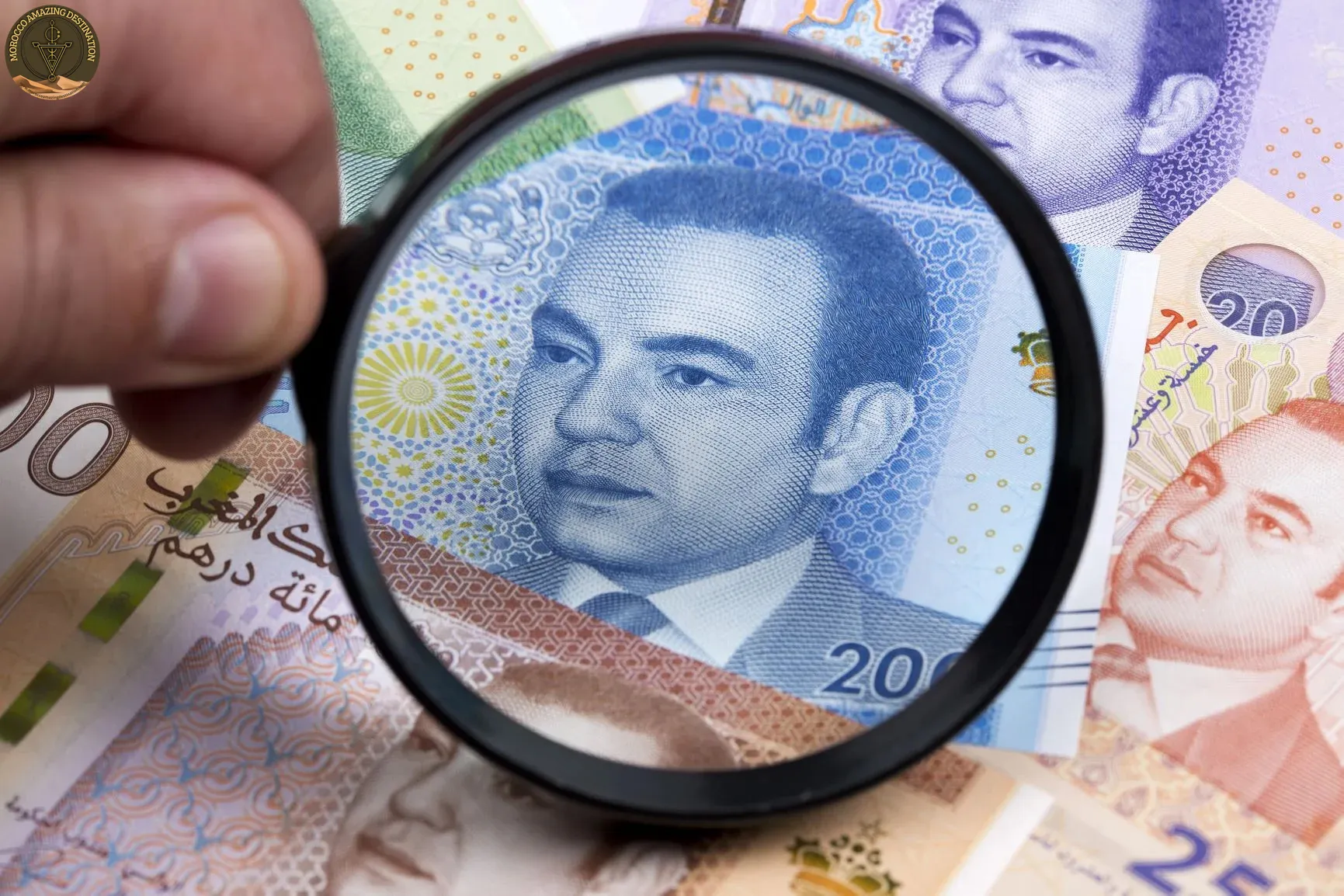
If you are wondering what currency should i take to morocco, the answer is simple: bring clean euros, plus US dollars or British pounds as backup, and plan to get moroccan dirham after you land. The morocco currency is closed, so you cannot buy it at a fair rate before you fly, and paying in foreign cash on the ground means poor change.
In this guide, we will break down what cash to pack, how the closed dirham works, and how to handle ATMs, cards and daily spending so your trip feels hassle-free.
The Moroccan Dirham Is a Closed Currency — What That Means
The currency in morocco is the moroccan dirham, code MAD, divided into 100 santimat. Bank Al-Maghrib issues notes of 20, 50, 100 and 200 dirhams and coins up to 10 dirhams, according to Bank Al-Maghrib and the Office des Changes.
The dirham is closed, or partially convertible. That means banks outside Morocco rarely stock it, and when they do, the rate is weak. Do not waste time hunting for dirhams at home. Bring foreign cash and exchange or withdraw dirhams after arrival for a much fairer rate. The currency is managed against a basket of 60% euro and 40% US dollar, with a band that keeps daily reference rates fairly stable.
There are also legal limits to know. You may not carry more than 2,000 MAD across the border in either direction. You can bring any amount of foreign cash, but you must declare it on entry and exit if it equals or exceeds 100,000 MAD. Keep your exchange receipts, as you will need them if you want to reconvert leftover dirhams when you leave.
- What closed means for you: buy dirhams inside Morocco, not before you fly.
- Import limit: do not carry more than 2,000 MAD over the border.
- Declaration: declare foreign cash equivalent to 100,000 MAD or more.
What Currency to Put in Your Bag: Euros, Dollars and Pounds
Euros are the best currency to bring. In Marrakech, Fes, Casablanca and Tangier, well-run exchange offices close to the official rate usually add only a small margin on euros. US dollars come second with a slightly wider spread but still a solid option everywhere. British pounds are also widely accepted in tourist cities, though the rate is typically softer.
Condition matters more than you think. Exchangers and banks are strict about notes. Bring recent, flat, clean notes with no tears, stains, writing or heavy creases. Only Bank of England notes are reliable for sterling, and coins or damaged bills are almost always refused. Canadian dollars or Swiss francs can be changed in larger cities, but the market is thinner, so you will get a better deal with euros or US dollars.
Do not plan to pay directly in foreign currency. Some bazaar sellers may accept euros or dollars, but the rate will be poor and your change will come back in dirhams anyway. It is far better to exchange into dirhams first. For the best place and timing to exchange, see our companion guide on is it better to exchange money in Morocco, which covers where and when in detail while this post focuses on what to pack.
- Best to bring: euros first, then US dollars, then British pounds.
- Notes only: bring clean, recent banknotes — no coins, no torn or marked bills.
- Other currencies: CAD and CHF only in big cities — prefer euros or dollars instead.
ATMs, Cards and Cash on the Ground
ATMs are your backup plan and they work well in cities. Major networks such as Attijariwafa Bank, Banque Populaire, Bank of Africa, BMCI, CIH Bank and Al Barid Bank accept Visa and Mastercard with English and French menus. Most machines cap withdrawals at 2,000 MAD per transaction, though some BMCI machines allow 4,000 to 8,000 MAD, which helps you reduce fees.
Expect a local ATM fee of about 20 to 40 MAD per withdrawal, often around 35 MAD, plus any fee from your own bank. Always choose to be charged in MAD and decline conversion to your home currency. That dynamic conversion uses a weak rate and adds cost. Bring two different cards from different networks, notify your bank you are traveling, and withdraw a buffer before heading to the Atlas Mountains or Sahara.
Card acceptance is growing, but cash still rules where it matters most. Hotels, upscale riads, supermarkets, petrol stations and the ONCF train counters usually take cards. Souks, medinas, street food stalls, small cafes, taxis, tips and most desert or mountain villages are cash only. Merzouga, Mhamid and small Atlas villages often have one or no ATM, so arrive with dirhams.
- Where cards work: hotels, riads, supermarkets, petrol stations, larger restaurants.
- Where cash is essential: souks, medinas, taxis, tips, street food, desert camps.
- Smart routine: withdraw before remote drives, break 200 MAD notes early, keep 1, 2, 5 and 10 MAD coins for small purchases.
Keep a practical cash cushion. Many travellers feel comfortable landing with 500 to 1,000 MAD for the first taxi, SIM and tea, then budgeting around 300 to 600 MAD per person per day for meals, taxis and small shopping in cities. That baseline covers daily life while your private driver and hand-picked riads — the real Morocco, feel-like-family touches that make the trip hassle-free — handle the bigger logistics.
Plan Your Cash Strategy and Enjoy a Hassle-Free Trip
A simple plan keeps money stress off your itinerary. Pack a slim bundle of clean euros as your main reserve, tuck away dollars or pounds as backup, and convert to dirhams after landing. Use city-centre exchange offices for your first batch, ATMs for top-ups, and keep exchange receipts until departure in case you reconvert.
With cash sorted, you can focus on the experience itself. A private, tailor-made tour with a local driver makes moving between medinas, valleys and dunes smooth, and you will appreciate having small dirhams ready for mint tea, henna artists, guides and market finds without hunting for a machine in the heat.
If you want that easy, well-paced flow, consider our 10-Day Morocco Tour from Marrakech, which links imperial cities, gorges and the Sahara with hand-picked riads and real local expertise. For a culture-rich loop, the 8-Day Tour from Casablanca to Morocco Imperial Cities is ideal for first-time visitors who want depth without rushing.
We can customize a tour to match your needs — design your perfect itinerary
If you found this helpful, add us as your preferred source on Google.
Frequently Asked Questions
What currency should I take to Morocco?
Bring clean euros as your main cash — they get the best rate — plus US dollars or British pounds as backup. You will exchange them for Moroccan dirhams after landing, as the dirham is a closed currency you cannot get at a good rate abroad.
Can I buy Moroccan dirhams before I go?
You can try, but it is not recommended. Banks outside Morocco rarely stock dirhams and offer poor rates. Bring euros, dollars or pounds and exchange them in Morocco for a much better deal.
Is it better to take euros or dollars to Morocco?
Euros usually get the tightest spread over the official rate, followed by US dollars. British pounds are also accepted in tourist cities but with a wider margin. All notes must be clean and undamaged.
Can I use cards and ATMs in Morocco?
ATMs are widely available in cities and dispense dirhams, and cards work in hotels, riads and larger shops. Souks, medinas, taxis and desert areas are cash only, so always carry dirhams and withdraw before heading to remote regions.
Ready for an Adventure?
Have questions? Feel free to contact us using the form below. We're here to help!