· Travel · 14 min read
Weather in Morocco in December: Temperatures & Best Regions
Discover weather in Morocco in December: temperatures, sunshine, rainfall and best regions for your winter trip.
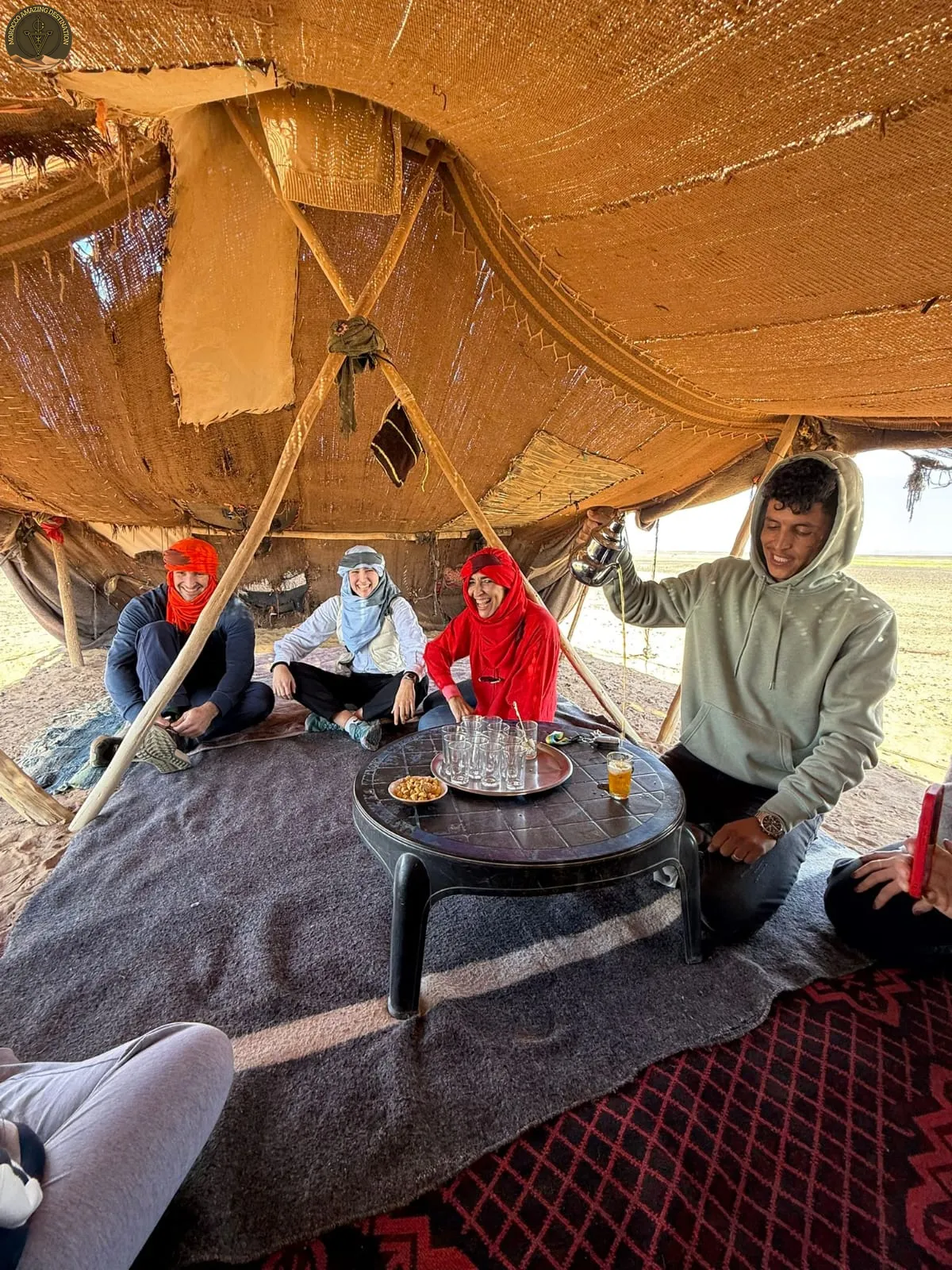
If crisp winter light, uncrowded medinas and star-packed desert nights sound like your ideal Morocco, understanding the weather in morocco in december turns hesitation into confidence. Many first-time visitors worry the same thing: will the desert be freezing, the Atlas snowbound, the coast too cool to enjoy? December is Morocco at its most contrasted and photogenic — mild, sun-washed afternoons for exploring and cold, clear evenings that reward thoughtful layering and a slower, more immersive rhythm.
This is the coldest month alongside January, not a washout. Days remain comfortably mild across lowlands and coast, the Sahara stays almost dry with exceptional clarity, and the low winter sun paints walls, dunes and gorges in soft gold. This guide breaks down the morocco weather december region by region, with sunshine, rainfall and sea conditions so you can choose the right route and pack smart — whether you are chasing desert silence, Atlantic breezes or imperial-city culture.
Weather in Morocco in December: What to Expect Across the Country
Weather in morocco in december brings mild days of 16–21°C, cold nights of 3–10°C, the shortest daylight of the year at around 10 hours and sunshine of 5.9–8.6 hours per day. Nationally expect a mean around 11–16°C, a diurnal swing of 12–20°C, sea temperatures of 17–18°C and rainfall that is heavily north-weighted, with the far north seeing 95–135 mm while the Sahara sees only 5–12 mm and one to two wet days.
- Daytime highs: 16°C to 21°C in most lowlands, up to 21–23°C on the warmest Atlantic coast at Agadir
- Nighttime lows: 3°C to 10°C in cities and coast, near or below freezing in the High Atlas above 1,800 m
- Diurnal swing: 12°C to 20°C is normal — the same day can feel like spring at noon and winter after dark
- Sunshine: 5.9 to 8.6 hours per day, roughly 177 to 221 hours for the month; Marrakech averages about 221 hours
- Daylight: Around 10 hours with sunrise near 08:13–08:34 and sunset near 18:22–18:38, with the earliest sunset in the first week and the winter solstice marking the shortest day
- Rainfall: Light in centre and south, moderate to heavy in the far north; most rain arrives as short, sharp showers rather than steady all-day rain
- Humidity: 47% in the desert, 66–77% inland, 77–82% on the exposed Atlantic north
- Sea: Atlantic 17–18°C, brisk for swimming but pleasant for coastal walks and building surf
The defining feature is winter contrast. On the same December day you can have dry, crystalline desert air and soft, showery Rif mountain light. According to Weather and Climate, Climate Data, WeatherSpark, Timeanddate and ClimatestoTravel, December is about 3°C cooler by day than November, with nights 4–5°C colder, and sunshine easing by about half an hour to one hour per day.
Temperature in Morocco in December: Region by Region
The temperature in morocco in december varies more with latitude, altitude and distance from the ocean than with any other factor in winter.
Marrakech & the Central Plains
Marrakech offers the classic December balance: mild, dry and highly walkable.
- Daytime highs: 18.7°C to 20.2°C on average
- Nighttime lows: 4.2°C to 7°C, crisp after sunset
- Mean: Around 11°C to 14°C
- Rain: 23 to 35 mm across 4 to 6 wet days
- Sun: 7.1 to 8.6 hours daily at 221 hours for the month, humidity 66–67%, UV around 3–5
Mornings are luminous for the Majorelle Garden and Bahia Palace, midday suits courtyard cafes and souk browsing, and evenings call for a fleece and light down jacket on Jemaa el-Fnaa terraces. Compared with November at 22–23°C by day, December is noticeably cooler while staying pleasantly bright.
Fes, Meknes & the North-Central Cities
Fes mirrors Marrakech with a touch more cloud and winter rain.
- Daytime highs: 16.3°C to 18°C
- Nighttime lows: 5.3°C to 9°C
- Mean: Around 10.4°C to 13.7°C
- Rain: 58 to 70 mm across 6 to 10 wet days, with brief showers rather than persistent overcast
- Sun and cloud: Still mostly sunny, around 7.0 hours per day
This is excellent medina weather for walking tours, tanneries and rooftops at a relaxed winter pace. Pack a compact rain shell for the occasional sharp shower and warm layers for evening dining.
Sahara Desert — Merzouga, Erg Chebbi & Erg Chigaga
December is prime desert season for clarity, stargazing and fewer visitors, but nights are genuinely cold.
- Daytime highs: 18°C to 20°C, with near-cloudless skies
- Nighttime lows: 3°C to 7°C, often near 0°C before dawn; the swing reaches 15–20°C
- Mean: Around 11°C
- Rain: 5 to 11.6 mm across 1 to 2 days — essentially dry
- Sun: 10 to 12 hours of clear sun, humidity near 47%, light wind around 11 km/h
- Clarity: Exceptional visibility for sunrise camel treks and dune photography
Plan active dunes and 4x4 time for early morning and late afternoon, rest at midday in warm sun, and bring a thermal base, insulated jacket, beanie and warm socks for camp after dark. What feels like late spring by day becomes true winter at night.
Atlantic Coast — Essaouira, Agadir, Casablanca & Tangier
The coast moderates cold and adds breeze and winter surf.
- Essaouira: 19–20°C by day / 12–13°C at night, 54–55 mm and 7 wet days, sea around 18°C, windiest on the coast at 17 km/h
- Agadir: 21–23°C / 9.9–14°C, 41–60 mm and 2 to 5 wet days with some station variance, sea 18.4°C, around 10 hours of sun and UV near 6
- Casablanca/Rabat: 18.6–18.9°C / 8.5–10.5°C, 85–95 mm and 9 to 11 wet days, sea 18–19°C, around 5.9 hours of sun
- Tangier/Tetouan: 16–17.8°C / 9.6–12°C, 72–135 mm and 9 to 12 wet days, sea 17.3°C, noticeably wetter than centre and south
Expect bright, breezy afternoons, softer winter light for photography, and surf building around Taghazout and Essaouira. Swimming is brief without a wetsuit; southern beaches remain the most pleasant for extended coastal stays.
High Atlas Mountains — Imlil, Toubkal Valleys & Passes
For valleys and passes, December means true winter above 2,500 m.
- Imlil (1,800 m): Daytime 7.6–12°C, nights -4 to -2.5°C, mean near 0.5–1.8°C, snow common above 2,500 m
- Conditions: Natural snow is often sufficient for Oukaimeden lifts late in the month, while Tizi n’Tichka is markedly colder and windier than Marrakech
- Lapse rate: Allow 6–7°C drop per 1,000 m of elevation
- Trails: Valleys below 2,500 m can remain walkable with winter kit, but high passes and Toubkal summit require alpine equipment and flexible plans
Mornings demand an insulated jacket, midday rewards clear views of snow-dusted peaks and Berber villages, and evenings need fleece, beanie and gloves in mountain lodges.
Chefchaouen & the Rif Mountains
The blue city offers cool, crisp mountain air and the wettest regime in the country.
- Daytime: 13.6–16°C
- Nighttime: 6–7°C
- Rain: 117–132 mm across 11 wet days, the highest of any major destination — expect brief heavy showers with long clear intervals
- Light: Soft and diffused, ideal for medina photography without summer crowds
Bring a reliable waterproof and quick-dry layers. Showers tend to be short and intense, with bright spells between.
December at a Glance: Regional Comparison
A quick comparison helps you design a balanced itinerary. Data cited from Weather and Climate, Climate Data, WeatherSpark, Timeanddate, Weather Atlas and ClimatestoTravel; ranges reflect different stations and reporting periods.
| Region | Day / Night / Mean (°C) | Rain (mm) | Wet Days | Sun (h/day) | Sea (°C) |
|---|---|---|---|---|---|
| Marrakech & Central Plains | 18.7–20.2 / 4.2–7 / 11–14 | 23–35 | 4–6 | 7.1–8.6 (221h month) | — |
| Fes / Meknes | 16.3–18 / 5.3–9 / 10.4–13.7 | 58–70 | 6–10 | ~7.0 | — |
| Sahara Merzouga | 18–20 / 3–7 / ~11 | 5–11.6 | 1–2 | 10–12 | — |
| Ouarzazate (1,150 m) | 15.8–18 / 3–4 / 9.3–10.6 | 10–15 | 2–3 | ~8 | — |
| Essaouira | 19–20 / 12–13 / ~16 | 54–55 | 7 | ~6.5 | 18 |
| Agadir | 21–23 / 9.9–14 / ~15.8 | 41–60* | 2–5 | ~10 | 18.4 |
| Casablanca / Rabat | 18.6–18.9 / 8.5–10.5 / 13.6–14.7 | 85–95 | 9–11 | 5.9 | 18–19 |
| Tangier / Tetouan | 16–17.8 / 9.6–12 / 13.7–14.3 | 72–135 | 9–12 | 5.8–7.7 | 17.3 |
| Chefchaouen (Rif 600 m) | 13.6–16 / 6–7 / ~9.3 | 117–132 | 11 | ~6.5 | — |
| High Atlas Imlil (1,800 m) | 7.6–12 / -4 to -2.5 / 0.5–1.8 | ~33 | 4 | ~8.0 | — |
*Range flagged for Agadir where station microclimates differ; plan for the higher end if you prefer a conservative packing approach.
December vs November: How the Coldest Month Compares
If you are weighing late autumn against early winter, this contrast is decisive for packing and route choice.
| Indicator | November | December | Shift |
|---|---|---|---|
| Marrakech day | 22–23°C | 18.7–20.2°C | -3°C cooler |
| Marrakech night | 9–11°C | 4.2–7°C | -4 to -5°C colder |
| Fes day | 20–21°C | 16.3–18°C | -3 to -4°C cooler |
| Sahara day / night | 23–25°C / 7–14°C | 18–20°C / 3–7°C | -5°C day, nights can hit 0°C |
| Sunshine | 6.5–7.5 h/day | 5.9–8.6 h/day (more regional spread) | -0.5 to -1 h in north |
| Wet days north | 7–10 | 9–12 in Tangier, 11 in Chefchaouen | Doubles in far north, desert stays dry |
| Daylight | ~11h | ~10h10m, shortest of year | -50 min |
In short, December trades a few degrees of daytime warmth for exceptionally clear desert air, very quiet sites and a true winter mountain backdrop — with the same near-dry Sahara and only a modest increase in sunshine for the south.
Sunshine, Rain and Sea Temperatures in December
Beyond thermometers, these practical details shape daily plans:
- Sunshine and daylight: Shortest days of the year at about 10 hours. Marrakech averages about 221 hours for the month at 7.1–8.6 hours per day, Casablanca near 5.9 hours and Agadir near 10 hours. Sunrise moves from about 08:13 to 08:34 and sunset from about 18:22 to 18:38, with the earliest sunset in the first week and daylight slowly growing after the solstice.
- Rainfall pattern: Light in the Sahara and light in Marrakech and the south, moderate on the Atlantic coast, heavy in the far north. Most rain arrives as short, intense showers rather than steady all-day rain. A packable rain shell is wise north of Casablanca and essential in Chefchaouen and the Rif.
- Sea conditions: Coolest of autumn at 17–18°C. Agadir near 18.4°C, Essaouira near 18°C, Casablanca and Rabat near 18–19°C, Tangier near 17.3°C. Atlantic breezes keep beaches pleasant for walking at midday, while surf season peaks near Taghazout.
- Humidity and UV: Low in the desert near 47%, moderate inland at 66–67% and high on the coast at 77–82%. UV remains moderate at 3–5 in Marrakech and up to 6 in Agadir — sun protection is still important when the air feels fresh.
Is December a Good Time to Visit Morocco?
Is december a good time to visit morocco depends on what you value most — mild winter sun and uncrowded culture versus warm beach swimming and long daylight. For most travellers who enjoy sightseeing, desert clarity and a relaxed pace, the answer is yes, with thoughtful layering and a south-leaning route.
December is ideal if you want:
- Mild, stable days without heat, perfect for medinas and gardens at a comfortable winter pace
- Prime Sahara conditions: dry air, crystal-clear nights and comfortable camel treks with warm layers for camp evenings
- The quietest cultural sites of the season, with better availability and a calm, authentic atmosphere
- Golden, low-angle light prized by photographers and filmmakers, with longer shadows and earlier golden hour
- Superb mix in one trip: imperial cities, Sahara, Atlas valleys and relaxed Atlantic coast without summer intensity
- Seasonal character: palm oases, Berber markets, surf swells and the festive turn of Christmas and New Year in the south
Considerations:
- Evenings are cold everywhere — 3°C to 10°C is common in cities and desert, and well below freezing above 2,000 m, so insulated layers are non-negotiable
- Rain risk rises sharply northward; Tangier, the Rif and the Atlantic northwest may see 9 to 12 wet days with brief heavy showers
- Desert swings are dramatic; the same day can shift 15°C to 20°C from afternoon to midnight
- High Atlas above 2,500 m is wintry with frequent snow; high trekking needs alpine kit and flexible plans, and some high passes can be slow or temporarily closed after storms
- Daylight averages about 10 hours versus about 11 in November, so plan an efficient rhythm: morning medinas, midday sun or coastal air, late-afternoon dunes or valleys when light and temperature align
Overall, if you prefer temperate exploration over beach heat and do not mind an evening layer and an occasional northern shower, December is one of the most atmospheric windows for a first visit or a city-desert-coast loop.
What to Wear in Morocco in December
Packing for what to wear in morocco in december is about versatile winter layering rather than bulk. Conditions shift by region and by hour, so think system, not suitcase, with modest coverage for medinas and villages.
- Base layers: Light, breathable long-sleeve tops with thermal base for desert and Atlas nights; merino or synthetic that layers without bulk
- Warm layer: Fleece plus packable insulated down jacket for desert camps, Atlas evenings and breezy coasts; it handles 3°C to 10°C nights and sub-zero mountain lodges with a beanie
- Outer layer: Compact, packable rain jacket with hood for the north, Fes and Chefchaouen; light enough to carry daily, essential when a shower passes
- Cold-weather extras: Beanie, light gloves, warm socks and a scarf for desert camp after dark and early Atlas starts; these four items transform comfort
- Sun protection: Wide-brim hat, sunglasses, SPF 50+, lip balm and a light scarf for sun, wind or mosque visits — winter sun at low angle still burns
- Footwear: Comfortable walking shoes for cities, sturdy trainers or light hiking shoes for valleys; closed, grippy soles for potentially wet medina stones
- Daypack essentials: Reusable water bottle, small daypack and quick-dry layers to adapt from 18°C at noon to near freezing after dark
Daytime in cities, coast and desert often allows a light long sleeve in sun; evenings flip the script, so keep that insulated layer in your daypack. The principle is simple: dress for 18°C at noon and 4°C after dark on the same day, and add alpine insulation if you sleep above 1,800 m.
Best Places to Visit in Morocco in December
If you are curating the best winter route, build around the interplay of mild cities, prime dry desert and the warmest coast:
- Marrakech: Mild and relatively dry, ideal for palaces, gardens and souks without heat. Rooftop sunsets are spectacular in crisp, low winter light, and evenings are atmospheric with a warm layer.
- Merzouga & the Sahara: The star of the month for silence and stargazing — golden dunes, comfortable daytime camel treks and star-packed nights around modern luxury camps with private facilities. Nights are cold, so insulated comfort in camp matters more than ever.
- Agadir, Taghazout & Sidi Ifni: The warmest, sunniest coastal base in December at 21–23°C, with long beaches, milder evenings and peak surf. Best choice if you want the most hours of winter sun.
- Essaouira: Bright, relaxed and photogenic; great for ramparts, galleries and Atlantic strolls while surf builds. Wind-tempered and culturally rich for a coastal pause.
- Ouarzazate, Dades Valley & Todra Gorge: Dry and clear with dramatic landscapes and quiet roads — ideal between city and desert for photography and gentle walks; beautifully lit in low sun.
- Fes: Walkable and immersive in winter light, with fewer crowds for the great medina, tanneries and artisan quarters. Pair with Chefchaouen only if you accept the higher northern rain.
- Atlas Valleys (Imlil, Aït Bouguemez) below the snow line: Clear, culturally rich and serene for day hikes that stay beneath 2,500 m, with snow-capped backdrops for photos without needing alpine kit.
Move at a seasonal rhythm: medinas in the morning when air is fresh, sun or shelter at midday, and dune, gorge or valley excursions for late afternoon when low light and milder temperatures align.
Events, Light and Photography in December
December’s climate unlocks experiences that are less comfortable in high heat and rewards a flexible, light-led pace:
- Desert overnights with crisp days and pristine, high-contrast night skies for Milky Way viewing from private luxury camps — the driest, clearest air of the season
- Moussem of Tan-Tan in the southwestern desert, recognized as UNESCO Intangible Cultural Heritage, traditionally held with December dates that shift — a large gathering of nomadic culture, music and traditions when it falls in this window
- Zamane Festival in M’hamid El Ghizlane in the early part of the month, celebrating Saharan music and desert heritage at the edge of the dunes
- Coastal winter scenes from Essaouira to Agadir as Atlantic swells build and southern light stays bright for beach walks, harbour visits and photography
- Oukaimeden ski area often opening late in the month on natural snow above 2,500 m, a surprising winter counterpoint after desert warmth
- Photography advantage: Golden-hour light arrives earlier and lasts longer, with the sun lower in the sky — ideal for the UNESCO World Heritage site of Ait Benhaddou, Dades gorges and the blue streets of Chefchaouen. Midday sun is softer than in autumn, reducing harsh shadows on façades and dunes.
Travel with an unhurried pace. Shorter daylight rewards focus over distance — fewer stops done well, with time for tea, markets and sunset viewpoints, makes the most of December’s light curve.
Plan Your December Adventure
December rewards a well-designed circuit that chases the best conditions each day while protecting comfort on cold nights. A private vehicle with driver maximizes sightseeing and minimizes wasted transit — especially valuable when daylight is shortest — handling mountain passes, parking and timing so you can focus on culture, landscapes and people. Hand-picked riads and luxury desert camps with private facilities keep you warm when temperatures swing after dark, and experienced local guides share the real Morocco in a warm, hassle-free style that feels like family while keeping your itinerary flexible around weather windows.
For a balanced city, desert and coast journey that avoids high winter passes while ending on Atlantic light, the 8-Day Morocco Tour: Marrakech, Sahara Desert & Essaouira Adventure links imperial-city culture with dune sunsets and coastal breezes — a natural December south circuit. For festive winter travel built around the season’s highlight, the 8-Day Morocco New Year Tour: Fez, Sahara, Marrakech & Cultural Highlights blends Fez, Merzouga dunes, Dades and Marrakech with a luxury desert camp celebration tailored to year-end dates.
We can customize a tour to match your needs — design your perfect itinerary
If you found this helpful, add us as your preferred source on Google.
Frequently Asked Questions
What is the weather like in Morocco in December?
Expect mild days of 16–21°C and cold nights of 3–10°C, with the shortest daylight of the year around 10 hours, 5.9–8.6 hours of daily sunshine, and rainfall heavily concentrated in the north while the Sahara stays almost dry.
How cold does it get at night in Morocco in December?
Nights turn cold, averaging 4–7°C in Marrakech, 5–9°C in Fes, 3–7°C in Merzouga and down to -4°C in the High Atlas at Imlil, with a large diurnal swing of 12–20°C that makes warm layers essential after sunset.
Does it rain much in Morocco in December?
Rain is light in the centre and south with 23–35 mm in Marrakech and 5–12 mm in the Sahara, rising to 72–135 mm in Tangier and 117–132 mm in Chefchaouen where brief but sometimes heavy showers occur.
Is December a good time to visit Morocco?
Yes, for travellers who enjoy mild winter sun, clear desert nights and quieter sites. You get crisp sightseeing weather, prime stargazing and golden photography light, balanced against cold nights, short days and occasional northern rain.
Ready for an Adventure?
Have questions? Feel free to contact us using the form below. We're here to help!