
· Travel · 5 min read
Things to Do in Northern Morocco: Tangier to Chefchaouen
Discover the best things to do in northern Morocco — Tangier's medina, blue Chefchaouen, Tetouan, Asilah and Roman Volubilis, with route tips.
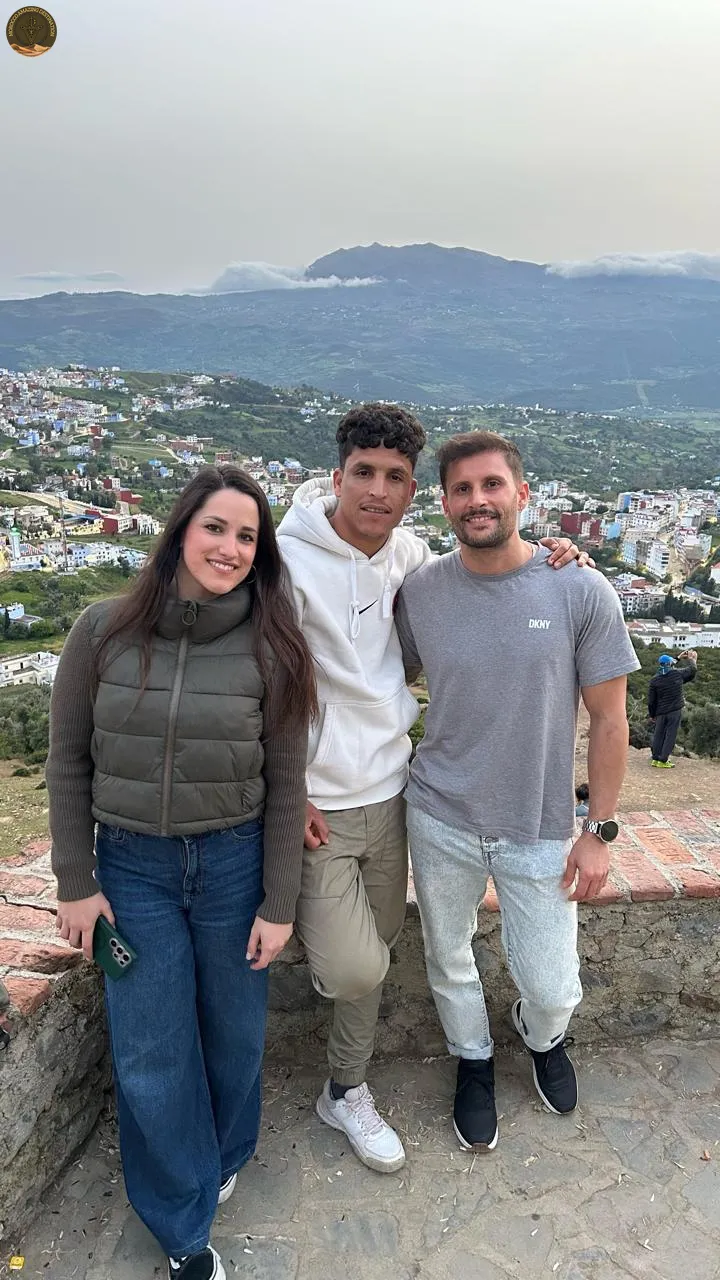
Northern Morocco packs a coastline, two seas and a mountain range into one compact loop. If you are searching for things to do in northern Morocco, the answer starts in Tangier, where the Atlantic meets the Mediterranean, and runs east to the blue streets of Chefchaouen. In between you can walk a Roman city, sleep in a Rif guesthouse and eat grilled sardines by the sea.
In this guide, we will break down the best places to visit in northern Morocco, the standout stops in each city, and how to link them into one relaxed private route.
Tangier — Where Two Seas Meet
Tangier is the natural gateway to the region and the easiest place to begin. Its hilltop Kasbah, walled medina and Grand Socco market square sit minutes apart, so you can walk the old town in a single morning. Order mint tea at a century-old cliffside café, then follow the corniche west to the Caves of Hercules and Cape Spartel, the headland where the Atlantic meets the Mediterranean.
Unlike Marrakech, Tangier faces the sea at every turn, and the light shifts twice a day as the two waters meet. The things to do in Tangier and Chefchaouen link naturally, since most travellers use Tangier as a base for day trips east. For the city in more detail, read our Tangier travel guide.
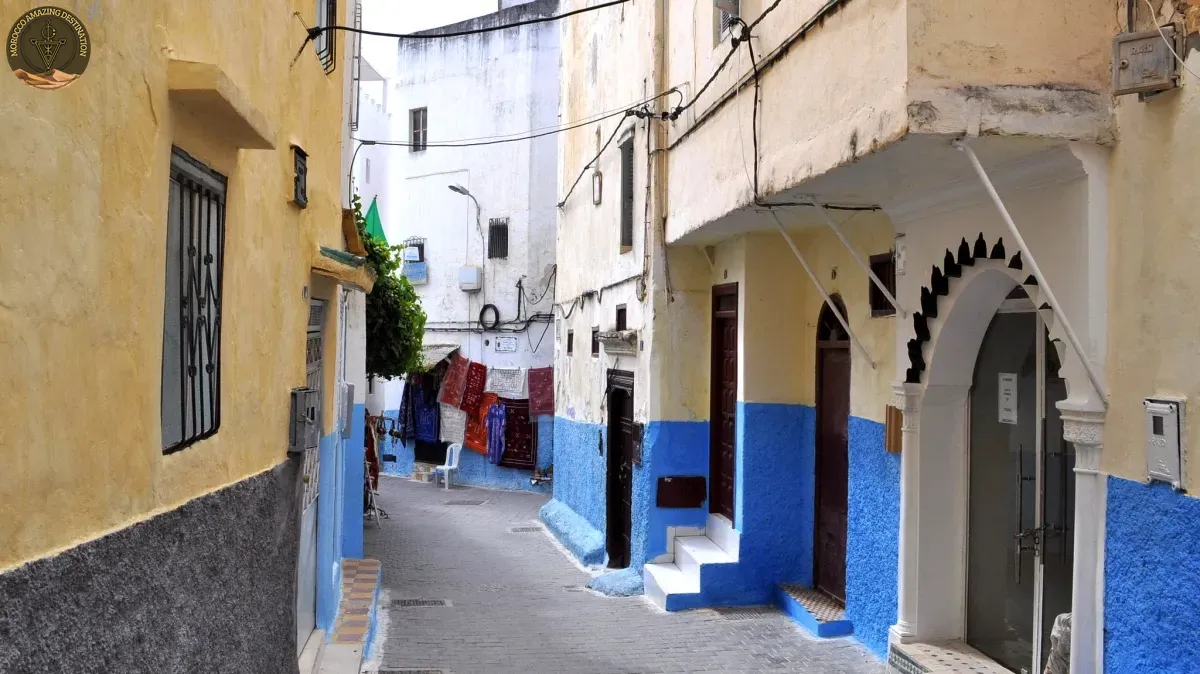
Key spots to recognise:
- Kasbah and medina: hilltop fort, narrow lanes and small craft workshops.
- Grand Socco: the square that divides the old town from modern Tangier.
- Caves of Hercules: sea-carved caverns on the Atlantic side of the city.
- Cape Spartel: headland and lighthouse with views over both seas.
Chefchaouen — The Blue Pearl of the Rif
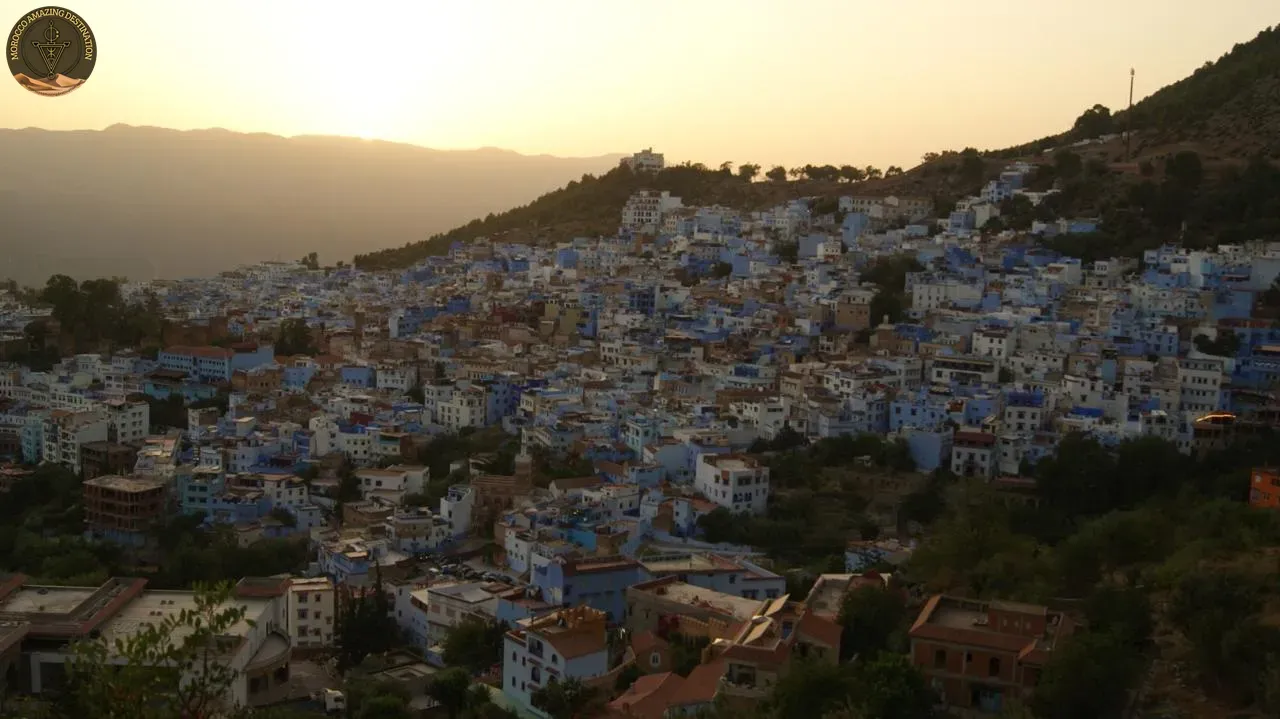
Chefchaouen, set high in the Rif Mountains, is the picture most people carry of northern Morocco. The whole medina is washed in blue, and the paint is a living local tradition with several stories behind it — think of them as lore rather than settled fact. Locals repaint the walls by hand each year, so the shades change gently from street to street.
Start at Uta Hammam square, climb to the 15th-century Kasbah and its small museum, then take the steps up to the Spanish Mosque for the classic sunset panorama over the valley. It also makes a calm two-night base for Rif walking, well away from the desert heat.
Beyond the postcard streets:
- Ras al-Ma spring: the old water source where locals still do their washing.
- Akchour waterfalls: an easy half-day hike with river pools and rock arches.
- Pont de Dieu: a natural stone bridge inside Talassemtane National Park.
- Talassemtane trails: cedar forest and Rif ridge walks for stronger hikers.
Tetouan, Asilah & the Mediterranean Coast
An hour east of Tangier, Tetouan hides one of Morocco’s finest medinas — a UNESCO World Heritage site nicknamed “Granada’s Daughter” for its Andalusian roots. Whitewashed alleys, the Royal Palace and working artisan workshops make it a calmer, more local counterpoint to Fes. Unlike Fes, you can cover the core of Tetouan on foot in half a day.
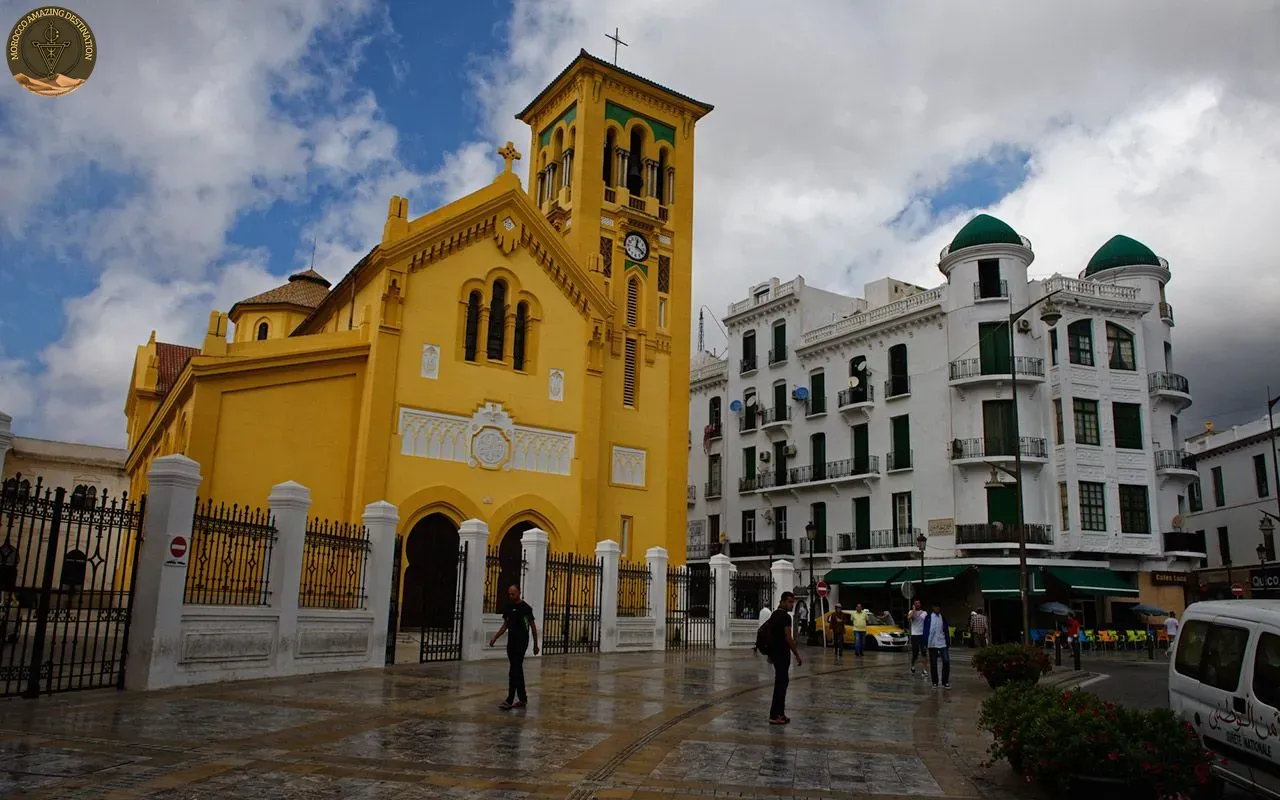
South along the Atlantic, Asilah is a compact walled town of Portuguese-era ramparts, whitewashed lanes repainted with fresh murals each festival year, and the seaside Sidi Mansour cemetery. The fresh seafood is some of the best on the coast.
Between the two runs the Mediterranean and Rif littoral — Martil, Cabo Negro, M’diq and Tamuda Bay, then Oued Laou, and far east Al Hoceima with clear bays and the Al Hoceima National Park coastline. Martil and M’diq are handy for a swim and a long seafood lunch between cultural stops.
Fes, Meknes & Volubilis — Imperial North
The cultural spine of the north runs south-east and then down the Atlantic coast. Fes holds a UNESCO-listed medina, the Al-Qarawiyyin university and its famous tanneries, and rewards at least a full day on foot. Give the tanneries terrace and a guided medina walk proper time, because thousands of lanes criss-cross the old city.
Meknes is a quieter UNESCO imperial city of monumental gates and long market streets, while nearby Volubilis keeps Roman mosaics on an open plain below the hill town of Moulay Idriss. That triangle alone justifies the trip south.
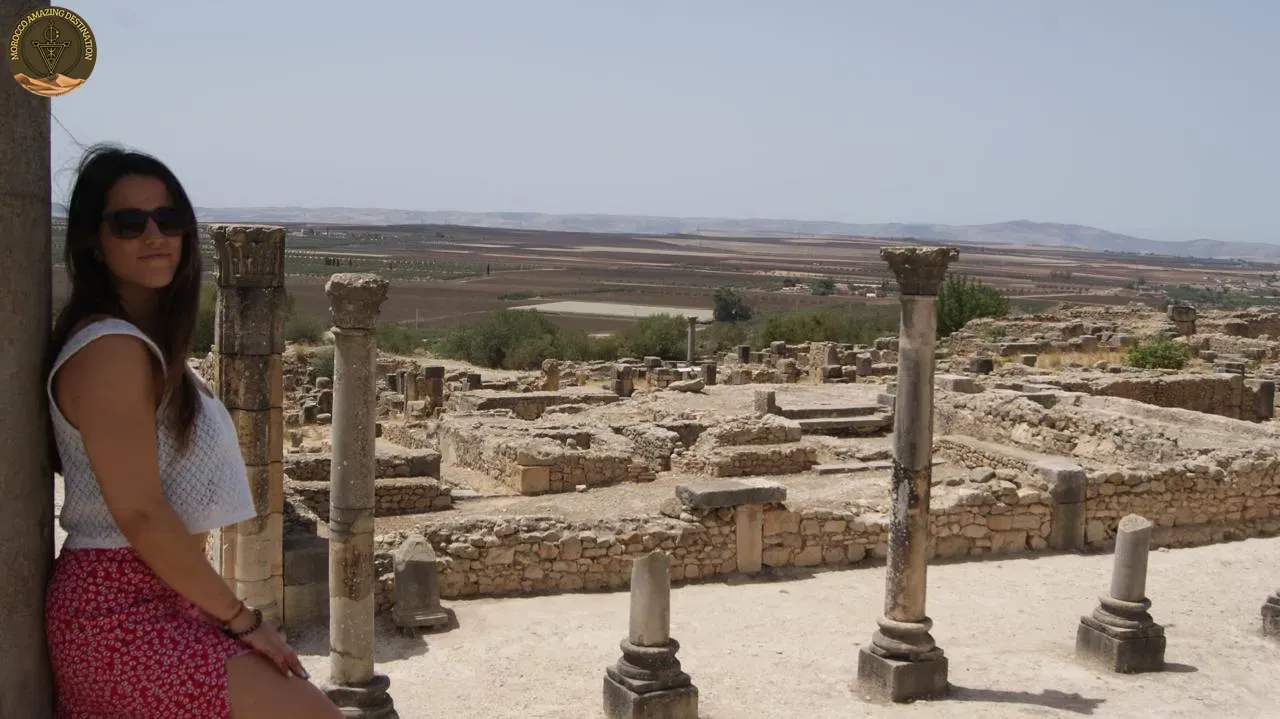
Finish in the capital, Rabat, where the Kasbah of the Udayas, the Hassan Tower and the Chellah necropolis sit close enough to cover on foot in an afternoon. Our guide to Rabat walks through the highlights in half a day.
Plan Your Northern Morocco Trip
A northern Morocco itinerary never has to mean a punishing drive. A private car and driver chains Tangier to Chefchaouen, Tetouan or Asilah, then Fes and Meknes, and finishes in Rabat. The Tangier–Rabat high-speed rail is a comfortable alternative for the coastal legs. Five to seven days covers that loop comfortably; add two more for Rabat and a Rif hiking stop.
How to get around:
- Private car and driver: full flexibility, door-to-door transfers and photo stops.
- High-speed rail: fast and easy between Tangier, Rabat and Casablanca.
- Spring and autumn: mildest weather for medina walks and Rif hikes.
- Winter: cold and green in the Rif, quiet and cheap in the cities.
Want the route arranged for you? Our 5 Days Tour to Chefchaouen & Imperial Cities from Tangier covers the blue city and the imperial north. If you want desert too, the 8 Days Northern Tour: Imperial Cities & Desert from Tangier adds the Sahara and the dunes at Merzouga.
We can customize a tour to match your needs — design your perfect itinerary
If you found this helpful, add us as your preferred source on Google.
Frequently Asked Questions
What are the best things to do in northern Morocco?
The highlights are Tangier's Kasbah and medina, the blue streets of Chefchaouen, Tetouan's UNESCO medina, the Roman ruins of Volubilis, and the walled towns of Asilah and Rabat. Most travellers mix city culture with Rif hiking or Mediterranean beaches.
How many days do you need to visit northern Morocco?
Five to eight days is enough to link Tangier, Chefchaouen, Tetouan or Asilah, and Fes or Meknes without rushing. Add two more days if you want Rabat and a slow Rif hiking stop.
Is Tangier or Chefchaouen better for a first trip to northern Morocco?
Tangier works better as a first base: it has an international airport, a walkable old town, and easy rail and road links. Chefchaouen is the more photogenic stay, so many travellers sleep one or two nights there as well.
How do you travel between Tangier, Chefchaouen and Fes?
A private car and driver is the most flexible option, with Tangier to Chefchaouen around two hours and on to Fes another four. Shared taxis and buses cover the same route more cheaply, but with fixed timetables.
Ready for an Adventure?
Have questions? Feel free to contact us using the form below. We're here to help!