· Travel · 5 min read
Moulay Ismail: The Sultan Who Built Imperial Meknes
Who was Moulay Ismail? Meet the sultan behind imperial Meknes, his 55-year reign, and how to visit his mausoleum.
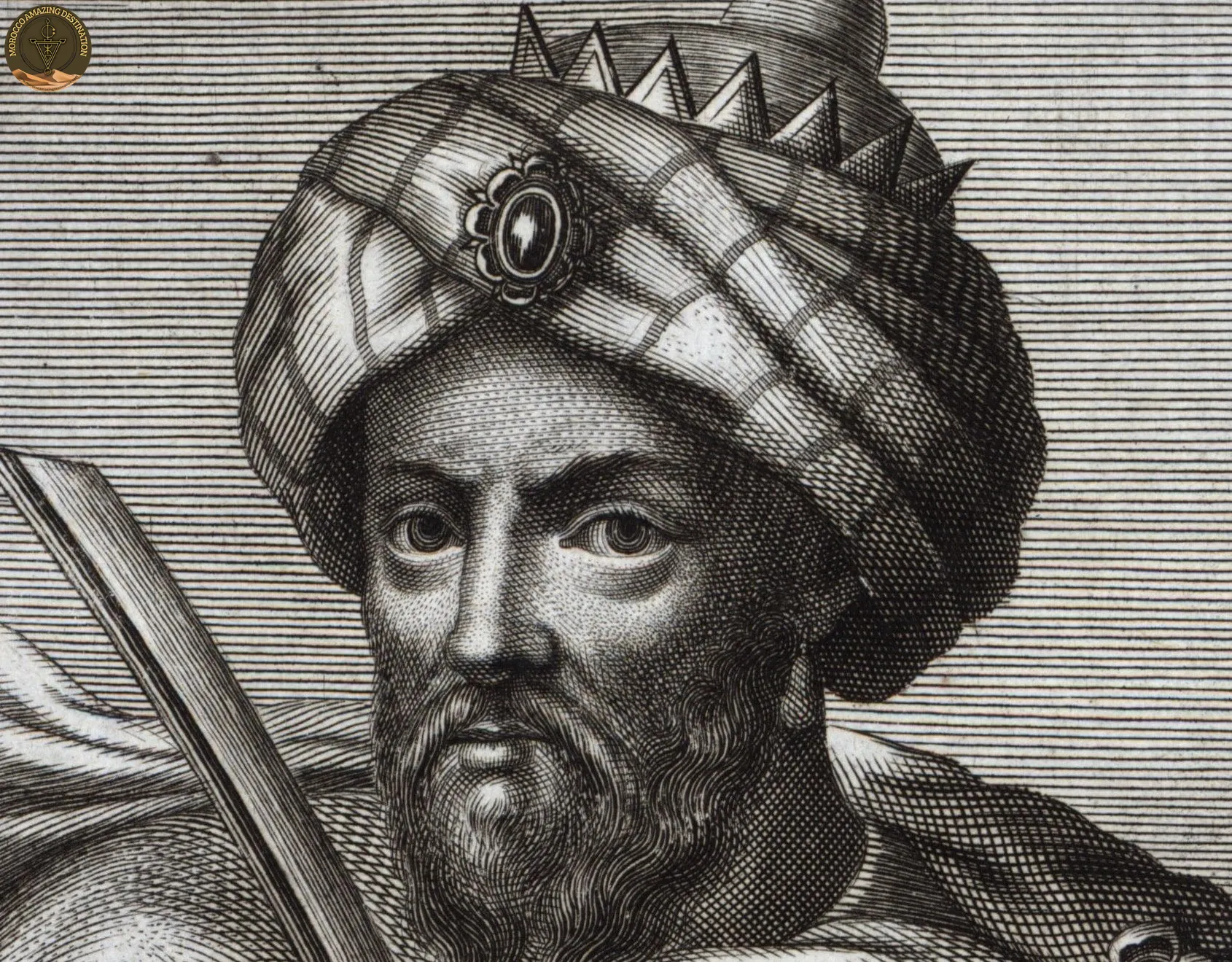
Walk through Meknes and one name follows you everywhere. Moulay Ismail, the Alaouite sultan who ruled Morocco for 55 years, turned this middle-sized town into an imperial capital. He reigned from 1672 to 1727, the longest reign of any Moroccan sultan.
In this guide, we will break down who he was, how he seized the throne, the army that held his empire together, the capital he built, and how you can visit his mausoleum.
Who Was Moulay Ismail - The Sultan Behind Meknes
Ismail was born around 1645 in Sijilmassa, a trading town on the edge of the Sahara. His father, Sharif ibn Ali, laid the foundations of Alaouite power, and the dynasty his family founded still reigns in Morocco today. Ismail grew up far from any throne, a younger son with little prospect of ruling. The town around him held older layers, including nearby Roman Volubilis, but nothing yet on an imperial scale.
That changed when his elder brother Rashid united much of the country and named Ismail governor of Fez and the north. When Rashid died suddenly, Ismail moved fast. The Sultan Moulay Ismail that history remembers was both a unifier and a feared ruler, a man who stabilized Morocco and punished resistance without hesitation.
Why his name is everywhere in Meknes:
- The capital: he made Meknes his seat of power and filled it with palaces, mosques, and walls.
- The dynasty: his Alaouite line still rules Morocco, so his legacy never left public life.
- The mausoleum: his tomb in the city stays open to visitors of all faiths.
From Seventh Son to Sultan - How Ismail Took the Throne
Ismail became governor of Fez around 1667, while his brother Rashid fought to unite the country. The post gave him an army, tax income, and a base in Morocco’s oldest imperial city. When Rashid died in 1672, Ismail had himself proclaimed sultan at Fez in April of that year.
The throne was far from secure. His nephew Ahmed ben Mehrez claimed power in the south, and several cities refused to pay taxes. Ismail spent his first decade putting down revolts, and his nephew was only subdued by the mid-1680s. Order came through heavy taxation, appointed governors, and garrisons placed across the country. Tax reforms filled the treasury, and the new garrisons kept trade routes open for caravans and merchants.
Abroad, he dealt with France, England, and Spain as an equal. He ransomed captives taken by the corsairs of Sale and pressed Morocco’s claims on occupied ports. By the end of his reign, the internal wars had stopped. Morocco had one ruler, one capital, and one army.
The Black Guard - The Army That Held an Empire Together
Morocco’s tribal levies had a habit of switching sides. Ismail answered with a standing army loyal to him alone, the Abid al-Bukhari. Its soldiers were bound to the sultan personally, and the corps took its name from the book of al-Bukhari on which they swore their oath. At its height it numbered in the tens of thousands.
The guard also powered his coastal campaigns. La Mamora fell in 1681 and Tangier in 1684, followed by Asilah, while the long siege of Ceuta never succeeded. He also checked Ottoman pressure from Algiers, and Moroccan authority over the Timbuktu pashalik continued under his rule.
What the Black Guard changed:
- Loyalty: soldiers answered to the sultan alone instead of tribal chiefs.
- Reach: garrisons across the country collected taxes and kept the roads safe.
- Ports: a permanent force let him retake coastal towns one by one.
Meknes - The Imperial Capital He Built
Meknes owes its imperial scale to one decision. Moulay Ismail Meknes was his chosen capital, raised from a modest town with palaces, mosques, and more than 40km of walls. He picked the site for its water, mild climate, and central position between Fez and the coast.
Work started fast. The Kasbah Dar al-Kebira was finished in 1679, and the Lalla Aouda Mosque rose beside it. Marble stripped from older Saadian palaces in Marrakech resurfaced in Meknes courtyards. Some projects outlived him: Bab Mansour, the great gate, was only completed in 1732 under his son Abdallah.
Much of the palace is gone now, damaged by the 1755 Lisbon earthquake and later neglect. For the full monument-by-monument walk, see our Meknes imperial monuments guide.
Key sights from his reign:
- Bab Mansour: the great gate, finished after his death.
- Heri es-Souani: vast granaries and stables that supplied the court.
- Agdal basin: the reservoir that watered the palace gardens.
Visiting the Mausoleum of Moulay Ismail Today
The Mausoleum of Moulay Ismail was first built in 1703 and enlarged after his death in 1727. His son Ahmad rests there too, alongside later rulers. It remains a place of pilgrimage, and unusually, one of the few Islamic monuments in Morocco open to non-Muslim visitors.
Inside, quiet courtyards with zellij tilework lead to a twelve-column patio and the tomb chamber itself. Look for marble reused from older palaces and two long-case clocks given by Louis XIV of France. Modest dress is expected, and shoes come off before the tomb room. Photography rules are simple, and the guardians will point you the right way.
Allow under an hour for the visit, then pair it with Roman Volubilis in the afternoon, an easy drive north. A private driver and local guide make the pair simple, with the imperial city in the morning and the ruins after lunch. His legacy fits in one line: the dynasty he secured still reigns, and the capital he built still carries his name.
To walk through his capital with a guide, consider our 8-day imperial cities tour from Casablanca, which covers Meknes, Volubilis, and Fez with time at the mausoleum. Travelers starting in the north often prefer the 7-day Morocco tour from Fes, which pairs Meknes and Volubilis with the Sahara and Chefchaouen.
We can customize a tour to match your needs - design your perfect itinerary
If you found this helpful, add us as your preferred source on Google.
Frequently Asked Questions
How long did Moulay Ismail reign?
Moulay Ismail ruled Morocco from 1672 to 1727, a 55-year reign that remains the longest of any Moroccan sultan. He was proclaimed at Fez in April 1672 and died in Meknes in March 1727.
Who were the Black Guard of Moulay Ismail?
The Black Guard, or Abid al-Bukhari, was a standing army personally loyal to the sultan, named for the book of al-Bukhari on which its soldiers swore their oath. Numbering in the tens of thousands, it freed Ismail from dependence on tribal levies and held his garrisons together.
Why did Moulay Ismail choose Meknes as his capital?
He chose Meknes for its water, mild climate, and central position between Fez and the coast. From there he raised a vast kasbah of palaces, mosques, walls, and gates that still defines the city today.
What should I know before visiting the Mausoleum of Moulay Ismail?
Yes. The mausoleum is one of the few Islamic monuments in Morocco open to non-Muslim visitors. Dress modestly, allow under an hour, and pair it with nearby Volubilis for a full half day.
Ready for an Adventure?
Have questions? Feel free to contact us using the form below. We're here to help!