
· Travel · 5 min read
How to Relax in Morocco: Four Places That Slow You Down
Steam in a hammam, tea on a rooftop, wind in Essaouira and silence in the Sahara: how to relax in Morocco at a pace that suits you.
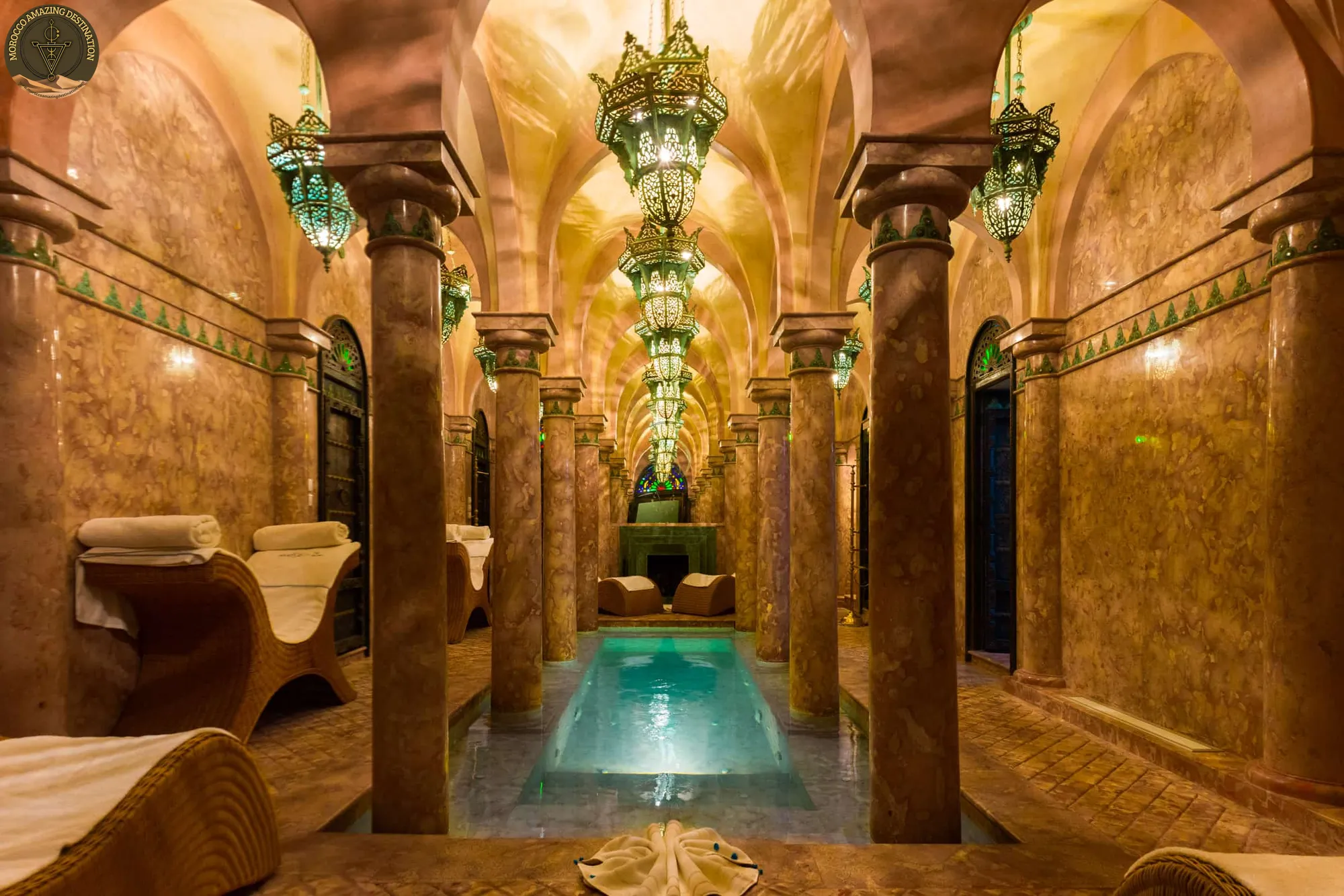
Morocco rewards the traveller who leaves room in the day. Heat and tea decide the pace, and the good moments tend to arrive between the sights: a shaded rooftop, a steam room where nobody checks the clock, a beach with wind in it. Learning how to relax in Morocco comes down to reading four settings properly: the bathhouse, the roof, the coast and the desert.
This guide gives prices, timing and the etiquette a first-time visitor needs, so rest can sit inside a normal itinerary.
Inside a Hammam: Steam, Soap and Etiquette
Prices run from 10 to 25 MAD at a neighbourhood bathhouse to 800 MAD and past 1,500 MAD at a palace spa. Fix the price before you undress, since quotes close to Jemaa el-Fna can double.
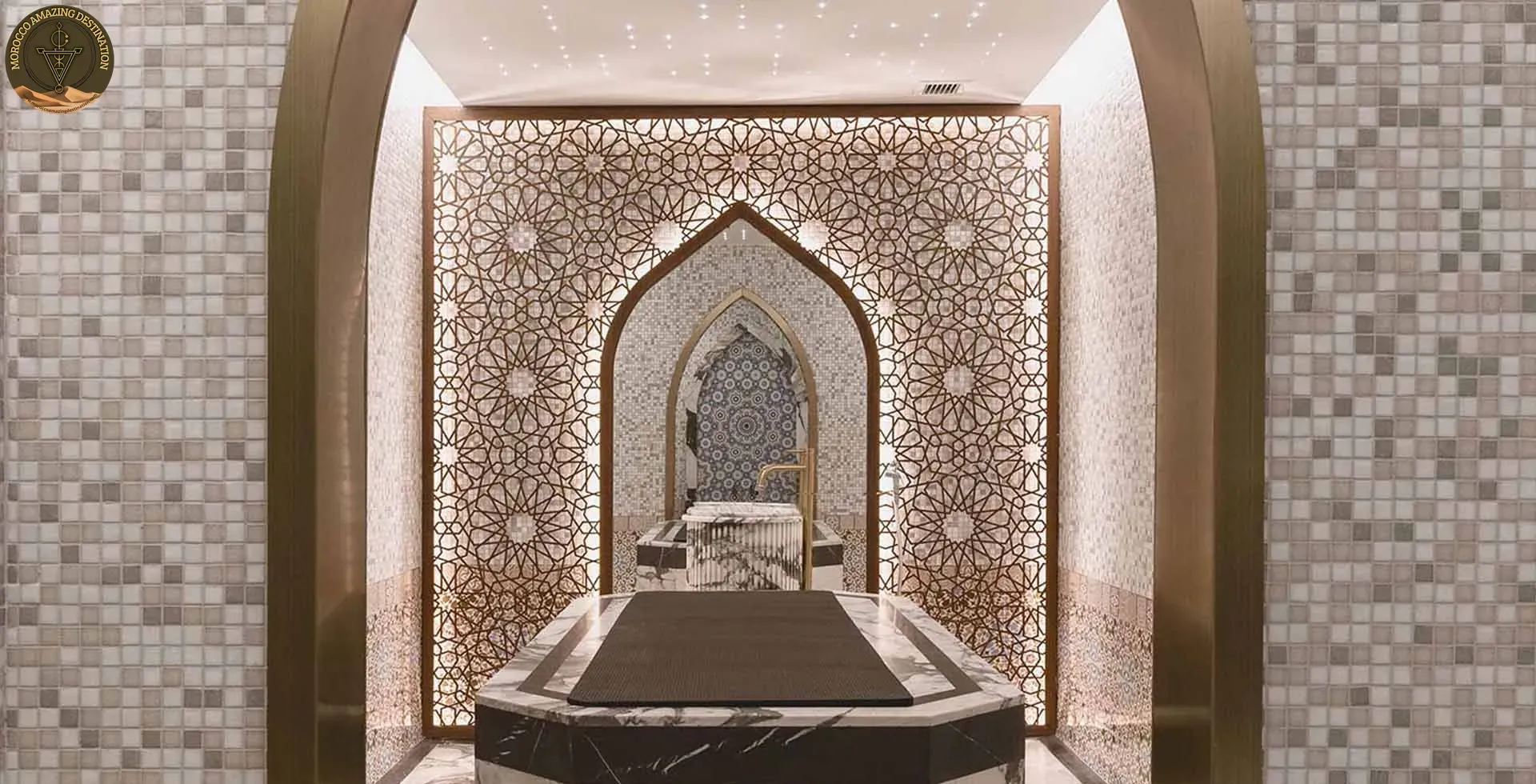
Moroccan hammam etiquette follows a fixed order:
- Sit in the heat until the skin softens.
- Spread savon beldi, an olive-oil soap, over the body and leave it 5 to 10 minutes.
- Rinse, then work the kessa glove over the skin in firm, long strokes.
- Finish with ghassoul, a clay mined at Jbel Rhassoul in the Moulouya valley.
Keep underwear or swim bottoms on and wrap yourself in a fouta. Attendants are the same sex as the bather, and bathhouses split men and women by room or by hours, often women in the daytime and men in the evening. Book a private room when a couple wants to stay together. A kit of savon beldi, kessa and ghassoul costs 30 to 50 MAD at a souk stall. The hammam in Fes guide breaks the tiers down in more detail, and the luxury spa Marrakech guide covers palace treatments in the city.
Rooftops, Tea and the Long Pour
Atay keeps its own time. Gunpowder green tea, fresh spearmint and sugar go into a berrad, and the pour from 30 to 60 cm is what builds the foam. Three glasses count as a visit; one is a hurry. A glass on a medina rooftop costs 15 to 25 MAD, and the seat comes with shade and other people’s conversations rising from the lane below.
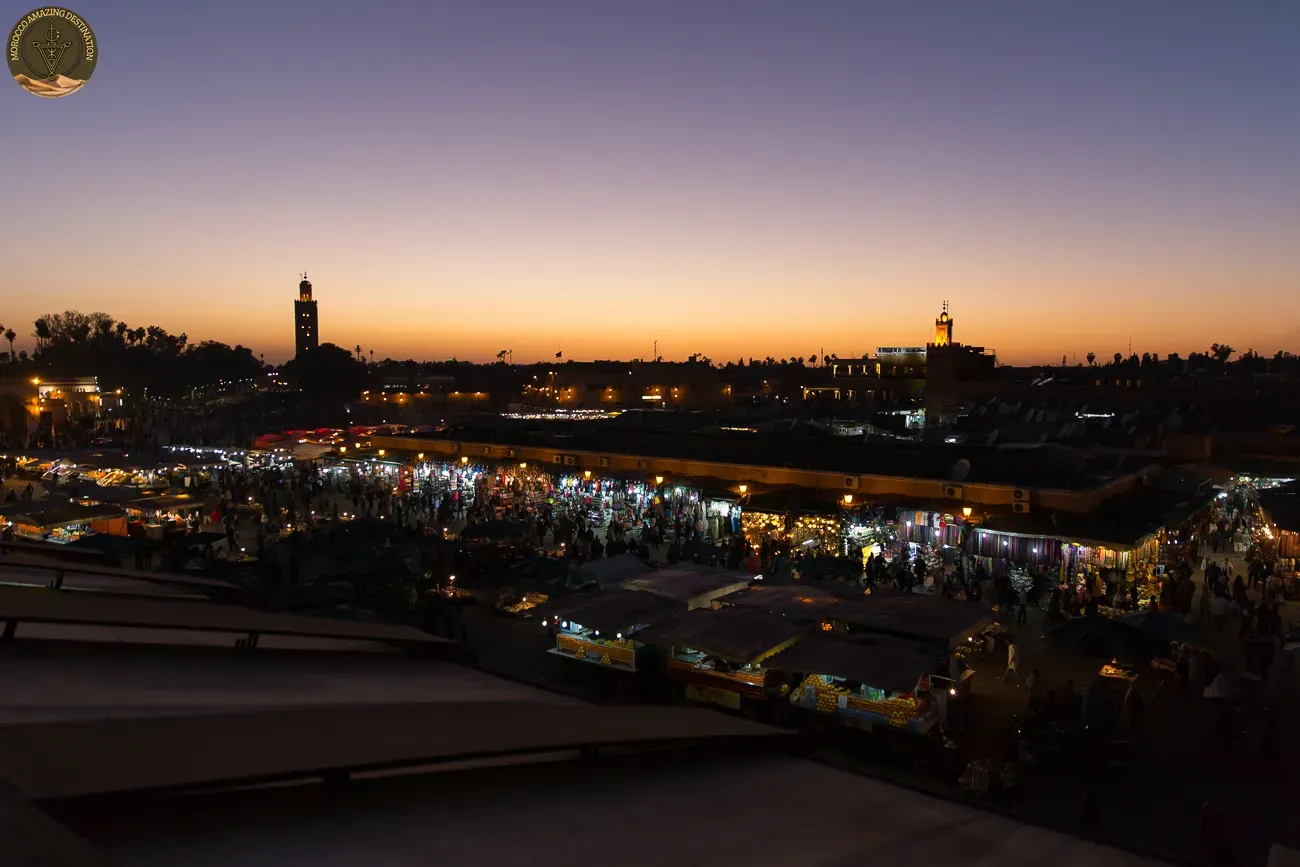
Morocco slow travel rarely needs a timetable. Order the tea, sit through the second glass and let the afternoon go. In Marrakech and Fes the roof does the work, and in July and August, when both cities peak near 37 C, it is worth being up there before 11:00 or after 17:00. The same habit carries to Chefchaouen, to a terrace in Essaouira, or to a rug outside a desert tent.
Essaouira and the Wind Calendar
The Atlantic coast offers the simplest cooling in the country. Essaouira sits 183 km and about 2 hours 40 from Marrakech, and its UNESCO-listed medina catches a trade wind that blows from April to October. July and August bring the strongest gusts, light in the morning and building to 15 to 30 knots by afternoon. August averages 22 to 23 C here while Marrakech sits near 37 C.
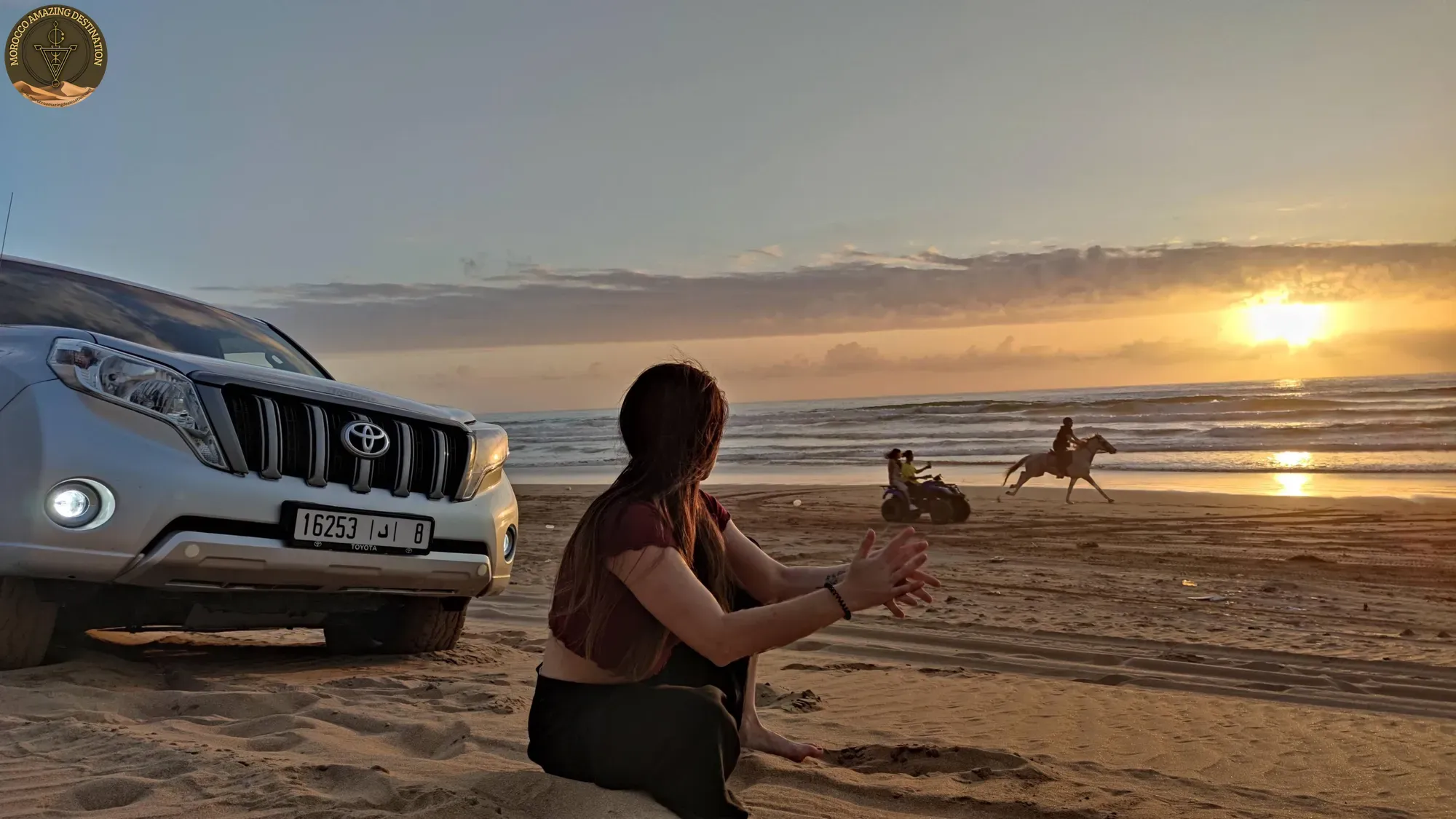
Plan the swim around the wind. Morning water is calm, the sheltered bay holds up when the afternoon gusts arrive, and a windbreaker earns its place in the bag. Yoga sells by the class rather than only as a week-long booking, which suits a Morocco wellness holiday built on the move: 150 to 170 MAD a session in Essaouira, 100 to 200 in Taghazout and Tamraght, 120 to 250 in Marrakech, 200 to 350 for a medina rooftop class. Outside peak weeks, a day of notice is enough.
Gravel Desert and Atlas Foothills
Inland from Marrakech, three short drives reach open ground:
- Agafay, 30 to 45 km out and 45 to 60 minutes by road, is a gravel hammada at roughly 600 to 700 m, with Lalla Takerkoust lake along one edge and no dunes at all.
- Ourika and Setti Fatma sit about 60 to 63 km away, 1 hour 15 to 1 hour 30, in a river valley that stays green.
- Imlil is 65 km and 1 hour 20 to 1 hour 45, at 1,740 to 1,800 m, where the air turns noticeably cooler.
Agafay suits an evening, since the drive is short enough for a sunset and a dinner. The foothills reward a longer plan: a walk, a slow lunch, a night at altitude.
Silence Once the Camp Lights Go Out
The desert is the quietest of the four, and the quiet arrives late. Generators run through the evening in the camps around Erg Chebbi, then stop, and the Milky Way appears once the last lamp goes out.
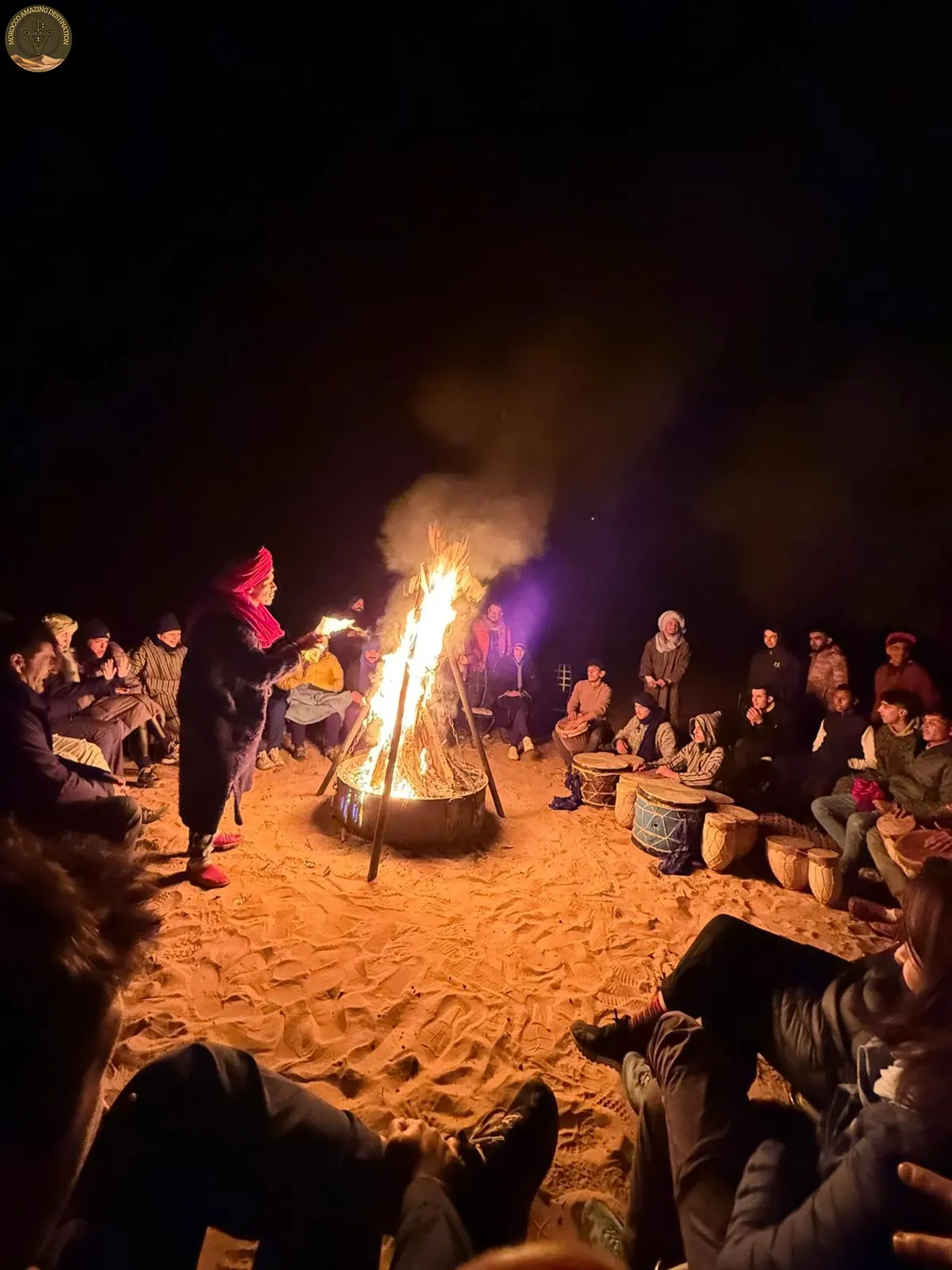
Cold is the surprise. The temperature drops about 20 C after sunset, and spring and autumn nights sit near 10 to 15 C. A few things make the night easier:
- Bring a warm layer for that drop.
- Buy sealed 1.5 L water in the last town, since some camps do not include drinking water.
- Keep the sand bath to daylight, June to September, when 5 to 15 minutes buried to the neck happens with a supervisor present.
Rest fits inside an ordinary route: a hammam in the afternoon, tea on a roof, two nights on the coast and one in the desert.
The 8-Day Morocco Tour: Marrakech, Sahara Desert & Essaouira collects three of the four in one loop, and the 4-Day Morocco Desert Tour from Marrakech crosses the Atlas on the way to two nights in the desert, one in a camp and one in a riad near Merzouga.
We can customize a tour to match your needs - design your perfect itinerary
If you found this helpful, add us as your preferred source on Google.
Frequently Asked Questions
Is Morocco a good place for a relaxing holiday?
It can be, if you leave room in the itinerary. A hammam, a rooftop glass of tea, a couple of nights on the Atlantic coast and one night in the desert cover the country's four quietest settings, and all of them fit inside a normal route between cities.
Can a couple share a hammam in Morocco?
It depends on the bathhouse. Neighbourhood bathhouses split men and women by room or by hours, often women in the daytime and men in the evening, and those hours shift from town to town. Couples usually need a riad or day spa, which can book a private room for two.
Where can a first-timer try a hammam outside Fes and Marrakech?
Neighbourhood bathhouses serve their own quarters in towns across the country, and riads and day spas arrange visits for guests. Ask where you are staying which bathhouse people use locally and which hours apply to visitors, then agree the price at the door before you undress.
When is the best time to visit Essaouira for calm weather?
The trade wind runs from April to October, light in the morning and stronger in the afternoon. July and August bring the strongest gusts, so swim early or in the sheltered bay. August averages about 22 to 23 C there while Marrakech sits near 37 C.
Ready for an Adventure?
Have questions? Feel free to contact us using the form below. We're here to help!