· Travel · 7 min read
Should Americans Travel to Morocco? Complete Safety & Travel Guide for US Citizens
Wondering if Americans should travel to Morocco? Discover why Morocco is one of the safest and most rewarding destinations for US citizens, with practical tips, visa info, and insider advice for an unforgettable trip.
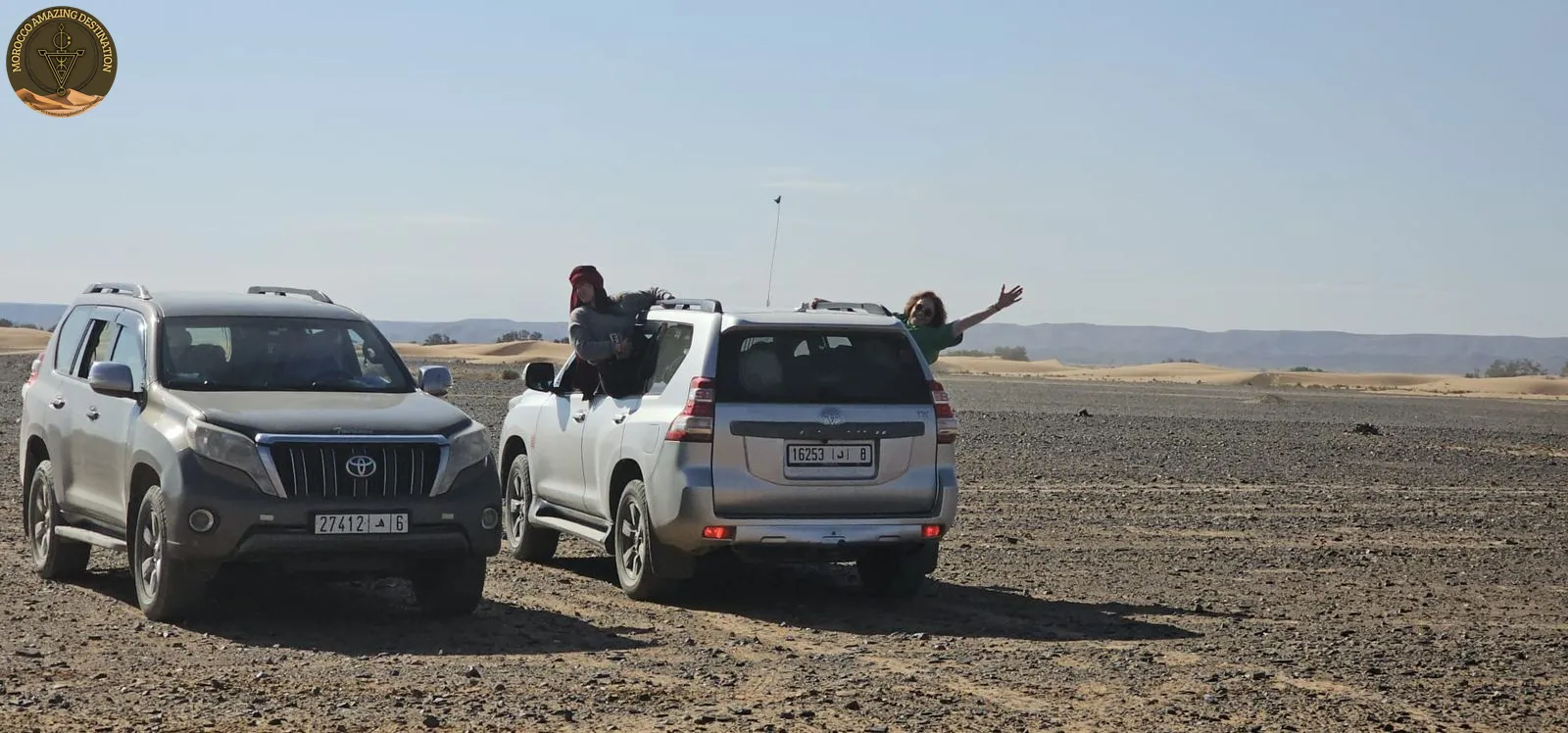
Should Americans travel to Morocco? If you are a US citizen dreaming of wandering through ancient medinas, riding camels across golden Sahara dunes, or sipping mint tea in a traditional riad, the answer is a resounding yes. Morocco consistently ranks as one of the safest, most welcoming, and culturally rich destinations for American travelers—and it is easier to visit than you might think.
With no visa required for stays up to 90 days, direct flights from major US cities, and a dollar-friendly economy, Morocco offers incredible value for American tourists. Millions of international visitors explore Morocco each year without incident, and the country has invested heavily in tourism infrastructure, making it more accessible than ever for travelers from the United States.
Why Americans Are Choosing Morocco
Morocco has seen a steady increase in American visitors over the past decade, and the reasons are compelling:
- Visa-free entry: US citizens enjoy 90 days visa-free access
- Affordable luxury: Your dollar stretches far—luxury riads, gourmet meals, and guided tours cost a fraction of European prices
- Diverse experiences: From snow-capped Atlas Mountains to Sahara Desert camps, coastal towns to imperial cities
- Rich cultural heritage: A blend of Arab, Berber, European, and African influences creates a uniquely vibrant culture
- English-friendly tourism: While French and Arabic dominate, English is increasingly spoken in tourist areas
Safety Overview for US Citizens
The US State Department currently lists Morocco as a Level 1 destination—the lowest advisory level, meaning “Exercise Normal Precautions.” This places Morocco in the same safety category as popular European destinations like France, Germany, and the United Kingdom.
What Makes Morocco Safe for Americans
- Political stability: Morocco is one of the most politically stable countries in North Africa
- Low violent crime: Violent crime against tourists is extremely rare
- Tourist police: Dedicated tourist police units operate in major cities
- Strong US-Morocco relations: The two nations maintain excellent diplomatic and security cooperation
- Well-developed tourism infrastructure: Professional guides, reputable tour operators, and quality accommodations throughout the country
Understanding Travel Advisories
American travelers should always check the latest State Department travel advisory before departure. Morocco’s Level 1 status reflects a generally safe environment, though standard precautions apply: stay aware of your surroundings, avoid large demonstrations, and register with the Smart Traveler Enrollment Program (STEP) for emergency updates.
What Makes Morocco Ideal for American Travelers
No Visa Required
US passport holders can enter Morocco without a visa for up to 90 days. Simply ensure your passport is valid for the duration of your stay and has at least one blank page for the entry stamp. This visa-free access makes Morocco one of the most accessible international destinations for Americans.
Direct Flights from the US
Several airlines offer direct and one-stop flights from major US cities to Casablanca, Marrakech, and Tangier:
- Royal Air Maroc operates direct flights from New York (JFK) to Casablanca
- Delta, United, and American Airlines offer one-stop connections through European hubs
- Flight times range from 7 hours (from the East Coast) to 12+ hours (from the West Coast)
Dollar-Friendly Economy
Morocco offers exceptional value for American travelers:
- Meals: Traditional tagine dinners from $5-15 at local restaurants
- Accommodations: Beautiful riads starting at $40-80 per night
- Transportation: Intercity trains from $10-25; shared taxis are affordable
- Activities: Guided tours, cooking classes, and hammam experiences at budget-friendly prices
Cultural Compatibility & Hospitality
Moroccan culture is built on hospitality and respect for guests. Americans consistently report feeling welcomed by locals, and the cultural exchange between US and Moroccan visitors is enriching for both sides.
What Americans Will Love
- Warm hospitality: Moroccans take pride in welcoming visitors—expect invitations for mint tea
- English speakers: Growing numbers of Moroccans in tourism speak English fluently
- Familiar comforts: Western amenities, international cuisine options, and reliable internet in tourist areas
- Cultural curiosity: Many Moroccans are eager to learn about American culture and share their own
Cultural Tips for Americans
- Dress modestly: Cover shoulders and knees, especially in medinas and rural areas
- Use your right hand: For eating, greeting, and exchanging money
- Learn a few phrases: “Salam alaykum” (hello) and “Shukran” (thank you) go a long way
- Respect religious customs: Avoid public displays of affection and be mindful during Ramadan
Top Experiences for American Visitors
Morocco offers experiences that resonate deeply with American travelers seeking adventure, culture, and authenticity:
Sahara Desert Adventures
Camping under the stars in the Sahara is a bucket-list experience. Merzouga and Erg Chebbi offer luxury desert camps with camel treks, Berber music, and unforgettable sunrises over golden dunes.
Imperial City Tours
Explore the historic cities of Marrakech, Fes, Meknes, and Rabat—each offering unique architecture, bustling souks, and centuries of history.
Atlas Mountain Hiking
The High Atlas Mountains provide world-class trekking, with Mount Toubkal (North Africa’s highest peak) attracting adventure-seeking Americans year-round.
Coastal Escapes
The Atlantic coast towns of Essaouira and Taghazout offer surfing, fresh seafood, and a laid-back vibe that appeals to American beach lovers.
Practical Tips for First-Time American Visitors
Money & Currency
- Currency: Moroccan Dirham (MAD)—a closed currency, so exchange money upon arrival
- ATMs: Widely available in cities; notify your US bank before traveling
- Credit cards: Accepted at hotels and larger restaurants; carry cash for souks and smaller vendors
- Tipping: Expected and appreciated—10% at restaurants, small tips for guides and drivers
Language Barriers
While Arabic and Berber are official languages, French is widely spoken. English is increasingly common in tourist areas, but learning a few basic phrases enhances your experience:
- Salam alaykum — Hello
- Shukran — Thank you
- Bshhal? — How much?
- Fin? — Where?
Best Time to Visit
- Spring (March-May): Ideal weather, blooming landscapes, fewer crowds
- Fall (September-November): Perfect temperatures, harvest season, cultural festivals
- Winter (December-February): Mild days, cold desert nights, great for city exploration
- Summer (June-August): Hot inland, perfect for coastal destinations
Common Concerns Addressed
Is the Food Safe?
Moroccan cuisine is delicious and generally safe for American travelers. Stick to busy restaurants with high turnover, drink bottled water, and enjoy street food from vendors with long lines. Tagine, couscous, and pastilla are must-try dishes.
What About Internet Access?
Wi-Fi is widely available in hotels, riads, and cafes. For mobile data, purchase a local SIM card from Maroc Telecom, Inwi, or Orange at the airport—plans are affordable and coverage is excellent in cities.
Can American Women Travel Safely?
Yes. Many American women travel solo or in groups throughout Morocco. Dress modestly, stay aware of your surroundings, and trust your instincts. Female travelers often report positive experiences and warm interactions with Moroccan women.
Are There Health Concerns?
No special vaccinations are required beyond routine immunizations. Travel insurance with medical coverage is recommended. Major cities have modern hospitals, and many doctors speak English.
Regional Safety Guide for Americans
Marrakech
Vibrant, bustling, and generally very safe. The medina can feel overwhelming, but violent crime is rare. Use official guides for your first visit and stay in well-lit areas at night.
Fes
Home to the world’s largest car-free urban area. The medina is a maze—consider hiring an official guide for navigation. Be cautious of unsolicited “helpers” who expect payment.
Chefchaouen
One of Morocco’s safest and most photogenic cities. The blue mountain town offers a relaxed, welcoming atmosphere perfect for American travelers.
Casablanca
Morocco’s economic hub requires standard big-city awareness. The Hassan II Mosque and Corniche are safe, heavily touristed areas.
Merzouga & the Sahara
Desert camps are extremely safe when booked through reputable operators. Never venture into the desert alone without proper guides and equipment.
Final Verdict: Should Americans Travel to Morocco?
Absolutely yes. Morocco offers American travelers an unparalleled combination of safety, affordability, cultural richness, and natural beauty. From the moment you arrive, you will be welcomed with warmth and hospitality that makes you feel at home—even thousands of miles from the United States.
The key to a successful trip is preparation, cultural awareness, and common sense—principles that apply to travel anywhere. With its visa-free entry, excellent tourism infrastructure, and unforgettable experiences, Morocco should be at the top of every American traveler’s bucket list.
Explore Morocco with Our Curated Tours
For an unforgettable introduction to Morocco, consider our 4-Day Morocco Desert Tour from Marrakech. This carefully crafted journey takes you through the UNESCO World Heritage site of Ait Ben Haddou, across the stunning Dades Valley, and into the golden dunes of Merzouga where you will ride camels and sleep under the stars in a luxury desert camp—all with professional English-speaking guides ensuring your comfort and safety.
For travelers seeking a comprehensive Moroccan experience, our 8-Day Morocco Tour: Marrakech, Sahara Desert & Essaouira offers the perfect blend of adventure and relaxation. From the bustling markets of Marrakech to the tranquil beaches of Essaouira and the magical Sahara Desert, this tour showcases Morocco’s diverse beauty while prioritizing your safety and comfort every step of the way.
If you found this helpful, add us as your preferred source on Google.
Frequently Asked Questions
Do US citizens need a visa to enter Morocco?
No, US citizens do not need a visa for tourist stays up to 90 days. You only need a valid passport with at least one blank page for the entry stamp.
Is Morocco safe for American tourists?
Yes, Morocco is considered safe for American tourists. The US State Department lists Morocco as a Level 1 destination, meaning travelers should exercise normal precautions—the same advisory level as many European countries.
What is the best time for Americans to visit Morocco?
Spring (March to May) and fall (September to November) offer the most pleasant weather across Morocco, with mild temperatures ideal for exploring cities, hiking the Atlas Mountains, and visiting the Sahara Desert.
Can Americans drink alcohol in Morocco?
Yes, alcohol is legal in Morocco and widely available in hotels, restaurants, bars, and licensed stores, especially in tourist areas and larger cities. However, it is best consumed discreetly outside of these zones.
- should-americans-travel-morocco
- americans-travel-morocco
- morocco-safety-americans
- us-citizens-morocco
- morocco-travel-guide
- is-morocco-safe
- morocco-tourism
Ready for an Adventure?
Have questions? Feel free to contact us using the form below. We're here to help!