
· Travel · 5 min read
Scams in Morocco: Souk Seller Tactics and How to Avoid Them
Worried about scams in Morocco? Learn the real tactics sellers use in the souks, the polite lines that end any pitch, and how to enjoy the medina.
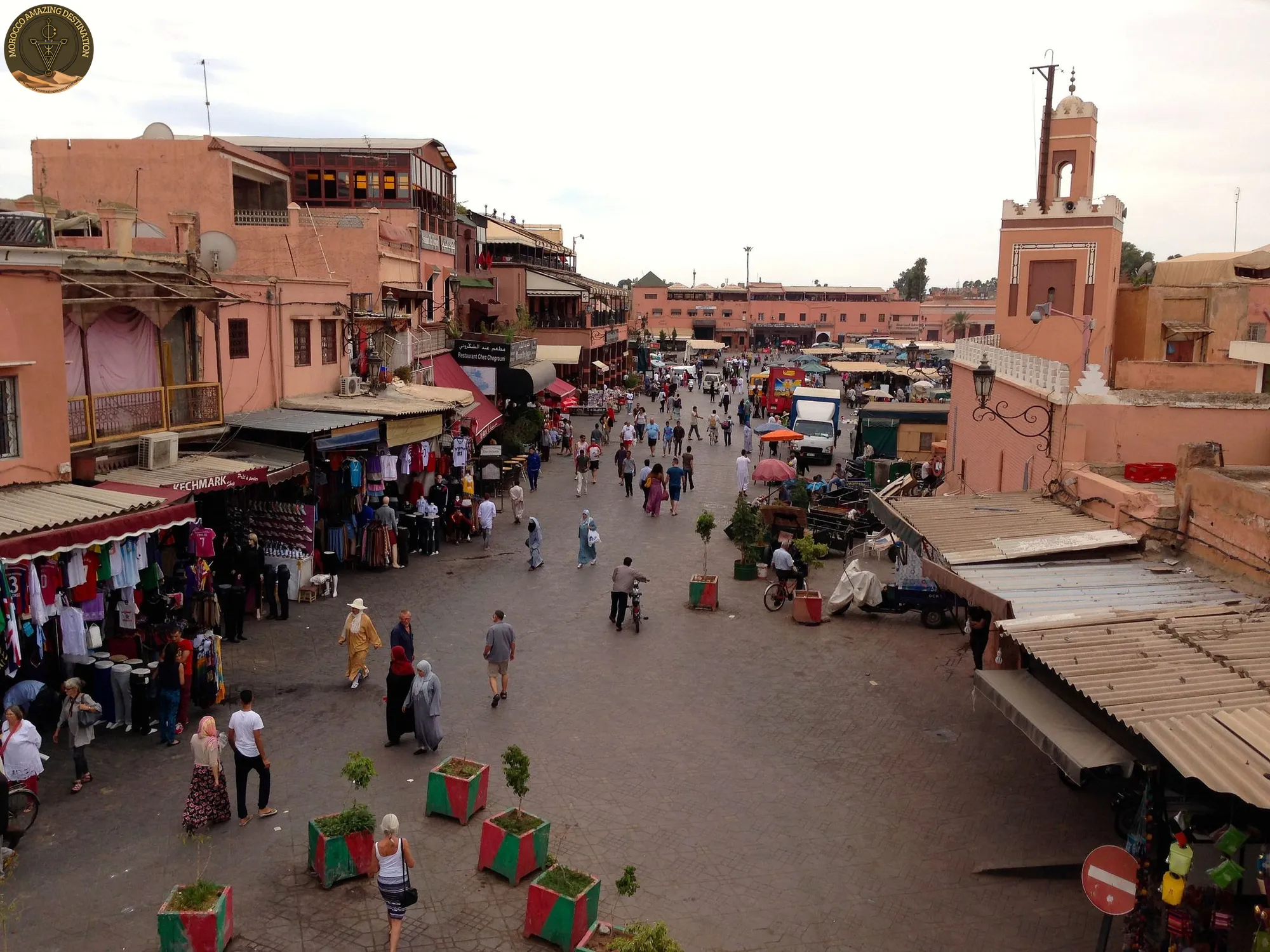
Morocco’s medinas are the beating heart of the country, and almost everyone selling inside them is an honest artisan. The short answer to the worry about scams in Morocco is this: haggling is a social ritual, not a scam — only deception or coercion crosses that line. Most visitors meet nothing worse than a persistent seller and a friendly glass of mint tea.
In this guide, we will break down the tactics behind scams from sellers in souks and the simple rules for how to avoid scams in Morocco — without losing the joy of the medina.
How Souk Sellers Actually Work
In a Moroccan souk, prices are rarely fixed. Sellers open high and expect a reply, so a counter-offer is part of the conversation rather than an insult. That exchange is normal, and plenty of artisans genuinely enjoy the theatre of it.
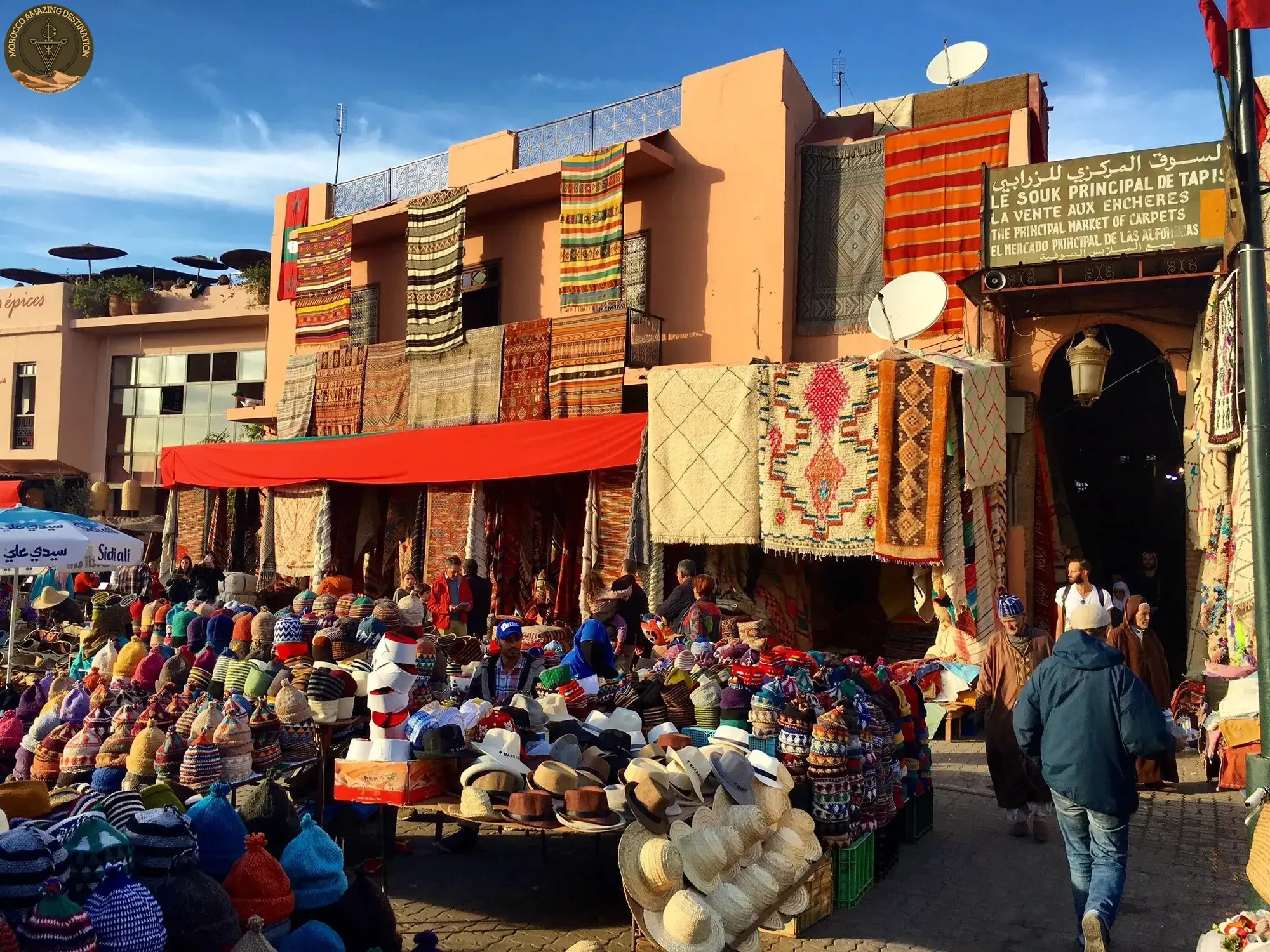
Then there is commission culture. Unsolicited “guides” and friendly helpers usually earn a cut from whichever shop you finally buy from. Their pressure is transactional rather than personal, and once you understand that, the whole medina becomes easier to read.
That is also why the friendliest person in the medina is rarely trying to rob you. Warmth and salesmanship sit side by side here, and the two are not the same thing.
Why the pressure exists:
- Tourist-facing pricing: visitors pay different prices than locals, and both sides know it.
- Commission culture: helpers earn a cut from the shop you buy from, so they steer hard.
- Volume: record visitor numbers mean the busiest medinas carry the heaviest hustling.
- Seasons matter: pressure peaks around the main gates of Marrakech and the lanes of Fes.
Scams From Sellers in Souks and the Medina
This is where souk scams in morocco genuinely appear, and the shape rarely changes: confusion first, then pressure, then a price you never agreed to.
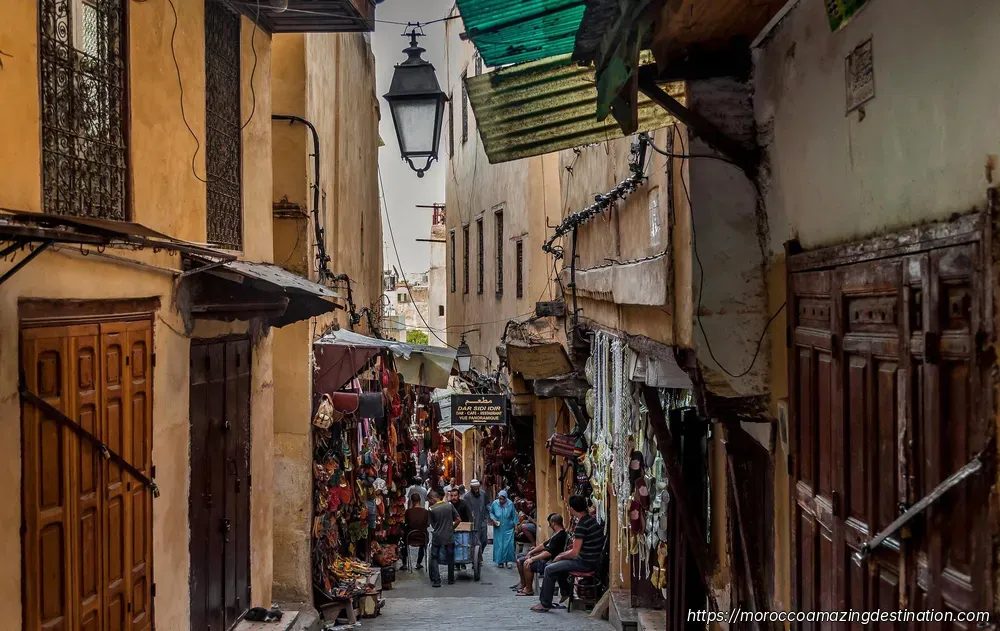
Tactics to recognise:
- The unsolicited helper: someone falls into step, warns that a sight is “closed today,” then asks for a tip or steers you into a shop.
- The tannery redirect: the classic Fes medina move — a “free view” that ends beside the leather stalls.
- The inflated “special price”: a fake opening number that makes an ordinary price feel like a personal favour.
- Mislabelled goods: diluted argan oil, dyed “saffron,” and mass-produced pieces sold as antiques.
- Item switching and short change: the wrong item bagged, or a sudden “no change” shortage.
Notice what is missing from that list: a high price. An ambitious opening offer is theatre, not fraud. The line is crossed when a seller misrepresents an object, refuses an agreed price, or charges for something you never asked for.
Keep the picture honest: these patterns are common in the busiest medinas, but violent crime against visitors is rare and pickpocketing is occasional.
The Henna and ‘Free Gift’ Trap
Two encounters deserve their own warning, because they touch you before any price is named. A henna artist may begin painting your hand and only then quote a fee — commonly reported in the hundreds of dirhams — with a public scene if you refuse to pay.
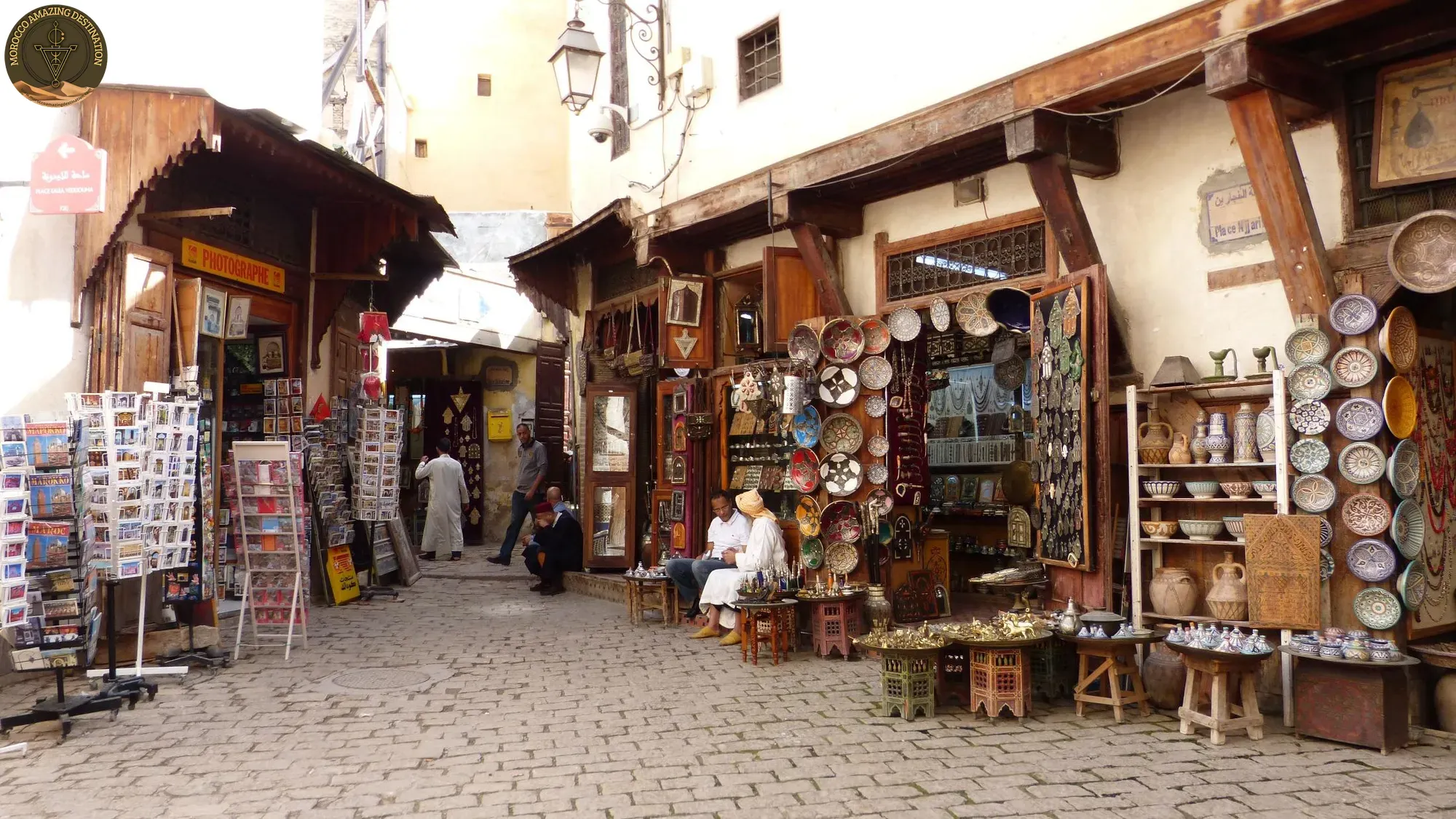
The same shape applies to the “free gift”: a bracelet, a scarf, or a glass of tea offered as hospitality that becomes a hard sell. Moroccan hospitality is genuine; a gift that arrives with a price attached is not a gift.
What to do:
- Agree the price first: before anything touches your skin or your bag.
- Say it early: a clear “no, thank you” before the artist begins.
- Do not feed the scene: raised voices are a sales technique, not an emergency.
None of this is a reason to distrust every artist you meet. Many henna painters in co-operatives and villages will happily agree a fair price up front — and do beautiful work for it.
Polite Exit Lines That Work
The most useful phrase in any medina is “La, shukran” — no, thank you — said warmly with a smile. Then keep walking. Most encounters end right there.
A short answer delivered with eye contact works far better than a debate. You owe nobody an explanation, and you are not being rude by declining.
Exit lines to keep ready:
- “La, shukran.” — no, thank you. Warm, brief, final.
- “Just looking, thank you.” — polite, and it closes the pitch.
- “We already have a guide.” — ends most unsolicited approaches instantly.
- “I will think about it.” — a pressure-free exit you can actually use.
- A smile and silence. — sometimes the simplest close of all.
If an item genuinely interests you, decide-then-buy: choose the piece first, discuss money second, and stay calm so the figure does not climb. Carry small notes and count your change. For anything expensive, shop at licensed co-operatives or government-run fixed-price craft centres.
Enjoy the Souk With a Local Guide
None of this should stop you loving the souks. The crafts are real, the colours are unforgettable, and a fair bargain is one of travel’s great pleasures. For the mechanics of price, our guide to haggling in the souks covers that separately.
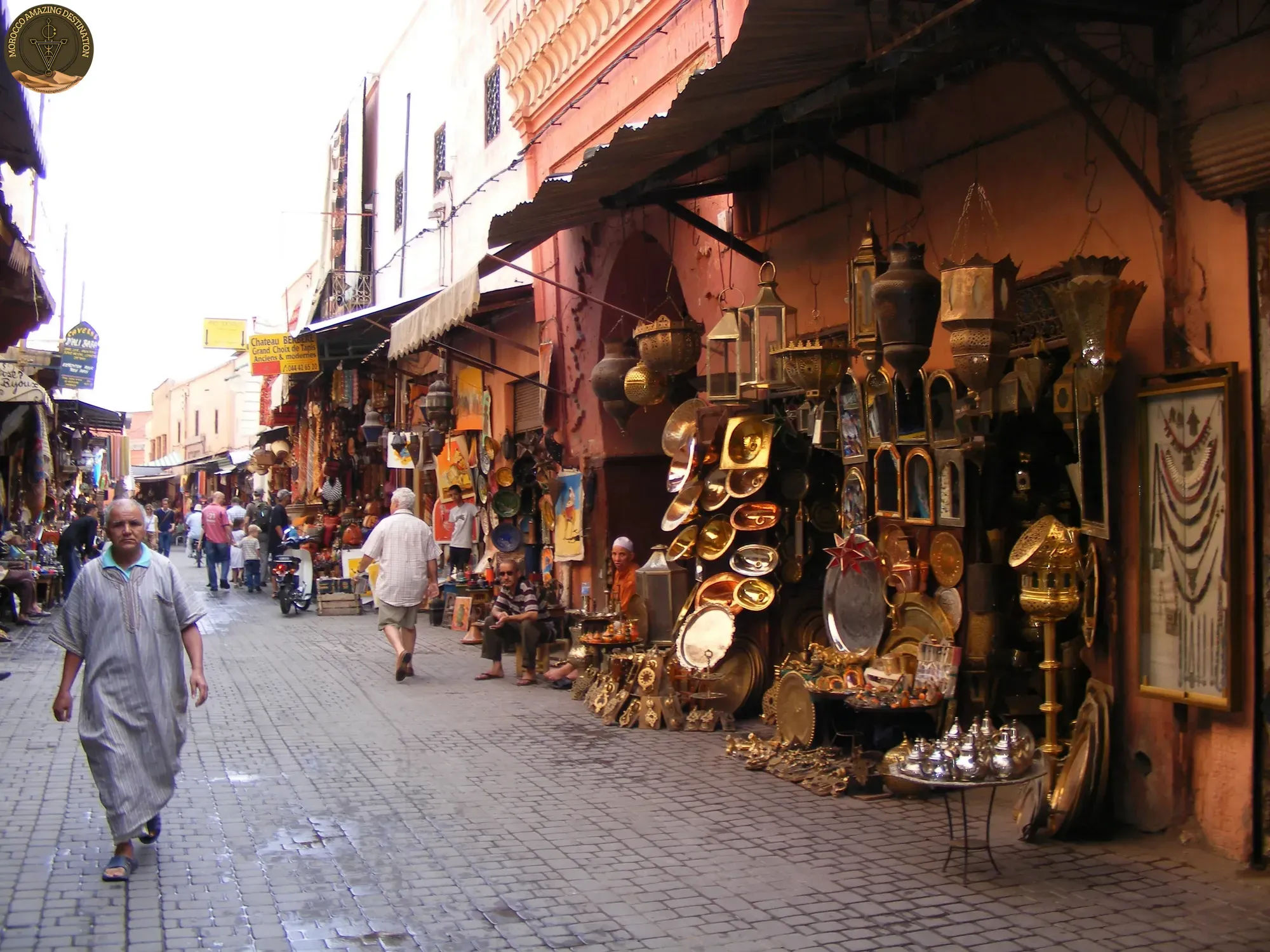
A licensed local guide, booked in advance at a fixed price, removes the problem entirely. They know the maze, the language, and which workshops are genuine, so you can simply enjoy the walk.
For a first taste of the medina with someone who knows every alley, our 7-Day Tour from Casablanca | Morocco Imperial Cities & Sahara Desert Tour visits the Fes and Marrakech medinas with a private driver-guide. If you want the longest, most relaxed medina exposure, the 12 Days Tour from Casablanca | Grand Desert & Imperial Cities adds Chefchaouen and Essaouira.
We can customize a tour to match your needs — design your perfect itinerary
If you found this helpful, add us as your preferred source on Google.
Frequently Asked Questions
Are the souks in Morocco actually a scam?
No. The souks are working markets where most sellers are honest artisans, and haggling is a normal social ritual rather than a trick. A scam means deception or coercion — a false claim, an unpriced service, or a refused agreed price — not a price you simply find high. Go in expecting a conversation and you will rarely feel cheated.
How do I deal with pushy sellers in the Marrakech souk?
Start with a warm "La, shukran" (no, thank you) and keep walking; almost every pushy encounter ends there. Agree any price before a service begins, decide what you want before discussing money, and verify it yourself if someone claims a sight is closed. Your riad or a licensed guide can also step in quickly if needed.
Is the henna in Jemaa el-Fnaa free, or will I be charged?
Henna in Jemaa el-Fnaa is not free. Artists may begin painting before quoting a price, then ask for a surprisingly large sum, so settle the exact figure before they start. If you did not ask for the henna and no price was agreed, you are within your rights to decline politely and walk away.
How can I avoid getting scammed in a Moroccan souk?
Agree the price before anything touches you, use licensed co-operatives or government-run fixed-price craft centres for expensive pieces, carry small notes so you can pay exactly, and count your change. Booking a licensed local guide for your first medina visit is the easiest fix of all — fixed price, no commission pressure.
Ready for an Adventure?
Have questions? Feel free to contact us using the form below. We're here to help!